








Kubota Tractor Fuel Pump: Diesel Lift Pump by Model
A properly functioning Kubota fuel pump is critical for reliable tractor operation. This guide covers diesel lift pumps for various Kubota tractor models, helping you diagnose problems and find the right replacement parts to get your tractor back in the field.
A Kubota tractor is a reliable workhorse, but like any piece of machinery, it can experience issues over time. One common problem is fuel delivery, often stemming from a faulty fuel pump. Specifically, on diesel Kubotas, the lift pump plays a crucial role in moving fuel from the tank to the injection pump. This article will guide you through understanding Kubota diesel lift pumps, troubleshooting common problems, and finding the correct replacement for your model.
Recommended Parts for This Guide
6 parts we recommend — in stock, ships fast, one-click add to cart.
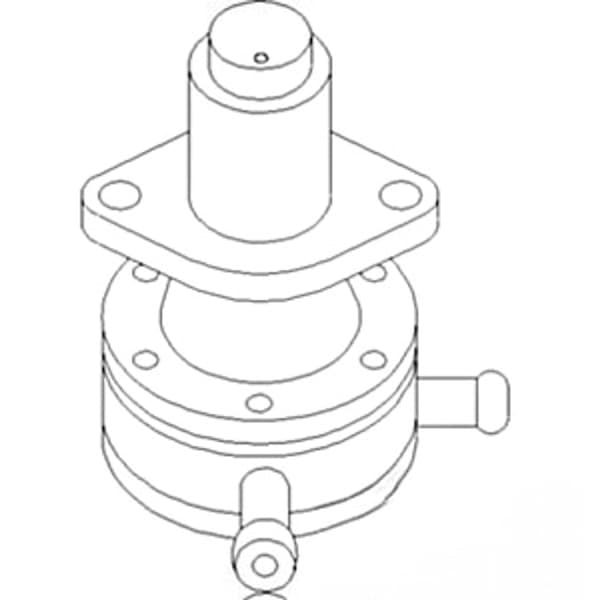
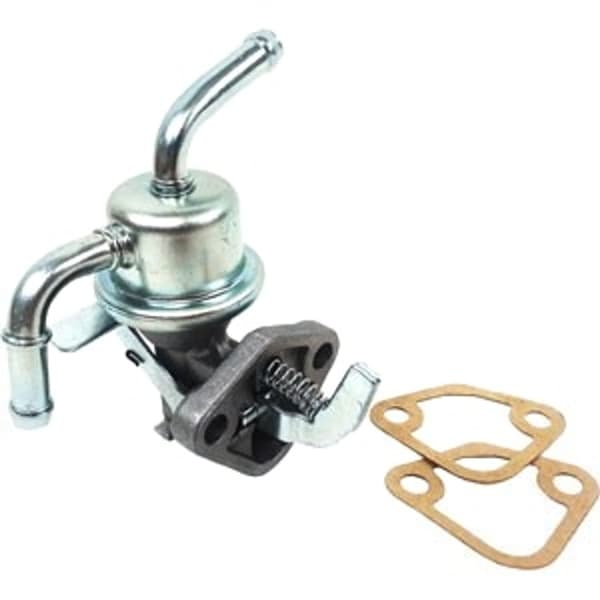
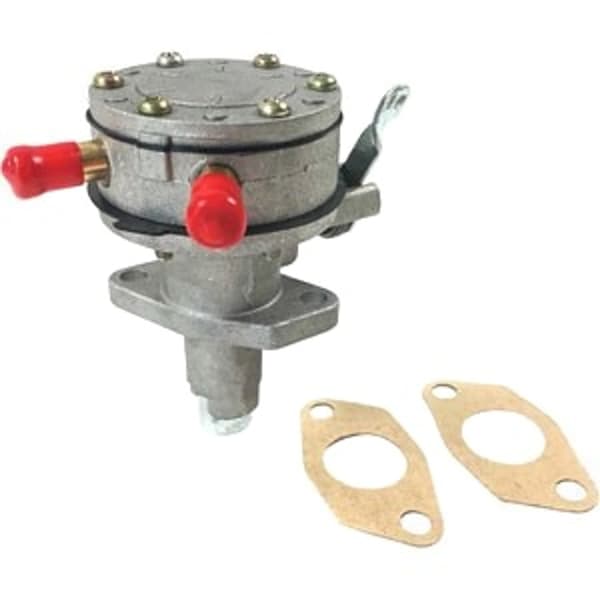
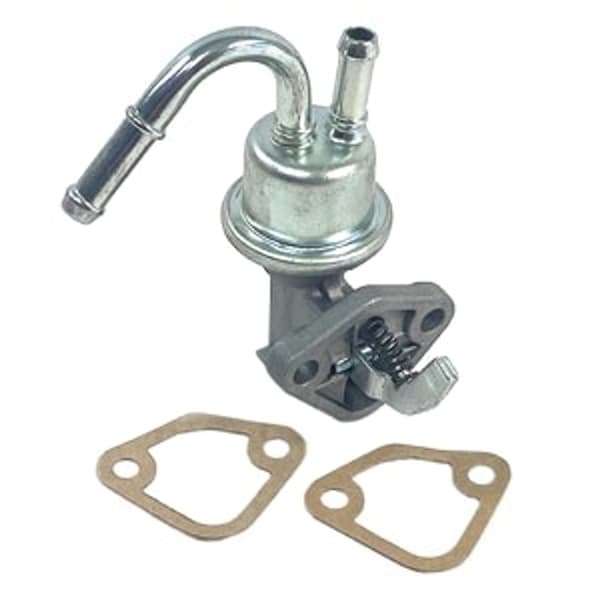
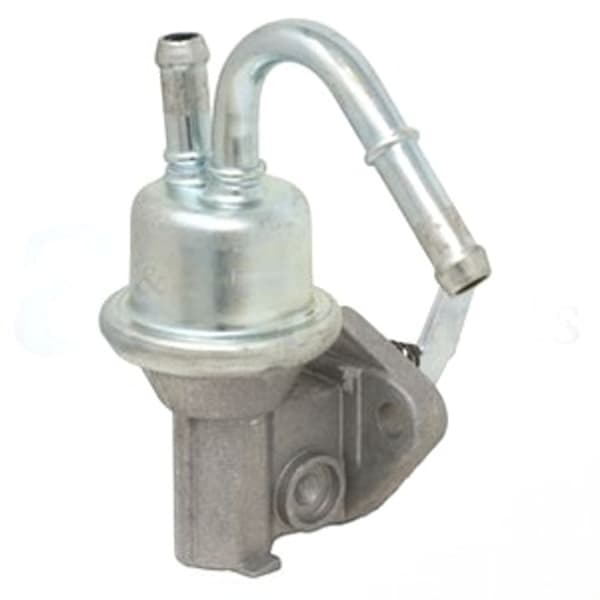
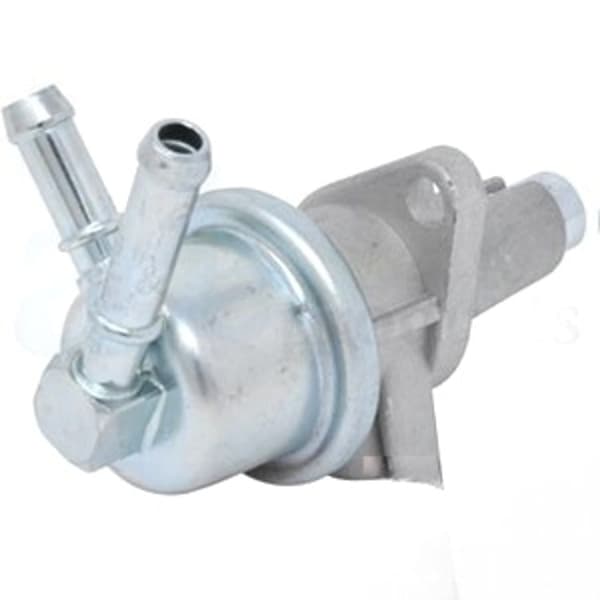
🔍 Looking for a specific part? Try our AI Part Finder — tell it your equipment and what you need, and it will find matching parts instantly.
Understanding the Kubota Fuel System
Before diving into specific fuel pump models, it’s helpful to understand the Kubota diesel fuel system. Generally, it consists of:
- Fuel Tank: Stores the diesel fuel. Always use clean, high-quality diesel.
- Fuel Filter(s): Removes contaminants to protect the injection pump and injectors. Regularly replacing your fuel filter is essential for longevity.
- Lift Pump (Fuel Pump): A low-pressure pump that draws fuel from the tank and delivers it to the injection pump. This is what we'll primarily focus on here.
- Injection Pump: A high-pressure pump that meters and delivers fuel to the injectors at precise times.
- Injectors: Atomize the fuel and spray it into the combustion chamber. See also: Tractor Diesel Injector: Nozzle Testing & Replacement
- Fuel Lines: Connect all components.
In a diesel system, the lift pump ensures a consistent supply of fuel to the injection pump, preventing cavitation and ensuring optimal performance. If the lift pump fails, your tractor may experience hard starting, stalling, or a complete inability to run.
Identifying Your Kubota fuel pump
Kubota uses various lift pump designs across its tractor lineup. To ensure you get the correct replacement, you need to identify your tractor model and engine. The model number is typically found on a plate located on the tractor's frame, often near the engine. Common series include the B-series (B2320, B2650, B7510, etc.), L-series (L2501, L3901, L4701, etc.), M-series (M7040, M9540, etc.), and Grand L series. Once you have the model number, you can cross-reference it with a parts catalog or consult with a parts expert at Madison Tractor to determine the correct pump.
Some Kubota fuel pumps are mechanical, driven by the engine's camshaft. Others are electric. Electric fuel pumps are generally found on newer models, offering more consistent fuel pressure.
Important! Before ordering a new fuel pump, carefully inspect the old one for any part numbers or manufacturer markings. These numbers can help narrow down your search. Take photos to compare to potential replacements.
Common Kubota Fuel Pump Problems
Several issues can cause a Kubota fuel pump to fail:
- Contaminated Fuel: Dirty fuel is the most common culprit. Debris can clog the pump and damage internal components. Always use clean fuel and maintain your fuel filters. Consider adding a fuel additive to prevent algae growth, especially in humid environments.
- Air Leaks: Air entering the fuel system can prevent the pump from priming and delivering fuel. Check fuel lines and fittings for cracks or loose connections.
- Worn Diaphragm (Mechanical Pumps): In mechanical pumps, the diaphragm can wear out over time, reducing the pump's ability to create suction.
- Electrical Issues (Electric Pumps): Electric pumps can fail due to a faulty wiring, a blown fuse, or a malfunctioning pump motor. Check the wiring harness for damage and test the pump's voltage.
- Clogged Fuel Filter: A severely clogged filter will starve the pump of fuel, causing it to work harder and potentially fail. This relates back to the Tractor Fuel Pump: Mechanical & Electric by Brand article.
Troubleshooting Your Kubota Fuel Pump
Here's a step-by-step approach to troubleshooting your Kubota fuel pump:
- Safety First! Disconnect the battery's negative terminal before working on the fuel system. Work in a well-ventilated area, away from sparks or open flames.
- Check the Fuel Level: Seems obvious, but ensure you have enough fuel in the tank.
- Inspect Fuel Lines: Look for any cracks, leaks, or kinks in the fuel lines. Replace damaged lines immediately.
- Check the Fuel Filter: Replace the fuel filter if it's dirty or clogged. A clogged filter will restrict fuel flow to the pump.
- Test the Lift Pump (Mechanical): Disconnect the fuel line at the injection pump and crank the engine. Fuel should flow from the lift pump. If not, the pump may be faulty.
- Test the Lift Pump (Electric): Locate the electrical connector for the pump. Using a multimeter, check for voltage at the connector when the ignition is turned on. If there's voltage, the pump may be faulty. You can also try tapping on the pump body with a hammer – sometimes, this can temporarily dislodge debris and get it working (though this is just a temporary fix).
- Check for Air Leaks: Use a clear fuel line between the lift pump and injection pump to check for air bubbles. Bubbles indicate a leak in the suction side of the fuel system.
Warning! When working with fuel, always have a fire extinguisher readily available.
Kubota Fuel Pump Replacement: A Step-by-Step Guide
If your Kubota fuel pump is faulty, replacing it is often the best solution. Here's a general guide:
- Gather Your Tools: You'll need wrenches, screwdrivers, pliers, and a container to catch spilled fuel. Have the correct Kubota Fuel Pump replacement ready.
- Disconnect the Battery: As mentioned before, disconnect the negative terminal.
- Drain the Fuel: If possible, drain the fuel tank to minimize fuel spillage. Otherwise, use a rag to absorb any spilled fuel.
- Disconnect Fuel Lines: Carefully disconnect the fuel lines from the pump. Note their orientation for proper reinstallation. Use line wrenches to prevent rounding off the fittings.
- Remove the Old Pump: Unbolt the old pump from the engine.
- Install the New Pump: Install the new pump, ensuring the gasket is properly seated. Tighten the mounting bolts to the specified torque (refer to your tractor's service manual if available, or use a general torque specification for the bolt size).
- Reconnect Fuel Lines: Reconnect the fuel lines, ensuring they are securely tightened.
- Bleed the Fuel System: This is crucial to remove air from the system. Loosen the bleeder screw on the fuel filter or injection pump and crank the engine until fuel flows freely without air bubbles. Tighten the bleeder screw.
- Reconnect the Battery: Reconnect the negative battery terminal.
- Start the Engine: Start the engine and check for leaks. Let the engine run for a few minutes to ensure the fuel system is properly primed.
Tip: Applying a small amount of sealant to the fuel line fittings can help prevent leaks.
For specific torque specifications, refer to your Kubota tractor's service manual. If you don't have a manual, a general guideline for small bolts is to tighten them snugly without over-tightening.
Fuel Pump Options at Madison Tractor
At Madison Tractor Company, we carry a wide selection of fuel pumps for Kubota tractors, as well as parts for other major brands, including John Deere, Case IH, Ford, New Holland, Massey Ferguson, Allis Chalmers, Deutz, International Harvester, Oliver, White, Gleaner, Vermeer, Hesston, Mahindra, and Zetor. We offer both OEM (Original Equipment Manufacturer) and aftermarket fuel pumps to fit your budget and needs.
Besides fuel pumps, we also stock a comprehensive inventory of other tractor parts, including radiators, water pumps, starters, alternators, hydraulic pumps, cylinders, clutch kits, PTO parts, carburetors (see John Deere Tractor Carburetor: OEM Part Numbers & Rebuild Kits), injectors, filters, gaskets, pistons, bearings, seals, belts, chains, concaves, and sickle sections. If you’re having carburetor issues, check out our articles on Ford Tractor Carburetors, Massey Ferguson Carburetors, and Farmall Carburetors.
Specific Kubota Models and Fuel Pump Information
Here are some common Kubota tractor models and potential OEM fuel pump part numbers (note that these can change based on year and configuration; always verify with your specific model):
- Kubota B7510D: Fuel Lift Pump may be Kubota #15852-52030 or 15521-52031.
- Kubota L2501: Search available parts
- Kubota M7040: Fuel Pump options can include 16271-52032 and 16271-52030.
- Kubota BX23S: Search available parts
Again, these are examples, and the best way to ensure a proper fit is to check your tractor's parts manual or consult with a Madison Tractor parts expert.
Final Thoughts
Maintaining a healthy fuel system is crucial for the reliable operation of your Kubota tractor. Regularly inspecting your fuel pump, replacing fuel filters, and using clean fuel will help prevent problems and extend the life of your equipment. When a replacement is necessary, Madison Tractor Company is here to provide you with the right parts and expert advice.
Shop Kubota Tractor Parts at Madison Tractor Company! Browse our extensive selection of Kubota tractor parts today and keep your machine running smoothly.
🔍 Can't Find Your Part?
Use our AI-Powered Part Finder to search by your equipment's make, model, and what you need. It's the fastest way to find the exact part for your machine.
Try the Part Finder →Part of our comprehensive guide
Tractor Fuel System Guide: Carburetor, Injection & Fuel Pump Parts