








Tractor Fuel Sending Unit: Gauge Not Working Fix
A malfunctioning fuel gauge can leave you stranded in the field. This guide from Madison Tractor Company covers common issues with tractor fuel sending units and provides practical steps to diagnose and repair them, keeping you running smoothly.
Introduction to Tractor Fuel Sending Units
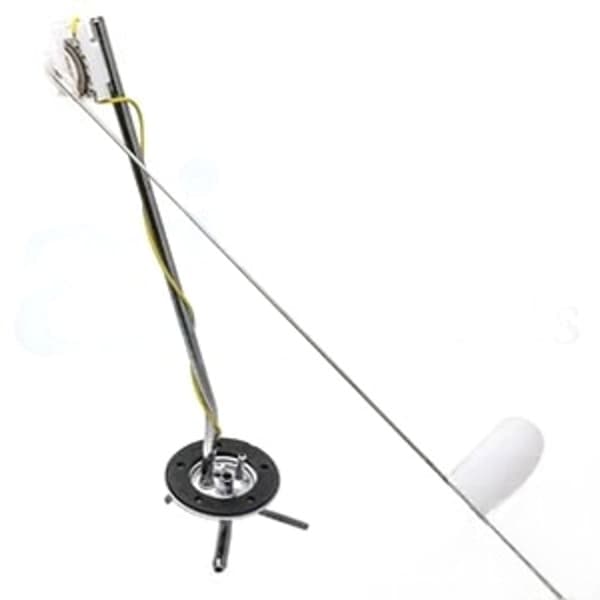
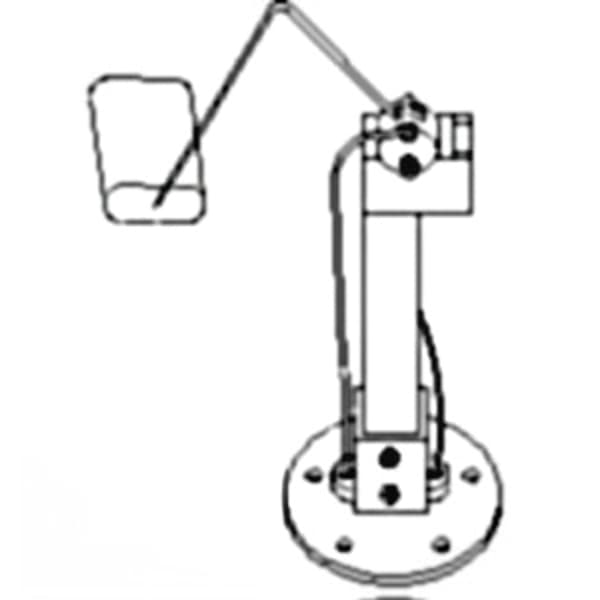
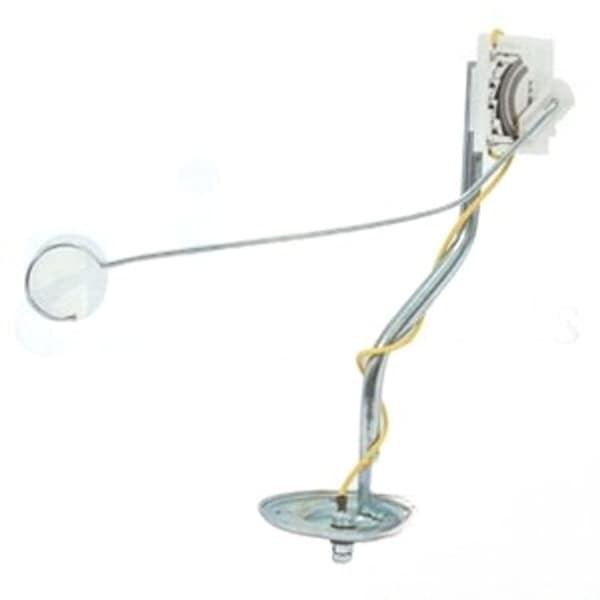
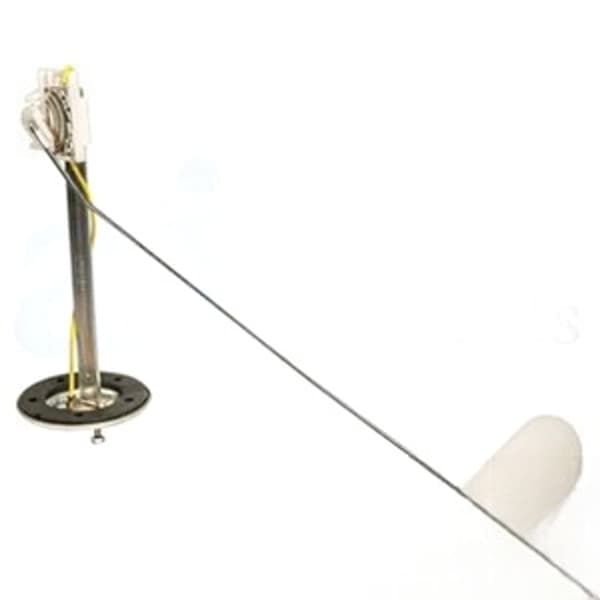
A reliable fuel gauge is crucial for efficient farm operations. Knowing your fuel level prevents unexpected downtime and keeps you working. The heart of this system is the tractor fuel sending unit, a simple yet vital component typically located inside the fuel tank. It measures the fuel level and transmits this information to the gauge on your tractor's dashboard. When your gauge isn't working correctly, it's time to troubleshoot the fuel sending unit.
Recommended Parts for This Guide
10 parts we recommend — in stock, ships fast, one-click add to cart.
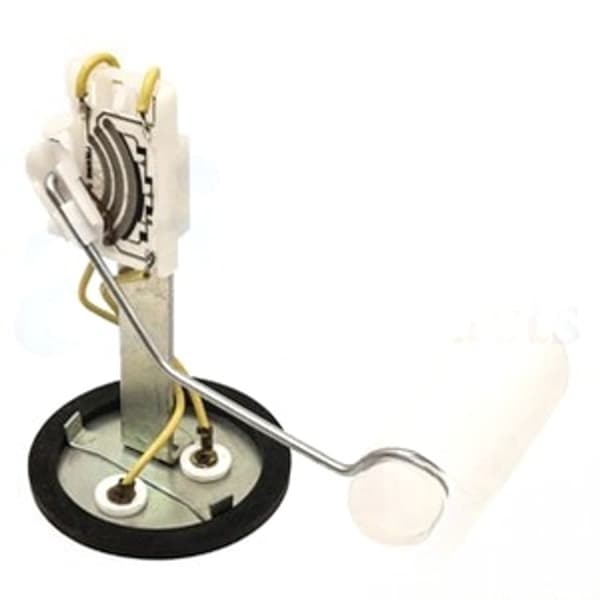
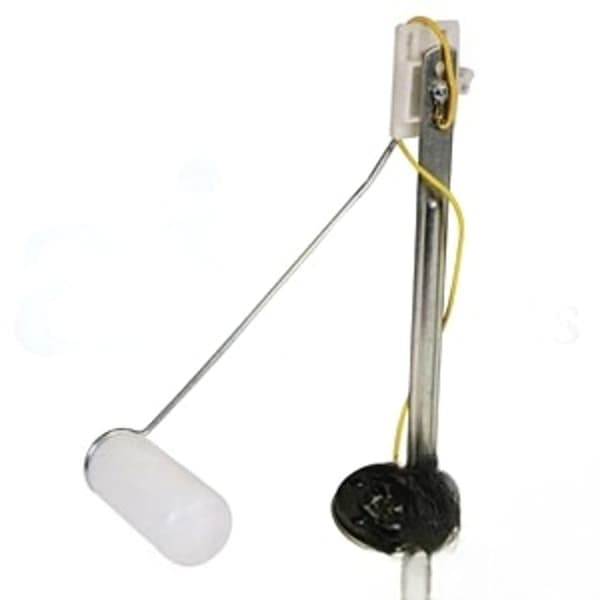
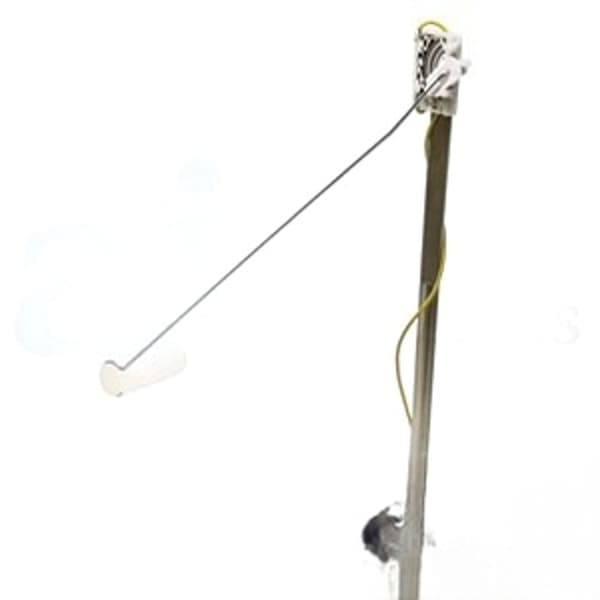
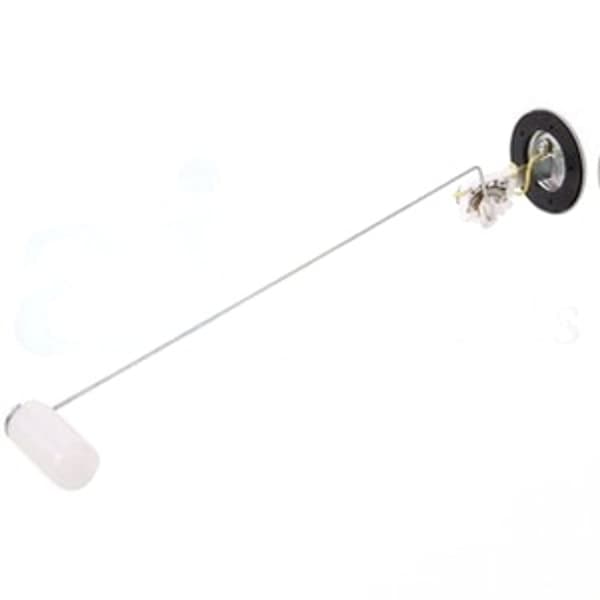
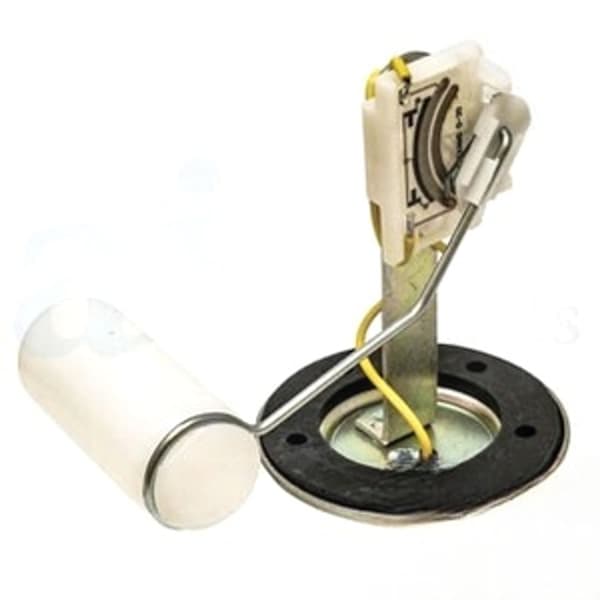
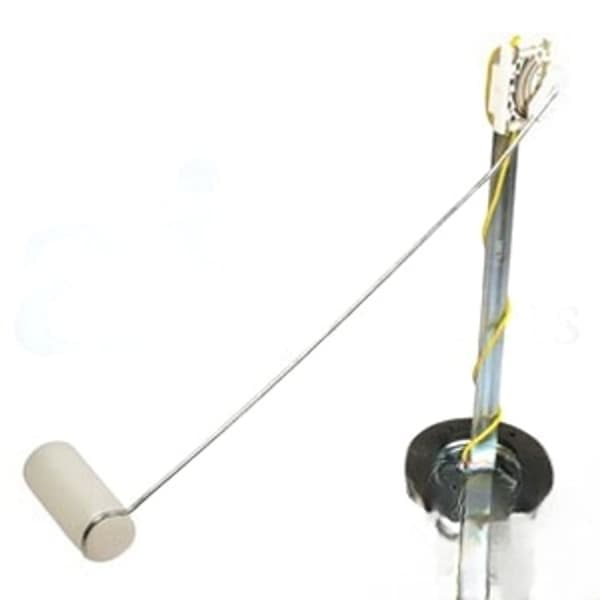
🔍 Looking for a specific part? Try our AI Part Finder — tell it your equipment and what you need, and it will find matching parts instantly.
At Madison Tractor Company, we understand the importance of keeping your machinery running. We stock a wide range of parts, including fuel sending units, fuel pumps, carburetorsinjectors, for all major brands, including John Deere, Case IH, Ford, New Holland, Massey Ferguson, Kubota, Allis Chalmers, Deutz, International Harvester, Oliver, White, Gleaner, Vermeer, Hesston, Mahindra Zetor. Whether you need a new fuel sending unit, fuel filter, or even a complete John Deere tractor carburetor, we've got you covered.
Common Symptoms of a Faulty Fuel Sending Unit
- Gauge reads empty when the tank is full This often indicates a problem with the sending unit's float or a broken wire.
- Gauge reads full when the tank is empty This could be a short circuit or a stuck float in the 'up' position.
- Gauge reads erratically Fluctuating readings often point to a corroded sending unit, a loose connection, or a damaged resistor.
- Gauge does not move at all This can result from a completely failed sending unit, a wiring issue, or a faulty gauge itself.
Safety First!
Before working on any fuel system component, take these safety precautions
- Disconnect the battery This prevents accidental sparks.
- Work in a well-ventilated area Fuel vapors are flammable and can be harmful.
- Have a fire extinguisher nearby Be prepared for potential fuel spills.
- Wear appropriate safety gear Gloves and eye protection are essential.
- Do not smoke or use open flames Keep all ignition sources away from the work area.
Diagnosis: Is it the Sending Unit or the Gauge?
Before replacing the fuel sending unit, confirm it's actually the problem. Here's how
- Visual Inspection Check the wiring and connections to the sending unit. Look for corrosion, loose wires, or damaged insulation. Clean any corrosion with a wire brush and electrical contact cleaner.
- Check the Ground Connection A poor ground is a common cause of fuel gauge problems. Ensure the sending unit is properly grounded to the tractor's frame. Clean the grounding point and reattach the ground wire securely.
- The 'Jumper Test' This is a simple test to bypass the sending unit. Disconnect the wire leading from the sending unit to the fuel gauge. Momentarily ground this wire to the tractor frame. If the fuel gauge now reads 'full,' the gauge and wiring are likely good, indicating a faulty sending unit. Caution: Do not leave the wire grounded for an extended period.
- Multimeter Test If you have a multimeter, you can test the sending unit's resistance. Disconnect the sending unit wires. Set the multimeter to measure ohms (resistance). Move the float arm (if accessible) and observe the resistance reading. The resistance should change smoothly and consistently as the float moves. If the resistance is erratic, jumps around, or doesn't change at all, the sending unit is likely faulty.
Replacing the Fuel Sending Unit: Step-by-Step
Once you've confirmed the sending unit is the problem, here's how to replace it. This process may vary slightly depending on your tractor model, but the general principles are the same.
- Drain the Fuel Tank This is essential for safety and prevents fuel spillage. Use a siphon or a fuel drain valve (if equipped). Dispose of the fuel properly.
- Access the Sending Unit The sending unit is usually accessed through an opening on top of the fuel tank. It may be held in place by screws, a retaining ring, or a bayonet-style fitting.
- Disconnect the Wiring Carefully disconnect the wires from the sending unit. Note their positions to ensure proper reconnection.
- Remove the Old Sending Unit Gently remove the old sending unit from the tank. Be careful not to damage the fuel tank or any other components.
- Install the New Sending Unit Install the new sending unit, ensuring the gasket or seal is properly seated. Use a new gasket if necessary.
- Reconnect the Wiring Reconnect the wires to the sending unit, matching the positions noted earlier.
- Secure the Sending Unit Secure the sending unit using the screws, retaining ring, or bayonet fitting. Tighten securely, but avoid overtightening.
- Refill the Fuel Tank Refill the fuel tank with clean fuel.
- Test the Fuel Gauge Turn on the ignition and check the fuel gauge reading. It should now reflect the fuel level in the tank.
Specific Examples and Part Numbers
- Ford 8N, 9N 2N Tractors These classic tractors often use a simple float-type sending unit. A common replacement part number is. Before installing, ensure compatibility with your specific fuel tank depth. While you're working on the fuel system, consider checking the Ford Tractor Carburetor as well.
- John Deere Model A and B Tractors These older John Deere models also utilize relatively simple fuel sending units. Check for corrosion around the terminals. If you're having other fuel-related issues, look at the John Deere Tractor Fuel Pump.
- Massey Ferguson 35 and 135 Tractors These tractors may use a sending unit with a slightly more complex resistor network. A common issue is a worn float arm. Verify the Massey Ferguson Carburetor is functioning well too.
- Case IH / International Harvester For older Farmall models like the H and M, corrosion is the biggest enemy. Clean all connections thoroughly. Consider also inspecting the Farmall Carburetor.
Note: Always verify the specific part number for your tractor model and year using your tractor's parts manual or by contacting Madison Tractor Company with your model and serial number.
Preventative Maintenance
To extend the life of your fuel sending unit and prevent future problems
- Use clean fuel Contaminated fuel can corrode the sending unit.
- Keep the fuel tank full (especially during storage) This helps prevent condensation and corrosion.
- Regularly inspect the wiring and connections Look for signs of corrosion or damage.
- Consider using a fuel stabilizer This is especially important for tractors that are stored for extended periods.
Beyond the Sending Unit: Other Fuel System Considerations
While you're addressing fuel gauge issues, it's a good time to inspect other components of your tractor's fuel system. Check the fuel lines, fuel filter fuel pump. A clogged fuel filter or a weak fuel pump can also cause performance problems. If your tractor has a carburetor, ensure it's properly adjusted and clean. For diesel engines, check the tractor diesel injectors for proper spray patterns. Consider replacing wear items like fuel filters and hoses at regular intervals. Don't forget to check other maintenance items too: radiators, water pumps, starters, alternators, hydraulic pumps, cylinders, clutch kits, PTO parts, filters, gaskets, pistons, bearings, seals belts.
Conclusion
A properly functioning fuel gauge is an essential part of keeping your tractor running smoothly and efficiently. By understanding the components, troubleshooting common issues performing regular maintenance, you can ensure accurate fuel readings and avoid unexpected downtime. If you need a replacement tractor fuel sending unit or any other tractor parts, Madison Tractor Company is here to help.
Shop Tractor Parts at Madison Tractor
At Madison Tractor Company, we offer a wide selection of high-quality parts for all major tractor brands, including John Deere, Case IH, Ford, New Holland, Massey Ferguson more. We have everything you need to keep your farm equipment running smoothly, from fuel pumps and carburetors to radiators, filtersgaskets. Browse our online catalog or contact our knowledgeable staff for assistance finding the right parts for your specific needs. We're committed to providing exceptional customer service and competitive prices. Shop with confidence at Madison Tractor Company! You can also use our AI-Powered Part Finder to search for parts by your specific make and model.
Part of our comprehensive guide
Tractor Fuel System Guide: Carburetor, Injection & Fuel Pump Parts