








Tractor Fuel Shutoff Solenoid: Diesel Shut Off Valve
A tractor fuel shutoff solenoid, also known as a diesel shut off valve, is a crucial component in your tractor's fuel system. This article explains how it works, common problems, and how to troubleshoot issues to keep your equipment running smoothly.
Introduction to Tractor Fuel Shutoff Solenoids
The tractor fuel shutoff solenoid, or diesel shut off valve, is an electrically operated valve that controls the flow of fuel to the engine. Its primary function is to stop the engine when the ignition is switched off, preventing run-on. This is especially important for diesel engines. Understanding how this part works and how to troubleshoot problems is crucial for maintaining your tractor's performance. This article focuses on the *tractor fuel shutoff solenoid*, but it's important to understand how this component fits into the larger Tractor Fuel System.
Recommended Parts for This Guide
10 parts we recommend — in stock, ships fast, one-click add to cart.
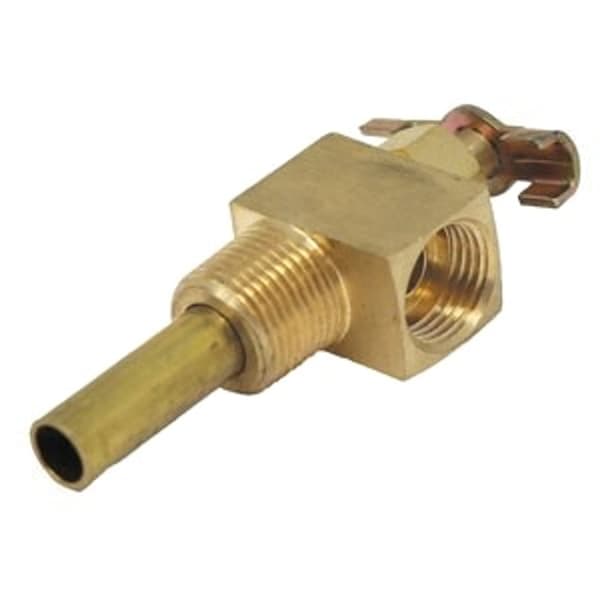
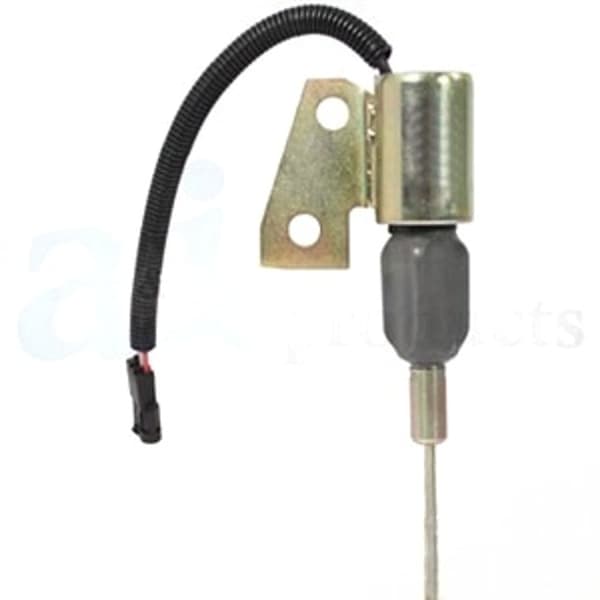
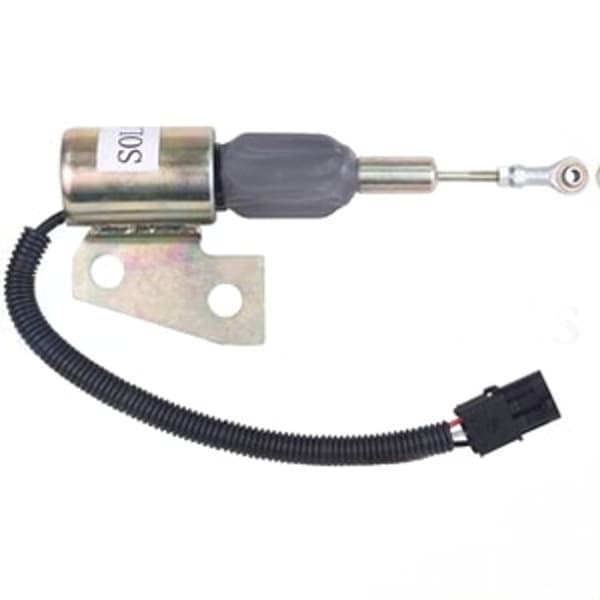
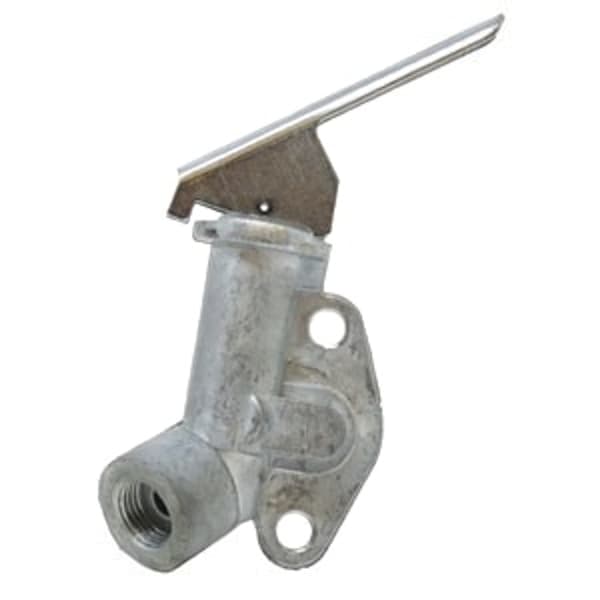
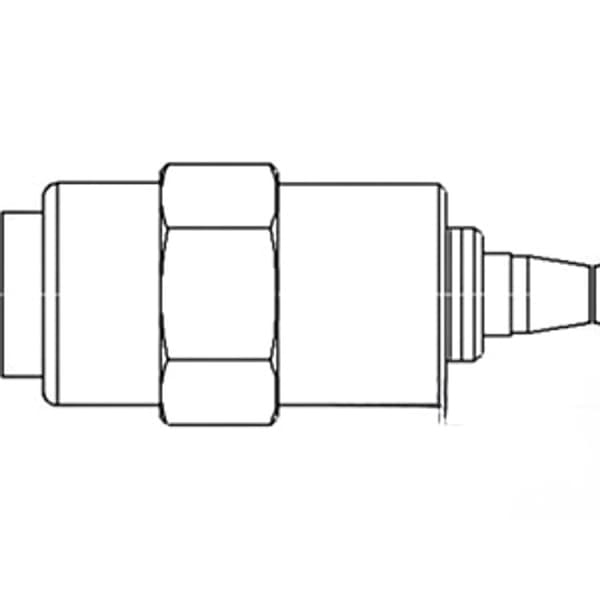
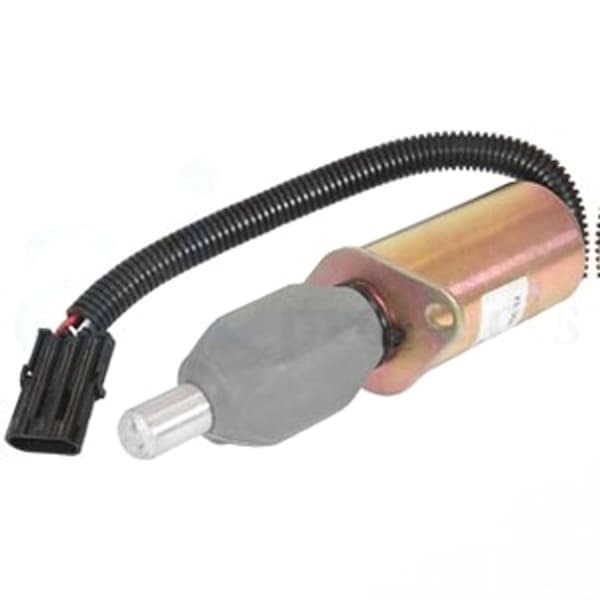
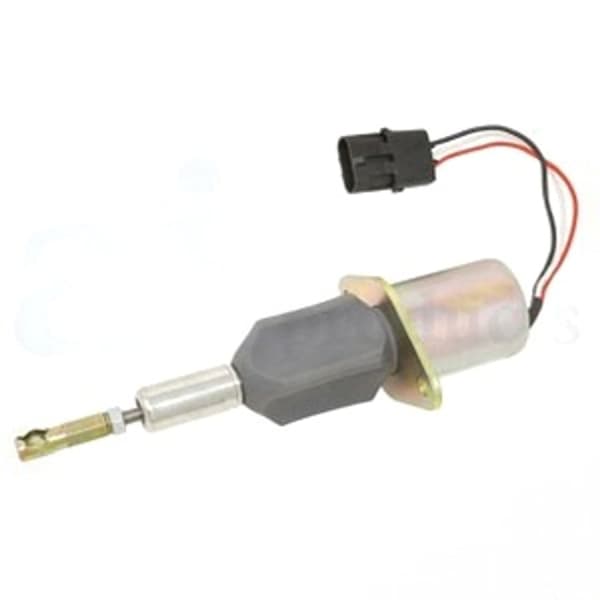
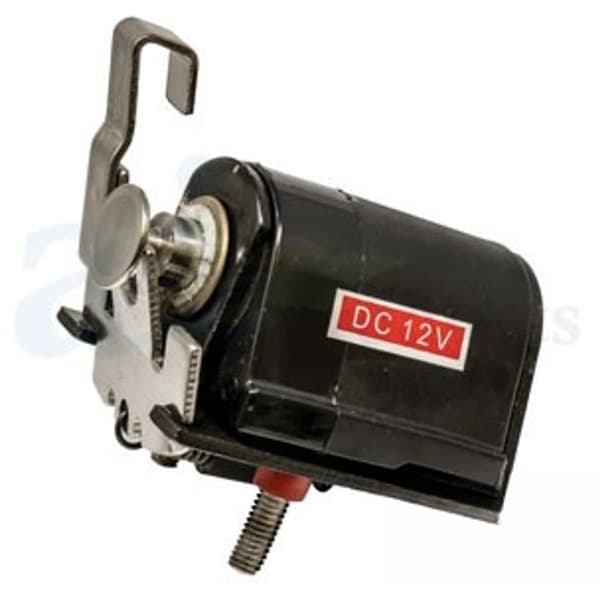
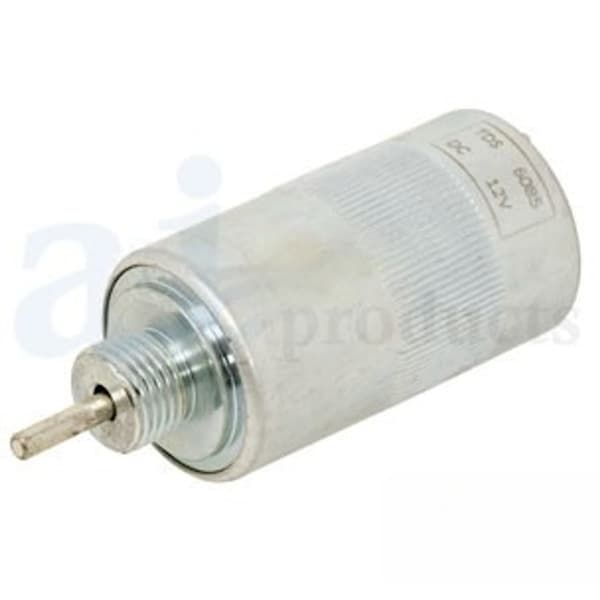
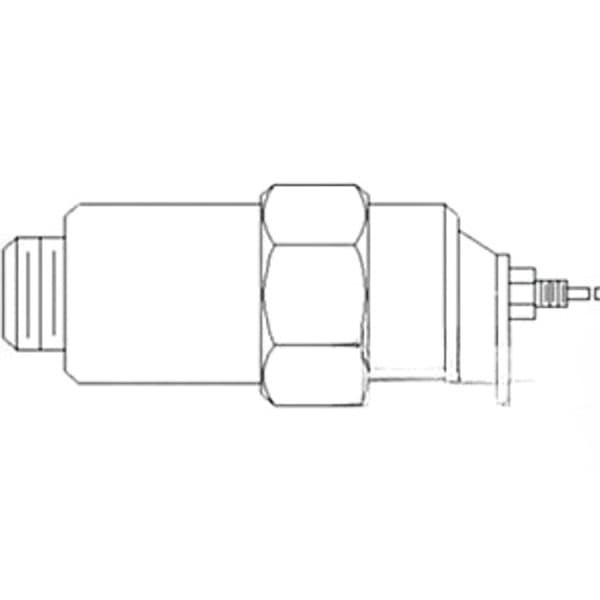
🔍 Looking for a specific part? Try our AI Part Finder — tell it your equipment and what you need, and it will find matching parts instantly.
How a Fuel Shutoff Solenoid Works
Typically, a fuel shutoff solenoid consists of a coil, a plunger a valve. When the ignition is turned on, power is supplied to the solenoid coil. This creates an electromagnetic field that pulls the plunger, opening the fuel valve. When the ignition is switched off, the power is cut, the electromagnetic field collapses a spring pushes the plunger back, closing the fuel valve and stopping the fuel flow to the tractor diesel injector. This process is simple but critical for proper engine operation.
Common Problems with Fuel Shutoff Solenoids
Several issues can arise with fuel shutoff solenoids. Identifying these problems early can prevent more significant engine damage. Here are some common problems
- Solenoid Failure The solenoid coil can burn out, preventing it from opening or closing the fuel valve.
- Mechanical Failure The plunger can become stuck due to dirt, debris, or corrosion.
- Electrical Issues Wiring problems, such as loose connections or damaged wires, can prevent the solenoid from receiving power.
- Incorrect Voltage Supplying the incorrect voltage (usually 12V or 24V) to the solenoid can damage it.
- Fuel Contamination Dirty fuel can cause the valve to stick. Ensure you are using clean fuel and maintaining your filters.
Troubleshooting a Faulty Fuel Shutoff Solenoid
Follow these steps to diagnose a faulty fuel shutoff solenoid
- Visual Inspection Check the solenoid for any visible damage, such as cracks or corrosion. Inspect the wiring for loose connections or damage.
- Voltage Test Use a multimeter to check if the solenoid is receiving power when the ignition is turned on. If there is no power, check the wiring, fuses ignition switch.
- Ground Test Make sure the ground wire from the solenoid is properly grounded to the frame. Use a multimeter to check continuity.
- Solenoid Activation If the solenoid is receiving power, try manually activating it. You should hear a distinct “click” when the solenoid is energized. If you don’t hear a click, the solenoid is likely faulty.
- Valve Check Disconnect the fuel line from the solenoid and manually open the valve (if possible) to check for fuel flow. If there is no fuel flow, the valve may be blocked or the tractor fuel pump may be faulty.
- Resistance Test With the solenoid disconnected, use a multimeter to measure the resistance across the solenoid terminals. A reading of zero or infinite resistance indicates a faulty solenoid. Compare your reading to the manufacturer’s specifications.
Safety Warning When working with fuel systems, always disconnect the battery to prevent accidental sparks. Work in a well-ventilated area have a fire extinguisher nearby.
Replacing a Fuel Shutoff Solenoid
If you've determined that the fuel shutoff solenoid is faulty, replacing it is usually the best course of action. Here's a general guide
- Disconnect the Battery Always disconnect the negative terminal of the battery before starting any electrical work.
- Locate the Solenoid The fuel shutoff solenoid is typically located on the fuel injection pump shutoff or the fuel line near the engine.
- Disconnect the Wiring Carefully disconnect the wiring from the solenoid. Label the wires to ensure correct reconnection.
- Remove the Old Solenoid Unscrew the solenoid from the fuel pump or fuel line. Be prepared for some fuel spillage.
- Install the New Solenoid Screw the new solenoid into place, ensuring a tight seal. Use Teflon tape or a fuel-resistant sealant on the threads if necessary.
- Reconnect the Wiring Reconnect the wiring to the solenoid, matching the labels.
- Reconnect the Battery Reconnect the negative terminal of the battery.
- Test the System Start the engine and check for proper operation. Ensure the engine shuts off when the ignition is switched off.
Specific Brands and Models
Fuel shutoff solenoids vary depending on the make and model of your tractor. Here are some examples
- John Deere For John Deere tractors, such as the 3020 or 4020, a common part number for the fuel shutoff solenoid. These solenoids are typically 12V. Also, be mindful of the correct John Deere tractor fuel pump for your specific model.
- Case IH For Case IH equipment, common fuel shutoff solenoids are available, such as 87420952.
- Ford/New Holland Many Ford tractors, including the 8N and the 3000 series, utilize a fuel shutoff system integrated with the Ford tractor carburetor. Newer New Holland models may use solenoids similar to other brands.
- Massey Ferguson For Massey Ferguson tractors such as the 135 or 240, look for solenoids with part numbers like 3641930M91. Ensure you match the voltage (12V or 24V) of your tractor's electrical system. Also ensure you are using the correct Massey Ferguson Carburetor.
- Kubota Kubota tractors often use proprietary solenoids. Check your owner's manual or Kubota parts catalog for the correct part number. Common Kubota models include the L3901 and L4701.
- Other Brands We also carry fuel shutoff solenoids for Allis Chalmers, Deutz, International Harvester, Oliver, White, Gleaner, Vermeer, Hesston, Mahindra Zetor tractors. Always verify the part number and voltage before ordering.
Preventative Maintenance
Regular maintenance can help prevent fuel shutoff solenoid problems. Here are some tips
- Use Clean Fuel Always use clean, high-quality fuel to prevent contamination of the fuel system.
- Regular Filter Changes Replace your fuel filters regularly to remove dirt and debris.
- Check Wiring Inspect the wiring and connections regularly for damage or corrosion.
- Protect from the Elements If possible, store your tractor indoors or under a cover to protect it from the elements.
Beyond the Solenoid: Complete Fuel System Health
While the fuel shutoff solenoid is a key component, it's just one part of your tractor's overall fuel system. Maintain your radiator to prevent overheating which can cause fuel vaporization issues. Ensure your fuel pump is operating within spec. For older tractors, rebuilding your Farmall carburetor (or another brand's carburetor) might be necessary. Address any issues with your tractor diesel injector or nozzles. By keeping the entire fuel system in good condition, you'll minimize problems and extend the life of your tractor.
Conclusion
The tractor fuel shutoff solenoid is a vital component for ensuring safe and efficient engine operation. By understanding how it works, troubleshooting common problems performing preventative maintenance, you can keep your tractor running smoothly for years to come. Remember to always follow safety precautions when working with fuel systems.
Need a replacement fuel shutoff solenoid or other tractor parts? Madison Tractor Company carries a wide selection of parts for John Deere, Case IH, Ford, New Holland, Massey Ferguson, Kubota many other brands. We have the hydraulic pumps, clutch kits, PTO parts, filters, gaskets, pistons, bearings, seals more to keep your equipment running at its best. Shop our selection today!
🔍 Can't Find Your Part?
Use our AI-Powered Part Finder to search by your equipment's make, model, and what you need. It's the fastest way to find the exact part for your machine.
Try the Part Finder →Part of our comprehensive guide
Tractor Fuel System Guide: Carburetor, Injection & Fuel Pump Parts