








Tractor Sediment Bowl: Fuel Strainer Glass Bowl & Gasket
The tractor sediment bowl, a crucial component of your fuel system, filters debris before it reaches the carburetor or injection system. This guide explains its function, maintenance, troubleshooting, and how to keep your tractor running smoothly.
What is a Tractor Sediment Bowl?
The sediment bowl, sometimes referred to as a fuel strainer or fuel filter bowl, is a critical component in your tractor's fuel system. Its primary function is to remove contaminants like dirt, rust, scale water from the fuel *before* it reaches the carburetor (in gasoline engines) or the fuel injectors (in diesel engines). Located in the fuel line, usually near the fuel tank outlet, the sediment bowl is designed to be easily accessible for regular cleaning and maintenance. A clean fuel supply is essential for optimal engine performance and longevity. Think of it as the first line of defense protecting your tractor's vital components.
Recommended Parts for This Guide
8 parts we recommend — in stock, ships fast, one-click add to cart.
🔍 Looking for a specific part? Try our AI Part Finder — tell it your equipment and what you need, and it will find matching parts instantly.
Why is a Sediment Bowl Important?
Without a functioning sediment bowl, contaminants would quickly clog your fuel filter, carburetor jets, or fuel injectors. This can lead to
- Poor engine performance: Hesitation, stalling reduced power.
- Difficult starting: Especially in cold weather.
- Increased fuel consumption: A clogged fuel system forces the engine to work harder.
- Damage to fuel system components: Contaminants can cause premature wear and failure of carburetors and injectors.
Regular sediment bowl maintenance is a simple and inexpensive way to prevent these problems and keep your tractor running smoothly. This is especially crucial for older tractors which may have rust or scale buildup in the fuel tank.
Sediment Bowl Components & Function
A typical tractor sediment bowl consists of the following parts
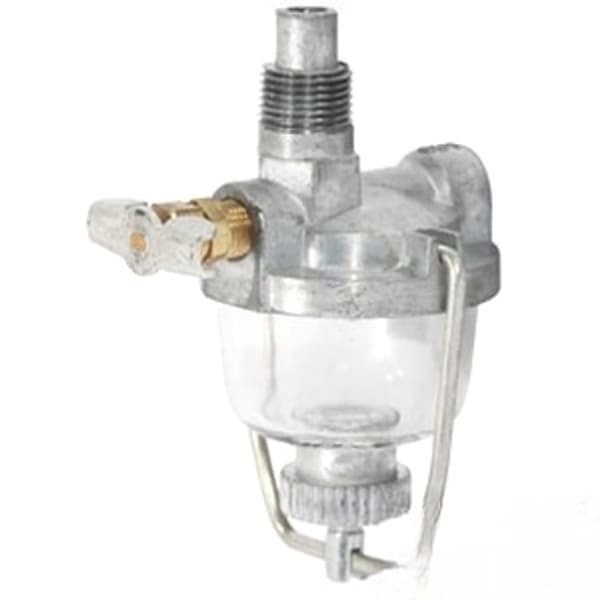
- The Bowl (Usually Glass or Clear Plastic) Allows visual inspection of the fuel for contaminants. The clear construction helps quickly identify water or sediment accumulation.
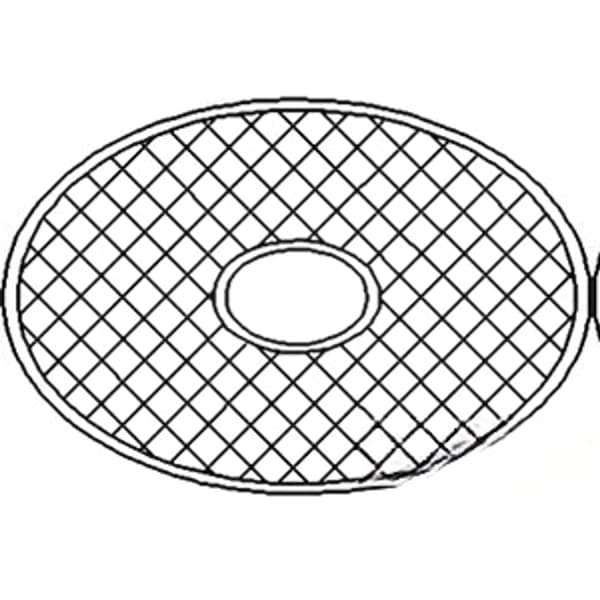
- The Filter Screen or Element Catches larger particles of dirt and debris. These can be made of mesh screen, sintered bronze, or paper.
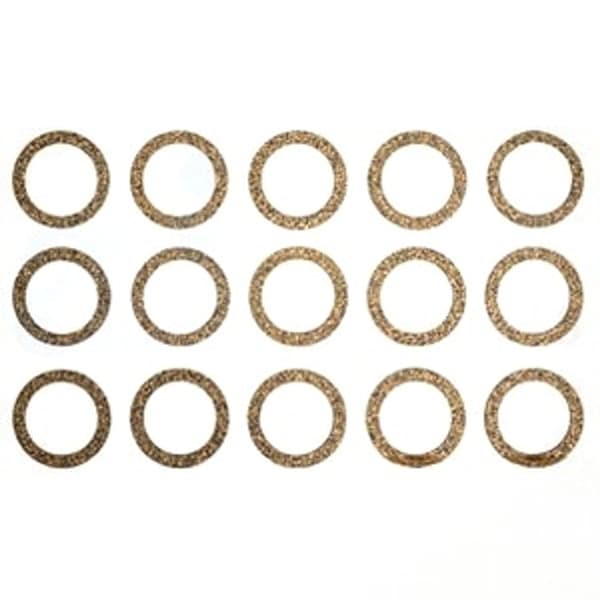
- The Gasket or Seal Prevents fuel leaks between the bowl and the housing.
- The Drain Plug (Optional) Allows for easy draining of the bowl to remove water and sediment.
- The Housing Typically made of metal and connects to the fuel line.
The fuel flows from the fuel tank, through the filter screen into the bowl. Heavier contaminants and water settle at the bottom of the bowl, while the clean fuel flows out of the top to the fuel pump and then to the carburetor or injectors.
Maintenance: Cleaning Your Tractor Sediment Bowl
Regular cleaning is essential. How often you clean your sediment bowl depends on factors such as fuel quality and the age of your tractor, but a good starting point is every 50-100 hours of operation or at least once a year.
Steps for Cleaning
- Safety First Ensure the engine is cool and shut off. Work in a well-ventilated area away from open flames or sparks.
- Shut Off Fuel Supply Locate the fuel shut-off valve (usually near the fuel tank) and close it to prevent fuel from flowing while you're working.
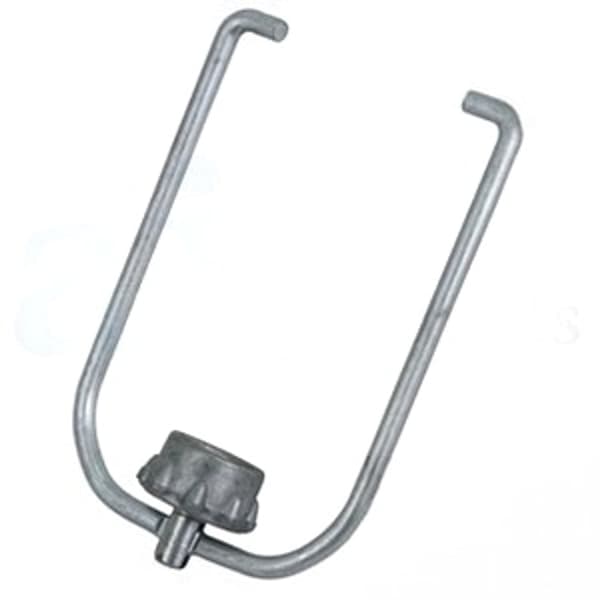
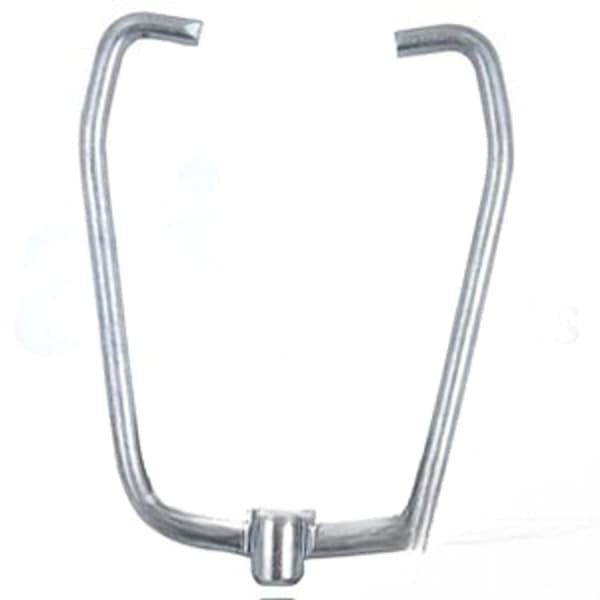
- Carefully Remove the Bowl Unscrew the retaining bolt or nut that secures the bowl to the housing. Be prepared for some fuel to spill. Have a container ready to catch it.
- Clean the Bowl Empty the bowl and clean it thoroughly with a clean rag and solvent. Inspect the bowl for cracks or damage. Replace it if necessary.
- Clean the Filter Screen Remove the filter screen or element from the housing. Clean it with solvent and a soft brush. If the screen is damaged or excessively clogged, replace it.
- Inspect the Gasket Check the gasket for cracks, swelling, or deterioration. A damaged gasket will cause leaks. Replace the gasket with a new one.
- Reassemble Reinstall the filter screen and bowl. Ensure the gasket is properly seated. Tighten the retaining bolt or nut securely, but do not overtighten, as this can damage the bowl or gasket.
- Open Fuel Supply Slowly open the fuel shut-off valve.
- Check for Leaks Inspect the sediment bowl for any fuel leaks. If leaks are present, tighten the retaining bolt/nut slightly or recheck the gasket seating. If leaks persist, the gasket or bowl may be damaged and need replacing.
Tip Keep a supply of replacement sediment bowl gaskets on hand. They're inexpensive and can save you time and frustration.
Troubleshooting: Common Problems & Solutions
Problem: Fuel Leakage
Possible Causes
- Damaged or improperly seated gasket.
- Cracked or damaged bowl.
- Loose retaining bolt or nut.
Solutions
- Replace the gasket.
- Replace the bowl.
- Tighten the retaining bolt/nut. Refer to your tractor's service manual for the correct torque specification if available.
Problem: Engine Stalling or Hesitation
Possible Causes
- Clogged filter screen.
- Water or sediment in the bowl blocking fuel flow.
- Air leak in the fuel line.
Solutions
- Drain and clean the bowl.
- Inspect fuel lines and connections for leaks.
Specific Brands & OEM Part Numbers
Madison Tractor Company carries a wide range of sediment bowls and replacement parts for most major tractor brands, including
- Ford/New Holland For the popular 8N, 9N, 2N, as well as the 2000, 3000, 4000 5000 series tractors. Common part numbers include 8N9155 for the sediment bowl assembly on many 8N/9N/2N models.
- Massey Ferguson For models like the TO20, TO30, 35, 135 others.
- Case IH/International Harvester Covering Farmall models such as the H, M, Super A, Cub the 300 series.
- Kubota For a variety of Kubota tractor models.
- Allis Chalmers, Deutz, Oliver, White, Gleaner, Vermeer, Hesston, Mahindra, Zetor We stock parts for these brands as well.
When searching for a replacement tractor sediment bowl or gasket, it's always best to have your tractor's model number and, if possible, the OEM part number. This will ensure you get the correct part for your machine.
Don't forget to check other components of your fuel system, such as the fuel pump and carburetor, when performing maintenance. Addressing multiple issues at once can save time and prevent future problems.
Fuel System Safety Tips
- Always work on the fuel system in a well-ventilated area to avoid inhaling fumes.
- Never smoke or work near open flames when working on the fuel system.
- Dispose of used fuel and cleaning solvents properly, following local regulations.
- If you are not comfortable working on the fuel system yourself, consult a qualified mechanic.
- Wear safety glasses to protect your eyes from fuel splashes.
Shop Tractor Sediment Bowls at Madison Tractor Company
At Madison Tractor Company, we understand the importance of keeping your tractor running reliably. That's why we offer a wide selection of high-quality tractor sediment bowls, gaskets other fuel system components for all major brands. We also carry a full range of other tractor parts including radiators, water pumps, starters, alternators, hydraulic pumps, cylinders, clutch kits, PTO parts, carburetors, injectors, filters, gaskets, pistons, bearings, seals more. Browse our online catalog today to find the parts you need to keep your tractor working its best! You can also use our AI-Powered Part Finder to search for parts by your specific make and model.
Part of our comprehensive guide
Tractor Fuel System Guide: Carburetor, Injection & Fuel Pump Parts