








Tractor Fuel Line: Rubber, Steel & Braided Hose Sizes
Selecting the correct tractor fuel line is crucial for reliable performance. This guide covers materials, sizes, and installation best practices for rubber, steel, and braided hoses, ensuring your fuel system delivers optimal performance and safety.
Introduction to Tractor Fuel Lines
The tractor fuel line is a critical component of your tractor's fuel system, responsible for delivering fuel from the fuel tank to the engine, whether it's a carbureted system (such as a strainer to carburetor fuel line or sediment bowl to carburetor line) drawing from a tractor fuel pump or a high-pressure diesel injection system, such as an injection pump to rail line or a common rail fuel line. Other specialized lines include a fuel return line and an anti-rattler fuel line (which typically goes between the main fuel line and the tank). A compromised fuel line can lead to fuel leaks, poor engine performance, and even dangerous situations. Understanding the different types of fuel lines, their sizes, and proper installation techniques is essential for maintaining your tractor's reliability. This guide will provide you with the knowledge you need to choose the right fuel line for your tractor and install it safely.
Recommended Parts for This Guide
10 parts we recommend — in stock, ships fast, one-click add to cart.
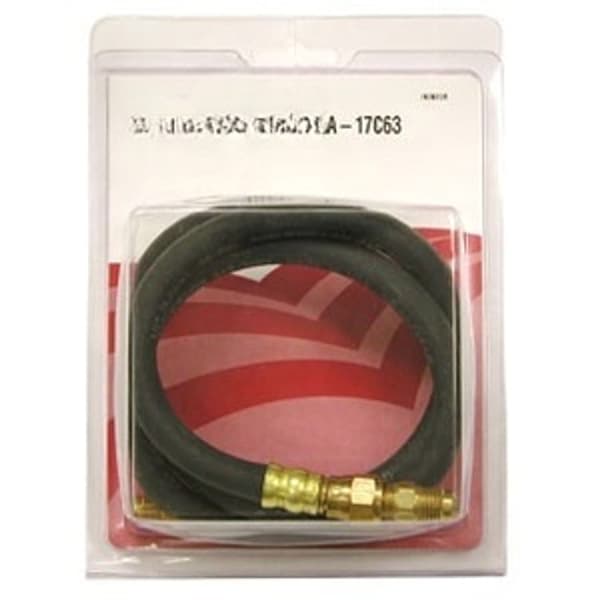
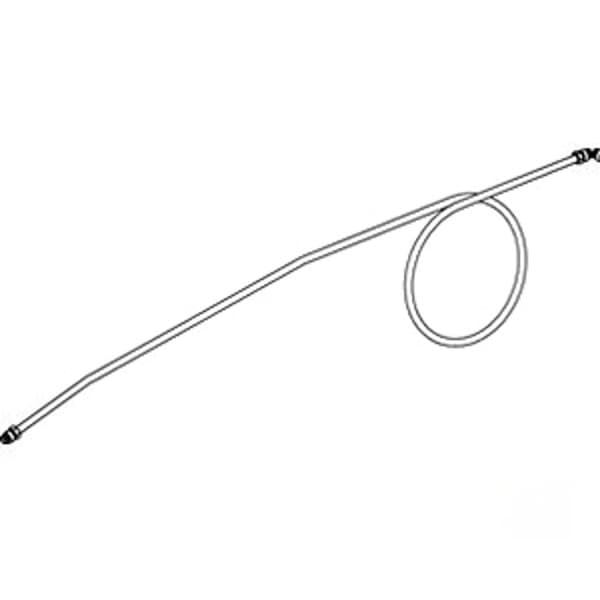
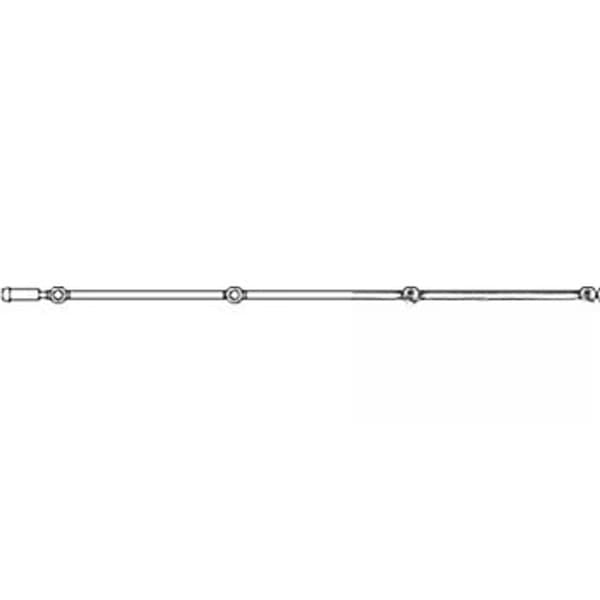
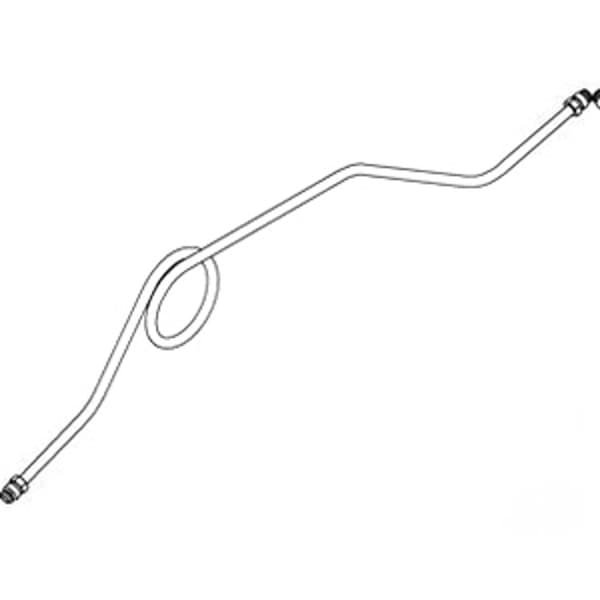
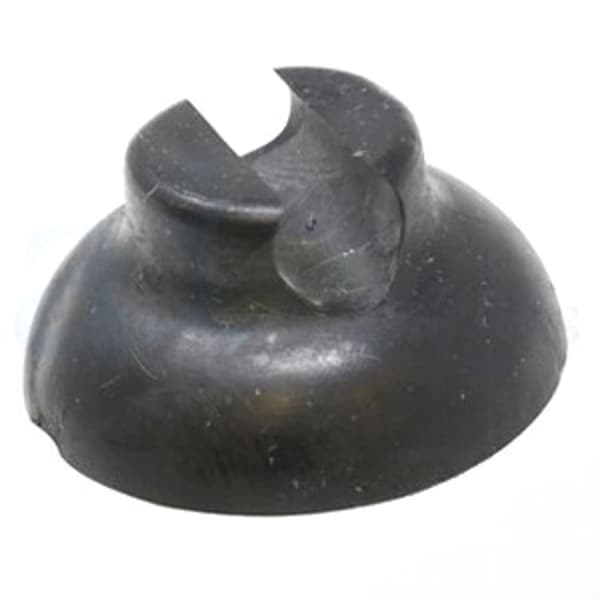
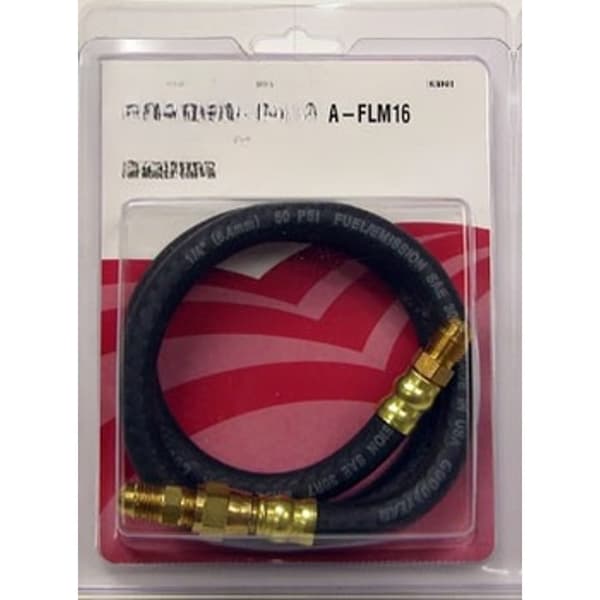
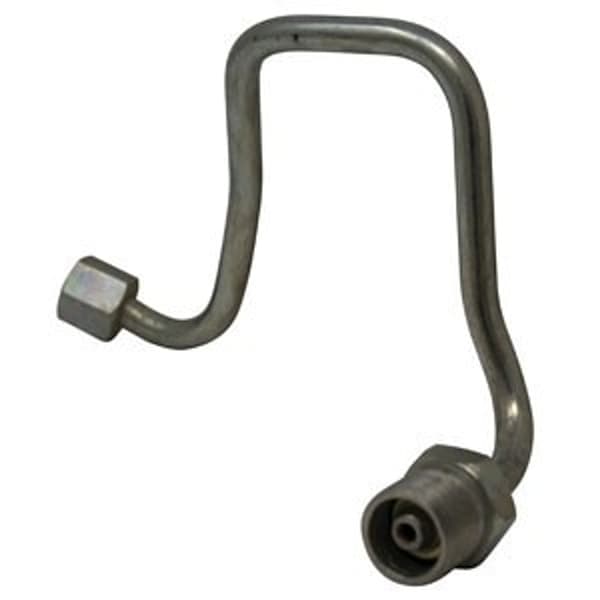
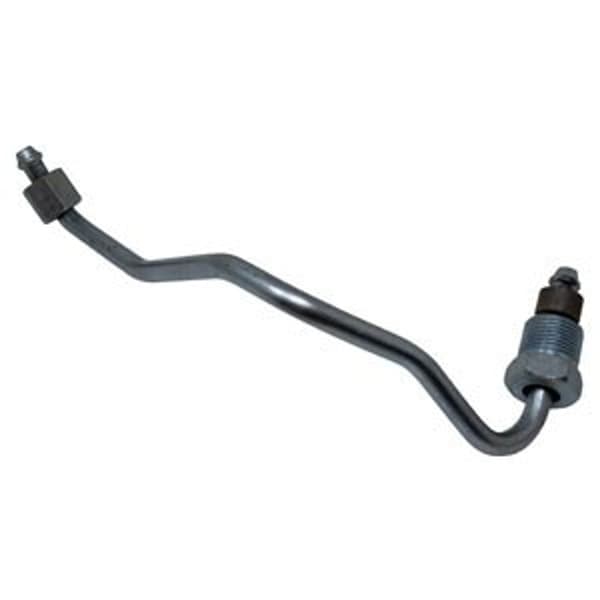
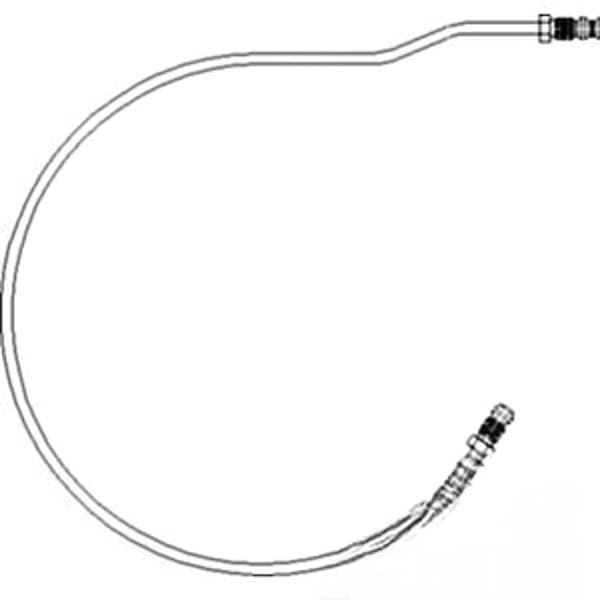
🔍 Looking for a specific part? Try our AI Part Finder — tell it your equipment and what you need, and it will find matching parts instantly.
At Madison Tractor Company, we understand the importance of quality parts. That's why we offer a wide selection of fuel lines and related components for all major tractor brands, including John Deere, Case IH, Ford, New Holland, Massey Ferguson, Kubota, Allis Chalmers, Deutz, International Harvester, Oliver, White, Gleaner, Vermeer, Hesston, Mahindra, and Zetor. Whether you need a simple rubber hose or a high-pressure braided line, we have the parts you need to keep your tractor running smoothly.
Materials: Rubber, Steel & Braided Hose
Tractor fuel lines are commonly made from three main materials: rubber, steel, and braided hose. Each material has its own advantages and disadvantages, making it suitable for different applications.
Rubber Fuel Lines
Rubber fuel lines are the most common type of fuel line found on tractors. They are flexible, easy to install, and relatively inexpensive. However, rubber fuel lines are susceptible to degradation from exposure to fuel, oil, heat, and ozone. Over time, rubber fuel lines can become brittle, cracked, and leaky. Modern rubber fuel lines are often made from synthetic materials like nitrile rubber, which offers improved resistance to these factors.
When selecting a rubber fuel line, make sure it is specifically designed for fuel service. Look for markings on the hose indicating its compatibility with gasoline, diesel, or other fuels. Using the wrong type of rubber hose can lead to premature failure and fuel leaks. Also, consider the operating pressure of your fuel system when choosing a rubber fuel line. For example, older tractors with gravity-fed fuel systems may only require low-pressure fuel lines, while newer tractors with tractor fuel pumps require higher-pressure lines.
Steel Fuel Lines
Steel fuel lines are more durable and resistant to degradation than rubber fuel lines. They are commonly used in areas where the fuel line is exposed to high temperatures or abrasion. Steel fuel lines are also less likely to leak than rubber fuel lines, making them a good choice for high-pressure fuel systems.
However, steel fuel lines are less flexible than rubber fuel lines, which can make them more difficult to install. They are also more prone to corrosion, especially in humid environments. To prevent corrosion, steel fuel lines are often coated with a protective layer of zinc or other material. If you are replacing a steel fuel line, be sure to use a replacement line that is properly coated.
When working with steel fuel lines, use caution not to kink or bend them excessively, as this can weaken the line and lead to leaks. Use specialized tools for bending and flaring steel fuel lines to ensure proper connections. For pre-formed rigid solutions, consider a fuel line tube assembly.
Braided Fuel Lines
Braided fuel lines offer the best combination of durability, flexibility, and resistance to degradation. They consist of a rubber or synthetic inner hose surrounded by a braided stainless steel outer layer. The braided outer layer provides strength and protection against abrasion, while the inner hose provides a fuel-tight seal.
Braided fuel lines are commonly used in high-performance applications, such as racing tractors or tractors with modified engines. They are also a good choice for tractors that operate in harsh environments, where the fuel lines are exposed to extreme temperatures or corrosive chemicals. These are common on high-horsepower farm equipment like combines from Gleaner and harvesting equipment from Vermeer and Hesston.
Braided fuel lines are more expensive than rubber or steel fuel lines, but their increased durability and performance can make them a worthwhile investment. When installing braided fuel lines, be sure to use compatible fittings and follow the manufacturer's instructions carefully.
Fuel Line Sizes and Fittings
Tractor fuel lines come in a variety of sizes, typically measured by their inner diameter (ID). The correct size fuel line for your tractor will depend on the engine's fuel requirements and the size of the fuel fittings. Common fuel line sizes for tractors include 1/4 inch, 5/16 inch, and 3/8 inch. Always consult your tractor's service manual or parts catalog to determine the correct fuel line size for your specific model. Madison Tractor Company can help you determine this if you have trouble. Our parts experts are on standby ready to assist you!
Fuel fittings are used to connect the fuel line to the fuel tank, fuel pump, carburetor, or fuel injectors. Common types of fuel fittings include barbed fittings, compression fittings, and threaded fittings. The type of fitting you need will depend on the type of fuel line you are using and the connections on your tractor's fuel system.
When selecting fuel fittings, make sure they are compatible with the fuel line material and the type of fuel you are using. Using incompatible fittings can lead to leaks and fuel system problems. Also, be sure to use the correct size fitting for the fuel line. Using a fitting that is too small can restrict fuel flow, while using a fitting that is too large can lead to leaks. For added sealing and protection, consider using a fuel line sleeve.
Tip: When replacing fuel lines and fittings, it's often a good idea to replace the fuel filter as well. A clogged fuel filter can restrict fuel flow and cause poor engine performance. Madison Tractor Company carries a wide selection of fuel filters for all major tractor brands.
Installation and Safety Tips
Installing a new fuel line on your tractor is a relatively straightforward task, but it's important to follow proper safety precautions to prevent accidents. Here are some tips for installing a tractor fuel line safely and effectively:
- Disconnect the battery: Before working on the fuel system, disconnect the negative battery cable to prevent accidental sparks.
- Work in a well-ventilated area: Fuel vapors are flammable and can be harmful to breathe. Work in a well-ventilated area and avoid smoking or using open flames.
- Drain the fuel tank: If possible, drain the fuel tank before disconnecting the fuel lines. This will minimize fuel spillage and reduce the risk of fire.
- Use the correct tools: Use the correct tools for the job, such as fuel line disconnect tools, wrenches, and pliers. Avoid using makeshift tools that could damage the fuel lines or fittings.
- Tighten fittings properly: Tighten all fuel fittings to the manufacturer's specified torque. Overtightening can damage the fittings, while undertightening can lead to leaks. Refer to your tractor's service manual for torque specifications.
- Inspect for leaks: After installing the new fuel line, start the engine and inspect for leaks. Use a soapy water solution to check for leaks around the fittings. If you find any leaks, tighten the fittings or replace the fuel line as needed.
Safety Warning: Always handle fuel with care. Fuel is flammable and can be harmful if swallowed or inhaled. Wear appropriate protective gear, such as gloves and eye protection, when working with fuel.
Troubleshooting Common Fuel Line Problems
Even with proper maintenance, tractor fuel lines can develop problems over time. Here are some common fuel line problems and how to troubleshoot them:
- Fuel leaks: Fuel leaks are a common problem with rubber fuel lines. They can be caused by cracks, tears, or loose fittings. Inspect the fuel lines regularly for leaks and replace them as needed.
- Clogged fuel lines: Fuel lines can become clogged with dirt, rust, or debris. This can restrict fuel flow and cause poor engine performance. Clean or replace clogged fuel lines as needed.
- Collapsed fuel lines: Rubber fuel lines can collapse under vacuum, especially if they are old or damaged. This can restrict fuel flow and cause the engine to stall. Replace collapsed fuel lines with new, reinforced fuel lines.
- Air leaks: Air leaks in the fuel line can cause the engine to run rough or stall. Inspect the fuel lines and fittings for air leaks and tighten or replace them as needed.
If you are experiencing fuel system problems, it's important to diagnose the problem accurately before replacing any parts. Consult your tractor's service manual or a qualified mechanic for assistance. Madison Tractor Company’s expert parts staff may also be able to assist you diagnose issues and make educated recommendations for parts replacement. For example, a John Deere fuel pump issue might manifest as a fuel line problem, so it’s important to consider the entire system.
Specific Brand Considerations
While the general principles of fuel line selection and maintenance apply to all tractors, there are some brand-specific considerations to keep in mind.
- John Deere: John Deere tractors often use specific fuel line fittings and sizes. Refer to the John Deere parts catalog for the correct part numbers.
- Ford/New Holland: Ford and New Holland tractors may have unique fuel line routing configurations. Pay attention to the original routing when replacing fuel lines.
- Massey Ferguson: Massey Ferguson tractors, especially older models, may use specific fuel line clamps and supports. Be sure to reuse or replace these clamps to prevent the fuel lines from rubbing against other components. Ensure your Massey Ferguson Carburetor has a solid fuel supply.
- Case IH/International Harvester: Case IH and International Harvester tractors may use steel fuel lines in areas exposed to high temperatures. Replace these lines with steel or braided fuel lines for optimal durability.
Madison Tractor Company carries a wide selection of OEM and aftermarket fuel lines for all major tractor brands. We can help you find the correct fuel line for your specific tractor model.
Other Relevant Parts to Inspect or Replace
When working on your tractor's fuel system, consider inspecting or replacing other related parts, such as:
- Fuel tank
- Fuel cap
- Fuel pump
- Carburetor or fuel injectors
- Fuel filter
- Fuel sending unit
- Fuel shut-off valve
Replacing these parts at the same time can help ensure the long-term reliability of your tractor's fuel system. Madison Tractor Company offers a complete selection of fuel system parts for all major tractor brands.
Shop Tractor Fuel Lines at Madison Tractor Company
A properly functioning fuel line is essential for the reliable operation of your tractor. By understanding the different types of fuel lines, their sizes, and proper installation techniques, you can keep your tractor running smoothly for years to come. At Madison Tractor Company, we are committed to providing you with the highest quality parts and expert advice to help you maintain your agricultural equipment. Browse our extensive selection of tractor fuel lines and related components today, and experience the Madison Tractor Company difference! You can also use our AI-Powered Part Finder to search for parts by your specific make and model.
Part of our comprehensive guide
Tractor Fuel System Guide: Carburetor, Injection & Fuel Pump Parts