








Tractor Brake Disc & Shoe: Wet & Dry Brake Parts
This guide covers tractor brake discs and shoes, explaining the differences between wet and dry brake systems and providing maintenance tips to keep your tractor stopping safely. Find replacement parts at Madison Tractor!
A properly functioning brake system is critical for the safe operation of any tractor. Whether you're working in the field, transporting equipment, or simply maneuvering around the farm, reliable brakes are essential. This guide will cover the basics of tractor brake discs and shoes, focusing on both wet and dry brake systems. We'll discuss the different types, common problems, maintenance tips, and where to find the right replacement parts for your machine.
Recommended Parts for This Guide
10 parts we recommend — in stock, ships fast, one-click add to cart.
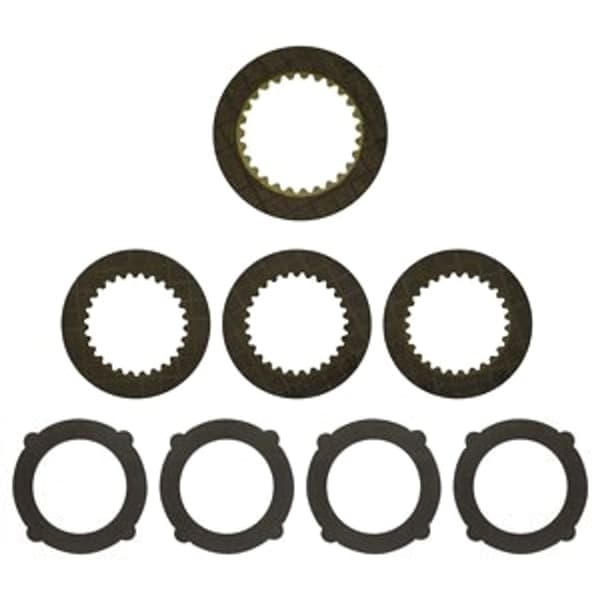
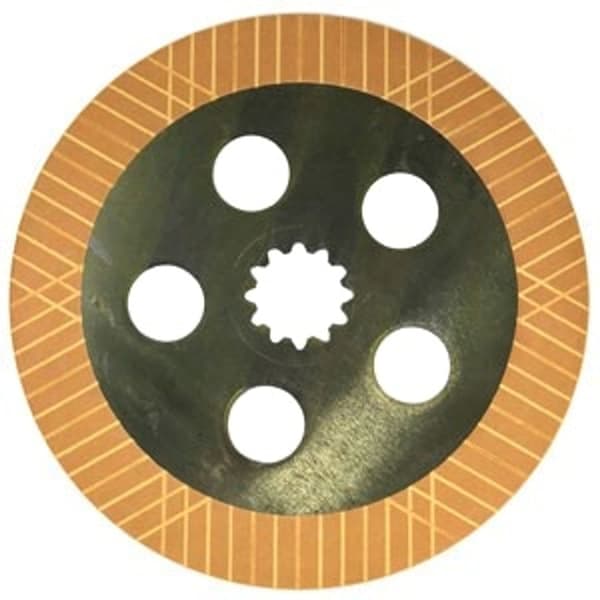
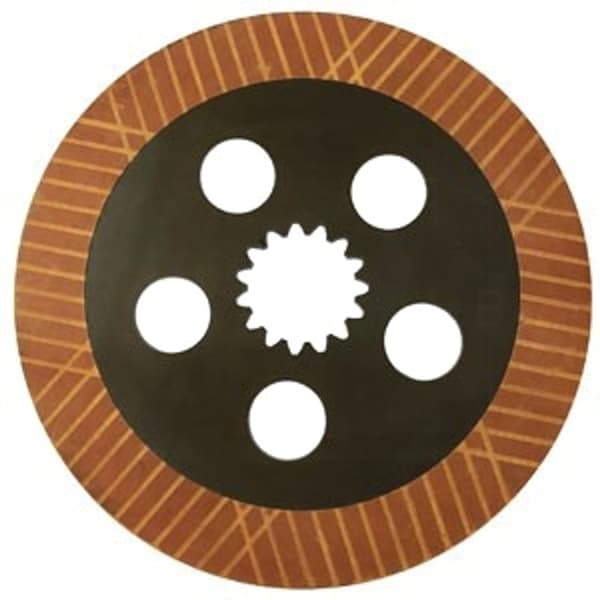
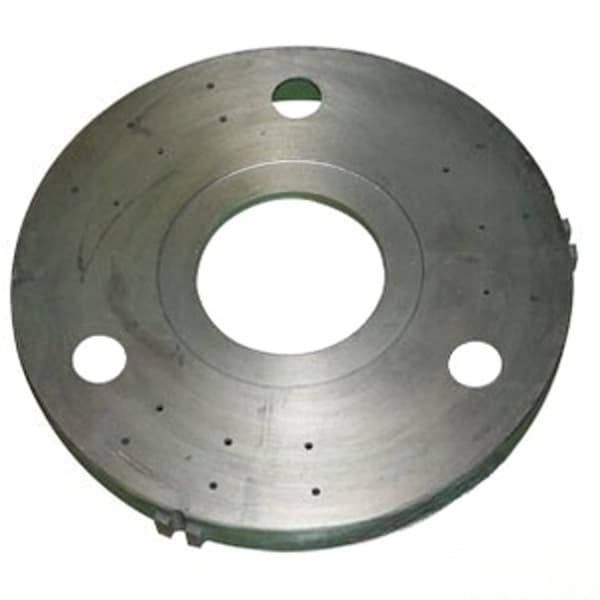
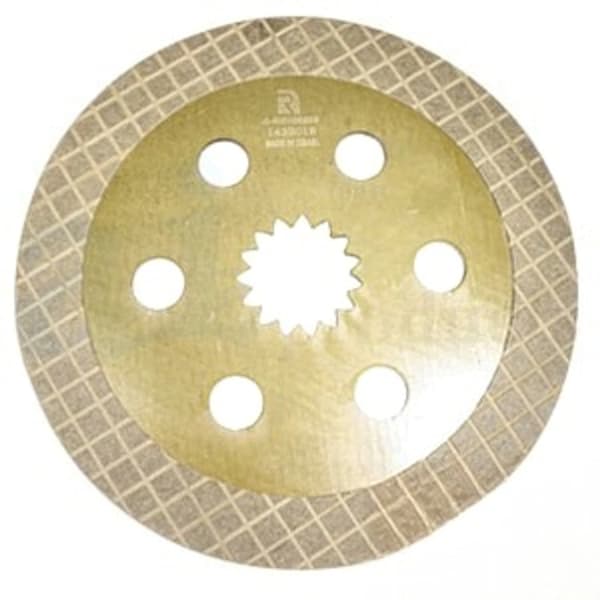
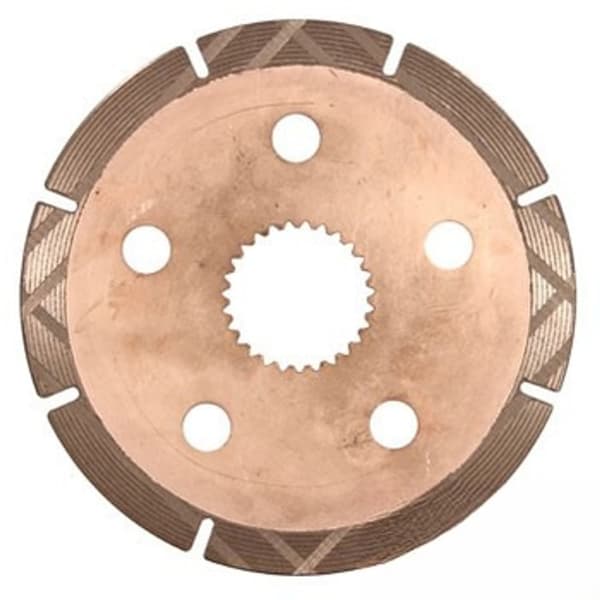
🔍 Looking for a specific part? Try our AI Part Finder — tell it your equipment and what you need, and it will find matching parts instantly.
Understanding Tractor Brake Systems
Tractor brake systems are designed to provide reliable stopping power, even under demanding conditions. Unlike car brakes, which are typically dry disc or drum brakes, tractors often use a combination of dry and wet brake systems, depending on the make, model, and year of manufacture. Understanding the differences between these systems is key to proper maintenance and repair.
Dry Brake Systems
Dry brake systems are similar to those found in cars and trucks. They consist of brake shoes or pads that press directly against a rotating drum or disc. Here's a breakdown:
- Components: These systems typically include brake shoes (for drum brakes) or brake pads (for disc brakes), a brake drum or disc, a brake cylinder or caliper, and linkage to the brake pedal.
- Operation: When you press the brake pedal, hydraulic pressure is applied to the brake cylinder or caliper. This forces the brake shoes or pads against the drum or disc, creating friction and slowing the tractor.
- Maintenance: Dry brake systems require regular inspection and maintenance. Check the brake shoes or brake pads for wear and replace them as needed. Inspect the drums or discs for cracks, scoring, or excessive wear. Lubricate the brake linkage to ensure smooth operation.
- Brands: Older tractors, such as many models from Ford, International Harvester, and some Allis Chalmers, commonly used dry brake systems. For example, certain Ford tractor models utilized external contracting band brakes which are considered dry brakes.
Common Dry Brake Parts and Issues
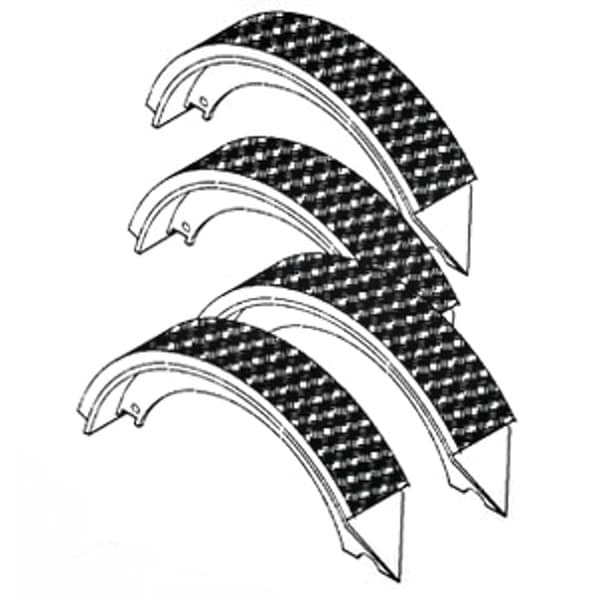
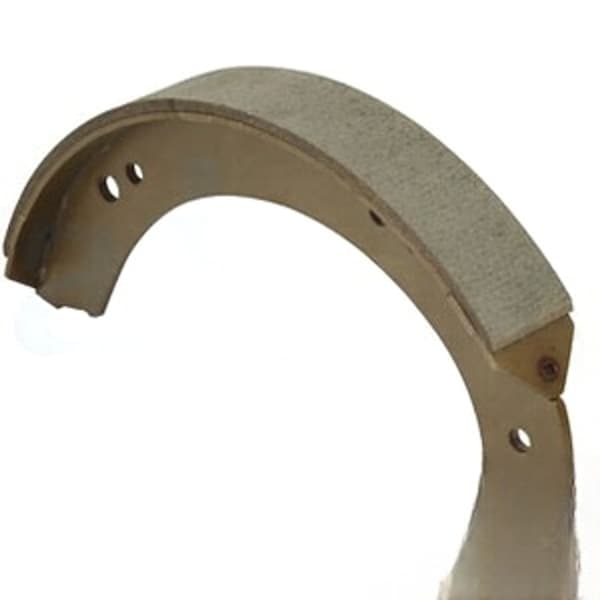
- Brake Shoes & Linings: Over time, the friction material on brake shoes wears down. Look for worn, cracked, or contaminated linings. Replacement is essential for safe operation. Madison Tractor carries a wide range of brake shoes for various makes and models.
- Brake Drums & Discs: These surfaces can become scored, warped, or cracked. Minor surface imperfections can often be machined away. However, severely damaged drums or discs need to be replaced.
- Wheel Cylinders: Located inside the brake drum, wheel cylinders convert hydraulic pressure into mechanical force to push the brake shoes outwards. Leaks or seized cylinders require replacement.
- Master Cylinder: This crucial component supplies hydraulic pressure to the entire braking system. A faulty master cylinder can cause spongy brakes or complete brake failure.
- Brake Hardware: Springs, clips, and retainers hold the brake components together. Replace worn or damaged hardware during brake service, including the brake shoe anchor pin and retaining pin kit.
Wet Brake Systems
Wet brake systems, also known as oil-immersed brakes, are commonly found in modern tractors, especially larger models. These systems are enclosed within the axle housing and operate in an oil bath. This oil bath provides lubrication and cooling, extending the life of the brake components. The Madison Tractor Company supplies parts for tractors with both types of brake systems.
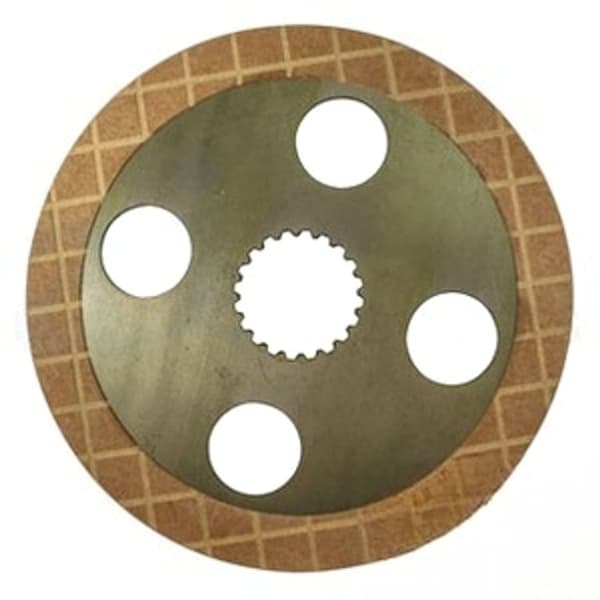
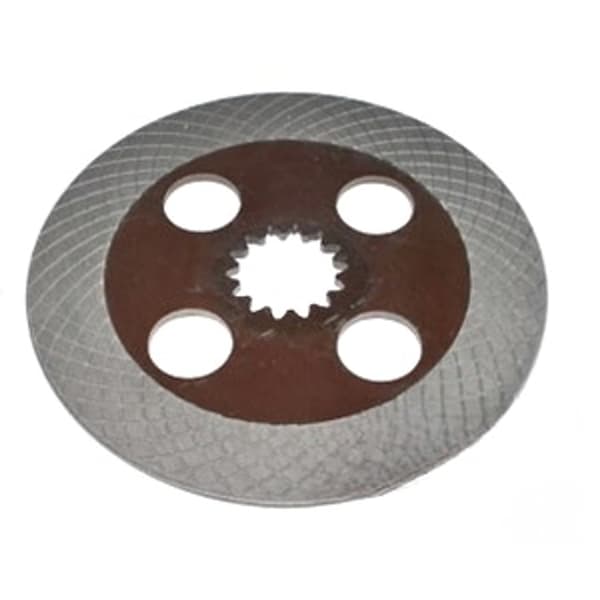
- Components: Wet brake systems typically include multiple brake discs and plates, a hydraulic piston, and a friction material that is designed to operate in oil.
- Operation: When you press the brake pedal, hydraulic pressure is applied to the piston. This forces the brake discs and plates together, creating friction and slowing the tractor. The oil bath helps to dissipate heat and prevent wear.
- Maintenance: Wet brake systems generally require less frequent maintenance than dry brake systems. However, it's still important to check the oil level in the axle housing regularly and change the oil according to the manufacturer's recommendations. Inspect the brake discs and plates for wear when performing major repairs.
- Brands: Many modern tractors from John Deere, Case IH, New Holland, Massey Ferguson, and Kubota utilize wet brake systems.
Common Wet Brake Parts and Issues
- Brake Discs & Plates: These are the primary friction components. Over time, the friction material wears down, reducing braking performance. Madison Tractor offers replacement brake discs and plates for a wide variety of tractors. Check your tractor's service manual for specific OEM part numbers.
- Seals & O-Rings: Leaks are a common problem in wet brake systems. Worn or damaged seals and O-rings can allow oil to leak out, reducing braking performance and potentially damaging other components.
- Hydraulic Pistons: These pistons apply the force to engage the brakes. Inspect them for wear, corrosion, or damage.
- Springs: Springs return the brake components to their disengaged position. Broken or weakened springs can cause the brakes to drag.
Diagnosing and Repairing Brake Problems
Identifying the source of a brake problem is crucial before attempting any repairs. Here are some common symptoms and potential causes:
- Spongy Brakes: Air in the hydraulic system, a leaking master cylinder, or worn brake shoes or brake pads. Bleed the brakes to remove air, replace the master cylinder if necessary, and inspect the brake shoes or brake pads.
- Weak Brakes: Worn brake shoes or pads, contaminated brake discs or drums, low hydraulic fluid level, or a faulty master cylinder. Inspect and replace worn components, clean the brake surfaces, check the fluid level, and test the master cylinder.
- Uneven Braking: Contaminated brake surfaces, a faulty brake cylinder or caliper on one side, or unevenly worn brake shoes or brake pads. Clean the brake surfaces, repair or replace the faulty brake cylinder or caliper, and replace the brake shoes or brake pads as needed.
- Dragging Brakes: A sticking brake cylinder or caliper, a broken return spring, or improperly adjusted brakes. Repair or replace the sticking brake cylinder or caliper, replace the broken return spring, and adjust the brakes according to the manufacturer's specifications.
- Noise During Braking: Worn brake shoes or pads, scored brake drums or discs, or loose brake components. Inspect and replace worn components, machine or replace the scored brake drums or discs, and tighten any loose components.
Safety Warning: Always disconnect the battery before working on the electrical system. When working on hydraulic systems, relieve the pressure before disconnecting any lines.
When replacing brake components, always use high-quality parts from a reputable supplier like Madison Tractor Company. Refer to your tractor's service manual for specific torque specifications and adjustment procedures. For example, certain John Deere models require specific torque settings for the brake caliper bolts to ensure proper function and prevent damage. Consult your service manual for this information.
Don't forget to check other related components. A malfunctioning radiator or water pump can lead to overheating, which can indirectly affect brake performance. Similarly, issues with the hydraulic pump or cylinders can impact the hydraulic pressure needed for braking. Regular inspection of filters, gaskets, pistons, bearings, and seals is also essential for overall tractor health.
Maintenance Tips for Tractor Brakes
- Regular Inspection: Visually inspect your brake components regularly for wear and tear. Check the thickness of brake shoes/pads and discs, and look for any signs of leaks around cylinders and lines.
- Fluid Checks: Maintain proper hydraulic fluid levels. Low fluid can lead to poor braking performance.
- Proper Adjustment: Ensure your brakes are properly adjusted according to the manufacturer’s specifications. Misadjusted brakes can cause uneven wear and reduced stopping power.
- Use Quality Parts: When replacing brake parts, choose quality replacements designed for your specific tractor model. Using inferior parts can compromise safety and lead to premature failure. Madison Tractor carries a wide selection of brake parts for various tractor brands, including John Deere, Case IH, Ford, New Holland, Massey Ferguson, Kubota, Allis Chalmers, Deutz, International Harvester, Oliver, White, Gleaner, Vermeer, Hesston, Mahindra, and Zetor.
- Consider the PTO: Remember the braking system is also used to control implements. Make sure you review our article on tractor PTO clutch pack maintenance too!
Finding the Right Brake Parts
Finding the correct replacement parts is crucial for a successful repair. Start by identifying the make, model, and year of your tractor. Check your owner's manual or consult a parts catalog to find the correct part numbers. Madison Tractor Company offers a wide selection of brake discs, shoes, cylinders, and other components for various tractor brands. Our knowledgeable staff can help you find the right parts for your specific needs. Many parts are available for John Deere, Case IH, Ford, New Holland, Massey Ferguson, and Kubota tractors, among others.
Consider that other parts in the John Deere tractor clutch kit, Ford tractor clutch, Case IH clutch kit, Massey Ferguson clutch and Kubota clutch kit categories may also be needed when overhauling your tractor's driveline components. Replacing your tractor throw out bearing at the same time as a clutch replacement, for example, can save you time and money in the long run.
Shop Tractor Brake Parts at Madison Tractor Company
Maintaining your tractor's brake system is essential for safety and productivity. By understanding the different types of brake systems, diagnosing problems effectively, and using high-quality replacement parts, you can keep your tractor stopping safely and reliably. Browse our wide selection of tractor parts at Madison Tractor Company to find everything you need for your next brake repair or maintenance project. We carry parts for John Deere, Case IH, Ford, New Holland, Massey Ferguson, Kubota, and many other brands. Our experienced team is here to help you find the right parts and answer any questions you may have. Contact us today! You can also use our AI-Powered Part Finder to search for parts by your specific make and model.
Part of our comprehensive guide
Tractor Clutch Replacement Guide: Kits, Adjustment & Installation