








Tractor Pilot Bearing: Crankshaft Bearing Replacement
A worn tractor pilot bearing can cause clutch drag and shifting problems. This guide covers pilot bearing inspection, removal, installation, and choosing the right replacement parts to keep your tractor running smoothly.
Understanding the Tractor Pilot Bearing
The tractor pilot bearing, also sometimes called a spigot bearing, is a crucial but often overlooked component of your tractor's drivetrain. It's a small bearing, typically either a needle bearing or a bronze bushing, located in the center of the crankshaft flywheel. Its primary function is to support the input shaft of the transmission (also called the clutch shaft) when the clutch is disengaged.
Recommended Parts for This Guide
10 parts we recommend — in stock, ships fast, one-click add to cart.
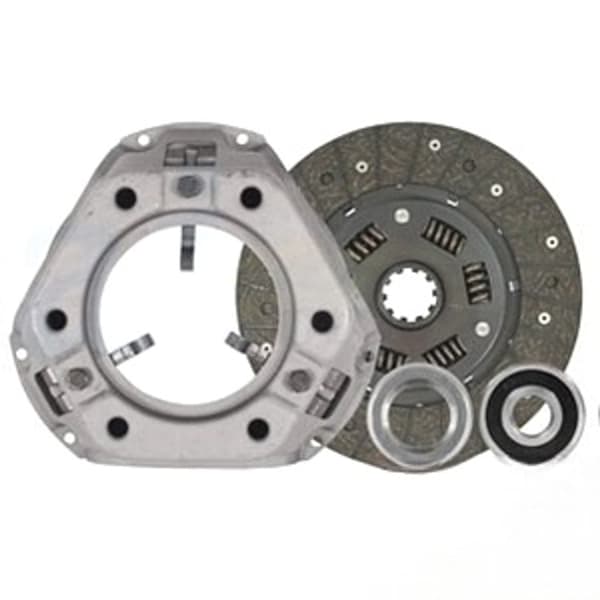 CLK100 - Clutch Kit: 9", Pressure Plate, Trans Disc, Release Bearing, Pilot BearingCLK100Out of stock$145.82
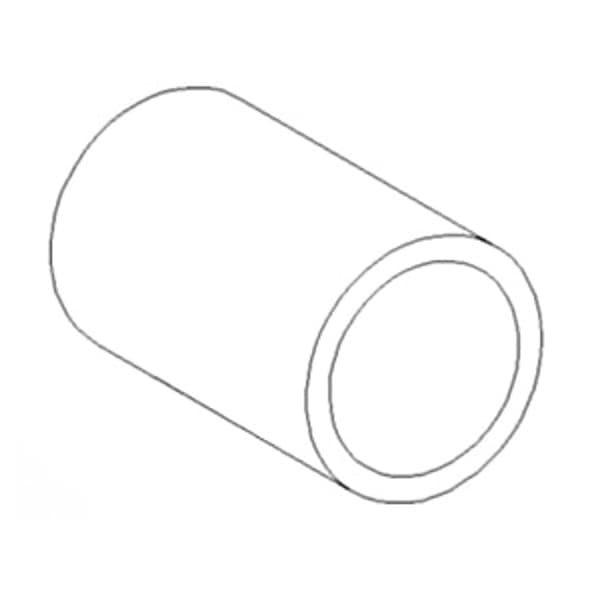
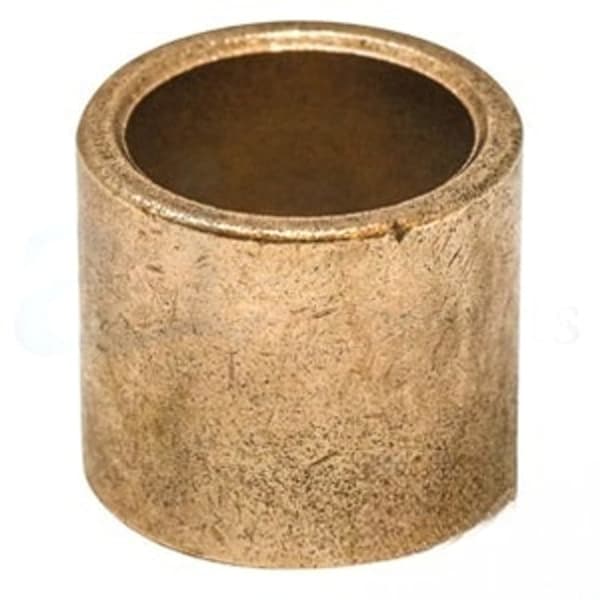
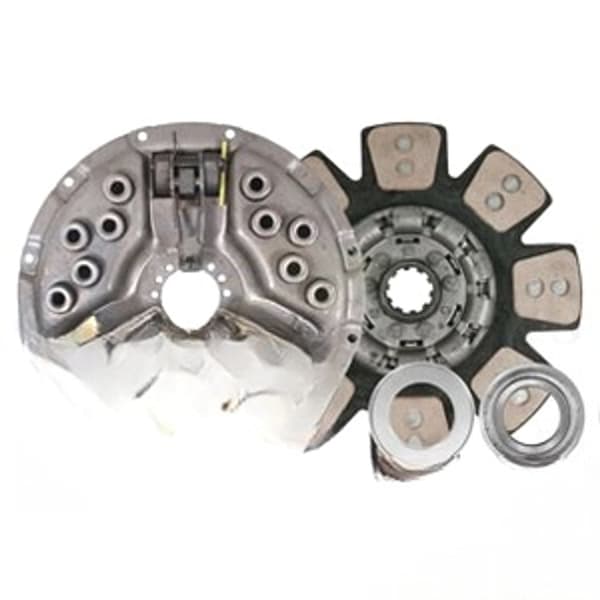
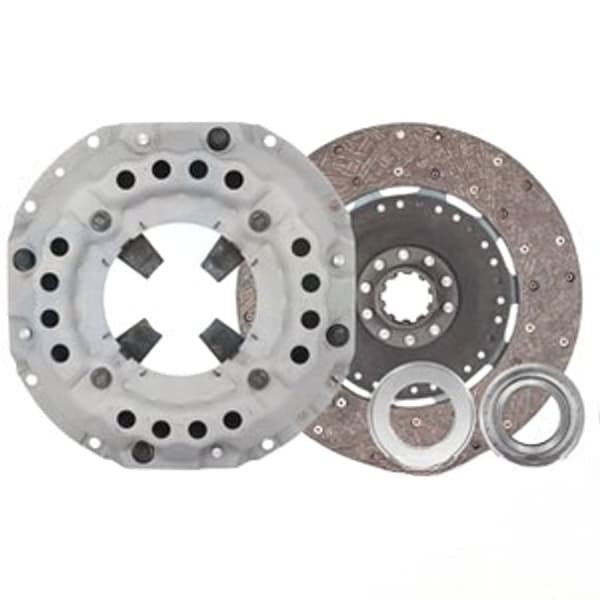
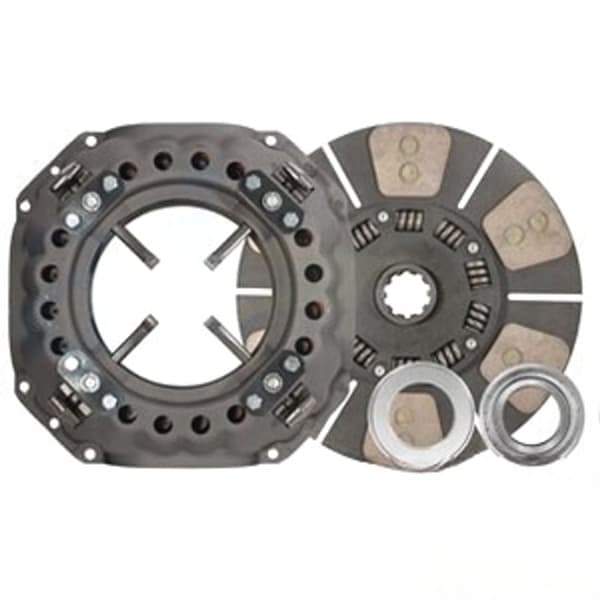
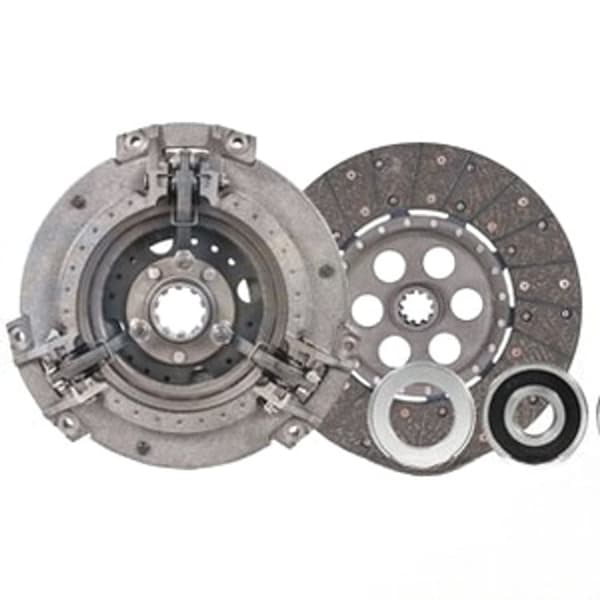
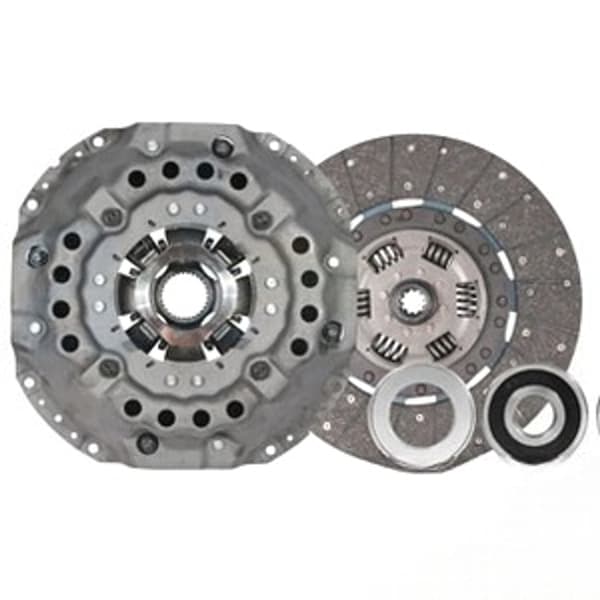
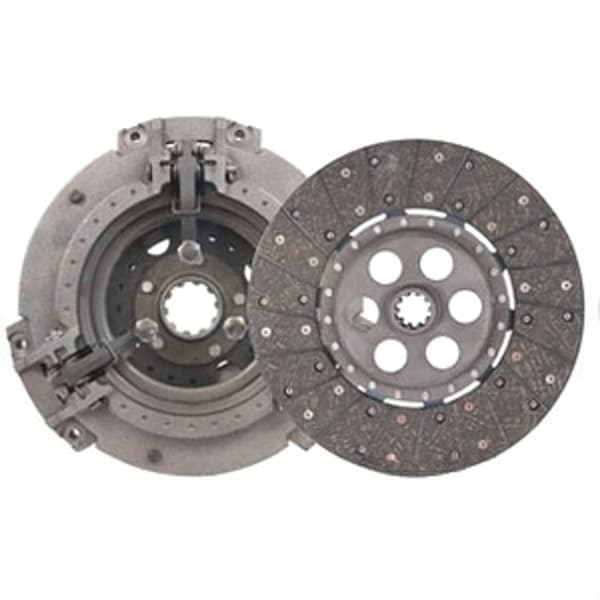
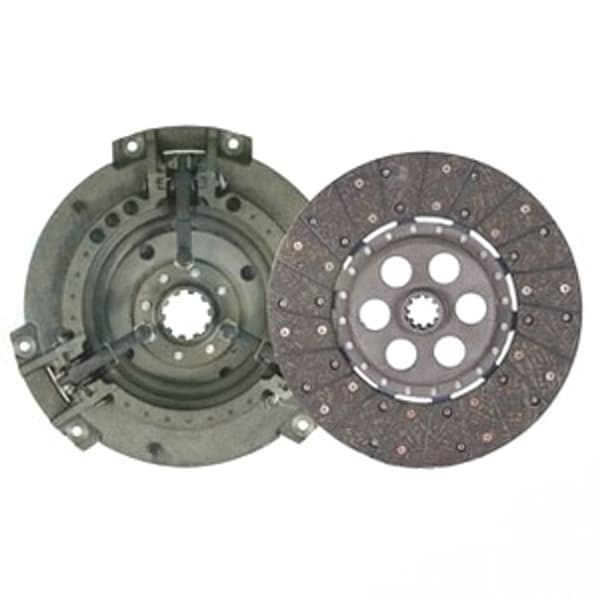
🔍 Looking for a specific part? Try our AI Part Finder — tell it your equipment and what you need, and it will find matching parts instantly.
Think of it like this: when you press the clutch pedal, you're disconnecting the engine from the transmission. The input shaft, no longer driven by the engine, needs to be supported to prevent it from wobbling and causing damage. That's where the pilot bearing comes in. Without a functional pilot bearing, the input shaft can vibrate, causing clutch drag, difficulty shifting even damage to the clutch disc, transmission crankshaft itself. Replacing this inexpensive bearing can save you hundreds, even thousands, in repairs down the road.
At Madison Tractor Company, we understand the importance of keeping your equipment running smoothly. We stock a wide range of pilot bearings for all major tractor brands, including John Deere, Case IH, Ford, New Holland, Massey Ferguson, Kubota, Allis Chalmers, Deutz, International Harvester, Oliver, White, Gleaner, Vermeer, Hesston, Mahindra Zetor.
Symptoms of a Failing Pilot Bearing
Recognizing the signs of a failing pilot bearing is crucial for preventing further damage. Here are some common symptoms
- Clutch Drag This is the most common symptom. You may have difficulty shifting gears, especially into first or reverse, even with the clutch pedal fully depressed. This is because the input shaft is still spinning slightly due to the failing bearing.
- Noisy Clutch A squealing, chirping, or grinding noise when the clutch pedal is depressed can indicate a worn pilot bearing. The noise often changes or disappears when the pedal is released.
- Difficulty Shifting Grinding gears or a general resistance when shifting can also be a sign of a failing pilot bearing.
- Premature Clutch Wear A failing pilot bearing can cause uneven wear on the clutch disc and other clutch components.
Tools and Materials Needed for Pilot Bearing Replacement
Before you begin, gather the necessary tools and materials. Having everything on hand will make the job much easier and safer. This list is general and may vary slightly depending on your tractor model. Always consult your tractor's service manual for specific instructions.
- New Pilot Bearing Make sure you have the correct pilot bearing for your tractor model. Check your parts manual or contact Madison Tractor Company for assistance.
- Pilot Bearing Removal Tool Several types are available, including slide hammers with pilot bearing adapters, blind hole pullers grease-packing methods. Choose the one that best suits your needs and available space.
- Pilot Bearing Installation Tool This tool will help you install the new bearing straight and to the correct depth.
- Socket Set and Wrenches A standard set of SAE or metric sockets and wrenches.
- Torque Wrench Essential for tightening bolts to the correct specifications.
- Screwdrivers Both flathead and Phillips head screwdrivers.
- Hammer For gentle tapping and persuasion.
- Pry Bars For separating components.
- Jack Stands To safely support the tractor.
- Wheel Chocks To prevent the tractor from rolling.
- Grease For lubricating the pilot bearing and other components.
- Penetrating Oil To loosen rusted bolts.
- Safety Glasses and Gloves Always wear safety glasses and gloves when working on machinery.
- Service Manual Your tractor's service manual is an invaluable resource. It contains detailed instructions, diagrams torque specifications.
SAFETY WARNING Always disconnect the battery before working on any electrical components. Ensure the tractor is properly supported on jack stands before working underneath it.
Pilot Bearing Removal: Step-by-Step
This is a general guide. Always refer to your tractor's service manual for specific instructions.
- Preparation Disconnect the battery. Securely support the tractor on jack stands. Remove the hood, side panels any other components that obstruct access to the clutch housing.
- Separating the Tractor This usually involves splitting the tractor between the engine and transmission. This process varies significantly depending on the model. Consult your service manual for detailed instructions. You may need to remove the starter, shown as part # for John Deere models, or similar parts for other brands like Ford.
- Clutch Removal Once the tractor is split, you'll have access to the clutch assembly. Remove the clutch disc and pressure plate. Note their orientation for reinstallation.
- Pilot Bearing Removal This is where the pilot bearing removal tool comes in. Follow the tool's instructions carefully. Some common methods include:
- Slide Hammer Insert the pilot bearing adapter into the bearing and use the slide hammer to pull it out.
- Blind Hole Puller Similar to the slide hammer method, but uses a collet that grips the inside of the bearing.
- Grease Packing Method Pack the cavity behind the bearing with grease and use a punch to force the bearing out. Be careful not to damage the crankshaft.
If the pilot bearing is particularly stubborn, you may need to use heat or penetrating oil to loosen it. However, be extremely cautious when using heat near flammable materials.
- Inspect the Crankshaft Once the pilot bearing is removed, inspect the crankshaft for any damage or wear. Clean the area thoroughly with a solvent.
Pilot Bearing Installation: Ensuring a Proper Fit
- Preparation Clean the crankshaft bore thoroughly. Lightly lubricate the new bearing with grease.
- Installation Use the pilot bearing installation tool to press the new bearing into the crankshaft bore. Ensure the bearing is installed straight and to the correct depth. The correct depth is crucial to prevent interference with the input shaft. Consult your service manual for the specific depth measurement.
- Reassembly Reinstall the clutch disc and pressure plate, ensuring they are properly aligned. Use a clutch alignment tool to center the clutch disc.
- Rejoin the Tractor Carefully rejoin the tractor halves, ensuring the transmission input shaft engages correctly with the pilot bearing.
- Final Steps Reconnect the battery. Refill any fluids that were drained during the process. Start the tractor and test the clutch for proper operation.
TORQUE SPECIFICATIONS ARE CRITICAL Refer to your service manual for the correct torque specifications for all bolts and fasteners. Using the wrong torque can lead to component failure.
Choosing the Right Pilot Bearing
Selecting the correct pilot bearing is essential for a successful repair. Using the wrong bearing can lead to premature failure and further damage. Madison Tractor Company offers a wide selection of pilot bearings for all major tractor brands.
- OEM vs. Aftermarket We offer both OEM (Original Equipment Manufacturer) and high-quality aftermarket pilot bearings. OEM bearings are manufactured to the exact specifications of your tractor, ensuring a perfect fit and reliable performance. Aftermarket bearings can be a cost-effective alternative, but it's important to choose a reputable brand.
- Bearing Type Pilot bearings are typically either needle bearings or bronze bushings. Needle bearings offer lower friction and longer life, but they are more expensive. Bronze bushings are more tolerant of misalignment and are often used in older tractors.
- Correct Size Ensure the pilot bearing is the correct size for your tractor model. Check your parts manual or contact Madison Tractor Company for assistance.
When browsing our selection of parts, you might also consider replacing other worn components such as radiators, water pumps, starters, hydraulic pumps, filters, belts, and throw out bearings (release bearings) while the tractor is already split. Addressing these items proactively can save time and money in the long run.
Clutch Kits & Related Drivetrain Parts
While replacing the pilot bearing, it's often a good idea to inspect the other clutch components, including the clutch disc, pressure plate, and throw out bearing. If any of these components are worn or damaged, consider replacing them as a complete clutch kit. This will ensure optimal clutch performance and prevent future problems. We offer complete clutch kits for a variety of models, including the Case IH Farmall, Kubota B Series, and Massey Ferguson 35. Make sure you check the PTO clutch pack and PTO shaft are in good working order as well.
Shop for Tractor Parts at Madison Tractor Company
At Madison Tractor Company, we are committed to providing our customers with high-quality parts and expert advice. We stock a wide range of tractor parts for all major brands, including Bushing, Pilot Bearing, Bushing, Clutch Pilot, clutch kits, PTO parts, filters, gaskets, seals more. Shop our online store today or contact our knowledgeable staff for assistance with your tractor repair needs. We're here to help you keep your equipment running smoothly for years to come! You can also use our AI-Powered Part Finder to search for parts by your specific make and model.
Part of our comprehensive guide
Tractor Clutch Replacement Guide: Kits, Adjustment & Installation