








John Deere Tractor Clutch Kit: Disc, Pressure Plate & Bearing
A John Deere tractor clutch kit is more than just parts; it's about restoring reliable performance. This guide helps you select the right kit for your John Deere, covering discs, pressure plates, bearings, and essential installation tips.
Understanding Your John Deere Tractor Clutch
Your John Deere tractor's clutch is a critical component, responsible for transferring power from the engine to the transmission and, ultimately, the wheels and PTO. Over time, the clutch disc wears down, springs weaken, and bearings fail, leading to slippage, difficulty shifting, and reduced performance. A worn clutch impacts everything from plowing fields to running implements like hay balers and mowers. A tractor PTO shaft is only as good as the clutch that drives it.
Recommended Parts for This Guide
10 parts we recommend — in stock, ships fast, one-click add to cart.
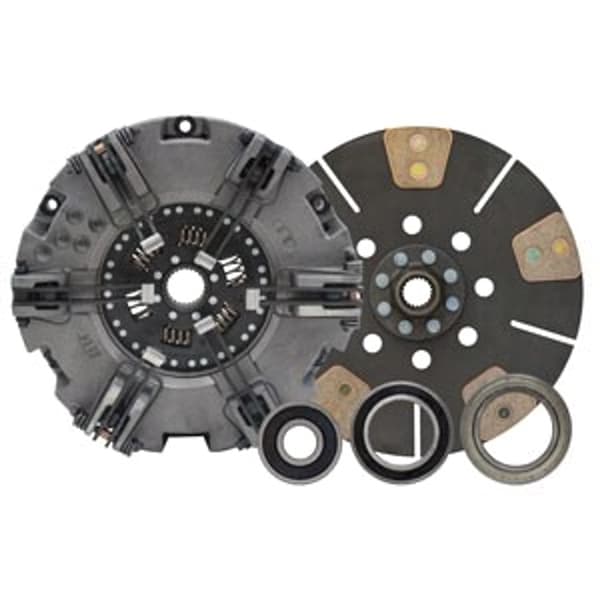
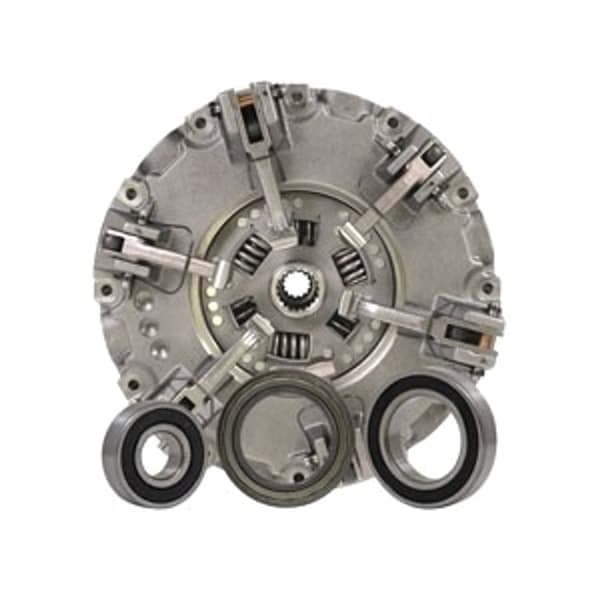
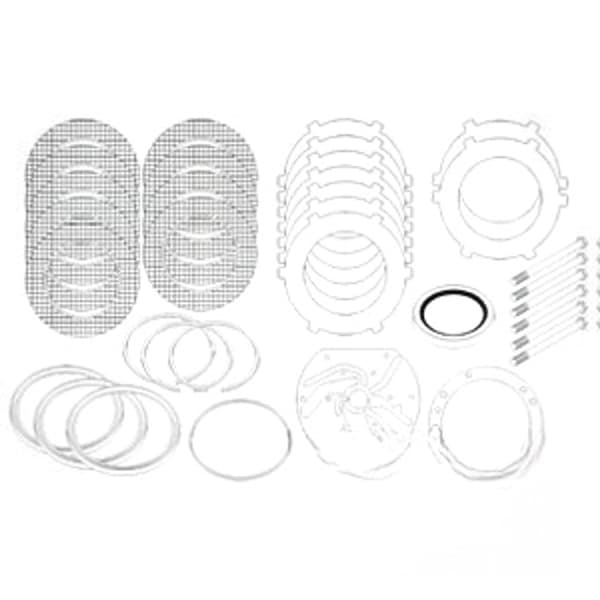
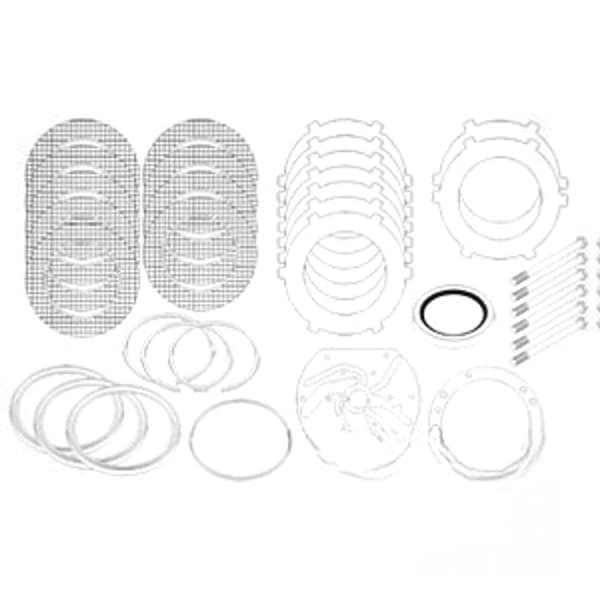
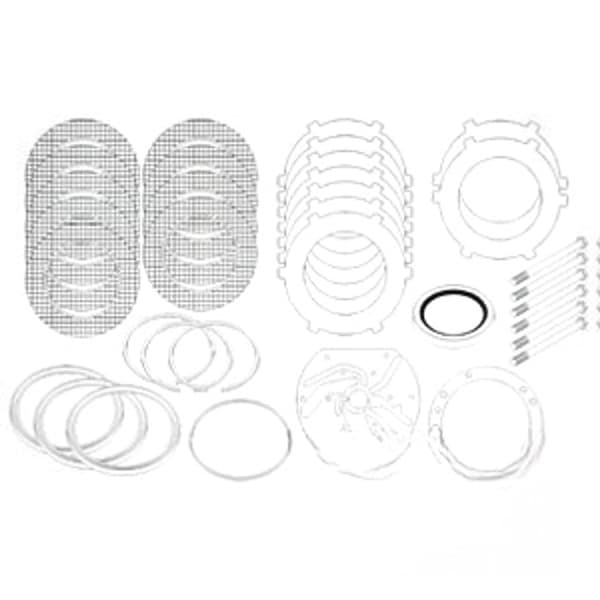
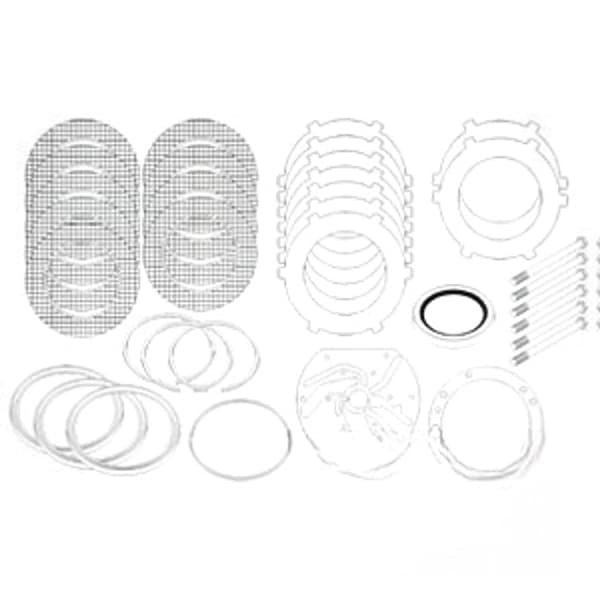
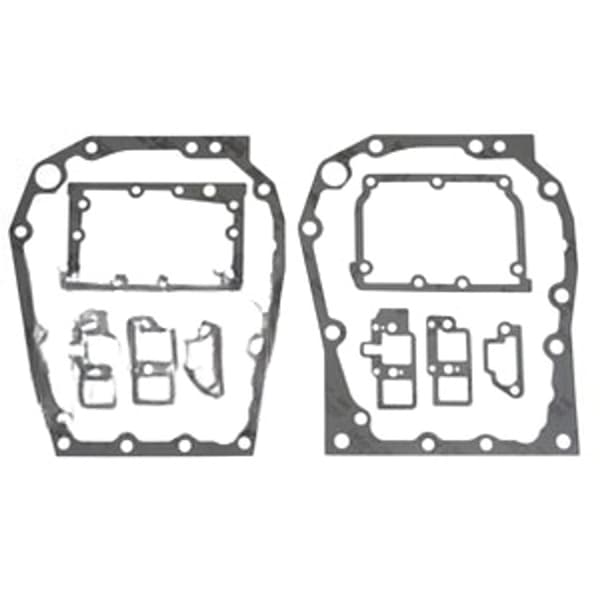
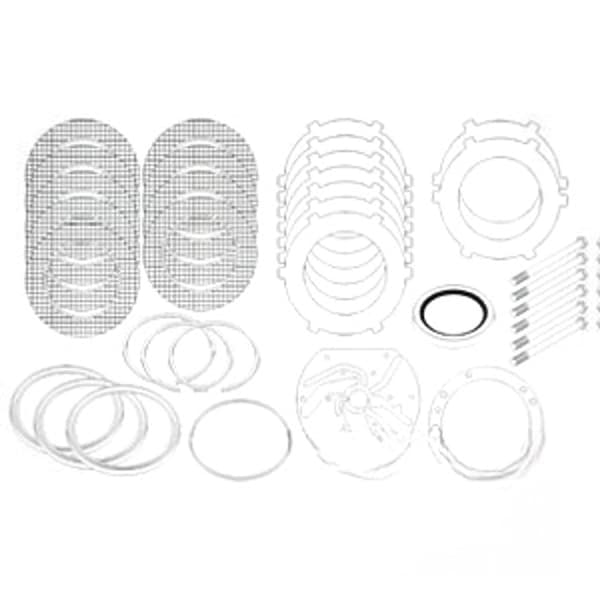
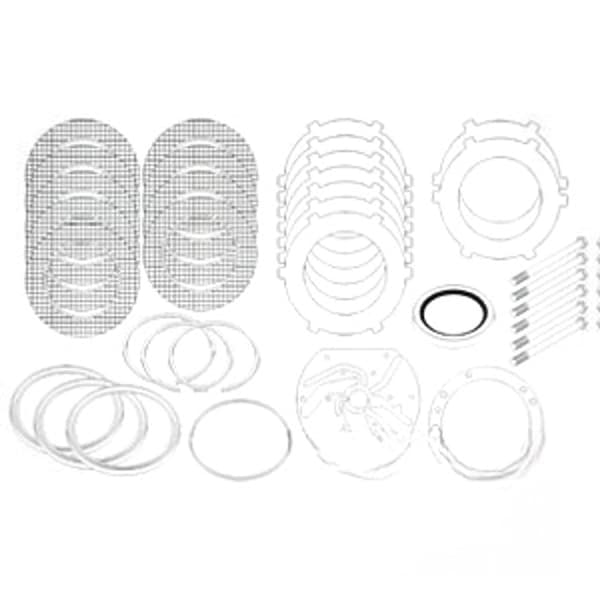
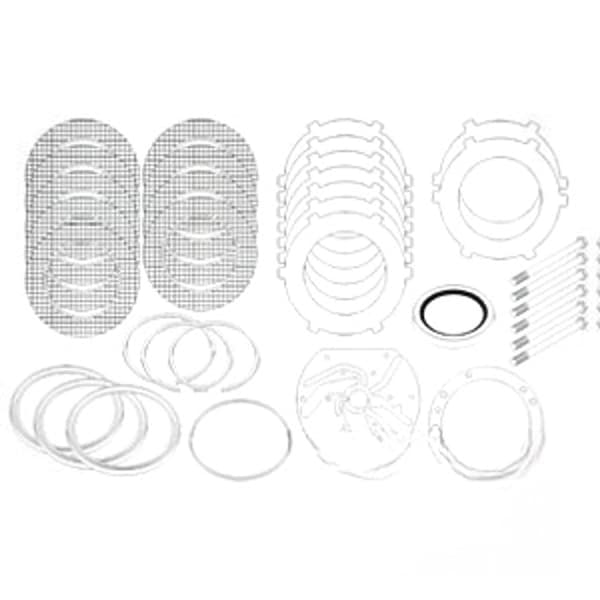
🔍 Looking for a specific part? Try our AI Part Finder — tell it your equipment and what you need, and it will find matching parts instantly.
A John Deere tractor clutch kit provides a comprehensive solution for restoring your tractor's clutch system to optimal condition. Typically, a kit includes:
- Clutch Disc: The friction material that engages with the flywheel and pressure plate to transmit power.
- Pressure Plate: A spring-loaded assembly that applies pressure to the clutch disc.
- Throw Out Bearing (Release Bearing): This bearing presses against the pressure plate fingers to disengage the clutch. You can learn more about tractor throw out bearing replacement in our guide.
- Pilot Bearing/Bushing (Sometimes Included): Supports the input shaft of the transmission.
Sometimes, kits may include additional components like alignment tools or pilot bushings. Check the kit contents carefully before ordering.
Identifying the Correct Clutch Kit for Your John Deere
Selecting the right clutch kit is crucial. Using the wrong kit can result in poor performance, premature wear, or even damage to your tractor. Here's how to ensure you choose the correct kit:
- Model and Year: The most important factors. Know your exact John Deere tractor model and year of manufacture. This information is usually found on a tag or plate on the tractor frame. For example, a John Deere 4020 built in 1968 requires a different clutch than a John Deere 4020 built in 1971.
- Serial Number: Provide the tractor's serial number when ordering. This helps parts specialists confirm compatibility and identify any mid-year changes or variations.
- Clutch Type: Determine if your tractor has a single-stage or dual-stage clutch. Single-stage clutches control both the transmission and PTO with one pedal. Dual-stage clutches have two stages of engagement: one for the transmission and another for the PTO. Many John Deere tractors, especially older models like the John Deere A or John Deere B, utilize a single-stage clutch. Knowing your clutch type is vital because a tractor PTO clutch relies on the health of the main clutch.
- Diameter and Spline Count: Measure the diameter of your existing clutch disc and count the number of splines on the center hub. These measurements must match the replacement disc.
- Check OEM Part Numbers: If possible, locate the original equipment manufacturer (OEM) part number for your clutch disc, pressure plate, and throw out bearing. This is the most reliable way to ensure compatibility. Cross-reference this number with the clutch kits available.
For instance, a John Deere 3020 with a serial number below 123,000 might use a different clutch disc than one with a higher serial number. Consult your John Deere parts manual or speak with a knowledgeable parts specialist at Madison Tractor to confirm the correct part.
We carry clutch kits for a wide range of John Deere tractors, including the popular John Deere 5000 series, John Deere 6000 series, and older models like the John Deere 730 and John Deere 830. We also offer clutch kits for other major brands like Ford, Case IH, Massey Ferguson, Kubota, New Holland, Allis Chalmers, Deutz, International Harvester, Oliver, White, Gleaner, Vermeer, Hesston, Mahindra, and Zetor.
Inspecting and Replacing Your John Deere Tractor Clutch
Replacing a tractor clutch is a significant repair, often requiring specialized tools and mechanical expertise. If you're not comfortable performing this task yourself, it's best to consult a qualified mechanic. However, if you have the necessary skills and tools, here's a general overview of the process:
- Safety First: Disconnect the battery and ensure the tractor is securely supported on jack stands. Block the wheels to prevent accidental movement.
- Preparation: Consult your John Deere service manual for specific instructions and torque specifications. Gather all necessary tools, including sockets, wrenches, a torque wrench, an alignment tool, and a transmission jack.
- Disassembly: Separate the engine from the transmission. This usually involves removing the hood, fuel tank, and other components to gain access to the clutch housing. Disconnect all wiring and linkages.
- Clutch Removal: Remove the old clutch assembly. Inspect the flywheel for wear, cracks, or heat damage. If necessary, resurface or replace the flywheel.
- Installation: Install the new clutch disc, pressure plate, and throw out bearing. Use the alignment tool to center the clutch disc. Torque the pressure plate bolts to the manufacturer's specifications. Pay close attention to the tractor clutch adjustment after installation to ensure proper free play.
- Reassembly: Reconnect the engine and transmission. Reinstall all components, wiring, and linkages, ensuring to use a new gasket kit for the clutch housing to transmission case for a proper seal.
- Testing: Start the tractor and test the clutch engagement and disengagement. Ensure the PTO operates correctly (if applicable).
Important Considerations:
- Flywheel Resurfacing: Resurfacing the flywheel provides a smooth, flat surface for the new clutch disc to engage with, ensuring optimal performance and extending the life of the clutch.
- Pilot Bearing/Bushing: Always replace the pilot bearing or bushing when replacing the clutch. A worn pilot bearing can cause vibrations and premature clutch wear.
- Torque Specifications: Always use a torque wrench and adhere to the manufacturer's torque specifications. Overtightening bolts can damage the pressure plate and cause premature failure.
- Lubrication: Apply a small amount of high-temperature grease to the input shaft splines and the throw out bearing contact points.
- Linkage Adjustment: After installing the new clutch, adjust the clutch linkage to ensure proper free play. Insufficient free play can cause the clutch to slip, while excessive free play can make it difficult to disengage the clutch.
Safety Warning: Always disconnect the battery before working on the electrical system. Wear appropriate personal protective equipment, including safety glasses and gloves. Work in a well-ventilated area.
Troubleshooting Common Clutch Problems
- Clutch Slippage: This is often caused by a worn clutch disc, weak pressure plate springs, or improper linkage adjustment.
- Clutch Chatter: This can be caused by a warped flywheel, contaminated clutch disc, or worn engine mounts.
- Difficulty Shifting: This can be caused by a dragging clutch, worn pilot bearing, or damaged transmission components.
- Noise: Unusual noises, such as squealing or grinding, can indicate a worn throw out bearing or pilot bearing.
If you experience any of these problems, inspect your clutch system and replace any worn or damaged components. Regularly inspect and maintain your clutch system to prevent costly repairs and ensure optimal performance.
Remember to check other essential tractor components during this major service interval, such as radiators, water pumps, starters, and alternators, to keep your John Deere running smoothly.
Shop John Deere Tractor Clutch Kits at Madison Tractor
Madison Tractor Company offers a wide selection of John Deere tractor clutch kits for various models and years. We carry high-quality clutch kits from trusted brands, ensuring reliable performance and long-lasting durability. Our knowledgeable parts specialists can help you find the right clutch kit for your tractor. We also stock a comprehensive inventory of other tractor parts, including hydraulic pumps, cylinders, PTO parts, fuel pumps, carburetors, injectors, filters, gaskets, pistons, bearings, seals, belts, chains, concaves, and sickle sections.
Browse our online catalog or contact us today to find the parts you need to keep your John Deere tractor running at its best!
🔍 Can't Find Your Part?
Use our AI-Powered Part Finder to search by your equipment's make, model, and what you need. It's the fastest way to find the exact part for your machine.
Try the Part Finder →Part of our comprehensive guide
Tractor Clutch Replacement Guide: Kits, Adjustment & Installation