








Ford Tractor PTO Parts: Shaft, Seal & Bearing Kit
Is your Ford tractor PTO giving you trouble? This guide covers common PTO problems, troubleshooting steps, and how to replace shafts, seals, and bearings to keep your equipment running smoothly. We'll help you diagnose the issue and get the right parts from Madison Tractor.
Understanding Your Ford Tractor PTO
The Power Take-Off (PTO) on your Ford tractor is a critical component, transferring power from the engine to implements like mowers, balers, and tillers. A properly functioning PTO is essential for efficient farm operations. This guide will walk you through common Ford tractor PTO issues, troubleshooting tips, and repair procedures, focusing on the PTO shaft, seals, and bearings. Whether you own a classic Ford 8N, a versatile Ford 3000, or a later model like the Ford 7710, understanding your PTO system is crucial.
Recommended Parts for This Guide
10 parts we recommend — in stock, ships fast, one-click add to cart.
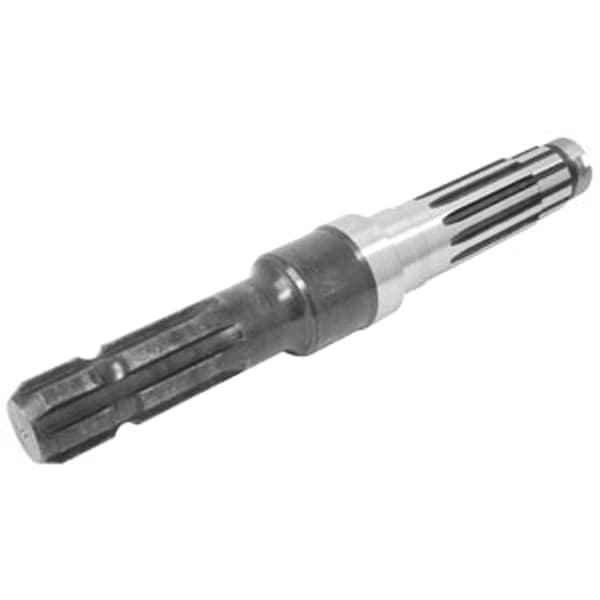
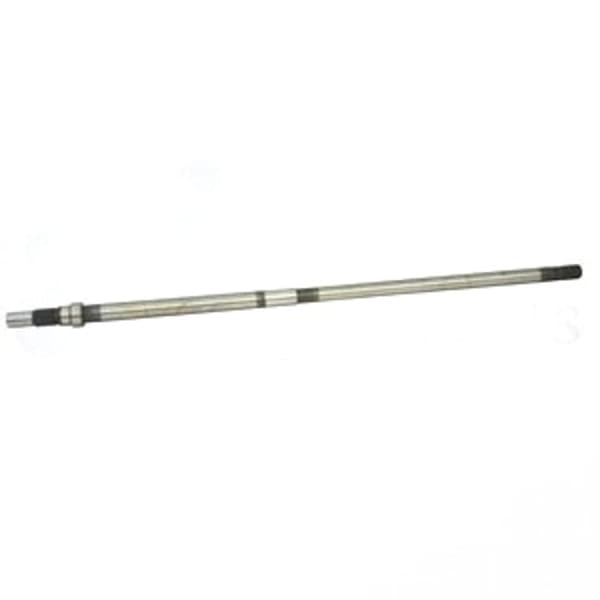
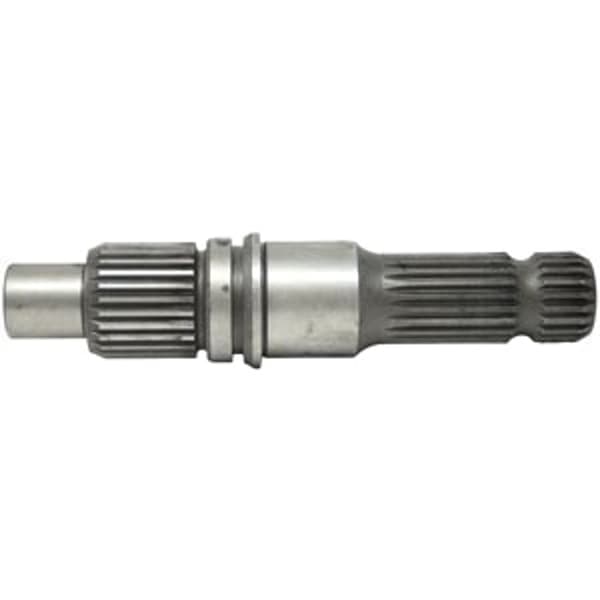
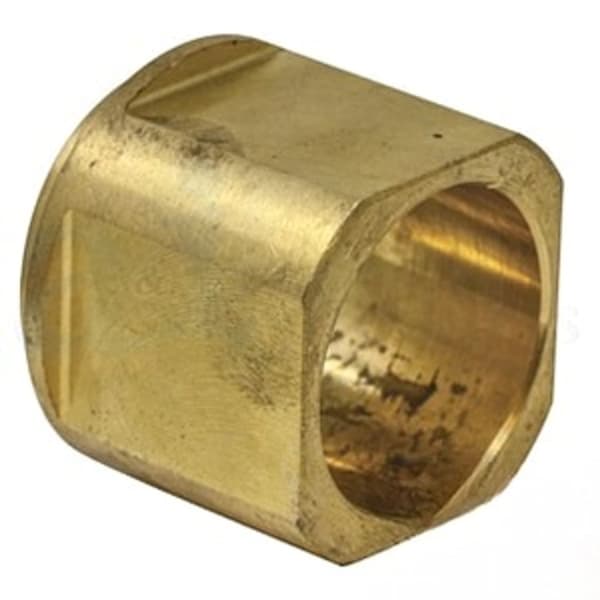
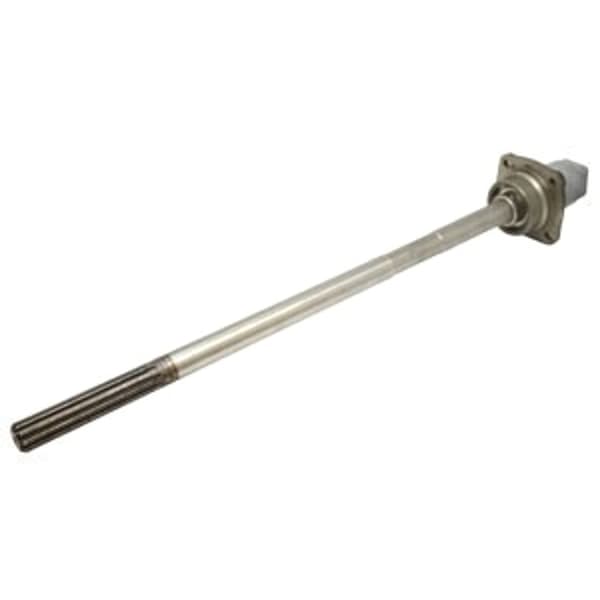
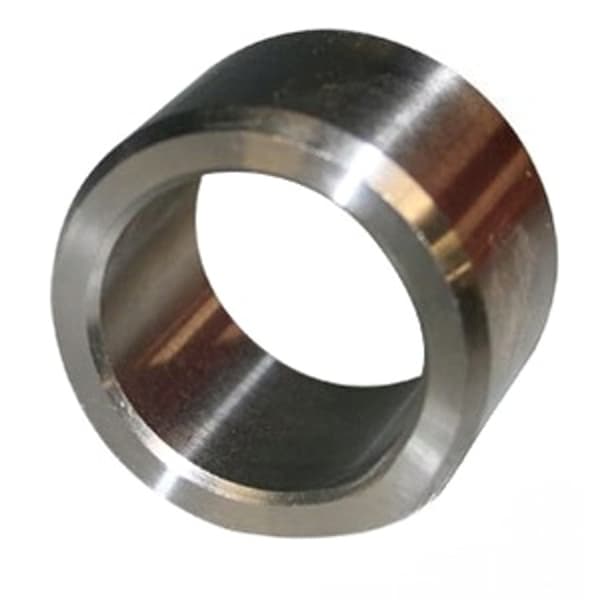
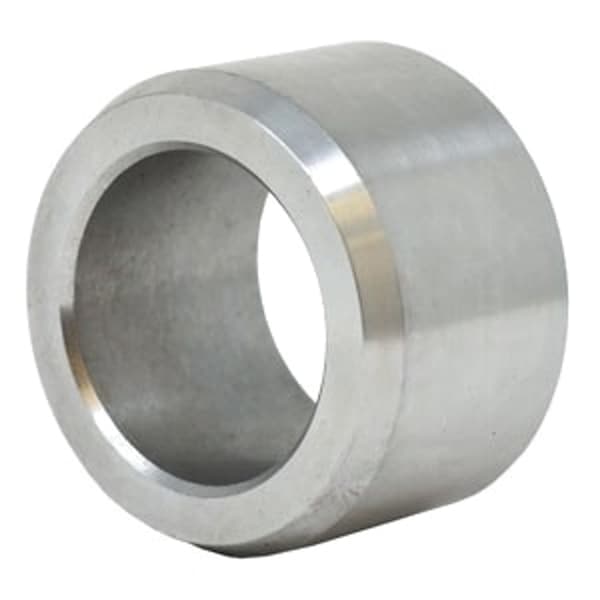
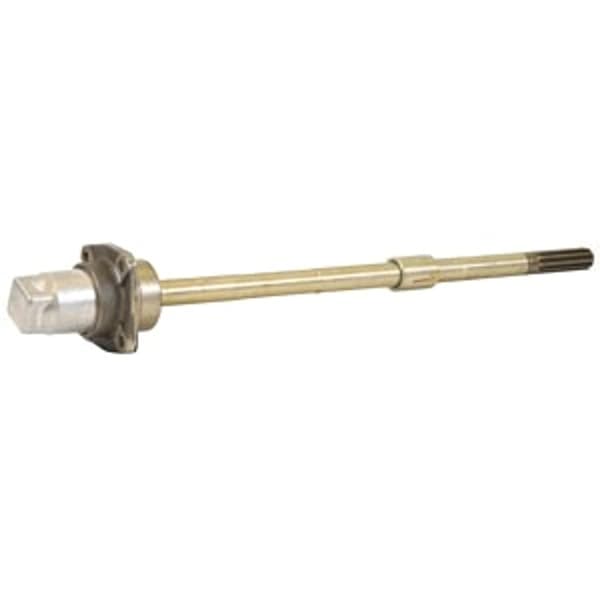
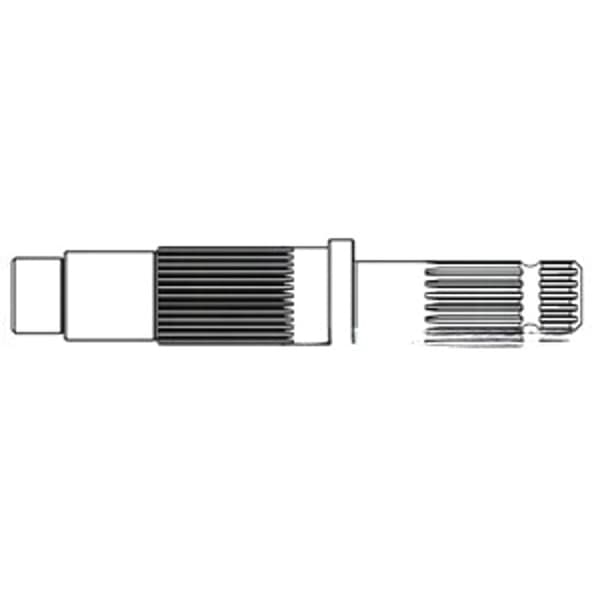
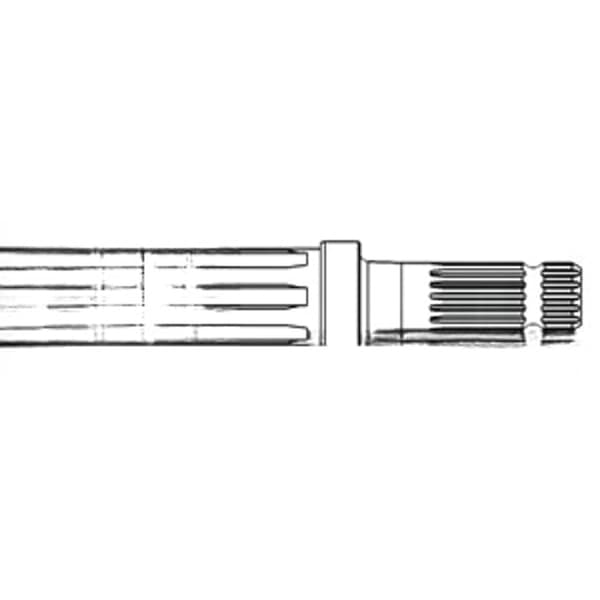
🔍 Looking for a specific part? Try our AI Part Finder — tell it your equipment and what you need, and it will find matching parts instantly.
Madison Tractor Company understands the importance of keeping your Ford tractor running smoothly. We stock a wide range of Ford tractor parts, including PTO shafts, seals, bearings, complete clutch kits, and more. We carry parts for many brands including John Deere, Case IH, Ford, New Holland, Massey Ferguson, Kubota, Allis Chalmers, Deutz, International Harvester, Oliver, White, Gleaner, Vermeer, Hesston, Mahindra, and Zetor.
Common Ford Tractor PTO Problems
Several issues can plague a Ford tractor's PTO system. Recognizing these symptoms early can save you time and money on repairs:
- PTO Won't Engage: This could stem from a faulty PTO clutch, a problem within the transmission, or a linkage issue.
- PTO Engages But Slips: A worn PTO clutch disc is often the culprit here. This can also be affected by adjustment. Consider inspecting your Ford tractor clutch.
- PTO Shaft Wobbles or Vibrates: This usually indicates worn bearings or a bent PTO shaft.
- Oil Leaks Around the PTO Shaft: A damaged PTO shaft seal, or perhaps a rear PTO seal or PTO input shaft oil seal (such as the 957E727A for live or independent PTO), is the most likely cause.
- Unusual Noises: Grinding, whining, or clunking noises can point to damaged gears or bearings within the PTO assembly.
Troubleshooting Your Ford Tractor PTO
Before diving into repairs, a systematic troubleshooting approach is essential. Follow these steps to pinpoint the problem:
- Visual Inspection: Check for obvious signs of damage, such as a bent PTO shaft, oil leaks around the seal, or loose linkages.
- Linkage Check: Ensure the PTO engagement lever and linkage are properly connected and moving freely. Adjust the linkage if necessary, following the manufacturer's specifications.
- Clutch Adjustment: If the PTO engages but slips, try adjusting the PTO clutch. Refer to your Ford tractor's service manual for the correct adjustment procedure. For example, many older Ford models require a specific amount of free play in the clutch pedal linkage.
- Hydraulic Pressure Test (if applicable): Some Ford tractors utilize a hydraulic PTO system. Check the hydraulic pressure to ensure it meets the manufacturer's specifications. Components like the hydraulic pump PTO shaft bushing are vital for the proper function of these systems.
- Listen Carefully: Pay close attention to any unusual noises emanating from the PTO area while it's engaged. This can provide valuable clues about the source of the problem.
Ford tractor pto shaft Replacement
A damaged or bent PTO shaft can cause significant vibration and potential damage to connected implements. Replacing the shaft is often the best solution. Here's a general outline of the process:
- Safety First: Disconnect the battery and ensure the tractor is parked on a level surface with the wheels chocked.
- Drain the Oil: Drain the transmission oil to prevent leaks during the shaft replacement.
- Remove the PTO Housing: Carefully remove the PTO housing from the tractor. This may involve disconnecting linkages, hydraulic lines (if applicable), and fasteners. Consult your service manual for specific instructions.
- Remove the Old Shaft: Once the housing is removed, you can access the PTO shaft. Depending on the model, it may be held in place by a retaining ring or other hardware.
- Install the New Shaft: Install the new PTO shaft, ensuring it's properly seated and secured. You may also consider replacing components like a PTO shaft sleeve during this process.
- Replace Seals and Bearings: Now is the perfect time to replace the PTO seal and bearings. A new PTO seal and PTO bearing can save you money compared to purchasing individual components.
- Reassemble: Reinstall the PTO housing, reconnect any linkages or hydraulic lines, and refill the transmission oil to the correct level. For example, a Ford 8N takes approximately 5 quarts of 90 weight gear oil.
Torque Specifications: Always consult your Ford tractor's service manual for the correct torque specifications for all fasteners. Using the proper torque is crucial to prevent leaks and ensure proper component function. For example, the PTO housing bolts on a Ford 3000 may require a torque of 35-40 ft-lbs.
OEM Part Numbers: When sourcing a new PTO shaft, try to find the correct OEM part number. For instance, a replacement PTO shaft for a Ford 8N might cross-reference to part number 8N525A. While aftermarket options exist, OEM or reputable brands generally offer superior quality and fit.
Installing a Ford tractor pto seal and Bearing Kit
Replacing the PTO seal and bearings is a common repair, especially when addressing oil leaks or shaft wobble. A seal and bearing kit offers a convenient and cost-effective way to perform this maintenance. The process generally involves:
- Removal: After removing the PTO shaft and housing as described above, carefully remove the old seal and bearings. Special tools, such as a seal puller or bearing separator, may be required.
- Cleaning: Thoroughly clean the PTO housing and shaft to remove any dirt, debris, or old grease.
- Installation: Install the new bearings and seal. Use a bearing driver or a similar tool to ensure the bearings are properly seated without damaging them. Lubricate the seal with grease or oil before installation.
- Reassembly: Reassemble the PTO housing and shaft, following the steps outlined above.
Seal Installation Tips: When installing the new PTO seal, ensure it's properly oriented. The lip of the seal should face inwards, towards the bearing. Apply a thin coat of grease to the seal lip to provide lubrication and prevent damage during initial operation.
Bearing Preload: Some PTO systems require a specific bearing preload adjustment. Consult your service manual for the correct procedure. Improper preload can lead to premature bearing failure.
PTO Clutch and Related Components
While this article focuses on the PTO shaft, seal, and bearings, it's important to remember that the PTO clutch is another critical component. If you're experiencing PTO engagement issues, it's wise to inspect the clutch. If your tractor has a two-stage clutch, refer to the Ford Tractor Clutch Kit article for more detailed information on diagnosing and repairing clutch problems. Madison Tractor offers Ford tractor clutch kits for various models, including single-stage and dual-stage options. Consider inspecting components like the PTO clutch piston inner seal during clutch maintenance.
Don't forget related components! If you're replacing the clutch, consider inspecting the tractor throw out bearing as well. Other articles in this cluster cover John Deere, Case IH, Massey Ferguson, Kubota clutch repairs.
Safety Precautions
Working on agricultural machinery can be dangerous. Always follow these safety precautions:
- Disconnect the battery before starting any repairs.
- Wear appropriate safety gear, including safety glasses and gloves.
- Use the correct tools for the job.
- Support the tractor securely with jack stands when working underneath it.
- Never work on a tractor while it's running.
- Consult your service manual for specific safety instructions.
Preventative Maintenance
Regular maintenance is the key to preventing PTO problems. Here are some tips:
- Lubrication: Regularly lubricate the PTO shaft and bearings according to the manufacturer's recommendations.
- Oil Level: Maintain the correct transmission oil level.
- Inspection: Periodically inspect the PTO shaft, seal, and bearings for signs of wear or damage.
- Proper Implement Usage: Use implements that are properly sized for your tractor. Overloading the PTO can cause premature wear and damage.
Remember, a well-maintained Ford tractor PTO will provide years of reliable service. By understanding the common problems, troubleshooting techniques, and repair procedures outlined in this guide, you can keep your equipment running smoothly and efficiently.
Shop Ford Tractor PTO Parts at Madison Tractor
Madison Tractor Company is your one-stop shop for all your Ford tractor parts needs. We stock a wide selection of PTO shafts, seals, bearings, and complete PTO repair kits. We also carry a full range of other parts, including radiators, water pumps, starters, alternators, hydraulic pumps, cylinders, clutch kits, PTO parts, fuel pumps, carburetors, injectors, filters, gaskets, pistons, bearings, seals, belts, chains, concaves, and sickle sections.
Browse our online catalog or contact our knowledgeable staff for assistance in finding the right parts for your Ford tractor. We are committed to providing high-quality parts at competitive prices, helping you keep your farm equipment running its best. We ship nationwide and offer expert advice to help you get the job done right. Visit our Ford parts page today!
🔍 Can't Find Your Part?
Use our AI-Powered Part Finder to search by your equipment's make, model, and what you need. It's the fastest way to find the exact part for your machine.
Try the Part Finder →Part of our comprehensive guide
Tractor Clutch Replacement Guide: Kits, Adjustment & Installation