








Ford Tractor Transmission: 4-Speed, 8-Speed & Select-O-Speed
Ford tractors are known for their robust transmissions. This guide covers the 4-speed, 8-speed, and Select-O-Speed options, offering maintenance tips, troubleshooting advice, and information on finding the right parts for your Ford tractor.
Ford Tractor Transmission Overview
Ford tractors, renowned for their reliability and versatility, have utilized several different transmission designs over the years. Understanding these transmissions is crucial for proper maintenance, troubleshooting, and repair. This article will explore the most common Ford tractor transmissions: the 4-speed, 8-speed, and the unique Select-O-Speed.
Recommended Parts for This Guide
8 parts we recommend — in stock, ships fast, one-click add to cart.
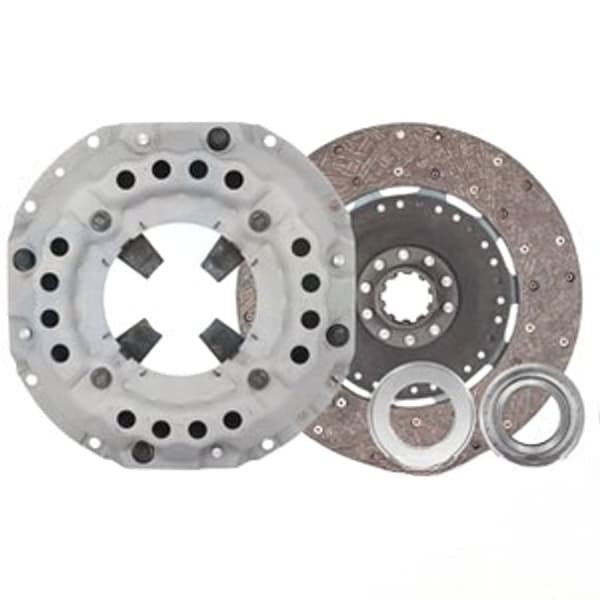
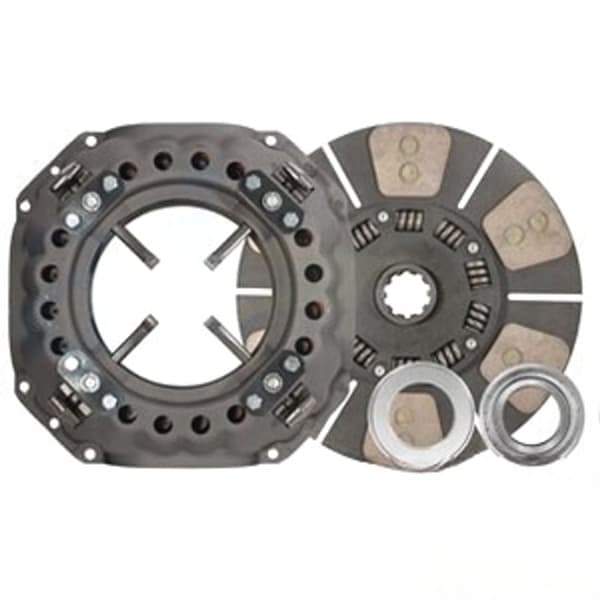
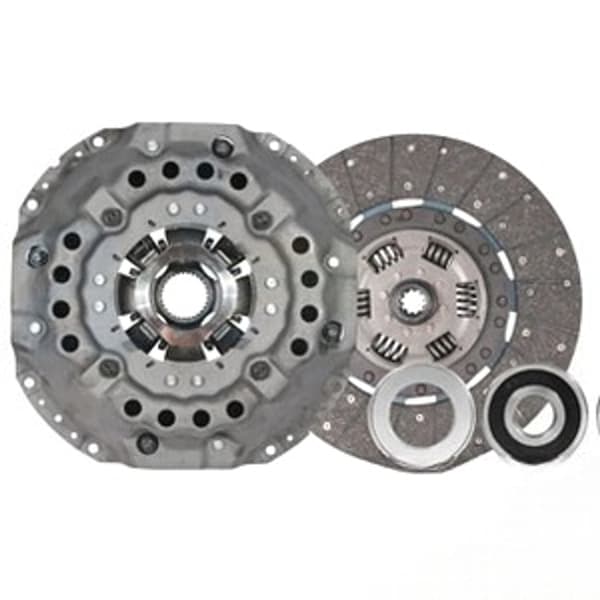
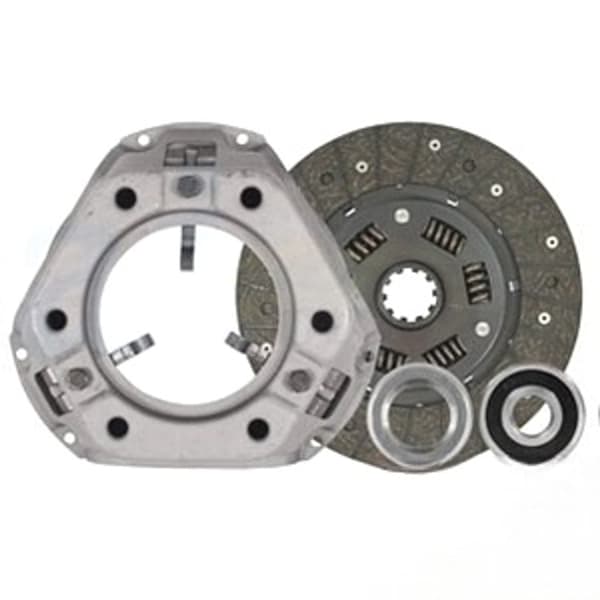 CLK100 - Clutch Kit: 9", Pressure Plate, Trans Disc, Release Bearing, Pilot BearingCLK100Out of stock$145.82
🔍 Looking for a specific part? Try our AI Part Finder — tell it your equipment and what you need, and it will find matching parts instantly.
Whether you're working on a classic Ford 8N or a newer New Holland model (a direct descendent of Ford tractors), knowing your transmission type is the first step towards keeping your tractor running smoothly. And when things do break down, Madison Tractor Company is here to supply the parts you need. We carry a wide range of replacement parts for Ford, New Holland, John Deere, Case IH, Massey Ferguson, Kubota, and many other brands. You can find everything from radiators and water pumps to complete clutch kits and PTO parts.
The Workhorse: Ford 4-Speed Transmission
The 4-speed transmission is a simple, robust design found in many older Ford tractors, particularly the N series (9N, 2N, 8N). It's known for its durability and ease of repair, making it a favorite among vintage tractor enthusiasts. It offers four forward gears and one reverse, providing adequate speed ranges for many common farm tasks.
Operation and Maintenance
Operating the 4-speed is straightforward. The gear lever is typically located on the transmission housing. Regular maintenance is critical. This includes:
- Checking and changing the transmission fluid: Use the correct type of gear oil as specified in your tractor's manual. A common recommendation is 80W-90 gear oil. The fill plug is usually located on the top or side of the transmission housing, while the drain plug is at the bottom.
- Adjusting the clutch, including components like the pressure plate: Proper clutch adjustment ensures smooth gear engagement and prevents excessive wear. Consult your operator's manual for the correct procedure, or refer to our guide on Ford Tractor Clutch Kit: Single & Dual Stage Models.
- Inspecting for leaks: Oil leaks can indicate worn seals or gaskets. Replace them promptly to prevent further damage.
Troubleshooting Common Issues
- Hard shifting: Could indicate low fluid, worn synchronizers (if equipped), or a misadjusted clutch.
- Jumping out of gear: Often caused by worn gear teeth or shift forks.
- Excessive noise: May indicate worn bearings or damaged gears.
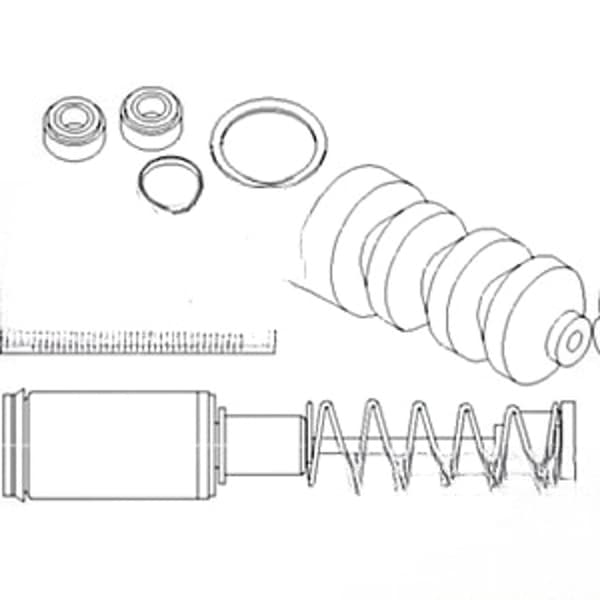
When repairing a 4-speed, common replacement parts include gears, bearings, seals, gaskets, and shift forks. Madison Tractor Company offers a comprehensive selection of these parts for various Ford tractor models. For example, if you need a replacement clutch master cylinder repair kit for the input shaft on a Ford 8N, you might be looking for a part similar to an OEM number like 8N3507.
Expanding Capabilities: Ford 8-Speed Transmission
The 8-speed transmission, sometimes referred to as the Select-O-Speed Powershift (but is NOT to be confused with the actual Select-O-Speed transmission – see below), offers greater versatility than the 4-speed. It provides a wider range of speeds, allowing operators to fine-tune the tractor's performance for different tasks. It's typically found on larger and newer Ford tractors, such as the Ford 6000 series and later models.
Understanding the Design
The 8-speed is essentially a 4-speed transmission with a high-low range selector. This doubles the number of available speeds. Some variations may incorporate a dual-power feature for even more flexibility.
Maintenance Considerations
Maintenance is similar to the 4-speed, but with added complexity due to the range selector mechanism. Pay close attention to:
- Fluid levels and condition: Ensure the correct type and level of transmission fluid. Inspect for contaminants and change the fluid regularly.
- Range selector linkage: Check for proper adjustment and lubrication to ensure smooth shifting between ranges.
- Clutch adjustment: As with the 4-speed, a properly adjusted clutch is essential for smooth operation. Check out our John Deere Tractor Clutch Kit: Disc, Pressure Plate & Bearing guide for general clutch info - the principles are the same, even if the parts are different.
Troubleshooting Tips
- Difficulty shifting between ranges: Could indicate a problem with the range selector linkage or a hydraulic issue (if equipped with a power shift range selector).
- Noise in a specific range: May indicate worn gears or bearings in that range.
Repairing an 8-speed transmission often involves replacing gears, bearings, seals, and shift forks. Because of the added complexity, it's essential to have a service manual specific to your tractor model. Madison Tractor Company stocks a wide array of parts to help you keep your 8-speed transmission in top condition. When working on your transmission, remember safety first! Always disconnect the battery before starting any repairs. Also, remember to check your tractor throw out bearing when you have the tractor split, as this is a common wear item. We carry throw out bearings for many Ford tractor models.
The Innovative (and Complex): Ford Select-O-Speed Transmission
The Ford Select-O-Speed transmission, introduced in the late 1950s, was a groundbreaking but ultimately problematic design. It was an early attempt at a power-shift transmission, offering ten forward speeds and two reverse speeds without the need to declutch. While innovative, it was also complex and prone to breakdowns. It was primarily found on Ford 600, 800, and 2000 series tractors.
Understanding the Mechanics
The Select-O-Speed uses a series of clutches and brakes controlled by hydraulic pressure to engage different gear ratios. This allowed the operator to shift gears on the go without using the clutch pedal.
Maintenance Challenges
The Select-O-Speed is notorious for its maintenance challenges. Due to its complexity, repairs often require specialized tools and knowledge. Key maintenance points include:
- Maintaining hydraulic fluid levels and cleanliness: The Select-O-Speed relies heavily on hydraulic pressure, so maintaining the correct fluid level and ensuring the fluid is clean is critical.
- Adjusting control linkages: Proper adjustment of the control linkages is essential for smooth shifting.
- Monitoring clutch pressure plate and brake pack wear: Over time, the clutches and brakes within the transmission will wear down. Regular inspections are necessary to prevent catastrophic failures.
Troubleshooting and Repair
Troubleshooting a Select-O-Speed transmission can be difficult. Common issues include:
- Erratic shifting: Can be caused by low hydraulic pressure, worn clutches or brakes, or misadjusted linkages.
- Failure to shift: Often indicates a hydraulic problem or a failed clutch or brake pack.
- Overheating: Can be caused by low fluid, internal leaks, or worn components.
Repairing a Select-O-Speed transmission is best left to experienced technicians. Parts can be difficult to find, and the repair process is complex. If you own a tractor with a Select-O-Speed transmission, it's essential to have access to a good service manual and a knowledgeable mechanic. While Madison Tractor Company may not stock every single part for the Select-O-Speed, we can often source specific components or point you in the right direction. For common maintenance items like filters and gaskets, we can certainly help. If you suspect a problem with your tractor PTO clutch, remember that many Select-O-Speed models had independent PTO, adding another layer of complexity to the drivetrain. We also carry parts for other power transmission brands such as Allis Chalmers, Deutz, International Harvester, Oliver, White, Gleaner, Vermeer, Hesston, Mahindra, and Zetor tractors.
Tips for Extending Transmission Life
Regardless of the type of Ford tractor transmission you have, here are some general tips for extending its life:
- Use the correct type of transmission fluid: Consult your tractor's operator's manual for the recommended fluid type.
- Change the fluid regularly: Follow the manufacturer's recommended service intervals.
- Adjust the clutch properly: A misadjusted clutch can cause excessive wear on the transmission.
- Avoid abusive operating practices: Don't overload the tractor or engage in aggressive shifting.
- Inspect for leaks and address them promptly: Leaks can lead to low fluid levels and damage to internal components.
Shop Ford Tractor Transmission Parts at Madison Tractor Company
At Madison Tractor Company, we understand the importance of keeping your Ford tractor running smoothly. That's why we offer a wide selection of high-quality transmission parts for all types of Ford tractors, from vintage models to newer New Holland machines. Whether you need gears, bearings, seals, gaskets, or complete clutch kits, or transmission assemblies, we have you covered. Browse our online catalog or contact our knowledgeable parts specialists today to find the right parts for your needs. We also stock parts for other critical systems, like fuel systems (including fuel pumps, carburetors, and injectors) and engine parts (including pistons, bearings, and seals). We're committed to providing you with the best parts and service to keep your tractor working hard for years to come.
🔍 Can't Find Your Part?
Use our AI-Powered Part Finder to search by your equipment's make, model, and what you need. It's the fastest way to find the exact part for your machine.
Try the Part Finder →Part of our comprehensive guide
Tractor Clutch Replacement Guide: Kits, Adjustment & Installation