








John Deere Round Baler Belt: 335, 385, 450 & 569
Keep your John Deere round baler running smoothly with the right belt. This guide covers maintenance, replacement, and choosing the correct belt for popular models like the 335, 385, 450, and 569.
Introduction to John Deere Baler Belts
A reliable baler is crucial for efficient hay production, and the john deere baler belt is a critical component. The belts are responsible for forming the bale, and their condition directly affects the quality and consistency of your bales. Whether you're working with a John Deere 335, 385, 450, or a more modern 569, understanding your baler's belt system is essential for minimizing downtime and maximizing productivity. Madison Tractor Company understands that you rely on your hay equipment, and we're here to provide the expertise and parts you need.
Recommended Parts for This Guide
8 parts we recommend — in stock, ships fast, one-click add to cart.
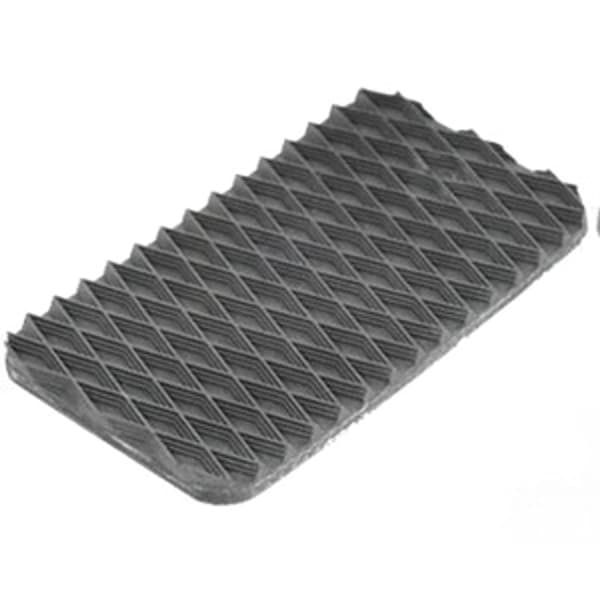
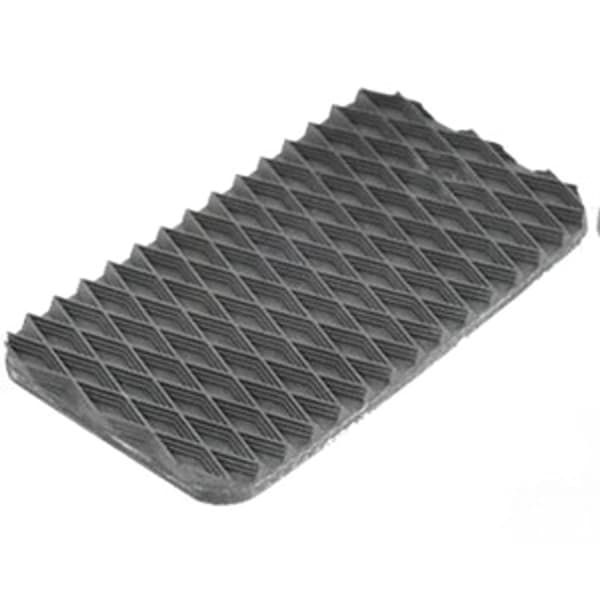
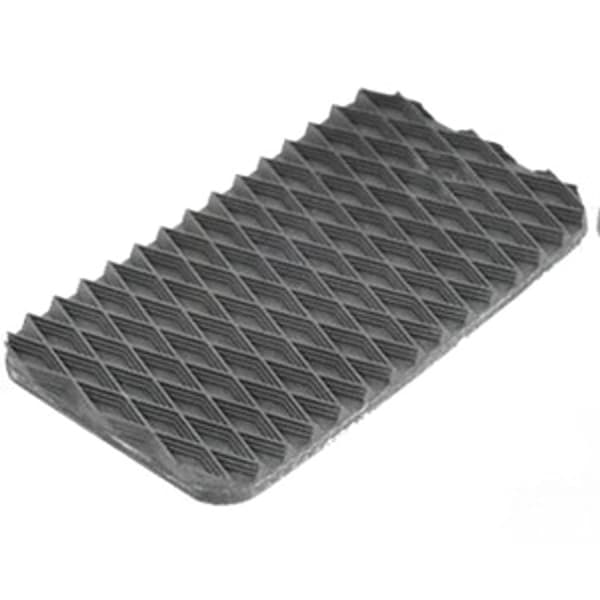
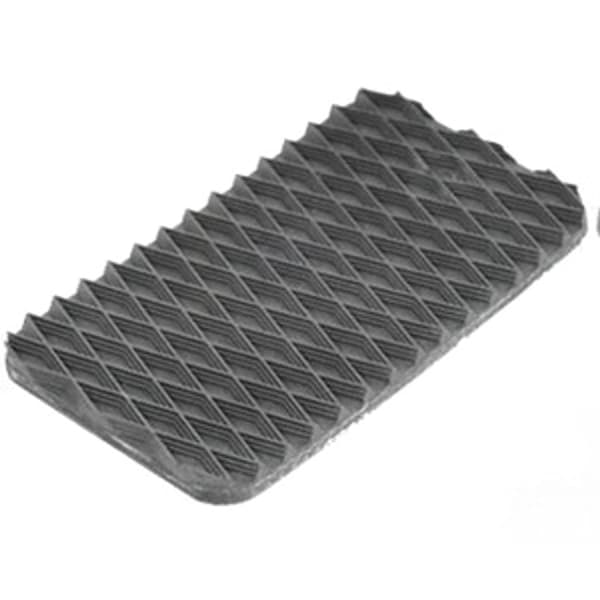
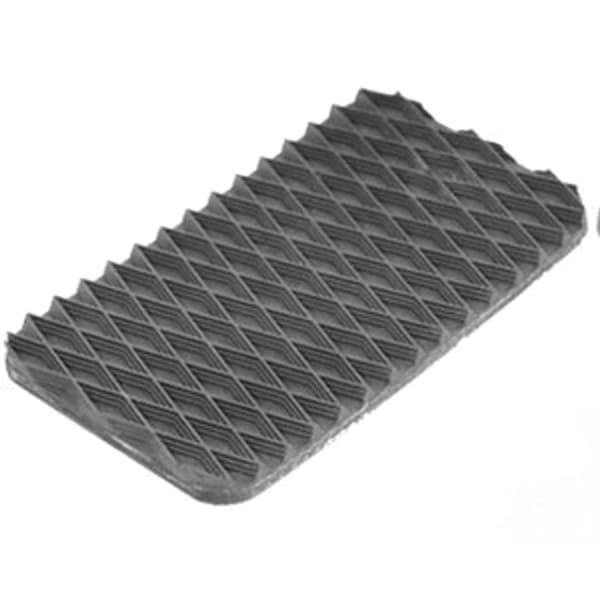
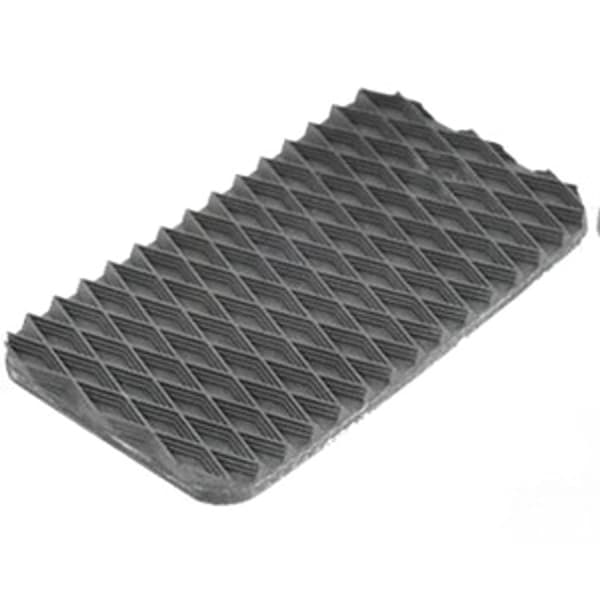
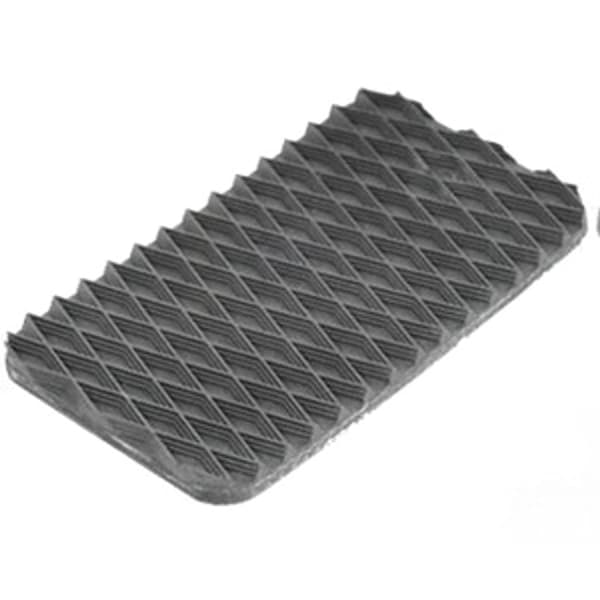
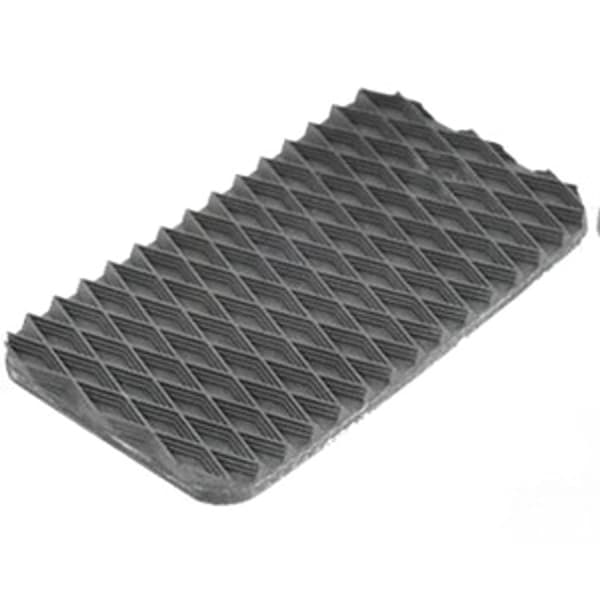
🔍 Looking for a specific part? Try our AI Part Finder — tell it your equipment and what you need, and it will find matching parts instantly.
This article focuses specifically on John Deere round balers – the 335, 385, 450, and 569 models, discussing common belt issues, maintenance tips, and replacement options. Keep in mind that many of these tips apply to other baler brands like Case IH, New Holland, Massey Ferguson, and more. You can find round baler belts for various brands at Madison Tractor Company.
Understanding Your Baler Belt System
Before diving into specific models, let's understand the basics of a round baler belt system. Most John Deere round balers utilize multiple belts, typically three or more, arranged in a continuous loop. These belts rotate within the baler chamber, catching the incoming hay or forage and rolling it into a cylindrical bale. The tension and friction of the belts compress the material, forming a dense and uniform bale.
Key components related to the belts include:
- Belts: The primary drivers of bale formation.
- Belt Lacings (or Connectors): Connect the ends of the belts to form a continuous loop.
- Tension Springs: Maintain proper belt tension for optimal bale formation.
- Rollers/Idlers: Guide and support the belts, ensuring smooth operation.
- Bearings: Allow rollers and idlers to rotate freely.
Common Issues with John Deere Baler Belts
Several factors can lead to baler belt problems. Recognizing these issues early can prevent more significant damage and costly repairs. Always remember to consult your baler's operator's manual before performing any maintenance or repairs.
- Wear and Tear: Over time, belts naturally wear down due to friction and exposure to the elements.
- Lacing Failure: Lacings are a common point of failure. Inspect them regularly for wear, damage, or loosening.
- Tears and Rips: Sharp objects or uneven crop flow can cause tears in the belts.
- Stretching: Belts can stretch over time, reducing their tension and affecting bale density.
- Slippage: Worn or contaminated belts can slip on the rollers, reducing their effectiveness.
- Misalignment: Misaligned rollers or idlers can cause uneven wear and premature failure.
Safety Warning: Always disengage the PTO and turn off the engine before inspecting or working on baler belts.
Model-Specific Considerations: 335, 385, 450 & 569
While the basic principles of baler belt systems are similar across models, there are some differences in belt size, configuration, and tension requirements. Here's a brief overview of each model:
John Deere 335 Round Baler
The 335 is an older model, but still popular on many farms. It generally uses three belts. Proper belt tension is critical for this model to produce well-formed bales. Consult your operator's manual for the correct tension settings. When replacing belts, consider a matched set for consistent performance.
John Deere 385 Round Baler
The 385 is a step up from the 335, often featuring wider belts for increased capacity. Check for proper belt alignment regularly to prevent premature wear. Also, carefully inspect the belt lacings, as they are subjected to significant stress on this model. The 385 typically uses 3 or 4 belts depending on the specific configuration.
John Deere 450 Round Baler
The 450 introduced some improvements in belt tracking and tensioning. Pay close attention to the tension springs and ensure they are in good working order. Replace them if they are weak or broken. Proper spring tension is critical to bale density. Using quality replacement filters and keeping the machine clean are crucial to preventative maintenance.
John Deere 569 Round Baler
The 569 is a more modern baler, often equipped with features like net wrap and auto-tie. It typically uses a series of 7 belts, which are narrower than on older models. Ensure that all belts are of the correct length and tension for optimal performance. This model is known for its capacity, so make sure you keep all baler pickup teeth in good order.
Baler Belt Maintenance Tips
Regular maintenance is key to extending the life of your baler belts. Here are some tips:
- Regular Inspection: Inspect belts regularly for wear, tears, and damage. Pay close attention to the lacings.
- Proper Tension: Maintain proper belt tension according to the manufacturer's specifications. Consult your operator's manual.
- Cleanliness: Keep the belts and rollers clean of debris and buildup. Use a brush or scraper to remove accumulated material.
- Lubrication: Lubricate rollers and idler bearings regularly to ensure smooth operation. See your operator's manual for proper greasing points and intervals. Madison Tractor stocks a wide variety of lubricants for all your needs.
- Storage: When storing your baler for extended periods, release the belt tension to prevent stretching.
- Even Crop Flow: Maintain a consistent and even crop flow to prevent overloading the belts.
Replacing Your John Deere Baler Belts
When belts become excessively worn, damaged, or stretched, replacement is necessary. Here's a general procedure for replacing baler belts (always refer to your operator's manual for specific instructions):
- Preparation: Disengage the PTO, turn off the engine, and ensure the baler is safely supported.
- Belt Removal: Carefully remove the old belts. This may involve disconnecting the lacings or releasing tension.
- Inspection: Inspect the rollers, idlers, and bearings for wear or damage. Replace any worn or damaged components.
- Belt Installation: Install the new belts, ensuring they are properly aligned and oriented.
- Lacing Connection: Connect the belt ends using new lacings. Follow the manufacturer's instructions for proper lacing installation.
- Tension Adjustment: Adjust the belt tension according to the manufacturer's specifications.
- Testing: Run the baler at a slow speed to check for proper belt tracking and tension. Make any necessary adjustments.
Note: Replacing all belts at the same time is highly recommended. This ensures even wear and consistent performance. At Madison Tractor Company, we sell baler belts for John Deere and many other brands including Ford, New Holland, Case IH, Massey Ferguson, Kubota, Allis Chalmers, Deutz, International Harvester, Oliver, White, Gleaner, Vermeer, Hesston, Mahindra, and Zetor. Replacing worn baler knotter parts at the same time is a great idea.
Choosing the Right Baler Belt
Selecting the correct replacement belt is crucial for optimal performance and longevity. Consider the following factors:
- Belt Type: Choose a belt type specifically designed for your baler model and the type of crop you are baling.
- Belt Size: Ensure the belt is the correct width and length. Refer to your operator's manual or a parts catalog for the correct dimensions.
- Lacing Type: Select a lacing type that is compatible with your baler and the type of belt.
- Quality: Invest in high-quality belts from a reputable manufacturer for increased durability and performance. Madison Tractor Company offers a wide selection of high-quality baler belts.
Specific OEM part numbers for John Deere Baler Belts can vary, but cross-reference numbers are readily available to help you find the correct replacement. Consult with Madison Tractor's knowledgeable parts experts to ensure you are getting the right part for your baler.
When replacing your John Deere baler parts, don't forget to inspect other crucial components such as the PTO parts, chains, sprockets, and bearings. Addressing these components simultaneously can save you time and prevent future breakdowns.
Conclusion
Proper baler belt maintenance and timely replacement are essential for maximizing the efficiency and lifespan of your John Deere 335, 385, 450, or 569 round baler. By following the tips and guidelines outlined in this article, you can ensure that your baler operates at its best and produces high-quality bales. Remember, regular maintenance is a smart investment that will pay off in the long run. Choosing the proper baler twine or net wrap can also drastically impact the quality of your bales.
Madison Tractor Company is your trusted source for all your agricultural and outdoor power equipment parts needs. We carry a wide selection of John Deere baler belts, lacings, and other related components. Our knowledgeable staff is ready to assist you in finding the right parts for your specific baler model. Browse our extensive catalog online, or contact us today for expert assistance!
Ready to get your baler running smoothly? Shop our selection of John Deere baler parts at Madison Tractor today!
🔍 Can't Find Your Part?
Use our AI-Powered Part Finder to search by your equipment's make, model, and what you need. It's the fastest way to find the exact part for your machine.
Try the Part Finder →Part of our comprehensive guide
Hay Equipment Parts Guide: Baler, Mower & Rake Replacement Parts