








Round Baler Belts: Replacement Belts by Brand & Model
Round baler belts are critical for efficient hay production. This guide helps you identify, inspect, and replace your belts, ensuring optimal performance from your baler. We cover common brands like John Deere, New Holland, Case IH, and more.
Round balers revolutionized hay production, and at the heart of their operation are the belts. These belts are responsible for forming the hay into tight, uniform bales. Over time, they wear, stretch, and break, impacting bale quality and productivity. This guide from Madison Tractor Company will walk you through identifying, inspecting, and replacing your round baler belts to keep your operation running smoothly. Remember to browse our selection of baler parts for all your maintenance needs.
Recommended Parts for This Guide
8 parts we recommend — in stock, ships fast, one-click add to cart.
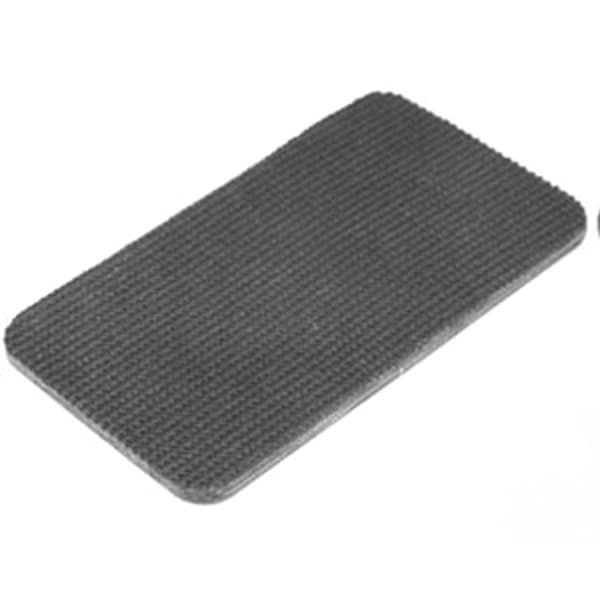
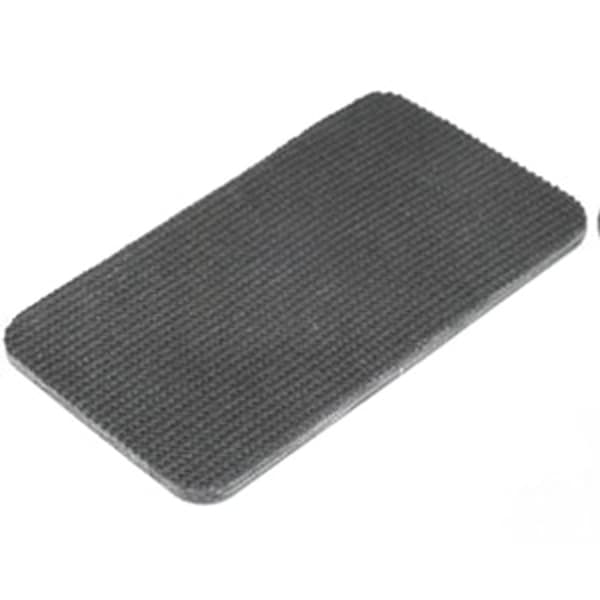
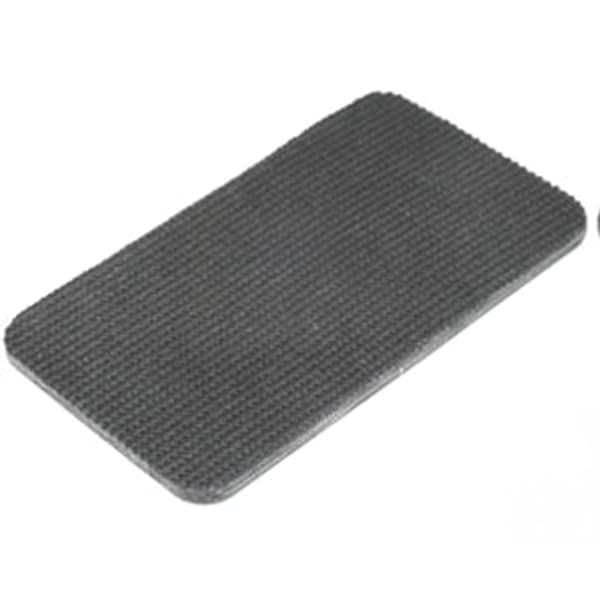
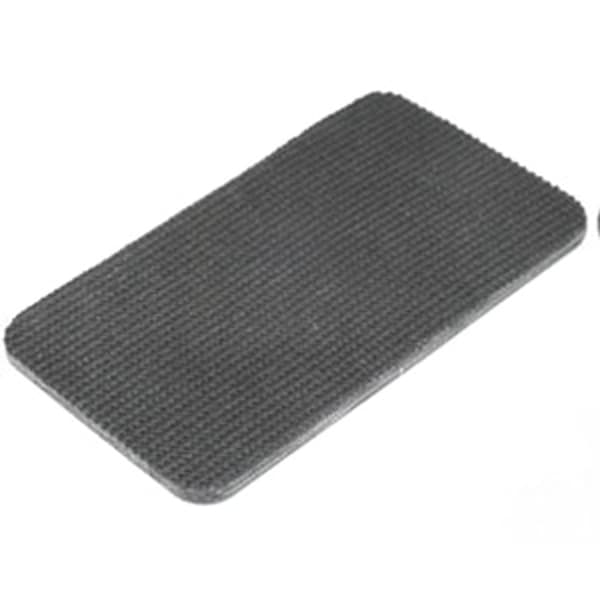
🔍 Looking for a specific part? Try our AI Part Finder — tell it your equipment and what you need, and it will find matching parts instantly.
Understanding Round Baler Belt Types
Not all baler belts are created equal. Several factors differentiate them, including material, construction, and surface pattern. The right belt depends on your baler model and the type of hay you're baling. Here's a breakdown:
- Material: Most baler belts are made from rubber, often reinforced with fabric or cords for added strength. Some premium belts use synthetic materials for improved wear resistance and performance in challenging conditions.
- Construction: Belts can be endless (a continuous loop) or laced (connected with metal or plastic laces). Endless belts generally offer superior strength and durability, while laced belts allow for easier replacement and adjustment.
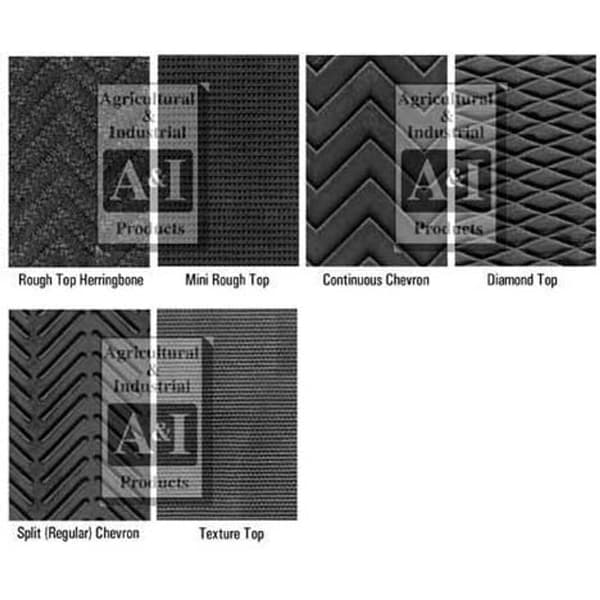
- Surface Pattern: Different patterns, such as diamond, chevron, or flat, influence the belt's grip on the hay. The ideal pattern depends on the type of hay being baled. Rougher patterns provide better grip for dry, slippery hay, while smoother patterns are suitable for wetter, stickier hay.
Knowing your baler model and hay type is crucial for selecting the right replacement round baler belts.
Identifying Common Round Baler Belt Problems
Regularly inspecting your baler belts can prevent costly breakdowns and ensure consistent bale quality. Look for these common problems:
- Cracking and Fraying: Caused by age, exposure to sunlight, and constant flexing.
- Stretching: Results in loose bales and reduced baling efficiency.
- Cuts and Tears: Often caused by sharp objects or misaligned components.
- Delamination: Separation of the belt layers, weakening its structure.
- Slippage: Indicates worn belts, improper tension, or excessive moisture.
- Uneven Wear: Can indicate misaligned rollers or bearings.
If you notice any of these issues, it's time to consider replacing your belts. Continuing to operate with damaged belts can lead to more serious problems and downtime.
Round Baler Belt Replacement: By Brand & Model
Finding the correct replacement belts requires knowing your baler's make and model. Here's a breakdown of common brands and specific considerations for their balers:
John Deere Baler Belts
John Deere balers are known for their reliability and performance. Common models include the 459, 469, 569, 450M, 450E, 560M, and 560R series. When replacing John Deere baler parts, ensure you use belts specifically designed for these models.
- Belt Identification: Search available parts
- Tensioning: Proper belt tension is crucial. Refer to your John Deere operator's manual for specific tensioning procedures.
- Specific Considerations: The 469 and 569 models often require different belt configurations than older models.
Don't forget to check your John Deere baler parts for wear while you are replacing the belts. Consider replacing bearings or rollers if they are showing signs of wear to extend the life of your new belts.
New Holland Baler Belts
New Holland balers are another popular choice, known for their innovative designs. Common models include the BR7060, BR7070, 650, 660, 648, Roll-Belt series, and the 850 series.
- Belt Identification: Look for the New Holland part number on the belt itself. Common New Holland belt part numbers include 86612334, 86612335, 86547700, and 86547701.
- Laced vs. Endless: Some New Holland models use laced belts, while others use endless belts. Ensure you order the correct type.
- Specific Considerations: The Roll-Belt series features unique belt designs. The New Holland baler parts for these models often require specialized belts.
Case IH Baler Belts
Case IH balers share many similarities with New Holland models, as they are both brands under CNH Industrial. Common models include the RB455, RB465, RB565, and LB series.
- Belt Identification: Case IH belt part numbers are often the same as New Holland part numbers.
- Interchangeability: In many cases, New Holland and Case IH belts are interchangeable. Always verify compatibility with your specific model.
- Specific Considerations: The Case IH baler parts require precise belt alignment to prevent premature wear.
Other Brands
Madison Tractor Company also carries baler belts for other major brands, including:
- Vermeer: Known for their innovative designs, Vermeer balers often require specific belt sizes and patterns.
- Hesston: Hesston balers are a popular choice for large-scale hay operations.
- Massey Ferguson: Reliable and durable, Massey Ferguson balers require quality replacement belts for optimal performance.
- Krone: Known for high density bales and advanced technology, Krone balers demand specific belt types.
For these and other brands like Ford, Kubota, Allis Chalmers, Deutz, International Harvester, Oliver, White, Gleaner, Mahindra, and Zetor, always consult your operator's manual or a knowledgeable parts specialist like those at Madison Tractor to ensure you get the correct replacement belts.
Step-by-Step Baler Belt Replacement
Replacing baler belts can seem daunting, but with the right tools and instructions, it's a manageable task. Always consult your operator's manual for specific instructions for your baler model. Disconnect the PTO and ensure the baler is safely supported before beginning any work.
- Gather Your Tools: Wrenches, sockets, pliers, belt tension gauge (if required), and new baler belts.
- Release Belt Tension: Most balers have a mechanism to release tension on the belts. Follow your operator's manual for the correct procedure.
- Remove Old Belts: If laced, unlace the belts. If endless, you may need to remove rollers or other components to create enough slack to remove the old belts.
- Install New Belts: Install the new belts, ensuring they are properly aligned.
- Tension the Belts: Use the belt tensioning mechanism to achieve the correct tension. Refer to your operator's manual for specific tensioning specifications.
- Check Alignment: Ensure all belts are running straight and true. Misalignment can cause premature wear. Consider inspecting your belt guides for wear.
- Test Run: Run the baler at a slow speed to check belt tracking and tension. Make any necessary adjustments.
Safety Warning: Always wear appropriate personal protective equipment (PPE), including gloves and eye protection, when working on farm machinery.
Tips for Extending Round Baler Belt Life
Proper maintenance can significantly extend the life of your baler belts:
- Regular Inspection: Check belts regularly for signs of wear and damage.
- Proper Tension: Maintain correct belt tension according to your operator's manual. Too much tension can cause premature wear, while too little tension can lead to slippage.
- Cleanliness: Keep belts clean and free from debris.
- Storage: When storing your baler for extended periods, release belt tension to prevent stretching.
- Lubrication: Lubricate rollers and bearings regularly to ensure smooth operation.
- Avoid Overloading: Don't overload the baler, as this can put excessive stress on the belts.
- Proper Bale Density Settings: Ensure that your bale density settings are appropriate for the type of hay you are baling. Excessively dense bales can place undue stress on the belts.
By following these tips, you can maximize the lifespan of your round baler belts and reduce maintenance costs. Replacing other baler pickup teeth and inspecting other components suchs as baler knotter parts can also extend the life of your belts by helping to reduce the risk of jamming. Ensure your baler has quality baler twine or round baler net wrap to improve performance and help extend belt life.
Shop Round Baler Belts at Madison Tractor
At Madison Tractor Company, we understand the importance of reliable hay equipment. We offer a wide selection of round baler belts for all major brands, including John Deere, New Holland, Case IH, and more. Our knowledgeable parts specialists can help you find the right belts for your specific baler model. Plus, we carry all the other parts you need to keep your hay and forage equipment running smoothly, from radiators and water pumps to PTO parts and filters. Shop with confidence knowing you're getting quality parts at competitive prices. Contact us today to find the perfect hay and forage equipment parts for your needs!
🔍 Can't Find Your Part?
Use our AI-Powered Part Finder to search by your equipment's make, model, and what you need. It's the fastest way to find the exact part for your machine.
Try the Part Finder →Part of our comprehensive guide
Hay Equipment Parts Guide: Baler, Mower & Rake Replacement Parts