








Baler Knotter Parts: Bills, Discs & Twine Fingers
A properly functioning knotter is crucial for efficient baling. This guide covers common baler knotter parts, troubleshooting tips, and maintenance advice to keep your square baler tying tight knots. Learn about bills, discs, twine fingers, and more.
Understanding Baler Knotter Systems
The knotter is the heart of any square baler. Its job is simple: securely tie the twine around the bale to maintain its shape. However, the mechanism is complex and requires precise timing and functioning of its many components. When your knotter malfunctions, it can lead to missed bales, loose bales wasted twine. Understanding the system and identifying failing John Deere baler parts (or any other brand) is the first step to getting back in the field. This guide will focus on the critical components of the knotter system: bills, discs twine fingers.
Recommended Parts for This Guide
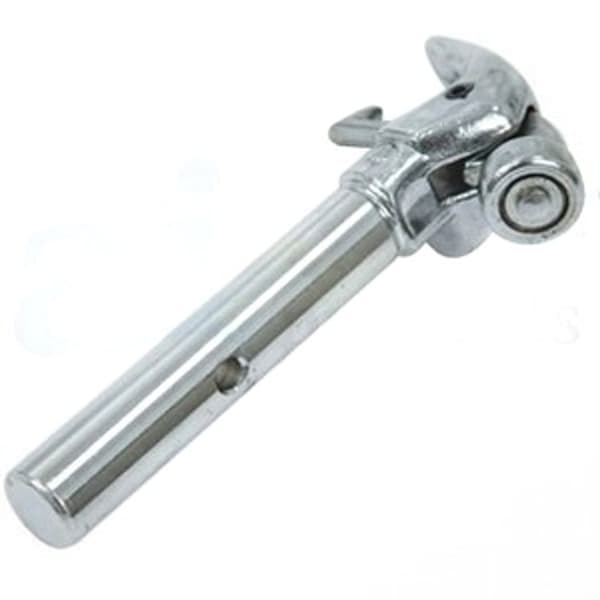
1 part we recommend — in stock, ships fast, one-click add to cart.
🔍 Looking for a specific part? Try our AI Part Finder — tell it your equipment and what you need, and it will find matching parts instantly.
Before diving into specific parts, remember safety first! Always disengage the PTO, turn off the tractor wait for all moving parts to come to a complete stop before inspecting or working on your baler. Refer to your baler's operator's manual for specific safety precautions.
Key Baler Knotter Parts
Baler Knotter Bills (Needles)
The knotter bill, often called a needle, carries the twine up from the twine box to the knotter assembly. These needles must be perfectly aligned and timed. Damage or misalignment can lead to missed knots, uneven bales even damage to the knotter assembly itself. Common problems
- Bent or Broken Needles Caused by obstructions in the bale chamber or improper timing.
- Worn Needle Eye The eye through which the twine passes can wear, causing the twine to fray or break.
- Misalignment If the needle isn't aligned correctly, it won't properly deliver the twine to the knotter.
Troubleshooting and Maintenance
- Visual Inspection Check for bends, cracks, or wear. Replace damaged needles immediately.
- Alignment Check Use a straight edge to ensure the needle is properly aligned with the knotter assembly. Refer to your operator's manual for specific alignment procedures and specifications.
- Timing Improper needle timing is a common cause of knotter problems. Consult your operator's manual for timing instructions. Note that John Deere balers, for instance, will have different timing procedures than New Holland baler parts and timing.
Baler Knotter Discs (Twine Discs)
The twine disc (also called the twine holder or twine retainer) holds the twine securely during the knotting process. These discs are spring-loaded and apply pressure to grip the twine. Worn or damaged discs can lead to loose knots or missed knots.
Common problems
- Worn Disc Surface The surface that grips the twine can wear smooth, reducing its holding power.
- Weak or Broken Springs The spring tension weakens over time, reducing the disc's ability to grip the twine.
- Contamination Dirt, debris, or old twine can accumulate between the disc surfaces, preventing proper grip.
Troubleshooting and Maintenance
- Inspection Check the disc surfaces for wear and the springs for damage.
- Cleaning Clean the discs regularly with a wire brush to remove debris.
- Tension Adjustment Many twine discs have adjustable tension. Increase the tension if the twine is slipping, but be careful not to overtighten, which can damage the twine or the disc itself.
- Replacement Replace worn discs and springs as needed.
For a Case IH baler, part number 87763543 represents a common twine disc assembly found on many RB series balers. Regularly inspecting and maintaining these discs is vital for consistent knotting. It's also worth noting that using the right baler twine affects how long the twine discs will last.
baler twine Fingers (Knotter Fingers)
Twine fingers, also known as knotter fingers or bill hooks, play a crucial role in grasping and manipulating the twine to form the knot. These fingers work in conjunction with the knotter bills and discs to complete the knotting cycle. If the fingers are worn, bent, or broken, they can cause missed knots, dropped bales frustration.
Common Problems
- Wear and Tear Continuous use can wear down the finger tips, reducing their ability to grip the twine securely.
- Bent Fingers Obstructions or misadjustments can bend the fingers, disrupting the knotting process.
- Broken Fingers Over time, the fingers can fatigue and break, rendering them useless.
Troubleshooting and Maintenance
- Visual Inspection Closely examine the fingers for wear, bends, cracks, or breaks.
- Alignment Ensure the fingers are properly aligned with the knotter assembly. Misalignment can cause them to miss the twine or interfere with other components.
- Lubrication Apply a light coat of oil or grease to the moving parts of the knotter fingers to reduce friction and wear.
- Replacement Replace worn or damaged fingers promptly to maintain consistent knotting performance.
Massey Ferguson balers, for instance, may use a knotter finger assembly with a part number similar to 700716823. Replacing these components ensures the twine is grabbed and pulled through the knotting cycle correctly. It’s imperative to keep an eye on these fingers, as a malfunctioning one can drastically decrease baling efficiency.
General Knotter System Maintenance
Beyond the individual components, regular maintenance of the entire knotter system is crucial for reliable performance. Consider these best practices
- Regular Cleaning Use compressed air to blow away accumulated dust, chaff twine debris from the knotter assembly.
- Proper Lubrication Lubricate all moving parts of the knotter system according to the manufacturer's recommendations. Use a high-quality lubricant designed for agricultural equipment.
- Correct Twine Tension Ensure the twine tension is properly adjusted. Too much tension can strain the knotter mechanism, while too little tension can lead to loose knots.
- Sharp knotter knives Dull knives will not cut the twine cleanly, leading to loose ends and unraveling bales. Sharpen or replace the knives as needed.
- Inspect Gears & Chains Check the gears and chains driving the knotter system for wear, damage proper lubrication. Replace worn components to prevent breakdowns. We carry a wide variety of belts, chains sprockets for all makes and models.
Troubleshooting Common Knotter Problems
Here are some common knotter problems and potential solutions
- Missed Knots Check needle timing, twine disc tension knotter finger condition.
- Loose Knots Inspect twine disc surfaces, knotter knives twine tension.
- Twine Breakage Look for worn needle eyes, sharp edges on the knotter assembly incorrect twine type.
- Uneven Bales Verify needle alignment and bale density settings.
Remember to consult your baler's operator's manual for specific troubleshooting procedures and diagrams. Often, you can find exploded views of the knotter assembly which help you identify the exact Case IH baler parts or john deere baler parts you need.
Madison Tractor Company carries a wide range of parts for various brands, including Ford, Kubota, Allis Chalmers, Deutz, International Harvester, Oliver, White, Gleaner, Vermeer, Hesston, Mahindra Zetor. Whether you need a new radiator, water pump, starter, alternator, hydraulic pump, cylinder, clutch kit, PTO part, fuel pump, carburetor, injector, filter, gasket, piston, bearing, seal, or simply need some new baler pickup teeth we can help you find the right part.
Shop Baler Knotter Parts at Madison Tractor Company
Don't let knotter problems slow you down during hay season. At Madison Tractor Company, we understand the importance of keeping your baler running smoothly. We stock a comprehensive selection of high-quality baler knotter parts for all major brands, including John Deere, New Holland, Case IH more. Browse our online catalog or contact our knowledgeable parts specialists for assistance in finding the right baler parts for your machine. Get back to baling with confidence! You can also use our AI-Powered Part Finder to search for parts by your specific make and model.
Part of our comprehensive guide
Hay Equipment Parts Guide: Baler, Mower & Rake Replacement Parts