








Baler Hydraulic Cylinder: Tailgate & Density Control
Baler hydraulic cylinders are critical for tailgate operation and density control, ensuring consistent bale formation. Learn how to troubleshoot, maintain, and replace these vital components to keep your baler running smoothly.
A properly functioning baler is essential for efficient hay and forage production. Among its many vital components, the baler hydraulic cylinder plays a crucial role, particularly in controlling the tailgate (rear gate) and bale density. These cylinders provide the muscle needed to open and close the tailgate for bale ejection, and to apply consistent pressure for uniform bale density. Without them, your baler's performance – and your hay harvest – will suffer. This guide will walk you through the common issues, maintenance, and replacement of baler hydraulic cylinders.
Recommended Parts for This Guide
4 parts we recommend — in stock, ships fast, one-click add to cart.
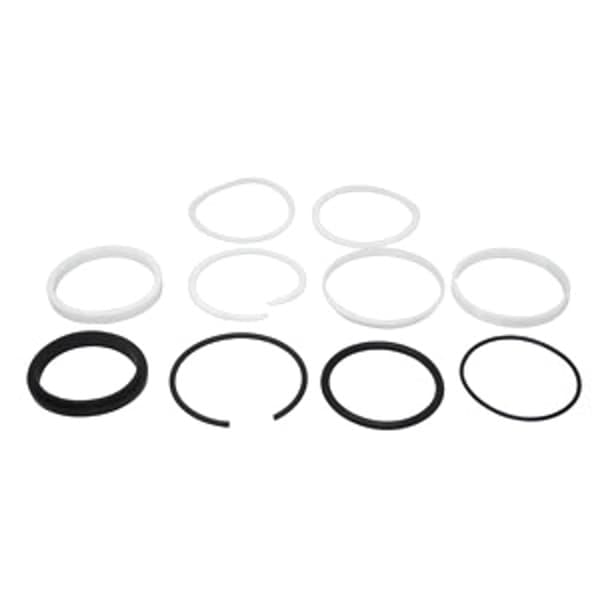
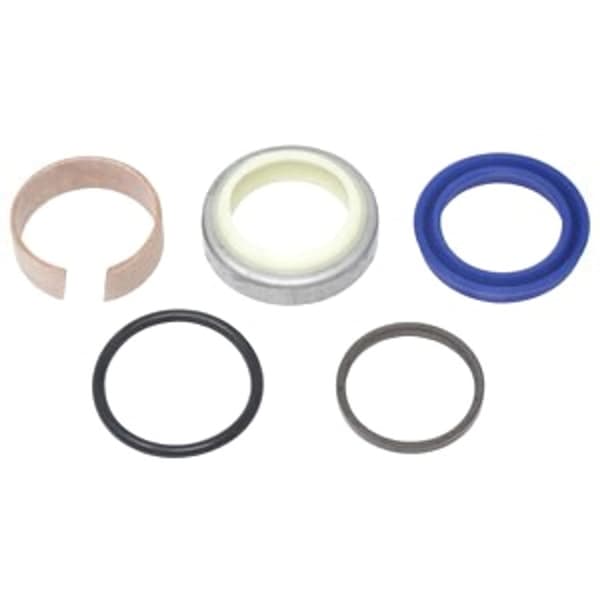
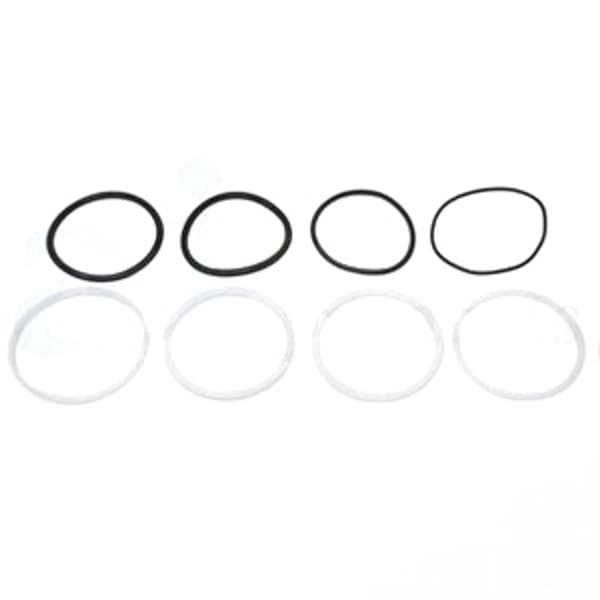
🔍 Looking for a specific part? Try our AI Part Finder — tell it your equipment and what you need, and it will find matching parts instantly.
Introduction to Baler Hydraulic Systems
Most modern balers rely on hydraulic systems to power several functions, including:
- Tailgate Operation: Raising and lowering the rear gate for bale ejection.
- Density Control: Applying pressure to the bale as it forms, influencing its tightness and weight.
- Pickup Head Lift: Raising and lowering the pickup head to gather hay.
- Twine Arm/Net Wrap System: Activating the system that wraps the bale.
The hydraulic system consists of a pump (often driven by the tractor's PTO), a reservoir of hydraulic fluid, control valves, hoses, and, of course, the hydraulic cylinders themselves. When a lever or control is activated, hydraulic fluid is directed to the appropriate cylinder, causing it to extend or retract, thereby performing the desired action.
Types of Baler Hydraulic Cylinders
While the basic function of a hydraulic cylinder is to convert fluid pressure into linear motion, different baler models and functions may use slightly different cylinder designs. Common types include:
- Single-Acting Cylinders: These cylinders extend under hydraulic pressure but retract via gravity or a spring. They are often used for tailgate lift assist.
- Double-Acting Cylinders: These cylinders can both extend and retract under hydraulic pressure. They are common in density control systems where precise movement and force in both directions are needed.
- Telescopic Cylinders: These cylinders have multiple stages, allowing for a longer stroke length in a compact space. They are sometimes found in tailgate systems requiring a large range of motion.
Understanding the type of cylinder your baler uses is crucial when troubleshooting or ordering replacement parts. Refer to your baler's parts diagram in the operator's manual for correct identification.
Common Problems with Baler Hydraulic Cylinders
Several issues can affect the performance of your baler's hydraulic cylinders:
- Leaks: Leaks are a common problem, usually caused by worn or damaged rod seals or bore seals within the cylinder. Look for visible oil around the cylinder rod or body.
- Slow or Erratic Movement: This can indicate low hydraulic fluid level, air in the system, a malfunctioning pump, or internal cylinder damage.
- Drifting: If the cylinder extends or retracts on its own when it's supposed to be stationary, it indicates internal leakage within the cylinder.
- Bent or Damaged Rod: A bent rod can cause binding and damage to the cylinder's internal components.
- Corrosion: External corrosion can weaken the cylinder body and lead to leaks or failure.
Troubleshooting Baler Hydraulic Cylinders
Before assuming the cylinder itself is the problem, check these basics:
- Hydraulic Fluid Level: Ensure the hydraulic reservoir is filled to the proper level.
- Hydraulic Fluid Condition: Check for contamination (water, dirt) or discoloration. Dirty or contaminated fluid can damage seals and other hydraulic components. Consider a hydraulic oil analysis.
- Hoses and Fittings: Inspect for leaks, cracks, or kinks in the hoses and ensure all fittings are tight. Replace any damaged hoses.
- Control Valves: Verify that the control valves are functioning correctly and not sticking or leaking internally.
If the basic checks are okay, proceed with cylinder-specific troubleshooting:
- Visual Inspection: Carefully examine the cylinder for visible signs of damage, such as leaks, dents, or corrosion.
- Drift Test: With the baler running and the hydraulic system pressurized, observe the cylinder for any unwanted movement (drifting). This indicates internal leakage.
- Stall Test: Attempt to extend or retract the cylinder against a load (e.g., trying to close the tailgate when it's already closed). Listen for unusual noises (whining, hissing) that might indicate internal bypass or a faulty relief valve.
Baler Hydraulic Cylinder Maintenance
Preventive maintenance can significantly extend the life of your baler's hydraulic cylinders:
- Regular Cleaning: Keep the cylinders clean to prevent corrosion and damage to the seals. Wipe them down with a clean cloth after each use.
- Rod Protection: Protect the cylinder rod from damage by using rod boots or guards if available.
- Greasing: Some cylinders have grease fittings. Apply grease regularly to lubricate the pivot points and reduce wear. Use a high-quality, multi-purpose grease.
- Hydraulic Fluid Changes: Follow the manufacturer's recommendations for hydraulic fluid changes. This removes contaminants and ensures optimal performance.
- Seal Inspection: Periodically inspect the cylinder seals for signs of wear or damage. Replace them promptly to prevent leaks.
Repair or Replace?
Whether to repair or replace a faulty hydraulic cylinder depends on the extent of the damage, your mechanical skills, and the availability of replacement parts. Minor leaks can often be repaired by replacing the seals. Kits containing the necessary seals are typically available for many cylinder models. However, if the cylinder rod is bent or severely damaged, or if the cylinder body is corroded, replacement is usually the best option. Sometimes rebuilding a cylinder can cost more than a new one.
Baler Hydraulic Cylinder Replacement
Replacing a hydraulic cylinder is a relatively straightforward process, but it's important to follow these steps carefully:
- Safety First: Always relieve the hydraulic pressure before disconnecting any lines. Lower the tailgate or secure it with chains or supports to prevent accidental movement.
- Disconnect the Hoses: Carefully disconnect the hydraulic hoses from the cylinder. Use a wrench to prevent damage to the fittings. Plug the hoses to prevent fluid loss and contamination.
- Remove the Cylinder: Remove the cylinder mounting bolts or pins. You may need a hammer and punch to remove stubborn pins.
- Install the New Cylinder: Install the new cylinder in the reverse order of removal. Ensure that the mounting bolts or pins are properly tightened.
- Reconnect the Hoses: Reconnect the hydraulic hoses, ensuring they are securely tightened.
- Bleed the System: Bleed the air from the hydraulic system by cycling the cylinder several times. Refer to your baler's operator's manual for specific bleeding instructions.
- Test the Operation: Test the operation of the cylinder to ensure it is functioning correctly. Check for leaks and make any necessary adjustments.
Safety Warning: Always wear safety glasses and gloves when working with hydraulic systems. Hydraulic fluid can be injected under the skin at high pressure, causing serious injury.
Choosing the Right Replacement Cylinder
When replacing a baler hydraulic cylinder, it's crucial to choose the correct replacement. This includes:
- Cylinder Type: Ensure the replacement cylinder is the same type (single-acting, double-acting, telescopic) as the original.
- Cylinder Size: Match the bore (cylinder diameter) and stroke (distance the rod travels) of the original cylinder.
- Mounting Style: Verify that the mounting style (clevis, pin-eye, etc.) is compatible with your baler.
- Pressure Rating: Ensure the replacement cylinder has a pressure rating equal to or greater than the original.
The easiest way to ensure you get the correct replacement is to order it by the OEM (Original Equipment Manufacturer) part number. If the OEM part is unavailable, you can use the dimensions and specifications of the original cylinder to find a compatible aftermarket replacement. We carry hydraulic cylinders for a wide range of baler brands, including John Deere, Case IH, New Holland, Massey Ferguson, Kubota, and more. You can often find the correct baler hydraulic cylinder in your baler's parts manual, for example a Case IH RB455 or a New Holland BR780.
Madison Tractor Company carries replacement parts for many other baler components as well, including round baler belts, John Deere baler parts, New Holland baler parts, Case IH baler parts, baler knotter parts, baler pickup teeth, baler twine, and round baler net wrap.
Hydraulic Cylinders Across Brands
Many brands rely on robust hydraulic systems in their balers. For example:
- John Deere: Search available parts
- New Holland: New Holland balers such as the Roll-Belt series frequently utilize double-acting cylinders for density control.
- Case IH: Case IH's RB series balers also feature hydraulic cylinders engineered for demanding conditions.
- Vermeer: Vermeer balers might use cylinders with unique mounting configurations, requiring careful attention during replacement.
- Hesston: Older Hesston models may use cylinders with specific thread types or port sizes, requiring matching replacements.
Keep in mind that other components like filters, hydraulic pumps, and seals are all essential to maintaining a healthy hydraulic system on your farm equipment.
Torque Specifications and Fluid Capacities
Always consult your baler's operator's manual for specific torque specifications and fluid capacities. Here are some general guidelines:
- Hydraulic Hose Fittings: Tighten to the manufacturer's recommended torque. Overtightening can damage the fittings or hoses.
- Cylinder Mounting Bolts: Torque to the specification listed in the service manual.
- Hydraulic Fluid Capacity: Refer to your baler's manual for the correct fluid capacity. Overfilling or underfilling can cause problems.
Using the correct hydraulic fluid type is also crucial. Most balers require a specific type of hydraulic oil, such as ISO 46 or ISO 68. Using the wrong type of fluid can damage the hydraulic system.
Conclusion
Baler hydraulic cylinders are vital components that ensure efficient and consistent bale formation. By understanding their function, troubleshooting common problems, and performing regular maintenance, you can keep your baler running smoothly and avoid costly downtime. When replacement is necessary, be sure to choose the correct cylinder for your baler model. For Ford, Allis Chalmers, Deutz, International Harvester, Oliver, White, Gleaner, Mahindra, Zetor, and many other brands, Madison Tractor can help!
Ready to find the baler hydraulic cylinder you need? Shop our extensive selection of hay and forage equipment parts at Madison Tractor Company! We offer high-quality replacement parts for all major brands, ensuring you get the right part at the right price. Keep your equipment running strong with Madison Tractor! You can also use our AI-Powered Part Finder to search for parts by your specific make and model.
Part of our comprehensive guide
Hay Equipment Parts Guide: Baler, Mower & Rake Replacement Parts