








Round Baler Net Wrap: Width, Length & Brand Compatibility
Selecting the correct baler net wrap involves considering width, length, and compatibility with your baler model. This guide helps you choose the right net wrap for efficient hay production.
Introduction to Baler Net Wrap
Baler net wrap has revolutionized round baling, offering significant advantages over traditional twine. It provides better bale shape, improved weather resistance, and faster wrapping times. Choosing the right net wrap for your baler is crucial for optimizing your hay production. This guide will help you understand the key factors to consider when selecting baler net wrap, including width, length, and brand compatibility. If you're also looking for quality round baler belts, Madison Tractor Company has you covered.
Recommended Parts for This Guide
1 part we recommend — in stock, ships fast, one-click add to cart.
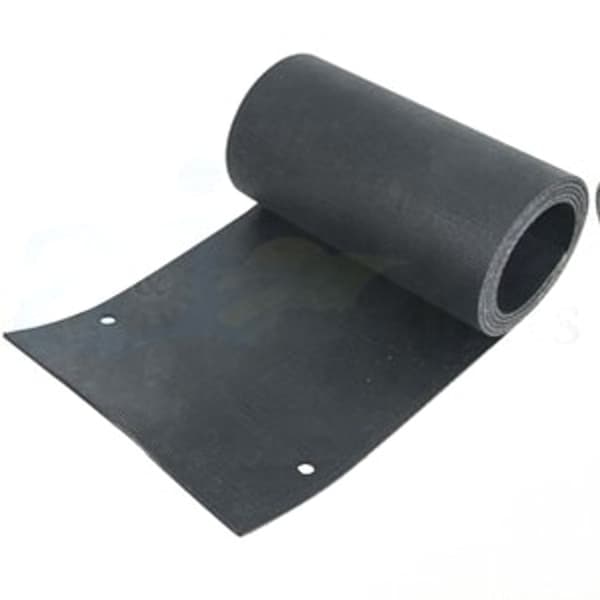
🔍 Looking for a specific part? Try our AI Part Finder — tell it your equipment and what you need, and it will find matching parts instantly.
Before getting started, always consult your baler's operator's manual for specific recommendations and safety guidelines. Improper net wrap can damage your baler and compromise bale quality. Safety is paramount when working with farm machinery. Ensure the baler is off and the PTO is disengaged before inspecting or adjusting net wrap.
Understanding Baler Net Wrap Dimensions
Two primary dimensions define baler net wrap: width and length. Each dimension affects the net wrap's performance and suitability for different baler models.
Width of Baler Net Wrap
The width of the net wrap determines how much of the bale's surface it covers. Common widths range from 51 inches to 67 inches. Selecting the correct width is essential to prevent hay loss and ensure a tightly wrapped bale. Here's a breakdown:
- 51-inch Net Wrap: Suitable for smaller balers and producing narrower bales.
- 64-inch Net Wrap: A standard size for many mid-sized round balers.
- 67-inch Net Wrap: Ideal for larger balers and producing wider, more dense bales.
To determine the appropriate width for your baler, consult your operator's manual. Many John Deere balers, for example, specify a 67-inch width for optimal performance on models like the 569 and 560M. Conversely, older New Holland balers may only require 51-inch net wrap.
Using too narrow of net wrap leads to uncovered edges, resulting in hay loss and potential spoilage. Too wide net wrap can bunch up and cause feeding problems. It is best to stick to the recommendation in the operator's manual.
Length of Baler Net Wrap Rolls
The length of the net wrap roll determines how many bales you can produce before needing to replace the roll. Longer rolls reduce downtime and increase efficiency. Common lengths range from 3,000 feet to 9,000 feet.
- 3,000 - 4,000 feet: Suitable for smaller operations or balers with limited storage space.
- 5,000 - 6,000 feet: A good balance between roll size and bale production for mid-sized operations.
- 8,000 - 9,000 feet: Ideal for large-scale operations to minimize roll changes.
Consider the number of bales you typically produce per season when selecting the roll length. While longer rolls are more convenient, they can be heavier and more difficult to handle. It is best to store net wrap in a dry location, as moisture can affect its performance.
Baler Net Wrap Brand Compatibility
While most net wrap is designed to be universally compatible, some brands and models perform better with specific types of net wrap. Here’s how to ensure compatibility with popular baler brands:
- John Deere: John Deere balers, like the 459 and 569 models, generally work well with most high-quality net wrap brands. Consider using John Deere's branded net wrap for guaranteed compatibility and performance. Check John Deere baler parts if you are experiencing any mechanical issues that affect net wrap performance.
- New Holland: New Holland balers, including the BR7060 and Roll-Belt series, are known for their efficient net wrap systems. New Holland net wrap is a reliable option, but other premium brands also work well. See New Holland baler parts for replacement parts like rollers or tensioners that might affect net wrap application.
- Case IH: Case IH balers, such as the RB455 and RB565, require net wrap that can withstand high tension. Case IH net wrap is specifically designed for these balers, ensuring optimal bale density and shape. Case IH baler parts are available at Madison Tractor Company.
- Vermeer: Vermeer balers are compatible with many net wrap brands. Be certain to select a net wrap with proper tensile strength.
For less common brands like Massey Ferguson, Kubota, Allis Chalmers, Deutz, International Harvester, Oliver, White, Gleaner, Hesston, Mahindra, and Zetor, consult your operator’s manual or contact a qualified technician to determine the best net wrap options. Ensuring compatibility prevents feeding problems and ensures consistent bale formation. In all cases, a clean and well-maintained baler is critical for optimal net wrap performance. Be sure to inspect baler pickup teeth, baler knotter parts, and all net wrap feeding mechanisms regularly.
Types of Baler Net Wrap
Several types of net wrap are available, each offering different characteristics and benefits:
- Standard Net Wrap: This is the most common type, suitable for general hay baling. It offers a good balance of strength and affordability.
- Premium Net Wrap: Made from higher-quality materials, premium net wrap provides increased tensile strength and UV protection. It's ideal for demanding conditions and long-term bale storage.
- Edge-to-Edge Net Wrap: This type of net wrap extends beyond the edges of the bale, providing additional protection and preventing hay loss. It’s particularly useful for baling silage or other high-moisture crops.
Tips for Using Baler Net Wrap
Here are some practical tips for using baler net wrap effectively:
- Consult Your Operator’s Manual: Always refer to your baler’s operator’s manual for specific recommendations on net wrap type, size, and installation procedures.
- Proper Installation: Ensure the net wrap is installed correctly in the baler’s feeding mechanism. Incorrect installation can lead to feeding problems and uneven bale wrapping.
- Adjust Tension: Adjust the net wrap tension according to the type of hay being baled. Drier hay requires less tension, while wetter hay requires more tension to ensure a tight wrap.
- Regular Maintenance: Keep the baler’s net wrap system clean and well-maintained. Regularly inspect rollers, tensioners, knives, and the net wrap brake bar for wear and damage. Replace worn parts promptly to prevent feeding problems. You can find replacement baler knotter parts, chains, and other components, like a bushing for the net wrap actuator or a net wrapping cover cylinder, at Madison Tractor Company.
- Store Net Wrap Properly: Store net wrap in a dry, cool place away from direct sunlight. Exposure to moisture and UV radiation can degrade the net wrap’s strength and performance.
- Avoid Splices: If possible, avoid using spliced net wrap. If you must splice, ensure the splice is strong and secure to prevent breakage during baling.
Troubleshooting Common Net Wrap Problems
Even with careful selection and proper usage, you may encounter issues with baler net wrap. Here are some common problems and how to address them:
- Net Wrap Breaking: This can be caused by using low-quality net wrap, excessive tension, or worn components in the baler’s feeding mechanism. Replace the net wrap with a higher-quality brand and inspect the baler for worn parts.
- Uneven Wrapping: Uneven wrapping can result from incorrect net wrap width, improper tension, or misaligned rollers. Ensure the net wrap is the correct width for your baler and adjust the tension accordingly. Check and align the rollers in the feeding mechanism.
- Net Wrap Slipping: Slipping can occur when baling wet or slick hay. Increase the net wrap tension or switch to a premium net wrap with better grip.
- Feeding Problems: Feeding problems can be caused by incorrect installation, worn components, or debris in the feeding mechanism. Reinstall the net wrap according to the operator’s manual and clean the feeding mechanism. Replace worn parts, such as rollers or knives.
Safety Considerations
Working with balers and net wrap involves potential hazards. Always follow these safety precautions:
- Read the Manual: Always read and understand the baler’s operator’s manual before operating the machine.
- Lock Out/Tag Out: Before performing any maintenance or adjustments on the baler, engage the parking brake, turn off the engine, remove the key, and use a lock-out/tag-out system to prevent accidental startup.
- Wear Protective Gear: Wear appropriate personal protective equipment (PPE), including safety glasses, gloves, and hearing protection.
- Keep Clear of Moving Parts: Never reach into the baler while it is running. Keep hands, feet, and clothing clear of all moving parts.
- Inspect Regularly: Inspect the baler and net wrap system regularly for wear and damage. Replace worn parts promptly.
Conclusion
Selecting the right baler net wrap is essential for efficient and effective hay baling. By understanding the dimensions, types, and compatibility factors discussed in this guide, you can optimize your baling process and produce high-quality bales. Remember to consult your baler’s operator’s manual, follow safety precautions, and perform regular maintenance to ensure optimal performance and longevity. Madison Tractor Company carries a wide range of parts for your equipment needs, including radiators, water pumps, starters, alternators, hydraulic pumps, cylinders, clutch kits, PTO parts, fuel pumps, carburetors, injectors, filters, gaskets, pistons, bearings, seals, and belts. If you need to replace sickle mower parts, look no further than Madison Tractor.
Shop for Baler Parts at Madison Tractor Company
Madison Tractor Company offers a comprehensive selection of baler parts for all major brands, including John Deere, New Holland, Case IH, and more. Whether you need baler twine, net wrap, belts, or other components, we have you covered. Our knowledgeable staff is available to assist you in finding the right parts for your specific baler model and application. Visit our website or contact us today to learn more and place your order. We pride ourselves on providing quality parts and exceptional customer service to help you keep your farm equipment running smoothly. If you have any additional questions about your baler, or any other equipment, please contact us today! You can also use our AI-Powered Part Finder to search for parts by your specific make and model.
Part of our comprehensive guide
Hay Equipment Parts Guide: Baler, Mower & Rake Replacement Parts