








Baler Chain: Roller Chain & Baler-Specific Drive Chains
Baler chain is crucial for reliable hay production. This guide covers different types of baler chain, including roller chain and specialized drive chains, along with maintenance tips and replacement strategies to keep your baler running smoothly. Get the right parts and advice for your John Deere, New Holland, or other baler brands.
Introduction to Baler Chain
The baler chain is a critical component of your hay baling equipment, responsible for transmitting power to various mechanisms within the baler, such as the pickup, feeding system, knotters, or wrapping mechanisms. Proper chain selection and maintenance are essential for minimizing downtime and maximizing baling efficiency. Whether you're running a small square baler or a large round baler, understanding the different types of baler chain and their specific applications is crucial. This article will cover the various types of baler chain, how to identify the correct replacement, and best practices for maintenance.
Recommended Parts for This Guide
9 parts we recommend — in stock, ships fast, one-click add to cart.
🔍 Looking for a specific part? Try our AI Part Finder — tell it your equipment and what you need, and it will find matching parts instantly.
At Madison Tractor Company, we understand the importance of having the right parts when you need them. We stock a wide variety of baler chain for major brands including John Deere, New Holland, Case IH, Ford, Massey Ferguson, Kubota, Allis Chalmers, Deutz, International Harvester, Oliver, White, Gleaner, Vermeer, Hesston, Mahindra, and Zetor. We also carry other essential John Deere baler parts, New Holland baler parts and Case IH baler parts.
Types of Baler Chain
Baler chains are generally categorized into two main types: roller chain and baler-specific drive chains. Both types serve different purposes and are designed to withstand the specific demands of their respective applications.
Roller Chain
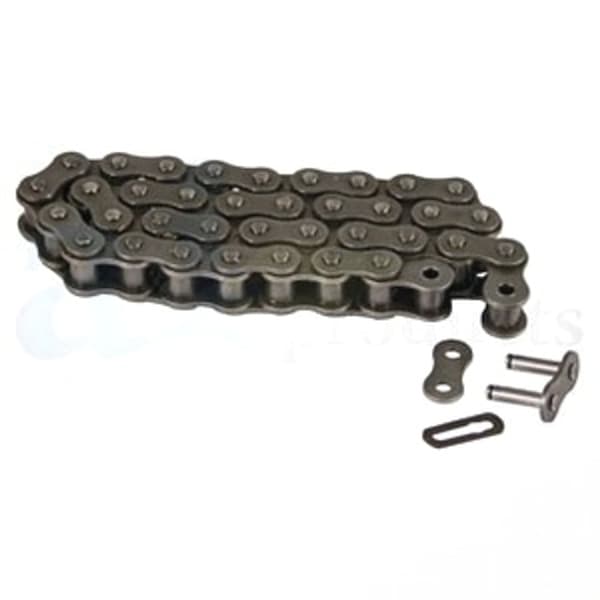
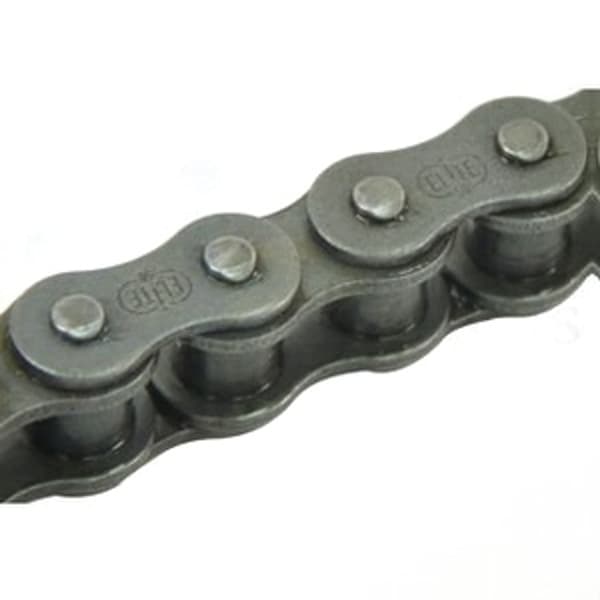
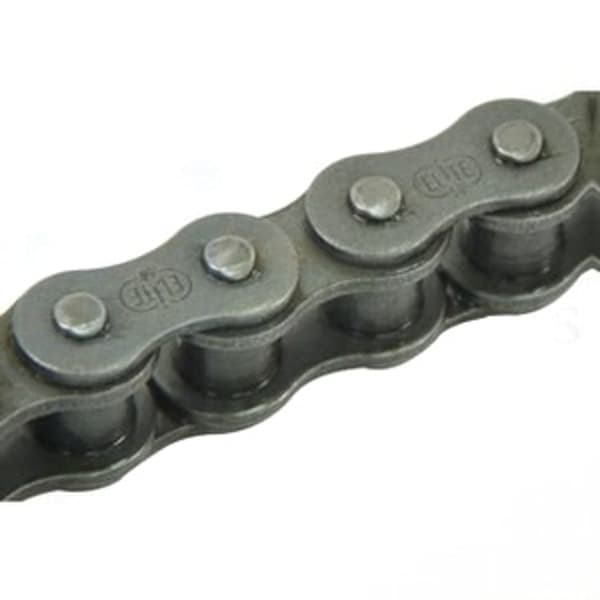
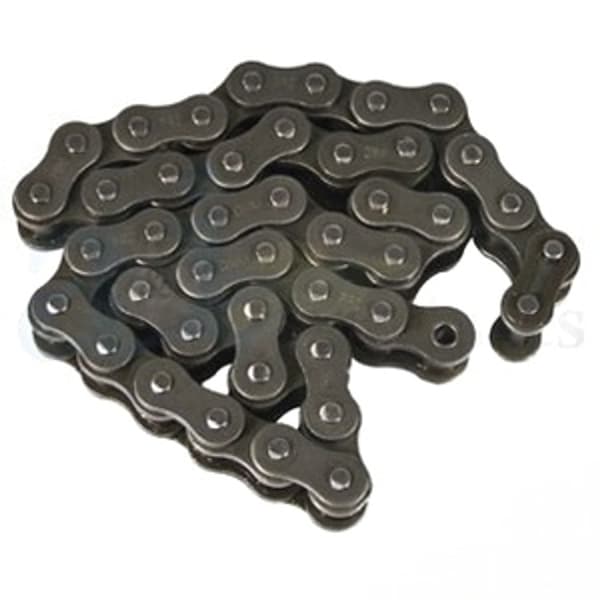
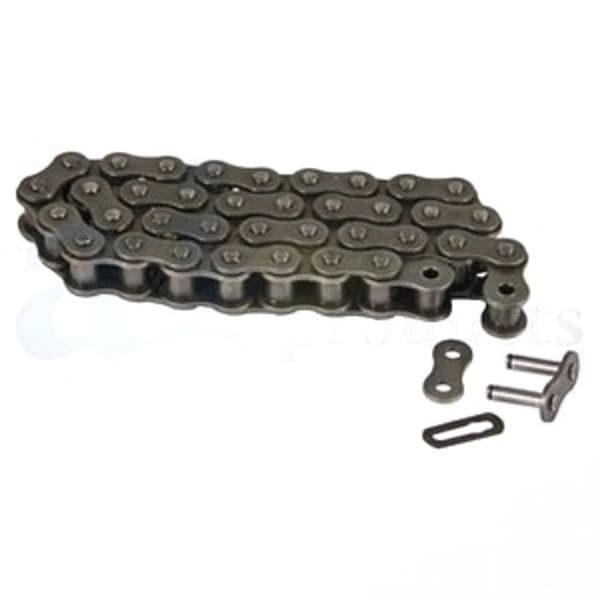
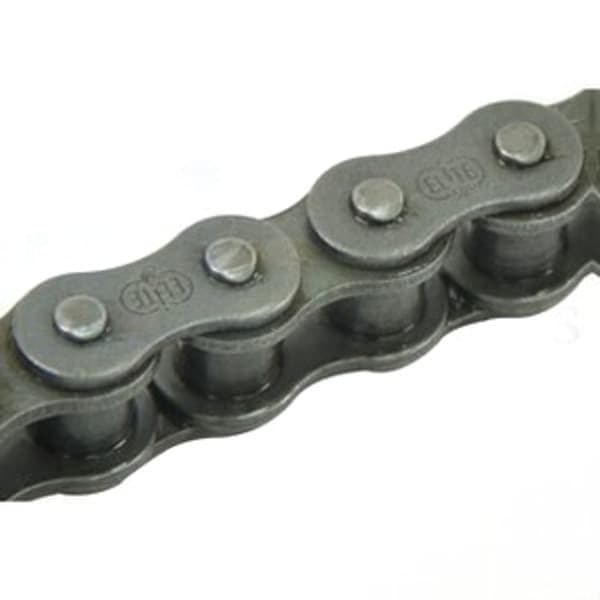
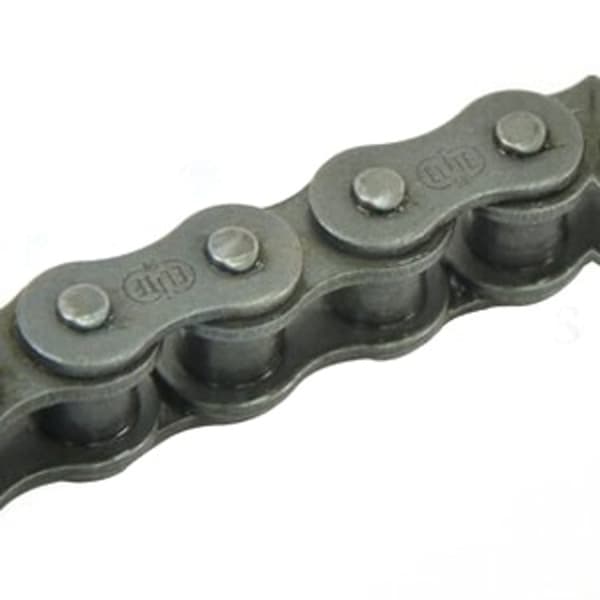
Roller chain, also known as drive chain, is a common type of chain used in various agricultural applications, including balers. It consists of a series of interconnected links, each comprising inner and outer plates held together by pins and rollers. The rollers allow the chain to engage smoothly with sprockets, reducing friction and wear. Roller chain is typically used in areas requiring high strength and efficient power transmission, such as driving the main components of the baler.
Common roller chain sizes used on balers include: #40, #50, #60, #80. Chain size is determined by the pitch (distance between pin centers) and roller diameter. For example, a #40 chain has a 1/2 inch pitch, while a #50 chain has a 5/8 inch pitch. Always refer to your baler's operator manual to determine the correct chain size.
Example: A John Deere 457 round baler might use #50 roller chain for the main drive system .
Baler-Specific Drive Chains
These chains are specifically designed and manufactured for use in hay balers. These chains often have unique link configurations, materials, and coatings to withstand the harsh conditions and heavy loads encountered during baling. They may feature thicker side plates, hardened pins, or specialized coatings to resist wear, corrosion, and stretching. Baler-specific drive chains are commonly used in areas requiring high tensile strength and resistance to shock loads, such as the pickup, knotter, or bale chamber drive systems.
Often these chains will be application specific, meaning they are specifically manufactured for a certain function in a particular model baler. Identifying these chains can be tricky, but often, you can find a part number stamped directly into the chain link. If a part number is not available, carefully measure the pitch, width, and pin diameter and compare it to the specifications in your baler's parts manual.
Example: A New Holland 660 round baler may use a heavy-duty drive chain for the bale starting rollers. This chain might have a unique configuration not found in standard roller chain (consult New Holland parts diagram).
Identifying the Correct Replacement Baler Chain
Ensuring you select the correct replacement baler chain is crucial for proper baler function and longevity. Here are several methods to help you identify the right chain:
- Consult the Operator's Manual: The operator's manual is the most reliable source for identifying the correct baler chain for your specific make and model. It will typically provide the chain size, length, and any specific requirements.
- Check the Old Chain: If possible, examine the old chain for any markings or part numbers. Many chains have the manufacturer's name or part number stamped on the links. If the old chain is broken or severely worn, measure the pitch (distance between pin centers), roller diameter (if applicable), and overall length to help determine the correct replacement.
- Cross-Reference with OEM Parts Catalogs: Use online OEM parts catalogs or consult with a dealer to cross-reference the baler model and chain location to the corresponding part number. For example, searching for John Deere baler parts online, you can typically find exploded views of the baler that identifies the correct parts for the chain you need to replace.
- Consult with a Parts Specialist: If you are unsure about the correct replacement chain, contact a knowledgeable parts specialist at Madison Tractor Company. Provide them with the make, model, and serial number of your baler, as well as any information you have about the chain, such as its location and dimensions.
Baler Chain Maintenance and Troubleshooting
Regular maintenance and timely troubleshooting are essential for maximizing the lifespan and performance of your baler chain. Here are some best practices:
- Lubrication: Regularly lubricate the chain with a high-quality chain lubricant. This reduces friction, minimizes wear, and prevents corrosion. Frequency of lubrication depends on operating conditions, but generally, lubricate the chain every 8-10 hours of operation or as recommended in the operator's manual.
- Tension Adjustment: Check the chain tension regularly and adjust as necessary. Proper chain tension ensures smooth operation and prevents excessive wear. The operator's manual will specify the correct chain tension for your baler model. Chain tension is generally set via a tensioner pulley or idler sprocket.
- Cleaning: Periodically clean the chain to remove dirt, debris, and old lubricant. Use a brush and solvent to clean the chain, then re-lubricate it thoroughly.
- Inspection: Inspect the chain regularly for signs of wear, damage, or stretching. Look for cracked or broken links, worn pins or rollers, and excessive slack. Replace the chain if any of these conditions are present.
- Storage: When storing the baler for extended periods, thoroughly clean and lubricate the chain to prevent corrosion. Consider removing the chain and storing it in a dry, protected location.
Common Baler Chain Problems and Solutions
- Chain Breakage: This can be caused by excessive wear, overloading, or improper tension. Replace the chain with a new one of the correct size and type. Check the surrounding sprockets for wear as well.
- Chain Slippage: This can be caused by worn sprockets, improper tension, or a stretched chain. Adjust the chain tension or replace the chain and sprockets if necessary.
- Chain Noise: Excessive noise can indicate insufficient lubrication, worn components, or misalignment. Lubricate the chain, inspect for wear, and check the alignment of the sprockets.
Safety Warning: Always disconnect the power to the baler and ensure all moving parts have come to a complete stop before performing any maintenance or repairs on the chain.
Other Essential Baler Parts
While baler chain is vital, it's just one piece of the puzzle. Other components, such as round baler belts, baler knotter parts, and baler pickup teeth, all play crucial roles in the baling process. Regular inspection and maintenance of these components are essential for preventing breakdowns and maximizing productivity. Don't forget the importance of baler twine or round baler net wrap.
Baler Chain Installation Tips
- Ensure the baler is off and locked out before starting the installation.
- Use the correct master link for the chain size.
- Install the master link clip with the closed end facing the direction of travel. This prevents it from catching on anything.
- Properly tension the chain after installation.
- Visually inspect the chain alignment after installation.
Shop Baler Chain at Madison Tractor Company
At Madison Tractor Company, we are committed to providing our customers with high-quality baler chains and other agricultural parts at competitive prices. We stock a wide selection of chain for most major baler brands and models. Our knowledgeable parts specialists are available to help you find the right chain for your specific needs.
Browse our online catalog today or contact us for assistance. Keep your baler running smoothly with the right chain from Madison Tractor Company! We have the filters, bearings, belts and other parts to keep your tractor or combine in peak condition. You can also use our AI-Powered Part Finder to search for parts by your specific make and model.
Part of our comprehensive guide
Hay Equipment Parts Guide: Baler, Mower & Rake Replacement Parts