








Baler Twine: Sisal, Plastic & Net Wrap Comparison
Choosing the right baler twine is critical for efficient and effective hay baling. This guide compares sisal, plastic, and net wrap, helping you select the best option for your operation and equipment.
Introduction to Baler Twine: Choosing the Right Option
When it comes to baling hay, selecting the right baler twine is crucial. Your choice directly impacts the bale's density, shape, and ability to withstand handling and storage. This guide provides a comprehensive comparison of the three main types of baler twine: sisal, plastic, and net wrap. We'll discuss their properties, advantages, disadvantages, and ideal applications to help you make the best decision for your farm or ranch. Just like having the right round baler belts, the right twine can make a huge difference.
Recommended Parts for This Guide
4 parts we recommend — in stock, ships fast, one-click add to cart.
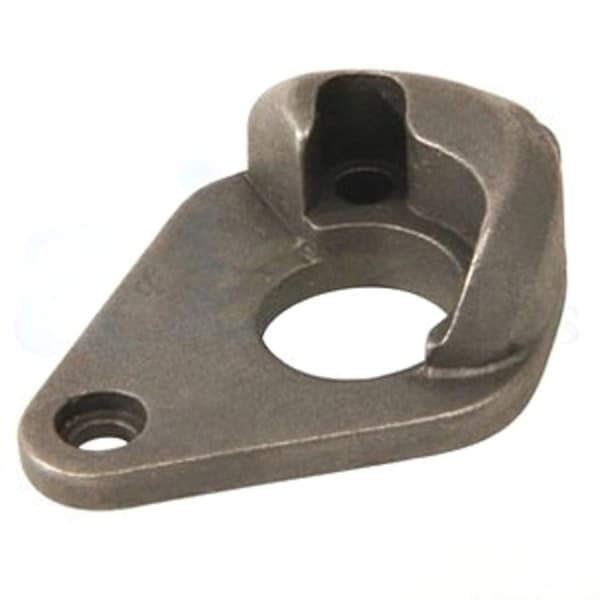
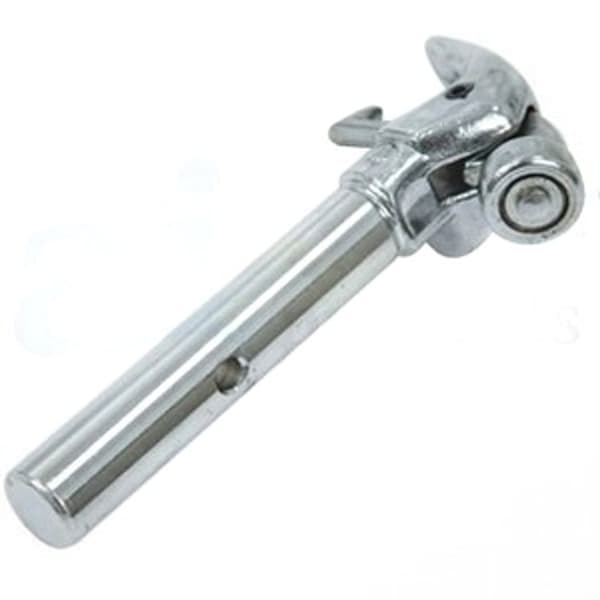
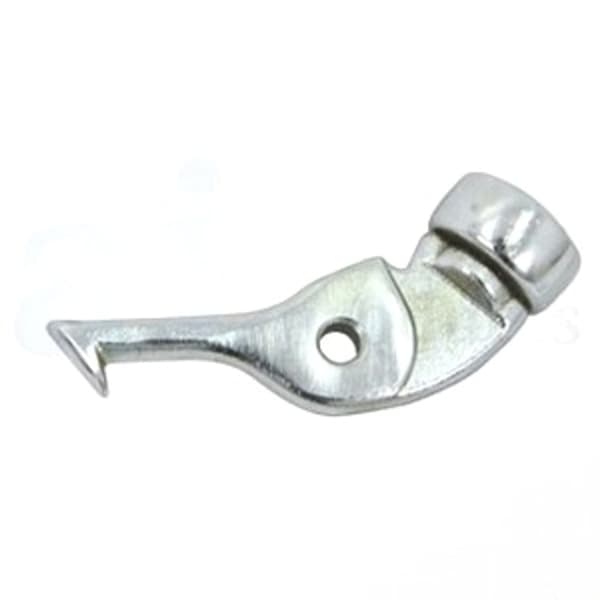
🔍 Looking for a specific part? Try our AI Part Finder — tell it your equipment and what you need, and it will find matching parts instantly.
At Madison Tractor Company, we understand the importance of reliable hay and forage equipment. Whether you need John Deere baler parts, New Holland baler parts, or parts for any other major brand like Case IH, Massey Ferguson, Kubota, or even older models from Ford or International Harvester, we're here to keep your operation running smoothly. We stock a wide variety of parts, including those vital for knotter function, such as baler knotter parts, bills, bill hook cam kits, discs, and twine fingers.
Sisal Baler Twine
Sisal twine is a natural fiber twine made from the sisal agave plant. It’s been a traditional choice for baling for many years, and it still holds a place in many operations due to its biodegradability and lower cost.
Advantages of Sisal Twine
- Biodegradability: Sisal twine decomposes naturally, making it an environmentally friendly option. This is a significant advantage if twine ends up in fields or pastures.
- Cost-Effective: Sisal twine is generally less expensive than plastic twine or net wrap.
- Lower Equipment Wear: Sisal twine is less abrasive than plastic, which can reduce wear on baler knotter parts and other components.
Disadvantages of Sisal Twine
- Lower Strength: Sisal twine is significantly weaker than plastic twine, making it less suitable for heavy, dense bales.
- Susceptible to Moisture: Sisal absorbs moisture, which weakens it and can lead to bale spoilage.
- Inconsistent Quality: The quality of sisal twine can vary depending on the source and manufacturing process.
- Attracts Rodents: Sisal can attract rodents looking for nesting material or food.
Best Uses for Sisal Twine
Sisal twine is best suited for:
- Small square bales of dry hay or straw.
- Operations where biodegradability is a high priority.
- Situations where bale weight is not a concern.
Plastic Baler Twine
Plastic twine, typically made from polypropylene, has become increasingly popular due to its strength, durability, and resistance to moisture. It's a reliable choice for a wide range of baling applications.
Advantages of Plastic Twine
- High Strength: Plastic twine offers significantly higher tensile strength compared to sisal, allowing for denser, heavier bales.
- Moisture Resistance: Plastic twine does not absorb moisture, preventing weakening and bale spoilage.
- Consistent Quality: Plastic twine is manufactured to consistent standards, ensuring reliable performance.
- UV Resistance: Many plastic twines are treated to resist UV degradation, extending their lifespan in outdoor storage.
Disadvantages of Plastic Twine
- Not Biodegradable: Plastic twine does not decompose naturally, posing an environmental concern if not properly disposed of.
- Higher Cost: Plastic twine is generally more expensive than sisal twine.
- Abrasiveness: Plastic twine can be more abrasive on baler knotter parts, potentially increasing wear and tear.
Best Uses for Plastic Twine
Plastic twine is ideal for:
- Large square bales of hay, straw, or silage.
- Round bales of hay.
- Operations where bale density and durability are critical.
- Situations where hay will be stored outdoors for extended periods.
Net Wrap
Net wrap is a wide netting material used primarily for round balers. It wraps around the bale's circumference, providing superior bale shape, density, and weather protection compared to twine. It’s often the go-to choice for larger operations focused on efficiency and minimizing spoilage. See our dedicated article on round baler net wrap for more detail.
Advantages of Net Wrap
- Superior Bale Shape and Density: Net wrap provides uniform tension across the bale, resulting in a tighter, more consistent shape and increased density.
- Faster Baling: Net wrap application is significantly faster than twine tying, increasing baling productivity.
- Reduced Bale Spoilage: Net wrap provides excellent weather protection, minimizing moisture penetration and spoilage.
- Easier Handling and Transport: Denser, well-shaped bales are easier to handle and transport.
- Improved Silage Quality: When used for silage, net wrap helps exclude oxygen, promoting better fermentation.
Disadvantages of Net Wrap
- Higher Cost: Net wrap is the most expensive option among the three.
- Specialized Equipment Required: Net wrap requires a round baler equipped with a net wrap system. Key components include a Cylinder; Net Wrapping Cover.
- Disposal Issues: Net wrap is plastic and not biodegradable, requiring proper disposal.
- Potential for Stretching: Low-quality net wrap can stretch, leading to loose bales.
Best Uses for Net Wrap
Net wrap is best suited for:
- Round baling hay, straw, or silage.
- Large-scale operations where efficiency and bale quality are paramount.
- Situations where hay will be stored outdoors for extended periods.
- Producers seeking to minimize bale spoilage.
Considerations for Choosing Baler Twine
Several factors should be considered when choosing baler twine:
- Type of Bale: Square bales generally use twine, while round bales can use either twine or net wrap.
- Bale Density: Higher density bales require stronger twine or net wrap.
- Crop Type: Silage bales require moisture-resistant options like plastic twine or net wrap.
- Storage Conditions: Hay stored outdoors requires twine or net wrap with UV resistance and moisture protection.
- Environmental Concerns: If biodegradability is a priority, sisal twine is the best choice.
- Budget: Sisal is the least expensive, followed by plastic twine, then net wrap.
Maintaining Your Baler for Optimal Twine Performance
Regardless of the twine or net wrap you choose, maintaining your baler is critical for optimal performance. Regularly inspect and replace worn baler pickup teeth, check the condition of baler knotter parts, such as bill hooks and tongues, and ensure proper lubrication. For older balers like those from Ford, International Harvester, or Allis Chalmers, sourcing the correct parts may require some research. Madison Tractor Company can help you find the parts you need, from radiators and water pumps to starters and alternators, for a wide range of brands, including John Deere, Case IH, New Holland, Massey Ferguson, Kubota, Deutz, Oliver, White, Gleaner, Vermeer, Hesston, Mahindra, and Zetor. We also stock common components like hydraulic pumps, cylinders, clutch kits, PTO parts, fuel pumps, carburetors, injectors, filters, gaskets, pistons, bearings, seals, belts, and chains. Keep your baler running smoothly with quality parts and regular maintenance.
Safety Warning: Always disengage the PTO and shut off the tractor engine before performing any maintenance or adjustments on your baler. Refer to your baler's operator's manual for specific safety instructions and maintenance procedures.
Conclusion
Choosing the right baler twine depends on your specific needs and priorities. Sisal twine offers a cost-effective and biodegradable option for small bales. Plastic twine provides strength and moisture resistance for a variety of baling applications. Net wrap delivers superior bale quality and efficiency for round baling. By carefully considering the factors outlined in this guide, you can select the best baler twine for your operation and ensure successful hay production.
Shop Baler Parts at Madison Tractor Company
At Madison Tractor Company, we're committed to providing you with the highest quality parts and expert advice to keep your hay and forage equipment running at its best. Browse our extensive selection of hay and forage equipment parts today and experience the Madison Tractor difference. Whether you need parts for a John Deere, Case IH, New Holland, or any other major brand, we have you covered! You can also use our AI-Powered Part Finder to search for parts by your specific make and model.
Part of our comprehensive guide
Hay Equipment Parts Guide: Baler, Mower & Rake Replacement Parts