








Baler Shear Bolt & Flywheel Bolt: Safety Fasteners
Baler shear bolts and flywheel bolts are critical safety components designed to protect your hay baler from catastrophic damage. This guide explains their function, selection, and replacement, ensuring safe and efficient hay production.
Introduction to Baler Safety Fasteners
When it comes to hay baling, efficiency and safety are paramount. While regular maintenance and quality parts, such as baler knotter parts or baler pickup teeth, contribute significantly to smooth operation, often overlooked are the unsung heroes of baler safety: the shear bolt and the flywheel bolt. These seemingly simple fasteners play a crucial role in preventing major damage to your equipment.
Recommended Parts for This Guide
9 parts we recommend — in stock, ships fast, one-click add to cart.
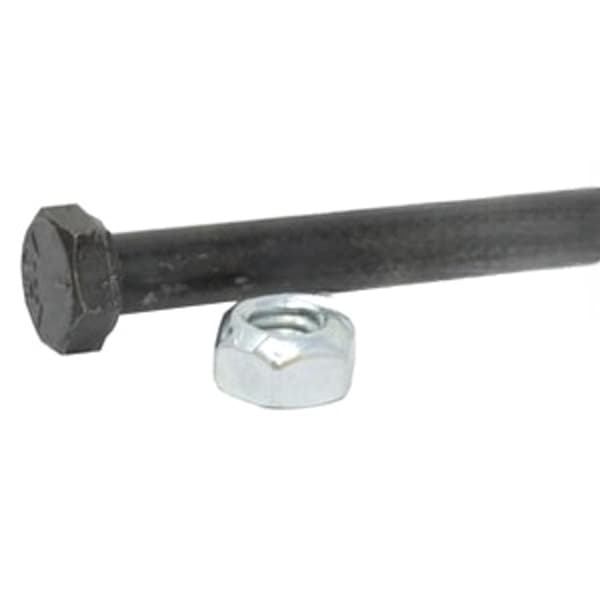
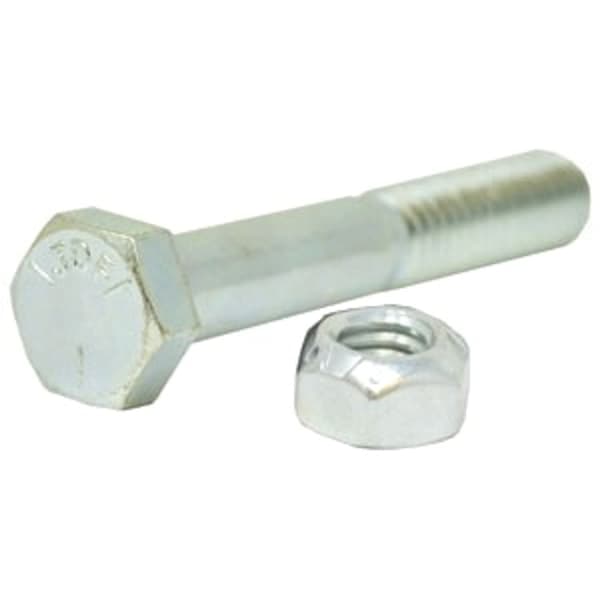
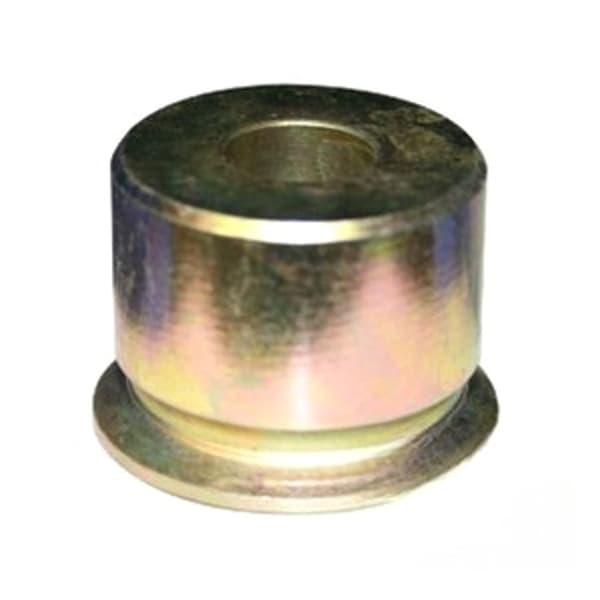
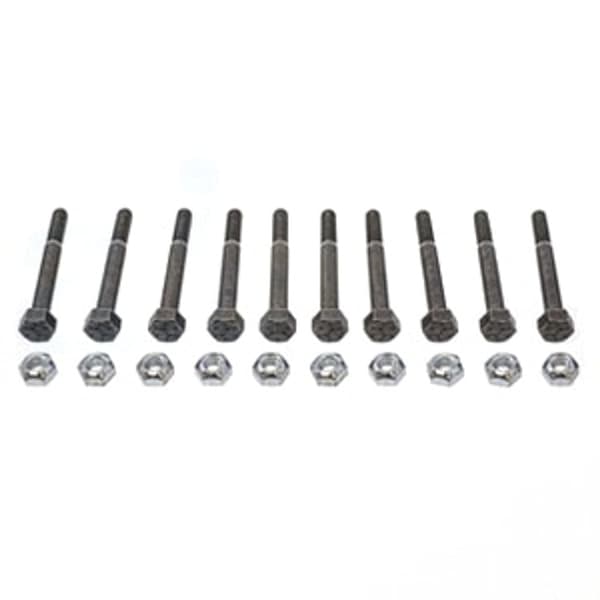
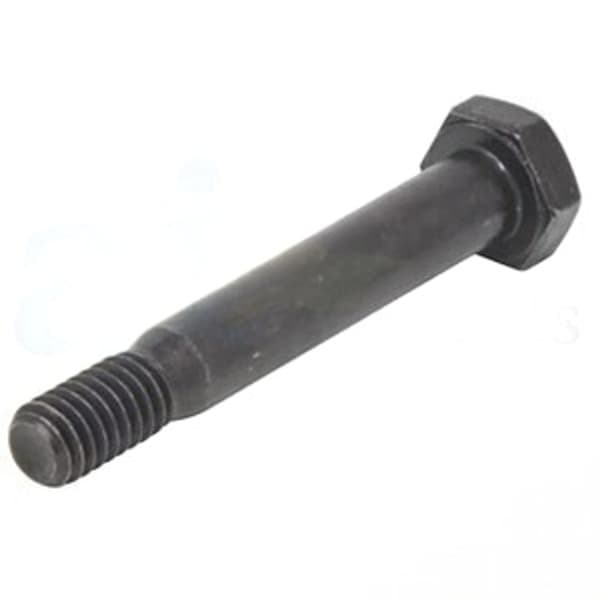
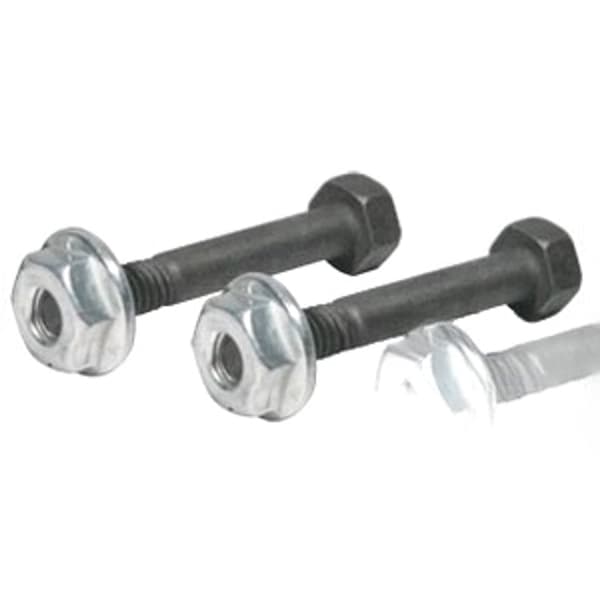
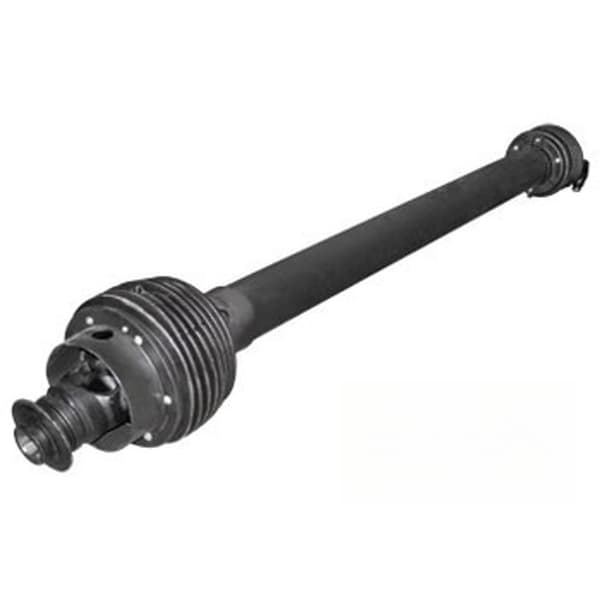
🔍 Looking for a specific part? Try our AI Part Finder — tell it your equipment and what you need, and it will find matching parts instantly.
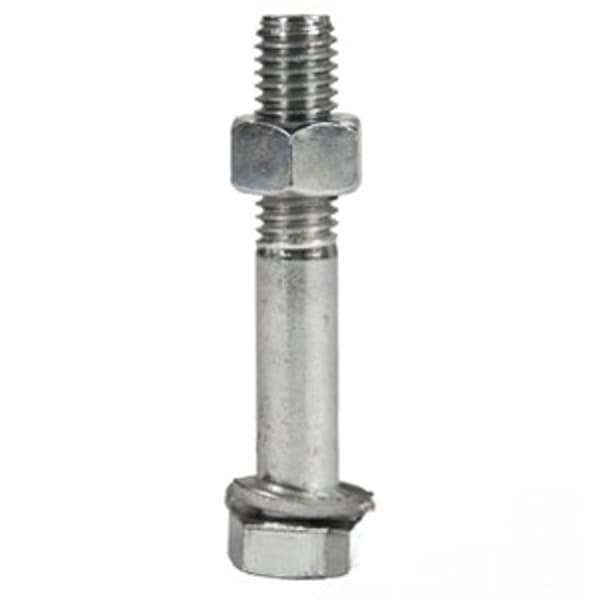
A shear bolt is designed to break under a specific amount of stress, protecting more expensive and critical components from damage in the event of an overload. The flywheel bolt, while not strictly a shear bolt, often incorporates similar safety features to protect the flywheel and connected driveline from excessive torque or sudden stops.
At Madison Tractor Company, we understand the importance of these safety features. We stock a wide range of shear bolts and flywheel bolts for various baler models from leading manufacturers like John Deere, New Holland, Case IH, Massey Ferguson more. Whether you need a John Deere baler shear bolt or a New Holland baler shear bolt, we have you covered.
This guide will walk you through the purpose, selection replacement of shear bolts and flywheel bolts, helping you keep your hay baler running safely and efficiently.
Understanding the baler shear bolt
The baler shear bolt is a sacrificial fastener designed to fail under a predetermined load. This failure point protects more expensive and difficult-to-replace components within the baler's drivetrain, such as the plunger, gearbox, or knotter drive. When the baler encounters an obstruction, like a large clump of hay or a foreign object, the sudden increase in torque causes the shear bolt to break, effectively disconnecting the power flow and preventing further damage.
Think of it as a fuse in an electrical circuit; it's intentionally weaker than the rest of the system to protect it from overcurrent. Selecting the correct shear bolt is crucial. Using a bolt that's too strong will negate its safety function and could lead to significant damage. Conversely, a bolt that's too weak will shear prematurely, leading to unnecessary downtime.
Common Shear Bolt Locations
- Plunger Drive Protects the plunger mechanism from overload.
- Knotter Drive Safeguards the knotter system, responsible for tying the bales. A compromised knotter can also impact the performance of baler twine or round baler net wrap if it jams.
- Pickup System Prevents damage to the pickup teeth and drive components.
Identifying the Correct Shear Bolt
The correct shear bolt is specified by the baler manufacturer. Consult your operator's manual for the correct size, grade part number. Common brands like Case IH (see also Case IH baler parts), New Holland (refer to New Holland baler parts) John Deere (John Deere baler parts) use specific shear bolts that may not be interchangeable. Often, the operator's manual will specify the equivalent grade if a direct OEM replacement isn't available.
Important Never substitute a standard bolt for a shear bolt. Standard bolts are designed for tensile strength and will not break in a controlled manner, defeating the safety purpose.
For example, a John Deere 348 baler might use a shear bolt with part number, while a New Holland 575 might require part number 86514503. Always verify the correct part number for your specific model and year.
The Role of the Flywheel Bolt
The flywheel bolt, or more accurately, the bolts securing the flywheel to the crankshaft or driveline, plays a critical role in transferring rotational energy and smoothing out the power delivery. While not always designed as a shear point, some flywheel bolts incorporate a weakened section or a specific torque requirement that allows them to act as a safety release mechanism under extreme stress. This is particularly important in balers as sudden stops or overloads can put immense strain on the flywheel and its connecting components.
When a Flywheel Bolt Fails
A failed flywheel bolt can result in several problems, including
- Flywheel Loosening This can lead to vibration, noise eventual damage to the crankshaft or driveline.
- Complete Flywheel Detachment A detached flywheel is a serious safety hazard and can cause significant damage to the surrounding components.
- Driveline Damage Excessive torque transfer due to a jammed baler can damage the driveline components, including the PTO shaft.
Flywheel Bolt Inspection & Maintenance
Regular inspection of the flywheel bolts is essential. Look for signs of loosening, corrosion, or damage. Torque the bolts to the manufacturer's specifications. Refer to your operator's manual for the correct torque values and tightening sequence. For example, a Ford 5610 tractor, commonly used with smaller square balers, requires a specific torque sequence for the flywheel bolts which are typically tightened to around 55-65 ft-lbs. Always use a calibrated torque wrench for accurate tightening.
When replacing flywheel bolts, use only high-quality bolts that meet or exceed the original equipment manufacturer (OEM) specifications. Madison Tractor Company offers a wide selection of flywheel bolts for various tractor and baler models, including Ford, Massey Ferguson, International Harvester Kubota. Remember to check the condition of other related parts like flywheel bolt tab washers.
Shear Bolt & Flywheel Bolt Replacement: A Step-by-Step Guide
Replacing a shear bolt or flywheel bolt is a relatively straightforward task, but it's crucial to follow the correct procedure to ensure safety and proper functionality.
Shear Bolt Replacement
- Safety First Disengage the PTO, shut off the tractor engine ensure the baler is completely stopped. Engage the parking brake and remove the key.
- Identify the Broken Bolt Locate the broken shear bolt. It's usually readily apparent.
- Remove the Broken Bolt Use a punch and hammer to carefully remove the remaining pieces of the broken shear bolt. Be sure to clear any debris or obstructions from the bolt hole. Consider also inspecting or replacing the shear bolt sleeve if present.
- Install the New Shear Bolt Insert the new shear bolt, ensuring it's the correct type and grade.
- Secure the Bolt Tighten the nut to the manufacturer's specifications. Do not overtighten, as this can compromise the shear bolt's ability to function correctly.
- Test the Baler Start the tractor and engage the PTO at a low RPM. Observe the baler operation for any unusual noises or vibrations. Gradually increase the RPM to normal operating speed.
Flywheel Bolt Replacement
- Safety First Disconnect the battery to prevent accidental starting.
- Access the Flywheel This may involve removing covers or shields to access the flywheel and its bolts.
- Loosen the Bolts Loosen the flywheel bolts in a star pattern to distribute the stress evenly. Do not remove them completely at this stage.
- Remove the Bolts Remove the bolts completely, one at a time. Inspect the bolt holes for damage.
- Install New Bolts Install the new flywheel bolts, ensuring they are the correct type and grade.
- Torque to Specification Tighten the bolts in a star pattern to the manufacturer's specified torque. Use a calibrated torque wrench. Refer to your tractor's service manual for the correct torque values. For instance, certain Allis Chalmers tractors have unique torque specs, so always double-check.
- Recheck Torque After running the engine for a short period, recheck the torque of the flywheel bolts.
Warning Always wear appropriate safety gear, including gloves and eye protection, when working on agricultural equipment. If you are unsure about any step in the replacement process, consult a qualified mechanic.
Preventative Measures & Best Practices
While shear bolts are designed to break, you can minimize their occurrence and extend the life of your equipment by following these best practices
- Clear Fields Remove rocks, debris other potential obstructions from your fields before baling.
- Maintain Proper Baler Settings Ensure your baler is properly adjusted according to the manufacturer's recommendations. This includes settings for bale density, tension pickup height.
- Operate at the Correct Speed Avoid operating the baler at excessive speeds, which can increase the risk of overloading the system.
- Regular Inspections Conduct regular inspections of your baler, including the shear bolts and flywheel bolts. Look for signs of wear, damage, or loosening. Don't forget to check the condition of other parts of the machine such as the round baler belts.
- Proper Lubrication Ensure all moving parts are properly lubricated to reduce friction and wear.
- Use Quality Parts Always use high-quality replacement parts from a reputable supplier like Madison Tractor Company. Using cheap or inferior parts can compromise the safety and performance of your equipment. We carry parts for a wide range of brands like Vermeer, Hesston, Mahindra, Zetor, Deutz, International Harvester, Oliver, White Gleaner.
Troubleshooting Common Issues
- Frequent Shear Bolt Breakage This could indicate an underlying problem with the baler, such as a worn bearing, misaligned components, or excessive bale density.
- Difficulty Removing Broken Shear Bolts Use a penetrating oil and a sharp punch to help loosen the bolt fragments. If necessary, use a bolt extractor.
- Flywheel Bolt Loosening This could be caused by improper torque, damaged threads, or excessive vibration. Inspect the bolt holes and threads for damage and repair as needed. Consider using thread-locking compound.
Conclusion
Understanding the function and proper maintenance of baler shear bolts and flywheel bolts is crucial for ensuring the safe and efficient operation of your hay baler. By following the guidelines outlined in this article, you can minimize downtime, prevent costly repairs maximize your hay production. Remember, safety is paramount. Always prioritize safety when working on agricultural equipment.
Madison Tractor Company is your trusted source for high-quality baler shear bolts, flywheel bolts a wide range of other hay and forage equipment parts. We carry parts for all major brands, including John Deere, New Holland, Case IH, Massey Ferguson more. We also stock a wide variety of tractor parts including radiators, water pumps, starters more. Shop our online catalog today for competitive prices and fast shipping!
🔍 Can't Find Your Part?
Use our AI-Powered Part Finder to search by your equipment's make, model, and what you need. It's the fastest way to find the exact part for your machine.
Try the Part Finder →Part of our comprehensive guide
Hay Equipment Parts Guide: Baler, Mower & Rake Replacement Parts