








Sickle Mower Parts: Knife Sections, Guards & Pitman
Sickle mowers are essential for hay production. This guide covers critical sickle mower parts, including knife sections, guards, and pitman arms, helping you keep your machine in top condition for efficient cutting.
Introduction to Sickle Mower Parts
Sickle mowers, also known as haybines or cutterbars, are workhorses in hay and forage operations. Maintaining these machines is crucial for efficient harvesting. Key components like knife sections, guards pitman arms are particularly prone to wear and require regular inspection and replacement. Understanding these parts and their function will help you minimize downtime and ensure a clean, efficient cut.
Recommended Parts for This Guide
3 parts we recommend — in stock, ships fast, one-click add to cart.
🔍 Looking for a specific part? Try our AI Part Finder — tell it your equipment and what you need, and it will find matching parts instantly.
At Madison Tractor, we stock a wide range of sickle mower parts for various brands, including John Deere, Case IH, Ford, New Holland, Massey Ferguson, Kubota, Allis Chalmers, Deutz, International Harvester, Oliver, White, Gleaner, Vermeer, Hesston, Mahindra Zetor. Whether you need a new knife section for your John Deere 336 or a pitman arm for your New Holland 499, we've got you covered.
This guide will walk you through the essential components of a sickle mower, focusing on knife sections, guards pitman arms. We'll cover common issues, maintenance tips how to choose the right replacement parts.
Knife Sections: The Cutting Edge
Knife sections are the heart of the sickle mower's cutting action. These triangular blades reciprocate back and forth, slicing through the hay. Over time, they become dull, nicked, or broken, reducing cutting efficiency and potentially damaging the guards. Regular inspection and replacement of knife sections are essential.
Types of Knife Sections
There are two primary types of knife sections
- Smooth Knife Sections These are typically used for finer grasses and produce a cleaner cut.
- Serrated Knife Sections Serrated sections are more aggressive and better suited for thicker, coarser grasses and weeds. They tend to stay sharper longer than smooth sections in abrasive conditions.
Replacing Knife Sections
Replacing knife sections is a relatively straightforward process. Here's a step-by-step guide
- Safety First Disconnect the mower from the tractor and ensure the cutterbar is fully stopped. Engage any safety locks or parking brakes.
- Remove the Old Sections Use a punch or specialized knife section tool to drive out the rivets or bolts holding the old sections in place.
- Clean the Knife Bar Remove any debris or rust from the knife bar to ensure a proper fit for the new sections.
- Install the New Sections Align the new sections with the holes in the knife bar and secure them with new rivets or bolts. Ensure the sections are properly aligned and tightened to the manufacturer's specifications. If using rivets, ensure they are properly peened over to prevent loosening.
- Check for Alignment After installation, check that all sections are aligned and move freely within the guards.
Safety Warning Always wear gloves and eye protection when handling knife sections, as they are extremely sharp.
When replacing knife sections, consider using high-quality replacements from Madison Tractor. We offer complete sickle assemblies like the 6' Left-Hand Chrome 11ga big tooth (SKU 831-477), as well as 7' Right-Hand Chrome 11ga top serrated sickle assemblies (SKU 801-486), and many others for various models, including John Deere, New Holland, and Case IH.
Guards: Protecting the Blades and Ensuring a Clean Cut
Guards are the metal fingers that protect the knife sections and help guide the hay into the cutting area. Damaged or worn guards can cause uneven cutting, plugging increased wear on the knife sections. Regular inspection and replacement of guards are critical for optimal performance.
Types of Guards
Guards come in various shapes and sizes, depending on the mower model and the type of crop being cut. Common types
- Underserrated Guards These guards have serrations on the underside to help hold the hay in place while it's being cut.
- Overserrated Guards These guards have serrations on the top side and are used in certain applications.
- Smooth Guards These guards have a smooth surface and are generally used for finer grasses.
Replacing Guards
Replacing guards typically involves removing the old guard, cleaning the mounting surface installing the new guard with bolts or rivets. Make sure the guard is properly aligned with the knife section. If guards are bent, they should be straightened or replaced to ensure proper clearance and cutting action.
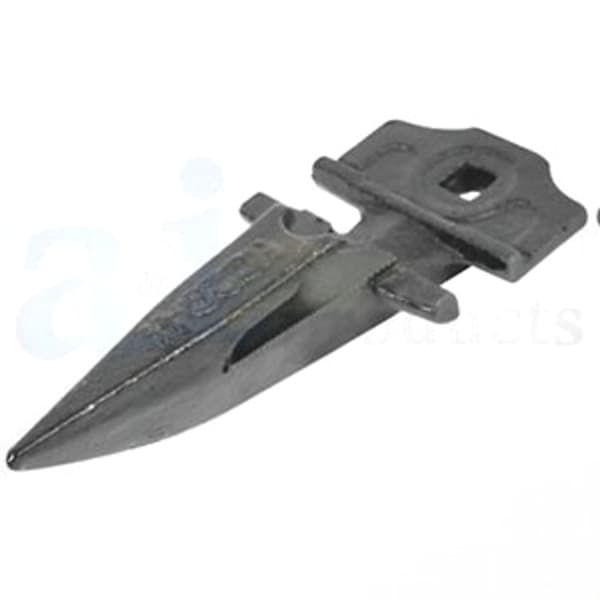
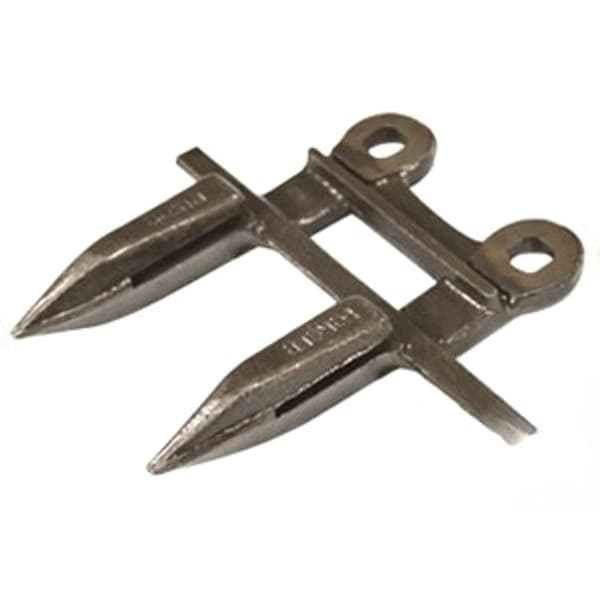
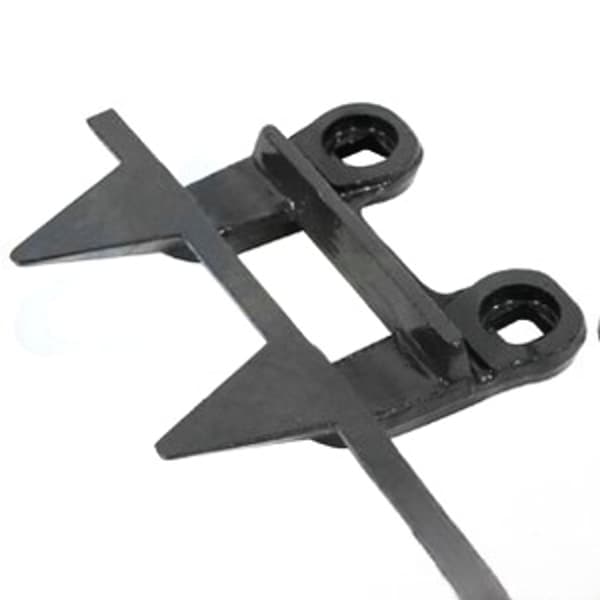
When replacing guards, ensure you use the correct type and size for your mower. Madison Tractor carries a wide selection of guards, such as the 483500R3 Forged Guard, 2 Prong, and the 472717R1 Forged Guard, 2 Prong, Stub for John Deere, New Holland, Case IH and other brands. Check your parts manual or contact us for assistance in finding the correct replacement.
Pitman Arm: The Driving Force
The pitman arm connects the mower's drive mechanism to the knife bar, converting rotary motion into reciprocating motion. It's a critical component that transmits power to the cutting blades. Wear in the pitman arm bushings and bearings can cause excessive vibration, reduced cutting efficiency premature failure. Periodic inspection and replacement of worn components are essential.
Pitman Arm Components
A typical pitman arm assembly includes
- Pitman Stick The main structural member of the arm.
- Bearings/Bushings Located at the ends of the pitman stick, connecting it to the drive mechanism and the knife bar.
- Connecting Bolts/Hardware Securing the assembly together.
Replacing the Pitman Arm
Replacing the pitman arm requires careful attention to detail and proper alignment. Here's a general procedure
- Safety First Disconnect the mower from the tractor and ensure the cutterbar is fully stopped. Engage any safety locks or parking brakes.
- Disconnect the Old Pitman Arm Remove the bolts or pins connecting the pitman arm to the drive mechanism and the knife bar.
- Inspect Connecting Points Check the condition of the connecting points on the drive mechanism and the knife bar. Replace any worn or damaged parts.
- Install the New Pitman Arm Connect the new pitman arm to the drive mechanism and the knife bar, ensuring proper alignment.
- Torque Specifications Tighten all bolts and fasteners to the manufacturer's specified torque. Refer to your mower's service manual for torque values. For example, some New Holland pitman arm bolts may require a torque of 80-90 ft-lbs.
- Check for Free Movement Ensure the pitman arm moves freely without binding or excessive play.
When replacing a pitman arm, consider purchasing a complete assembly from Madison Tractor for a reliable and long-lasting repair. We offer pitman arms for many brands, including John Deere, New Holland Case IH. For instance, if you have a John Deere 395A, you might need a pitman arm similar to part number (check your specific model for exact fitment). Be sure to reference related articles like John Deere Baler Parts: Round & Square Baler Components if your equipment also includes a baler.
Regular Maintenance for Longevity
Besides replacing worn parts, regular maintenance is crucial for extending the life of your sickle mower. This includes
- Lubrication Regularly grease all moving parts, including the pitman arm bearings, knife bar slides cutterbar pivots. Refer to your operator's manual for lubrication points and intervals.
- Sharpening Knife Sections Periodically sharpen the knife sections to maintain a clean cut.
- Adjusting Guards Adjust the guards to ensure proper clearance and alignment with the knife sections.
- Checking for Loose Hardware Regularly check for loose bolts and fasteners and tighten them as needed.
- Storage Store the mower in a dry, sheltered location during the off-season.
Proper maintenance not only extends the life of your sickle mower but also improves its performance and reduces downtime. For related maintenance on other hay equipment, see our articles on Round Baler Belts: Replacement Belts by Brand & Model, Baler Knotter Parts: Bills, Discs & Twine FingersBaler Pickup Teeth: Tine Replacement & Spring Teeth. Ensuring all your hay equipment is well-maintained contributes to a productive season.
Where to Buy Sickle Mower Parts
Madison Tractor is your one-stop shop for all your sickle mower parts needs. We offer a wide selection of high-quality replacement parts for various brands and models. Our knowledgeable staff can help you find the right parts for your machine and answer any questions you may have. We also carry essential parts like radiators, water pumps, filtersbelts to keep your tractor running smoothly.
Whether you're looking for knife sections, guards, pitman arms, or other replacement parts, Madison Tractor has you covered. Shop our online catalog or contact us today to find the parts you need to keep your hay cutting operation running smoothly. Remember to check out our pillar page about Hay & Forage Equipment Parts for a comprehensive overview.
Shop Sickle Mower Parts at Madison Tractor
Don't let worn or damaged sickle mower parts slow you down. Shop Madison Tractor today for high-quality replacement parts and expert advice. We're committed to helping you keep your hay cutting equipment in top condition. You can also use our AI-Powered Part Finder to search for parts by your specific make and model.
Part of our comprehensive guide
Hay Equipment Parts Guide: Baler, Mower & Rake Replacement Parts