








Square Baler Plunger Bearing: Wrist Pin & Connecting Rod
The baler plunger bearing, connecting rod, and wrist pin are critical components in your square baler's reciprocating system. This guide covers maintenance, troubleshooting, and replacement tips to keep your baler operating efficiently and reliably.
Introduction to Baler Plunger Bearings
The square baler is a workhorse on many farms, crucial for hay production. At the heart of its operation is the plunger, a heavy component that compresses hay into tight bales. The smooth and efficient operation of the plunger depends heavily on the condition of its bearings, particularly the baler plunger bearing connecting the plunger to the drive system. This bearing, along with the Wrist Pin and connecting rod, translates rotational motion into linear movement, powering the baling process. Understanding these components is crucial for maintaining your equipment and avoiding costly breakdowns during the busy hay season.
Recommended Parts for This Guide
7 parts we recommend — in stock, ships fast, one-click add to cart.
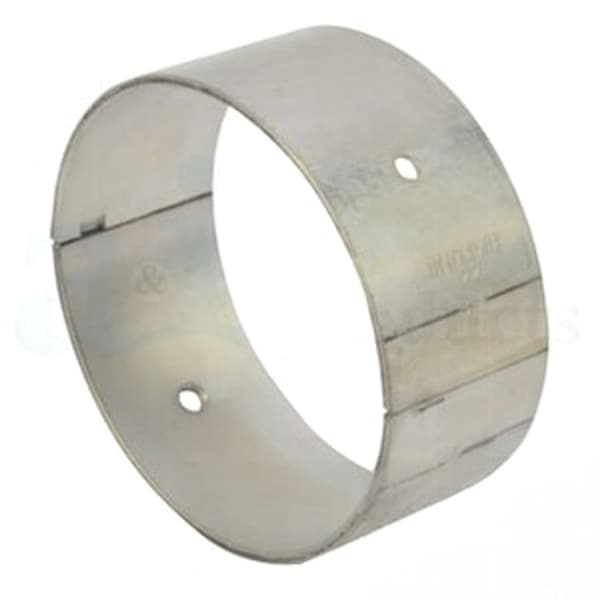
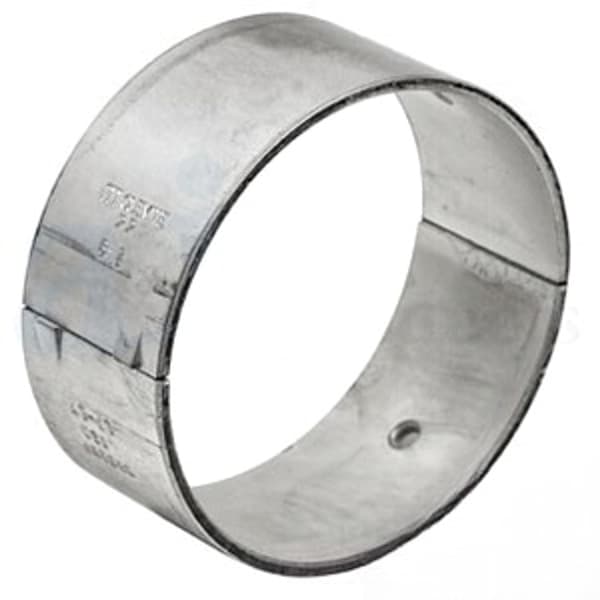
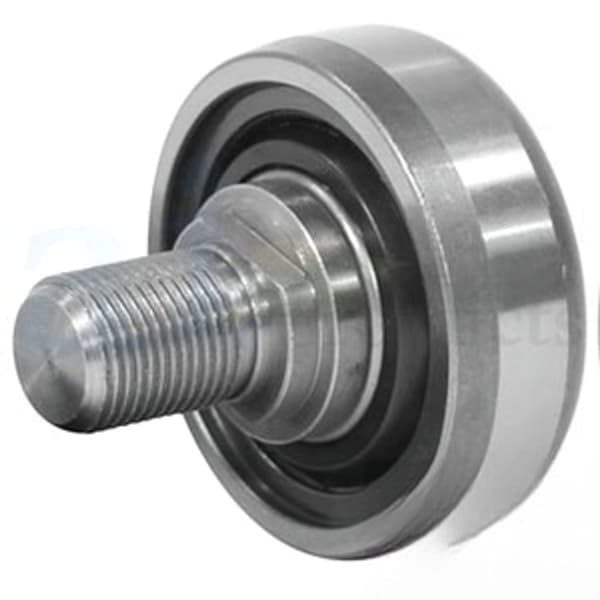
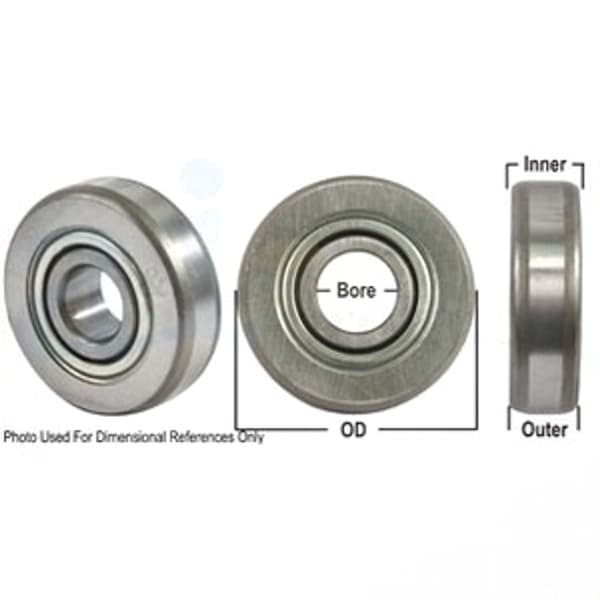
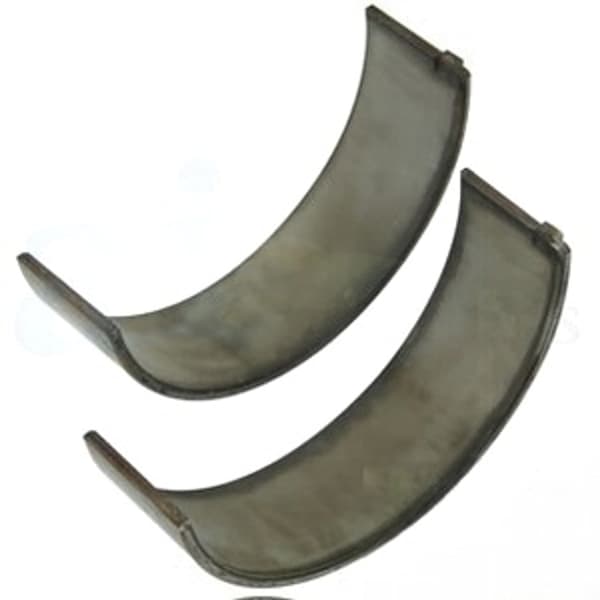
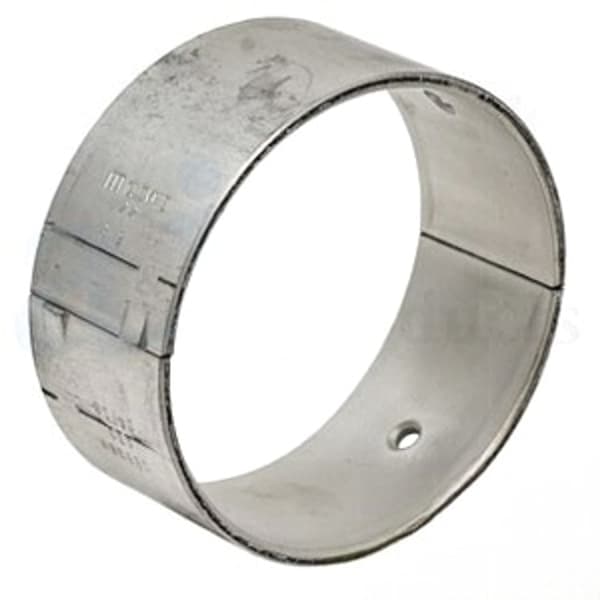
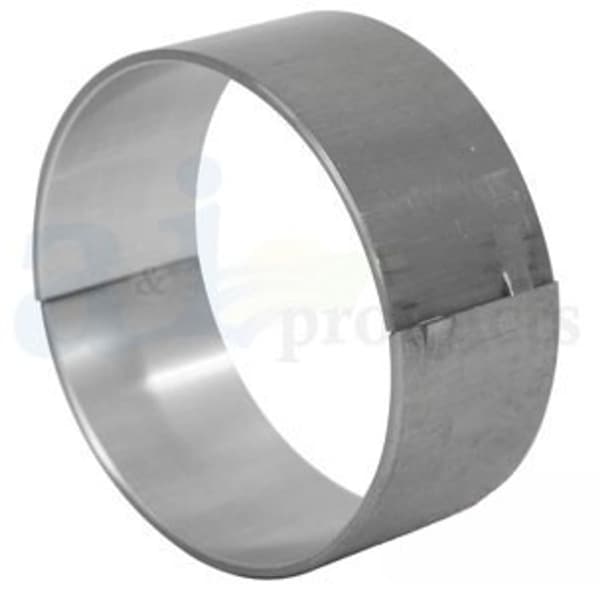
🔍 Looking for a specific part? Try our AI Part Finder — tell it your equipment and what you need, and it will find matching parts instantly.
This guide will walk you through the function of the plunger bearing system, common problems, troubleshooting tips, and replacement procedures. We'll cover crucial maintenance aspects, including lubrication, inspection, and timely replacement to maximize the lifespan of your square baler. Remember to consult your baler's operator manual for specific recommendations related to your machine.
Understanding the Plunger Bearing System
The plunger bearing system consists of several key parts working together:
- Plunger Bearing: This is the main bearing, typically a heavy-duty roller or spherical bearing, that allows the connecting rod to rotate freely while transferring force to the plunger.
- Wrist Pin (or Piston Pin): This pin connects the connecting rod to the plunger itself. It allows for pivotal movement as the plunger moves back and forth.
- Connecting Rod: This rod transmits power from the crankshaft or flywheel to the plunger. It's a critical link in the system, subject to significant stress.
- Bearing Races/Cups: These provide a smooth surface for the bearing rollers to move on, ensuring minimal friction and wear.
The crankshaft's rotational motion is converted into the reciprocating linear motion of the plunger via the connecting rod attached at the baler plunger bearing. Proper alignment and lubrication are paramount for the longevity of these components. Refer to your owner's manual for specific details regarding your square baler. We carry John Deere baler parts, New Holland baler parts, and Case IH baler parts to keep you running.
Common Issues with Plunger Bearings
Several factors can contribute to the failure of a plunger bearing. Recognizing these issues early can save you time and money:
- Lack of Lubrication: This is the most common cause of bearing failure. Insufficient grease leads to increased friction, overheating, and premature wear. Always follow the manufacturer's recommended lubrication schedule.
- Contamination: Dirt, dust, and debris can enter the bearing, acting as abrasives and accelerating wear. Ensure seals are in good condition and grease fittings are clean.
- Overloading: Attempting to bale hay that is too dense or feeding material into the baler too quickly can overload the plunger and stress the bearing beyond its design limits.
- Misalignment: If the connecting rod or crankshaft is misaligned, it can place undue stress on the bearing, leading to premature failure.
- Normal Wear and Tear: Over time, even with proper maintenance, bearings will eventually wear out due to fatigue.
Common symptoms of a failing baler plunger bearing include:
- Excessive noise (grinding, knocking) from the plunger area
- Vibration or shaking of the baler
- Overheating of the bearing housing
- Loose or wobbly plunger movement
- Visible play in the bearing
Troubleshooting and Diagnosis
If you suspect a problem with your plunger bearing, follow these steps to diagnose the issue:
- Visual Inspection: Carefully inspect the bearing housing for cracks, leaks, or other damage. Check the seals for wear or damage.
- Manual Inspection: With the baler shut down and safely locked out, try to move the plunger by hand. Feel for any excessive play or looseness in the bearing.
- Noise Check: Start the baler and listen carefully for any unusual noises coming from the plunger area. A stethoscope can be helpful for pinpointing the source of the noise.
- Temperature Check: After running the baler for a short period, check the temperature of the bearing housing. Excessive heat is a sign of friction and potential bearing failure.
- Grease Analysis: If possible, collect a sample of grease from the bearing and examine it for contaminants or signs of wear.
If you find any of these signs, it's time to consider replacing the baler plunger bearing. Continued operation with a failing bearing can lead to more significant damage to the plunger, connecting rod, or crankshaft. When inspecting, make sure to check other components such as baler knotter parts, baler pickup teeth, and even the baler twine to ensure all systems are in good working order.
Replacing the Plunger Bearing: A Step-by-Step Guide
WARNING: Always disconnect the power source and ensure the baler is safely locked out before performing any maintenance or repairs. Refer to your baler's operator manual for specific safety precautions.
- Gather Your Tools and Parts: You'll need a socket set, wrenches, bearing puller, hammer, grease gun, new bearing, seals, and cotter pins (if applicable). Refer to your baler's parts manual for the correct part numbers. Madison Tractor carries a wide range of parts for various brands including Ford, Massey Ferguson, Kubota, Allis Chalmers, Deutz, International Harvester, Oliver, White, Gleaner, Vermeer, Hesston, Mahindra, and Zetor.
- Remove the Old Bearing: This process varies depending on the baler model. Typically, you'll need to remove the connecting rod from the plunger by disconnecting it at the wrist pin. Then, use a bearing puller to remove the old bearing from the connecting rod. In some cases, you may need to heat the bearing housing slightly to ease removal.
- Inspect the Bearing Housing and Wrist Pin: Check for any damage or wear. Clean the housing thoroughly before installing the new bearing. Inspect the wrist pin for wear, replacing if necessary.
- Install the New Bearing: Carefully press the new bearing into the housing. Ensure it is properly seated and aligned. Use a bearing installation tool if possible to avoid damaging the bearing.
- Reassemble the Connecting Rod: Reconnect the connecting rod to the plunger, ensuring the wrist pin is properly installed and secured with cotter pins (if applicable).
- Lubricate the Bearing: Grease the new bearing thoroughly with high-quality grease.
- Test the Baler: Start the baler and run it at a slow speed, listening for any unusual noises or vibrations. Gradually increase the speed to normal operating levels.
Torque Specifications: Always refer to your baler's service manual for the correct torque specifications for all bolts and fasteners. Overtightening or undertightening can lead to premature failure. For instance, specific John Deere balers may require the connecting rod bolts to be torqued to a certain spec, followed by an additional angle tightening. Consult your manual.
Preventive Maintenance for Longer Bearing Life
Proper maintenance is the key to extending the life of your baler plunger bearing and avoiding costly repairs. Here are some tips:
- Regular Lubrication: Follow the manufacturer's recommended lubrication schedule religiously. Use a high-quality grease specifically designed for agricultural equipment.
- Inspect Seals Regularly: Replace worn or damaged seals to prevent contamination.
- Keep the Baler Clean: Clean the baler regularly to remove dirt, dust, and debris.
- Avoid Overloading: Don't try to bale hay that is too dense or feed material into the baler too quickly.
- Check Alignment: Periodically check the alignment of the connecting rod and crankshaft.
- Store the Baler Properly: When not in use, store the baler in a dry, sheltered location to prevent rust and corrosion.
- Annual Inspection: Perform a thorough inspection of the entire baler at the end of each season, paying close attention to the plunger bearing.
Regularly checking parts like round baler belts can also prevent future maintenance issues. By following these guidelines, you can significantly extend the life of your baler plunger bearing and keep your square baler running smoothly for years to come. We also stock parts like radiators, water pumps, starters, alternators, hydraulic pumps, cylinders, clutch kits, PTO parts, fuel pumps, carburetors, injectors, filters, gaskets, pistons, seals, belts, chains, and sickle sections. If you have a round baler net wrap issue, this may contribute to issues in the future, as well.
Shop for Baler Parts at Madison Tractor Company
Madison Tractor Company is your trusted source for high-quality square baler parts, including plunger bearings, wrist pins, connecting rods, and more. We carry a wide selection of parts for all major brands, including John Deere, Case IH, New Holland, and many others. Our knowledgeable team is here to help you find the right parts for your machine and answer any questions you may have. Browse our online catalog or contact us today to learn more. We’re committed to keeping your equipment running smoothly all season long! You can also use our AI-Powered Part Finder to search for parts by your specific make and model.
Part of our comprehensive guide
Hay Equipment Parts Guide: Baler, Mower & Rake Replacement Parts