








Baler Net Wrap vs Twine: Pros, Cons & Cost Comparison
Choosing between baler net wrap and twine can significantly impact your hay production. We break down the pros and cons of each, along with a cost comparison, to help you make the best decision for your operation. Learn more from the hay and forage equipment experts at Madison Tractor Company.
Introduction to Baler Binding: Net Wrap vs. Twine
When it comes to baling hay, the method you choose for binding the bales is a critical decision. The two main options are baler net wrap and baler twine. Both have their advantages and disadvantages, and the best choice for you will depend on your specific needs and operation. This guide from Madison Tractor Company will walk you through the pros, cons, and cost comparison of net wrap and twine, helping you make an informed decision.
Recommended Parts for This Guide
2 parts we recommend — in stock, ships fast, one-click add to cart.
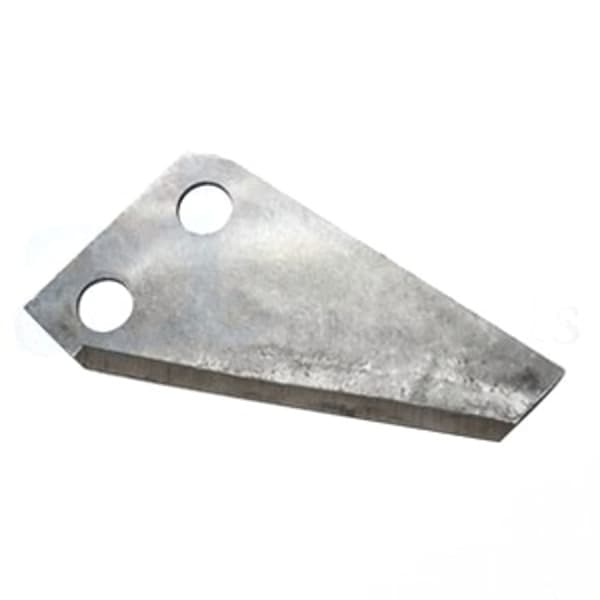
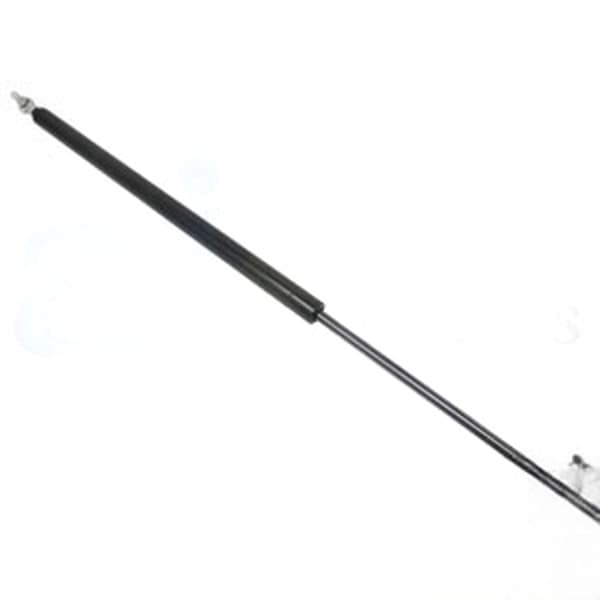
🔍 Looking for a specific part? Try our AI Part Finder — tell it your equipment and what you need, and it will find matching parts instantly.
Whether you operate a John Deere, Case IH, Ford, New Holland, Massey Ferguson, Kubota, Allis Chalmers, Deutz, International Harvester, Oliver, White, Gleaner, Vermeer, Hesston, Mahindra, or Zetor, understanding the nuances of net wrap and twine can save you time, money, and headaches during hay season. And when you need parts to keep your baler running smoothly, remember Madison Tractor Company has a wide selection of hay and forage equipment parts, including John Deere baler parts and New Holland baler parts.
Understanding Baler Twine
Baler twine, traditionally made from sisal, is now more commonly made from plastic (polypropylene). It secures bales by being tied into knots by the baler's knotter mechanism. The knotter is a complex assembly, and requires regular maintenance. Replacement baler knotter parts such as a twine knotter knife, a twine needle, twine guide, or a twine idler are crucial for keeping your baler running properly. You may also need a new twine cutter knife or twine cutting knife, or a bushing for the twine arm area.
Pros of Baler Twine:
- Lower Initial Cost: Twine is generally less expensive per bale than net wrap.
- Easy to Handle: Twine is easy to cut and remove from bales.
- Biodegradability: Sisal twine is biodegradable, making it environmentally friendly. However, plastic twine is not.
- Versatility: Twine can be used in both round and square balers.
Cons of Baler Twine:
- Slower Baling Speed: Tying with twine takes longer than wrapping with net wrap, reducing your baling efficiency.
- More Bale Sag: Twine doesn't provide as much surface coverage as net wrap, leading to looser bales that are more prone to sagging and spoilage.
- Higher Labor Costs: Slower baling speeds translate to higher labor costs.
- Knotter Issues: Twine balers require a knotter mechanism, which is a common source of problems, requiring regular maintenance and sometimes replacement parts.
Exploring Baler Net Wrap
Baler net wrap is a wide netting made of plastic that quickly wraps around the entire circumference of the bale. This method provides superior bale density and weather protection compared to twine. For optimal net wrap performance, ensure components like the net wrapping cover cylinder and net wrap brake bar canvas are in good condition, and that bushings for the net wrap actuator are properly maintained. Choosing the correct width and length of round baler net wrap material is essential for optimal performance.
Pros of Baler Net Wrap:
- Faster Baling Speed: Net wrap significantly reduces the time it takes to wrap a bale, increasing your baling efficiency.
- Improved Bale Density: Net wrap provides superior surface coverage, resulting in denser, more uniform bales that are less prone to spoilage.
- Reduced Bale Sag: The tighter wrap prevents bale sagging and maintains bale shape during storage and transport.
- Weather Protection: Net wrap offers better protection against rain and snow compared to twine.
- Reduced Leaf Loss: Tighter bales mean less leaf loss, preserving the nutritional value of your hay.
Cons of Baler Net Wrap:
- Higher Initial Cost: Net wrap is more expensive per bale than twine.
- Disposal Issues: Plastic net wrap is not biodegradable and can be difficult to dispose of responsibly.
- Equipment Compatibility: Not all balers are equipped to use net wrap. You may need to retrofit your baler, which can add to the overall cost.
- Removal Difficulty: Net wrap can sometimes be more difficult to remove from bales than twine, especially if it's tightly woven.
Cost Comparison: Baler Net Wrap vs. Twine
To accurately compare the cost of net wrap and twine, consider the following factors:
- Material Cost: Net wrap typically costs more per roll than twine. However, a roll of net wrap will cover more bales than a similar weight of twine.
- Labor Cost: Net wrap's faster baling speed reduces labor costs. Calculate the savings based on your hourly labor rate and the time saved per bale.
- Storage Losses: Net wrap reduces bale spoilage, minimizing hay losses and maximizing your return on investment.
- Equipment Cost: Factor in the cost of a net wrap-compatible baler or the cost of retrofitting your existing baler.
Here's a simplified example:
| Factor | Twine | Net Wrap |
|---|---|---|
| Material Cost per Bale | $0.75 | $1.50 |
| Labor Cost per Bale | $0.50 | $0.25 |
| Spoilage (5%) | $0.25 | $0.10 |
| Total Cost per Bale | $1.50 | $1.85 |
In this example, net wrap is slightly more expensive per bale. However, the actual cost difference may vary depending on your specific circumstances. And, this table doesn't account for the value of reduced leaf loss and better bale shape that comes from net wrap.
Making the Right Choice for Your Operation
Choosing between baler net wrap and twine depends on your individual needs and priorities. Consider the following questions:
- What is your budget? If cost is your primary concern, twine may be the more attractive option.
- How much hay do you need to bale? If you have a large acreage to cover, net wrap's faster baling speed can be a significant advantage.
- What are your storage conditions? If you store your bales outdoors, net wrap's superior weather protection is a must.
- What type of baler do you have? Ensure that your baler is compatible with your chosen binding method.
- What are your environmental concerns? If you prioritize biodegradability, sisal twine is the better choice.
Maintenance and Parts for Your Baler
Regardless of whether you choose net wrap or twine, regular maintenance is essential for keeping your baler in top condition. Check and replace worn parts such as baler pickup teeth, round baler belts, bearings, and chains. Keep your baler properly lubricated and adjust the settings according to the manufacturer's recommendations. For specific guidance on your equipment, consult your operator's manual.
When you need replacement parts for your baler, Madison Tractor Company has you covered. We carry a wide selection of parts for all major brands, including John Deere, Case IH, New Holland, and more. Our inventory includes radiators, water pumps, starters, alternators, hydraulic pumps, cylinders, clutch kits, PTO parts, fuel pumps, carburetors, injectors, filters, gaskets, pistons, bearings, and seal kits (such as those for cylinders used in twine wrap systems). We also stock belts, chains, concaves, and sickle sections. For example, if you have a John Deere 467 baler, you might need to replace the pickup teeth after several seasons of use. Or, for a New Holland BR780, check the condition of the round baler belts regularly, as worn belts can lead to uneven bale formation.
Safety First!
Always follow these safety precautions when operating and maintaining your baler:
- Read and understand your baler's operator's manual before operating the machine.
- Wear appropriate personal protective equipment (PPE), including safety glasses, gloves, and hearing protection.
- Never attempt to clear a plugged baler while the machine is running.
- Disconnect the PTO and shut off the engine before performing any maintenance or repairs.
- Be aware of your surroundings and keep bystanders away from the baler while it is in operation.
Shop Baler Parts at Madison Tractor Company
No matter your baling needs, Madison Tractor Company is here to support you with quality parts and expert advice. Browse our extensive online catalog or contact our knowledgeable team for assistance in finding the right parts for your tractor, combine, or hay equipment. Keep your operation running smoothly with Madison Tractor Company! You can also use our AI-Powered Part Finder to search for parts by your specific make and model.
Part of our comprehensive guide
Hay Equipment Parts Guide: Baler, Mower & Rake Replacement Parts