








Swather & Windrower Parts: Canvas, Knife & Reel
Maintain peak performance with your swather or windrower. This guide covers essential parts like canvases, knives, and reels, helping you identify issues and find the right replacements to keep your hay operation running smoothly.
Introduction to Swather & Windrower Maintenance
Swathers and windrowers are critical pieces of hay and forage equipment, responsible for cutting and conditioning crops before baling. A well-maintained swather ensures a clean cut, efficient conditioning proper windrow formation, all contributing to high-quality hay. This guide will walk you through essential swather parts like canvases, knives (sickle bars) reels, helping you diagnose common issues and select the right replacement components. Don't forget to browse our Hay & Forage Equipment Parts guide for more comprehensive information.
Recommended Parts for This Guide
7 parts we recommend — in stock, ships fast, one-click add to cart.
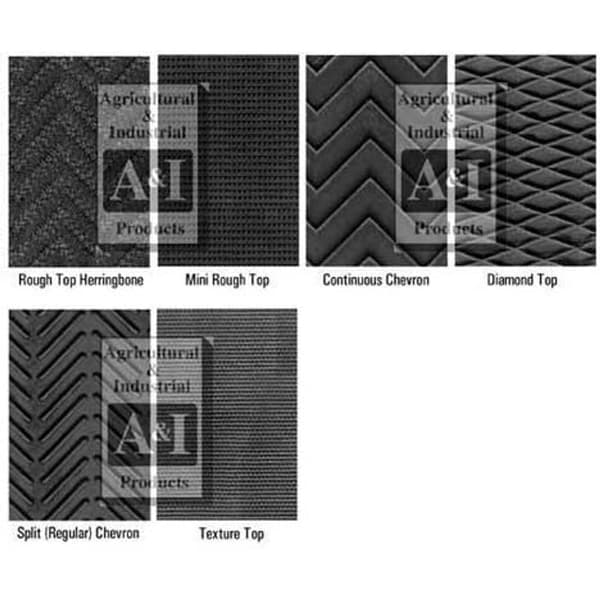
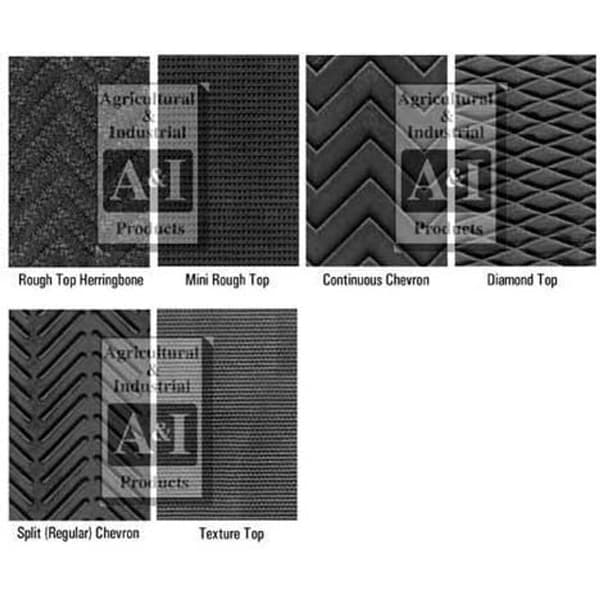
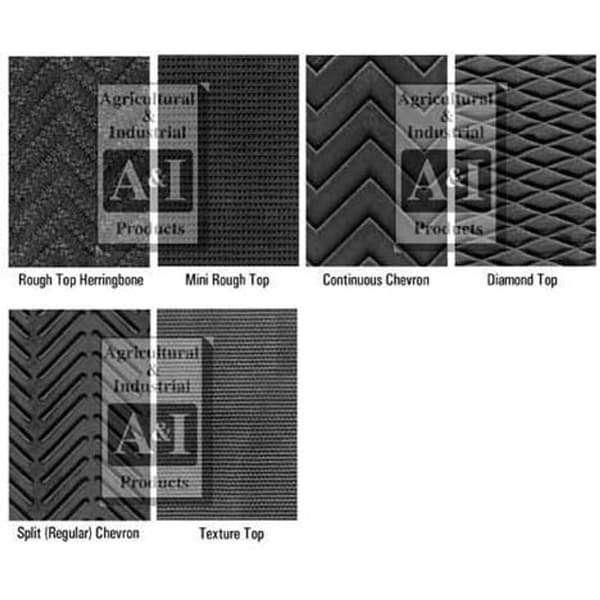
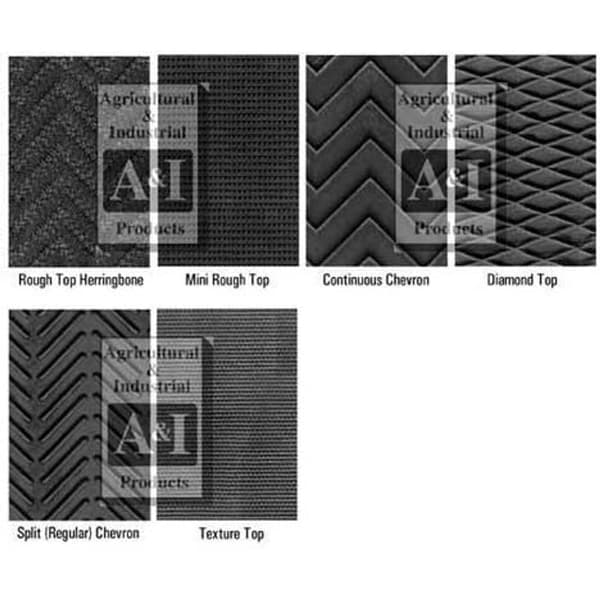
🔍 Looking for a specific part? Try our AI Part Finder — tell it your equipment and what you need, and it will find matching parts instantly.
Understanding Swather Components
A typical swather consists of several key components working in harmony
- Cutting System (Knife or Sickle Bar) Responsible for severing the crop.
- Conditioning System (Rollers or Impellers) Crushes or crimps the stems to accelerate drying.
- Reel Guides the crop into the cutting system and lays it onto the canvas.
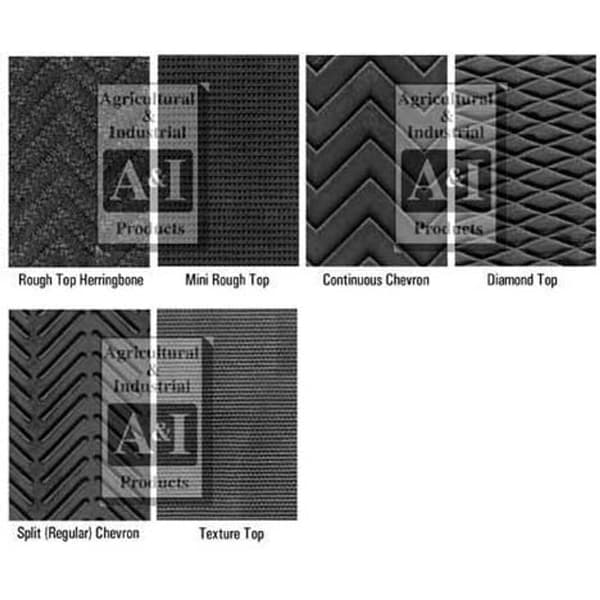
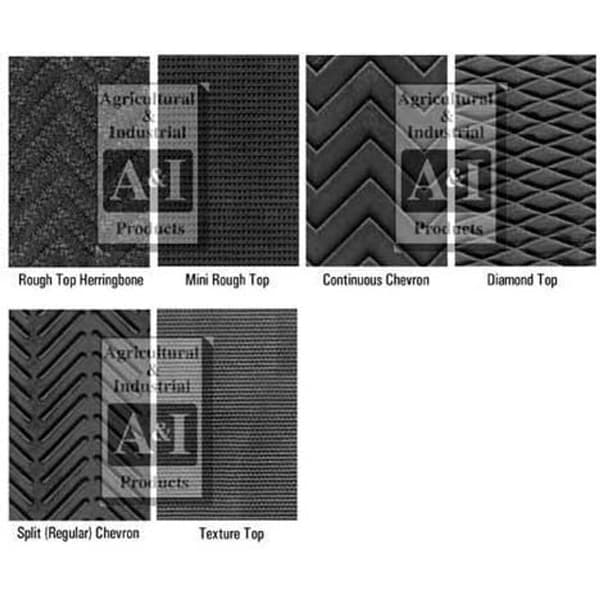
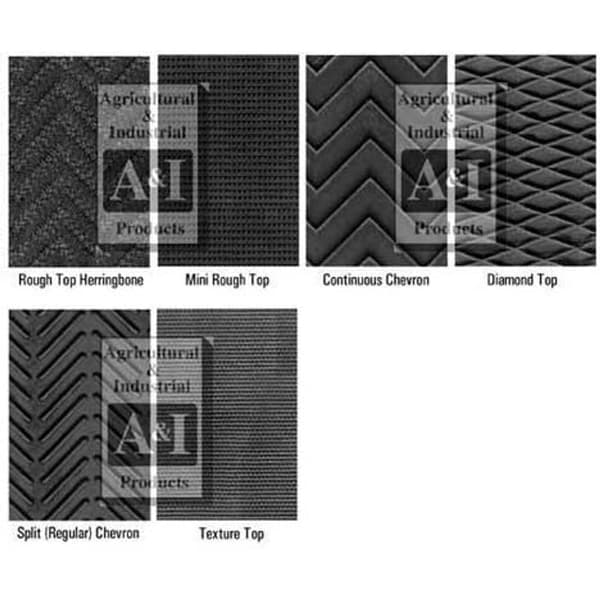
- Canvas (draper belt) Transports the cut crop to the center, forming a windrow.
swather canvas (Draper Belts)
The canvas, also known as a draper belt, is a critical component for moving the cut crop from the cutter bar to the windrow. Proper canvas tension and condition are essential for consistent windrow formation and minimal crop loss.
Common Canvas Problems
- Tears and Holes Due to wear, age, or foreign object damage.
- Slippage Caused by excessive wear, improper tension, or debris buildup.
- Tracking Issues Misalignment, damaged rollers, or uneven tension can cause the canvas to track improperly.
Troubleshooting and Maintenance
- Visual Inspection Regularly check for tears, holes excessive wear. Pay close attention to the edges and seams.
- Tension Adjustment Refer to your swather's operator manual for specific tensioning procedures. Generally, canvases should have slight give when pressed firmly. A loose canvas will slip, while an overtightened canvas can damage rollers and bearings.
- Roller Inspection Ensure rollers are clean, properly lubricated free from damage. Damaged rollers can cause uneven wear and tracking issues.
- Alignment Check that the canvas is running straight and true. Misalignment can be corrected by adjusting roller positions or canvas guides.
Replacing a Canvas
- Safety First Disconnect the power to the swather and engage any safety locks before beginning any work.
- Remove the Old Canvas Typically, this involves releasing tension, disconnecting fasteners carefully sliding the old canvas off the rollers.
- Install the New Canvas Ensure the canvas is properly oriented (direction of travel). Slide it onto the rollers and secure it with fasteners.
- Tensioning Adjust the canvas tension according to the manufacturer's recommendations.
- Testing Run the swather at a slow speed and observe the canvas tracking and operation. Make any necessary adjustments.
Madison Tractor Company offers a wide selection of replacement canvases for various swather brands and models, including John Deere, New Holland, Case IH, MacDon Hesston. When ordering a replacement canvas, be sure to provide the correct length, width lug configuration.
Example: A John Deere 590 draper belt (canvas) might require OEM part number. Always verify fitment based on your machine's serial number.
Swather Knife (Sickle Bar)
The swather knife, or sickle bar, is responsible for cutting the crop. Sharp, properly aligned knives are crucial for a clean cut and reduced horsepower requirements. Common knife styles include under serrated, over serrated smooth.
Common Knife Problems
- Dull or Damaged Sections Result in ragged cuts and increased horsepower consumption.
- Broken Sections Can damage other knife components and reduce cutting efficiency.
- Loose or Missing Guards Allow the crop to slip past the knife, resulting in uncut stems.
- Knife Drive Issues worn bearings, damaged pitman arms, or loose connections can cause erratic knife movement or failure.
Troubleshooting and Maintenance
- Daily Inspection Check for broken or damaged sections. Replace as needed.
- Section Replacement Use the correct type of section for your knife. Ensure sections are securely riveted or bolted in place. Torque rivet bolts to manufacturer specs, generally between 10-15 ft-lbs.
- Guard Alignment Guards should be properly aligned and spaced to prevent crop slippage. Replace damaged or missing guards.
- Knife Drive Lubrication Regularly lubricate knife drive components according to the manufacturer's recommendations.
- Knife Timing Ensure the knife is properly timed. Refer to your operator's manual for specific timing procedures.
Replacing Knife Sections
Replacing knife sections is a common maintenance task. Here's a general procedure
- Safety First Disconnect the power to the swather and engage any safety locks.
- Remove the Damaged Section Use a punch or chisel to remove the rivets or bolts securing the section.
- Install the New Section Align the new section with the knife bar and secure it with rivets or bolts.
- Check for Clearance Ensure the new section clears the guards and other components.
Madison Tractor Company carries a comprehensive selection of sickle sections, knife guards knife drive components for popular swather brands like John Deere, New Holland, Case IH Massey Ferguson. We stock parts suitable for models ranging from older machines like the Ford 532 to newer self-propelled models.
Example: A Case IH 8820 swather might use a knife section with OEM part number 87709343. Refer to your parts manual to confirm compatibility.
Swather Reel
The swather reel guides the crop into the cutting system, ensuring a smooth and even feed. Proper reel speed and position are critical for optimal performance.
Common Reel Problems
- Bent or Broken Tines Reduce the reel's ability to gather the crop.
- Worn Bearings Cause excessive noise, vibration potential failure.
- Reel Drive Issues Slipping belts, damaged chains, or worn sprockets can affect reel speed and performance.
Troubleshooting and Maintenance
- Visual Inspection Check for bent or broken tines. Replace as needed.
- Bearing Inspection Listen for unusual noises or vibration. Replace worn bearings promptly.
- Drive System Maintenance Inspect belts, chains sprockets for wear and damage. Adjust belt tension or replace worn components. Lubricate chains regularly.
- Reel Speed Adjustment Adjust reel speed according to crop conditions. Generally, the reel speed should be slightly faster than the ground speed.
- Reel Position Adjustment Adjust reel position to ensure the crop is properly guided into the cutting system.
Madison Tractor Company offers replacement reel tines, bearings drive components for a variety of swather brands and models, including Kubota, Allis Chalmers, Deutz, International Harvester, Oliver, White, Gleaner, Vermeer, Hesston, Mahindra Zetor. We understand the importance of keeping your equipment running smoothly, regardless of the brand.
Example: A New Holland HW365 reel tine might cross-reference to an aftermarket replacement with specific dimensions and mounting hardware. Always double-check compatibility.
General Swather Maintenance Tips
- Regular Lubrication Follow the manufacturer's recommendations for lubrication points and intervals. Use high-quality grease suitable for agricultural equipment.
- Hydraulic System Maintenance Check hydraulic fluid levels and hoses regularly. Replace filters according to the manufacturer's schedule.
- Cooling System Maintenance Keep the radiator clean and free from debris. Check coolant levels and hoses. Consider replacing radiators and water pumps proactively on older machines to prevent downtime.
- Fuel System Maintenance Replace fuel filters regularly. Ensure the fuel system is free from leaks and contamination. Clean or rebuild carburetors and replace injectors as needed.
- Electrical System Maintenance Check wiring, connections batteries regularly. Replace starters, alternators other electrical components as needed.
- Safety First Always disconnect the power to the swather and engage any safety locks before performing maintenance or repairs. Wear appropriate personal protective equipment (PPE), such as gloves and safety glasses.
Remember to consult your swather's operator manual for specific maintenance procedures and recommendations. Replacing filters (air, oil, fuel, hydraulic) and checking fluid levels (engine oil, hydraulic fluid) regularly are critical preventative measures. Consider keeping a stock of common replacement parts, such as belts and knives, on hand to minimize downtime during harvest season.
Shop Swather Parts at Madison Tractor Company
Madison Tractor Company is your trusted source for high-quality swather parts and other hay and forage equipment components. We offer a wide selection of parts for all major brands, including John Deere, New Holland, Case IH, Massey Ferguson more. Our knowledgeable staff is here to help you find the right parts for your specific needs. Browse our online catalog or contact us today to learn more! We also offer a wide range of tractor parts to keep your entire operation running smoothly. You can also use our AI-Powered Part Finder to search for parts by your specific make and model.
Part of our comprehensive guide
Hay Equipment Parts Guide: Baler, Mower & Rake Replacement Parts