








Square Baler Parts: Knotter, Plunger & Feed System
Square balers are essential for hay production, but a breakdown can halt your progress. This guide covers the crucial square baler parts – knotter, plunger, and feed systems – helping you troubleshoot and maintain your equipment.
Introduction to Square Baler Maintenance
Square balers are workhorses on many farms, efficiently packaging hay into manageable bales. But a malfunctioning baler during hay season is a major headache. Understanding the critical components – the knotter assembly, plunger feed system – is key to keeping your baler running smoothly. At Madison Tractor, we carry a wide range of baler parts for all major brands, including John Deere, Case IH, New Holland, Massey Ferguson more. This guide will help you diagnose common issues and perform essential maintenance to minimize downtime.
Recommended Parts for This Guide
5 parts we recommend — in stock, ships fast, one-click add to cart.
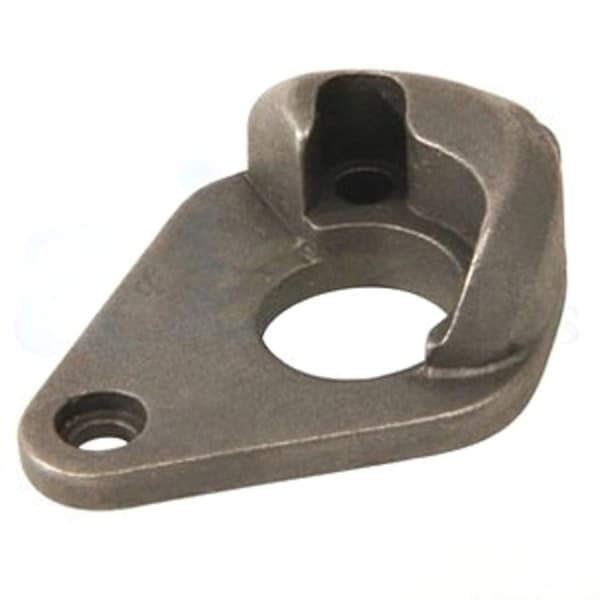
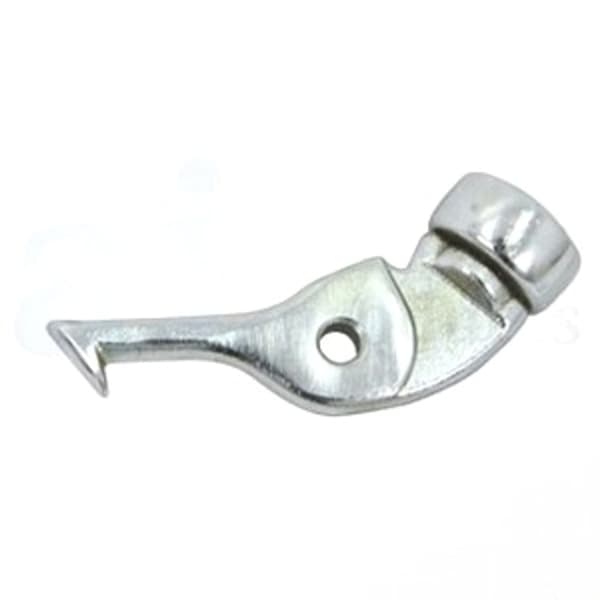
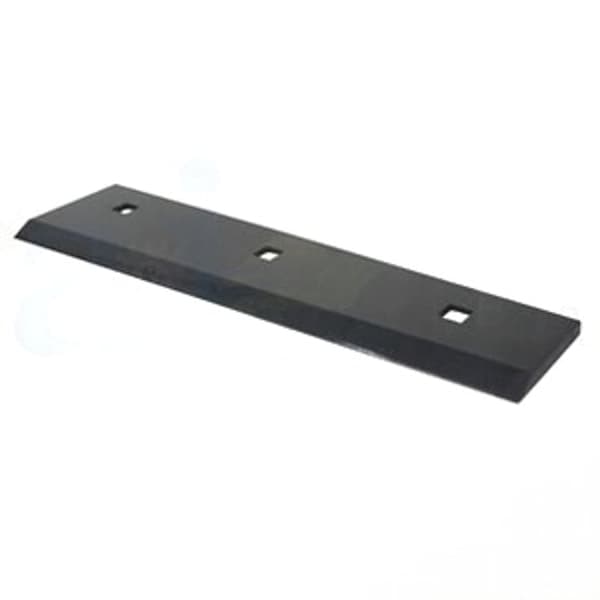
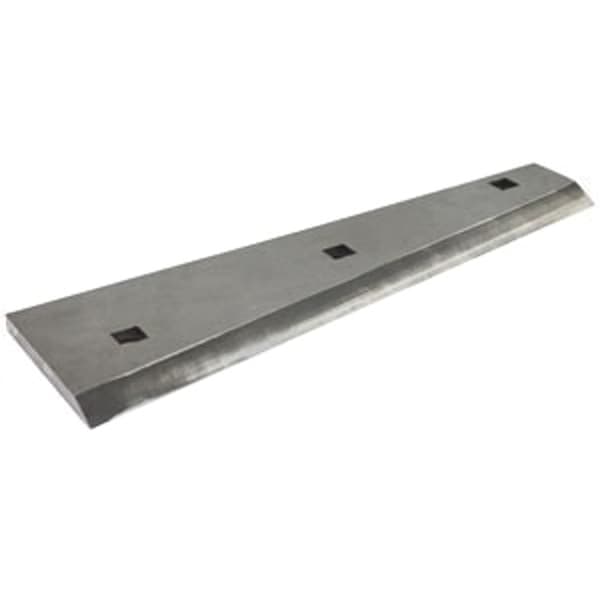
🔍 Looking for a specific part? Try our AI Part Finder — tell it your equipment and what you need, and it will find matching parts instantly.
Remember to always consult your operator's manual before performing any maintenance or repairs. Safety first! Disconnect the PTO and ensure the baler is properly supported before working on it.
Knotter Assembly: Tying It All Together
The knotter assembly is the heart of a square baler, responsible for tying the twine securely around the bale. A properly functioning knotter is essential for producing consistent, well-formed bales. The baler knotter parts are complex and require precise adjustment.
Common Knotter Problems
- Missed Knots This is often caused by worn knotter bills, twine discs, or twine fingers. Check for wear and replace as needed. Also, ensure the twine is properly threaded and of the correct type and strength for your baler.
- Broken Twine Could be due to dull knotter knives, rough or corroded twine discs, or excessive tension on the twine. Inspect and clean or replace worn components.
- Loose Knots Check the twine tension settings and adjust according to the manufacturer's recommendations. Also, ensure the knotter bill is closing properly and the twine disc is holding the twine securely.
Knotter Maintenance and Adjustment
- Regular Cleaning Keep the knotter assembly clean and free of debris. Use compressed air to blow out any accumulated hay, chaff, or twine.
- Lubrication Lubricate all moving parts of the knotter assembly regularly, following the manufacturer's recommendations. Use a high-quality grease specifically designed for agricultural equipment.
- Knife Sharpening Keep the knotter knives sharp to ensure clean cuts. Dull knives can lead to broken twine and missed knots. Sharpen or replace as needed.
- Timing Adjustment The knotter timing is critical for proper operation. Refer to your operator's manual for the correct timing procedure. Incorrect timing can cause a variety of problems, including missed knots, broken twine damage to the knotter assembly.
We stock a wide range of knotter parts, including knotter bills, bill hook cam kits, twine discs, twine fingers, knives complete knotter assemblies for brands like John Deere, New Holland, Case IH more. For example, a common replacement knotter bill for a John Deere 348 baler is part number. A typical torque specification for knotter assembly bolts is between 25-35 ft-lbs, but always refer to your manual.
Plunger: Compressing the Hay
The plunger is responsible for compressing the hay into the bale chamber. A strong, reliable plunger is essential for producing dense, well-formed bales.
Common Plunger Problems
- Slow Plunger Speed Could indicate a problem with the baler's drive system, such as a worn belt, chain, or gear. Also, check the hydraulic system (if equipped) for leaks or low pressure.
- Uneven Bale Density Could be caused by a misaligned plunger, worn plunger rails, or incorrect tension settings on the bale chamber.
- Plunger Binding Check for obstructions in the bale chamber, such as large rocks or clumps of hay. Also, inspect the plunger rails for damage or wear.
Plunger Maintenance and Adjustment
- Rail Lubrication Keep the plunger rails well-lubricated to reduce friction and wear. Use a high-quality grease specifically designed for agricultural equipment.
- Rail Alignment Periodically check the alignment of the plunger rails. Misalignment can cause the plunger to bind and wear prematurely. Adjust as needed.
- Plunger Face Inspection Inspect the plunger face for wear or damage, including the plunger head knife. Replace if necessary to maintain proper bale density.
- Safety Stop Adjustment Ensure the plunger safety stop is functioning correctly. This is a crucial safety feature that prevents the plunger from cycling if the bale chamber is opened.
Madison Tractor stocks plunger bearings, plunger knives, connecting rods and other related components for various baler models. For instance, a common plunger bearing for a New Holland 575 baler is part number 86548832. Check the plunger connecting rod bolts regularly; a typical torque spec is 80-100 ft-lbs. Ensure the safety latch is functioning; this is crucial to prevent accidental plunger movement during maintenance.
We carry Ford parts as well other less common brands, allowing you to properly service your older baler models.
Feed System: Metering the Hay
The feed system is responsible for delivering hay evenly into the bale chamber. A properly functioning feed system ensures consistent bale density and shape.
Common Feed System Problems
- Uneven Feeding Could be caused by worn or broken feed fingers, a misadjusted feed rake, or obstructions in the feed chute.
- Hay Bridging Occurs when hay gets stuck in the feed chute, preventing it from entering the bale chamber. This can be caused by excessive moisture in the hay or a poorly designed feed chute.
- Overloading Feeding too much hay into the bale chamber can overload the plunger and cause it to bind. Adjust the feed rate according to the crop conditions and the baler's capacity.
Feed System Maintenance and Adjustment
- Finger Inspection Regularly inspect the feed fingers for wear or damage. Replace worn or broken fingers to ensure even feeding.
- Rake Adjustment Adjust the feed rake according to the manufacturer's recommendations. Proper rake adjustment ensures that the hay is delivered evenly into the bale chamber.
- Chute Cleaning Keep the feed chute clean and free of debris. Remove any accumulated hay, chaff, or other material that could obstruct the flow of hay.
- Timing The timing of the feed system in relation to the plunger is critical. Refer to the service manual for correct adjustment procedures.
Madison Tractor carries a range of feed system components, including feed fingers, rakes augers for brands like John Deere, Case IH, New Holland, Massey Ferguson others. For example, a common feed finger for a Massey Ferguson 184 baler is part number 534241M1. Ensure the drive chains and sprockets are properly lubricated and tensioned. A typical chain tension should allow about 1/2 inch of play. Remember to check your John Deere baler parts for wear.
When inspecting the feed system, pay close attention to any shear bolts or pins. These are designed to break under excessive load, protecting the more expensive components of the system. Always have replacements on hand.
We also carry parts for older brands such as Allis Chalmers, Deutz, International Harvester, Oliver, White, Gleaner, Vermeer, Hesston, Mahindra Zetor, ensuring you can keep your older equipment running smoothly.
Beyond the Basics: Other Important Square Baler Parts
While the knotter, plunger feed system are critical, don't overlook other essential hay and forage equipment parts. Regular maintenance on these can prevent bigger problems later
- Pickup Teeth Ensure the pickup teeth are in good condition for efficient hay gathering. Damaged or missing teeth will result in lost hay. Replace worn baler pickup teeth promptly.
- Baler Belts (if applicable) Some square balers use belts for feeding or conveying hay. Inspect these regularly for wear and tear.
- Bearings Check all bearings throughout the baler for proper lubrication and excessive play. Replace worn bearings promptly.
- Chains and Sprockets Keep chains and sprockets clean, lubricated properly tensioned.
- Hydraulic System (if applicable) Check for leaks and ensure the hydraulic fluid level is correct.
- Tires Maintain proper tire pressure for safe and efficient operation.
Shop Square Baler Parts at Madison Tractor
Keeping your square baler in top condition is essential for a successful hay season. Madison Tractor Company is your one-stop shop for all your square baler parts needs. We offer a wide selection of high-quality parts for all major brands, competitive prices expert customer service. Browse our online catalog or contact us today to find the parts you need to keep your baler running smoothly. Don't forget to stock up on baler twine and round baler belts while you're at it! You can also use our AI-Powered Part Finder to search for parts by your specific make and model.
Part of our comprehensive guide
Hay Equipment Parts Guide: Baler, Mower & Rake Replacement Parts