








Small Engine Carburetor Solenoid: Anti-Backfire Valve
The carburetor solenoid, often called an anti-backfire valve, is a crucial component in modern small engines, preventing dangerous and damaging engine run-on. This article explains its function, how to diagnose issues, and how to ensure your engine runs smoothly and safely.
If you own a lawn mower, snow blower, or any other piece of outdoor power equipment with a small engine, you've likely encountered the term "carburetor solenoid." But what exactly is it, and why is it so important? This article will demystify the carburetor solenoid, also known as an anti-backfire valve, explaining its function, troubleshooting common problems, and guiding you through replacement if necessary.
Recommended Parts for This Guide
10 parts we recommend — in stock, ships fast, one-click add to cart.
🔍 Looking for a specific part? Try our AI Part Finder — tell it your equipment and what you need, and it will find matching parts instantly.
What is a Carburetor Solenoid?
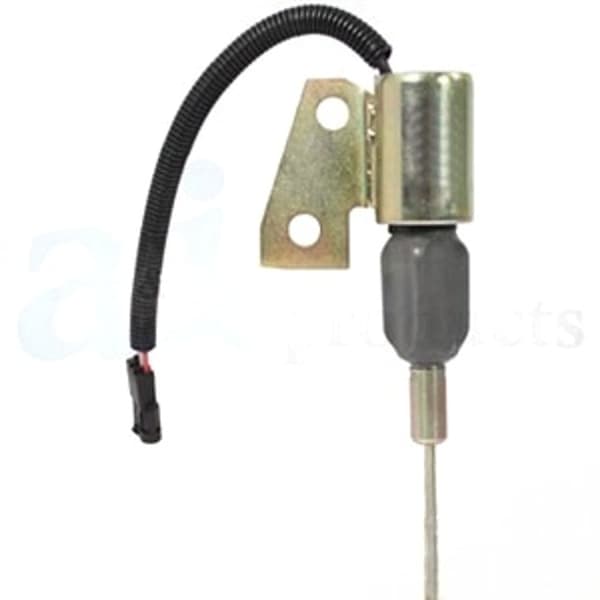
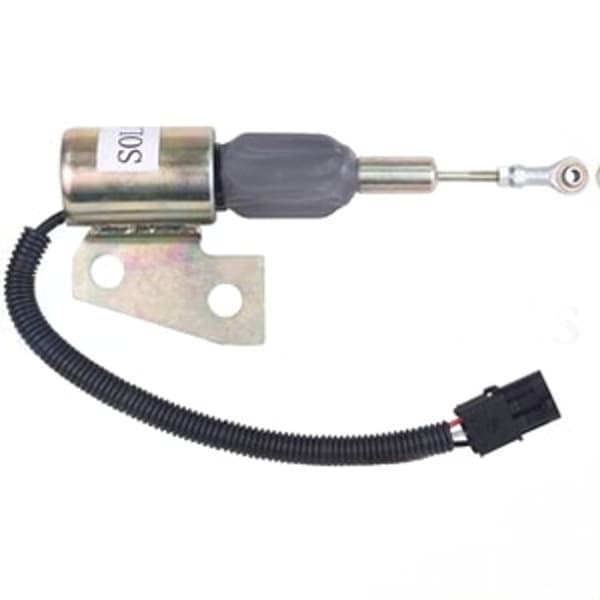
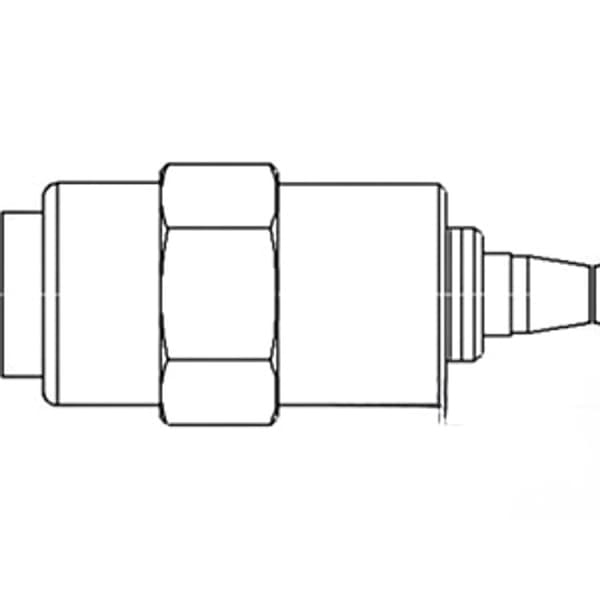
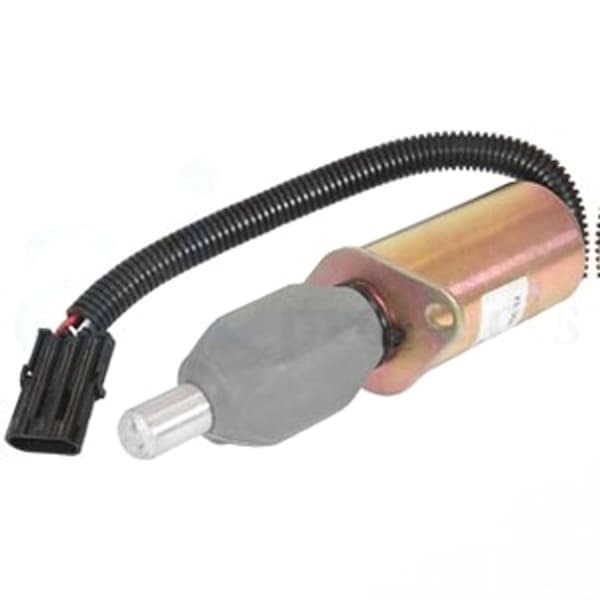
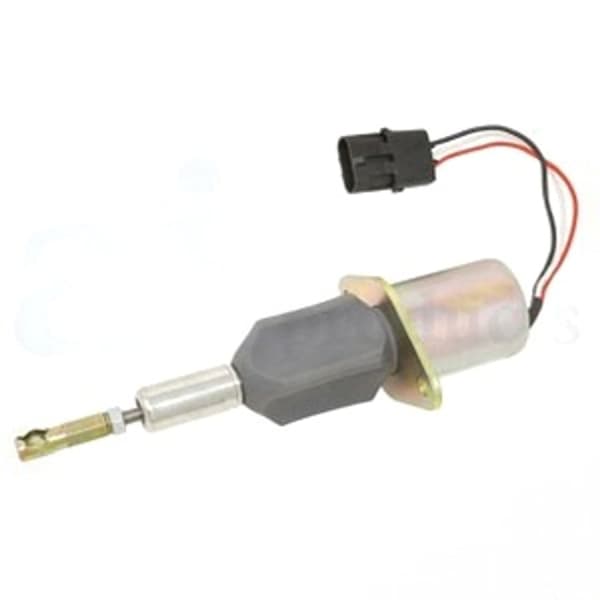
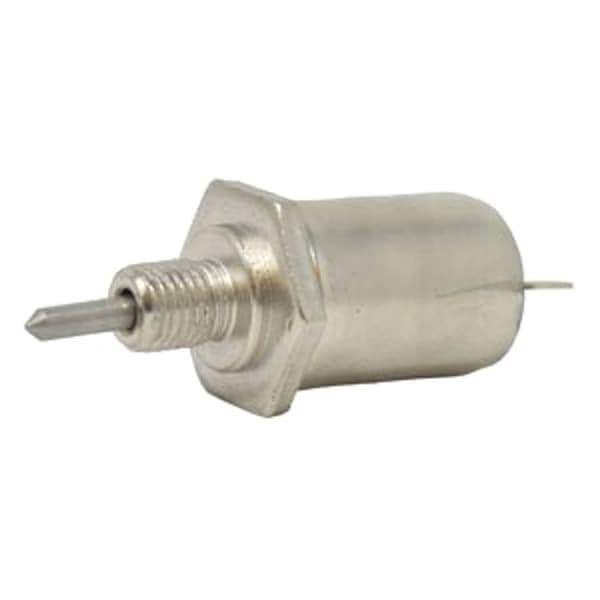
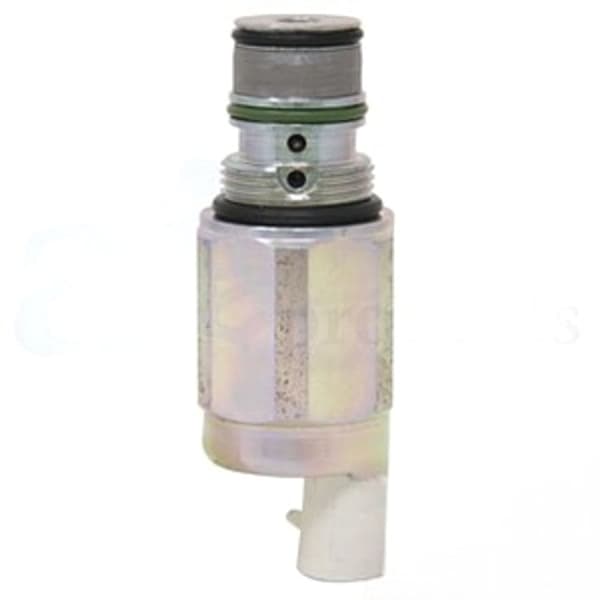
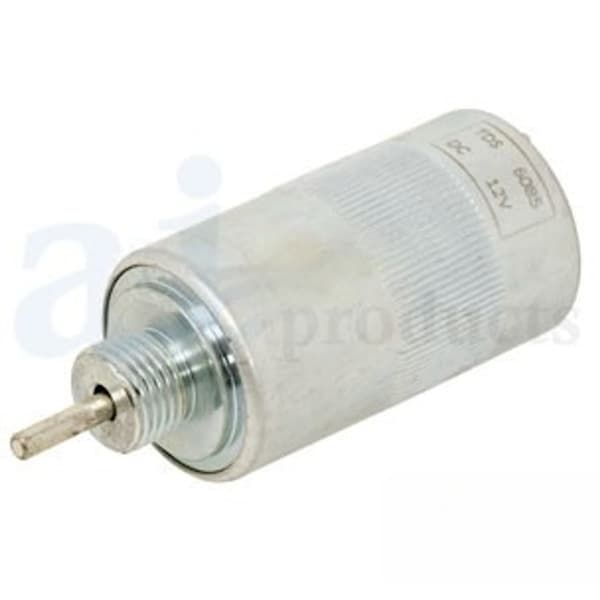
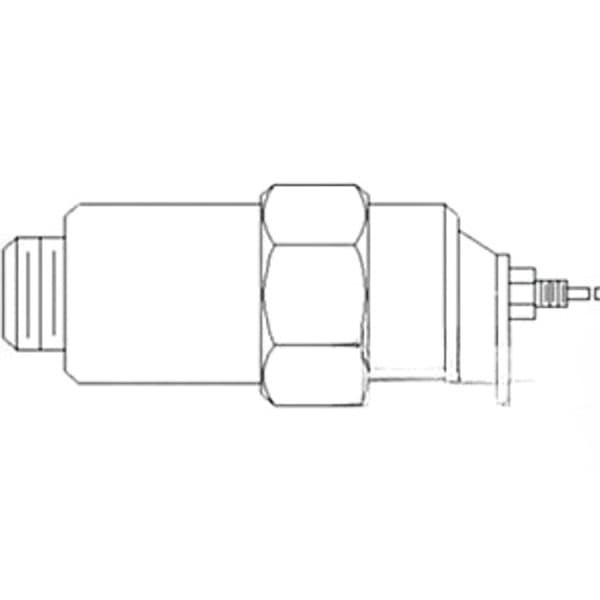
The carburetor solenoid is a small, electrically operated valve typically found attached to the bottom of the carburetor bowl on many modern four-stroke small engines. Its primary function is to prevent engine backfire or "run-on" when the engine is shut down. This is especially common in engines used in lawnmowers, zero-turn mowers, and other outdoor power equipment from brands like John Deere, Craftsman, Cub Cadet, Husqvarna, Toro, Ariens, Murray, Hustler, Scag, Exmark, Ferris, Snapper, Simplicity, and Dixie Chopper. The solenoid is a key part of the Engine & Fuel System Parts.
When the ignition is turned on, the solenoid receives power, energizing an internal plunger that opens a fuel passage within the carburetor. This allows fuel to flow normally, enabling the engine to run. When the ignition is switched off, the solenoid loses power, the plunger retracts, and the fuel passage is blocked. This immediate fuel cutoff prevents any lingering fuel from entering the engine cylinder, preventing uncontrolled combustion (backfire) during shutdown.
Why is the Carburetor Solenoid Important?
Backfiring isn't just a nuisance; it can be detrimental to your engine's health. Here's why the carburetor solenoid is so critical:
- Prevents Engine Damage: Backfires can cause excessive stress on engine components, potentially damaging the exhaust system, valves, and even the piston.
- Reduces Fire Hazard: Uncontrolled combustion near dry grass or flammable materials can easily start a fire. A properly functioning solenoid minimizes this risk.
- Enhances Engine Longevity: By preventing stress and damage, the solenoid contributes to the overall lifespan of your small engine.
- Operator Safety: A sudden backfire can startle the operator, especially on a zero-turn mower or riding mower, causing them to lose control.
Diagnosing Carburetor Solenoid Problems
A faulty carburetor solenoid can manifest in several ways. Here are some common symptoms to watch out for:
- Engine Starts, Then Dies: This is a classic sign. The solenoid might be failing to fully open the fuel passage, starving the engine of fuel.
- Engine Won't Start: If the solenoid is completely blocked or shorted, it might prevent fuel from reaching the engine at all.
- Engine Backfires Upon Shutdown: This is the most obvious symptom. If the engine continues to run for a few seconds after being switched off and produces a loud pop or backfire, the solenoid is likely not functioning correctly.
- Fuel Leaks: Sometimes, a damaged solenoid can leak fuel, especially around the base where it threads into the carburetor bowl.
Here's a step-by-step troubleshooting guide:
- Visual Inspection: Carefully examine the solenoid for any signs of damage, such as cracks, leaks, or corrosion. Also, check the wiring connector for loose connections or frayed wires.
- Electrical Test:
- Continuity Test: Disconnect the wire from the solenoid. Use a multimeter set to the ohms setting (Ω). Place one probe on the solenoid terminal and the other on the solenoid body. You should see a reading indicating continuity. An open circuit (no continuity) suggests a faulty solenoid coil.
- Voltage Test: With the ignition key in the 'on' position (but engine not running), use a multimeter to check for voltage at the solenoid connector. You should see approximately 12 volts. No voltage indicates a problem with the wiring, ignition switch, or safety interlock system.
- Click Test: With the wire connected, turn the ignition key to the 'on' position (engine not running). You should hear a distinct "click" sound from the solenoid as it activates. If you don't hear a click, the solenoid may be faulty. You can often feel the click by placing your finger on the solenoid while turning the key.
- Fuel Flow Test (Advanced): Warning: Exercise extreme caution when working with fuel! Disconnect the fuel line from the carburetor. Carefully remove the solenoid from the carburetor bowl. With the ignition on, observe if fuel flows freely from the carburetor. If fuel flow is restricted, the solenoid is likely blocked or malfunctioning.
Replacing the Carburetor Solenoid
If your troubleshooting reveals a faulty solenoid, replacement is usually the best course of action. Here's a general guide. *Always consult your engine's service manual for specific instructions.*
- Gather Your Tools and Parts: You'll need a wrench (usually a socket wrench or open-end wrench), a new carburetor solenoid matching your engine model, and possibly a new gasket or O-ring. It's also a good idea to have a small container to catch any spilled fuel. You can often find these solenoids included in a small engine carburetor kit. Don't forget safety glasses and gloves.
- Disconnect the Spark Plug: This is a crucial safety step to prevent accidental engine starting.
- Turn off the Fuel: Locate the fuel shut-off valve (if equipped) and close it. If there's no valve, use a fuel line clamp to pinch off the fuel line.
- Remove the Old Solenoid: Disconnect the wire from the solenoid. Carefully unscrew the solenoid from the carburetor bowl. Be prepared for some fuel spillage.
- Install the New Solenoid: Apply a small amount of clean engine oil to the threads of the new solenoid. Install the new solenoid into the carburetor bowl, tightening it securely but not overtightening. Overtightening can damage the carburetor body.
- Reconnect the Wiring: Reconnect the wire to the solenoid. Ensure the connection is secure.
- Turn on the Fuel: Open the fuel shut-off valve or remove the fuel line clamp.
- Test the Engine: Reconnect the spark plug. Start the engine and observe its performance. It should start easily and run smoothly. Turn off the engine to verify that it shuts down without backfiring.
If you are experiencing carburetor problems beyond the solenoid, you might want to investigate replacing the entire carburetor. See our guides: Briggs & Stratton Carburetor: Replacement by Model, Kohler Carburetor: Courage & Command Engine Carbs, and Kawasaki Engine Carburetor: FR, FS & FX Series.
Maintenance Tips for Carburetor Solenoids
- Use Fresh Fuel: Old or stale fuel can gum up the carburetor and affect solenoid performance.
- Fuel Stabilizer: Add fuel stabilizer to the fuel tank, especially before storing your equipment for extended periods.
- Regular Cleaning: Periodically clean the carburetor, including the solenoid, to remove any deposits or debris. A Small Engine Carburetor Rebuild Kit: Gaskets & Needles, or even a Briggs & Stratton Carburetor Rebuild Kit: All Models can be a good investment.
- Check Fuel Filter: A clogged fuel filter can restrict fuel flow and put strain on the solenoid. Replace the fuel filter regularly.
Beyond the carburetor itself, regular maintenance for equipment like lawnmowers includes checking and replacing parts like blades, belts, spindles, pulleys, filters, and spark plugs.
Conclusion
The carburetor solenoid plays a vital role in preventing backfires and ensuring the longevity of your small engine. By understanding its function, recognizing potential problems, and performing basic troubleshooting, you can keep your outdoor power equipment running smoothly and safely for years to come. If you're not comfortable performing these repairs yourself, consult a qualified small engine mechanic.
Having issues with the fuel reaching the carburetor? You may want to read our articles on Small Engine Fuel Pump: Pulse & Electric by Engine or Kohler Fuel Pump: Pulse Pump for Command & Courage.
Shop with Madison Tractor for All Your small engine parts!
Madison Tractor Company is your one-stop shop for all your outdoor power equipment parts needs. We carry a wide selection of high-quality carburetor solenoids, carburetor bowls, carburetor bowl screws, carburetors, fuel filters, spark plugs, belts, blades and more for brands like John Deere, Craftsman, Cub Cadet, Husqvarna, Toro, Ariens, Murray, Hustler, Scag, Exmark, Ferris, Snapper, Simplicity, and Dixie Chopper. Visit our website today to find the parts you need to keep your equipment running its best! Our expert staff is ready to help if you have any questions. We also stock shear pins, bearings, and even Briggs & Stratton head gaskets! You can also use our AI-Powered Part Finder to search for parts by your specific make and model.
Part of our comprehensive guide
Small Engine Parts Guide: Carburetors, Fuel Pumps & Gaskets by Engine