








Small Engine Muffler: Exhaust & Muffler Replacement
A properly functioning small engine muffler is crucial for both noise reduction and engine performance. Learn how to diagnose muffler problems and replace it to keep your equipment running smoothly.
Introduction to the small engine muffler
The small engine muffler is a critical component of your outdoor power equipment, whether it's a lawn mower, snow blower, generator, or other machine powered by a small engine. Its primary function is to reduce the noise generated by the engine's exhaust. Beyond noise reduction, however, the muffler also plays a vital role in engine performance and safety.
Recommended Parts for This Guide
5 parts we recommend — in stock, ships fast, one-click add to cart.
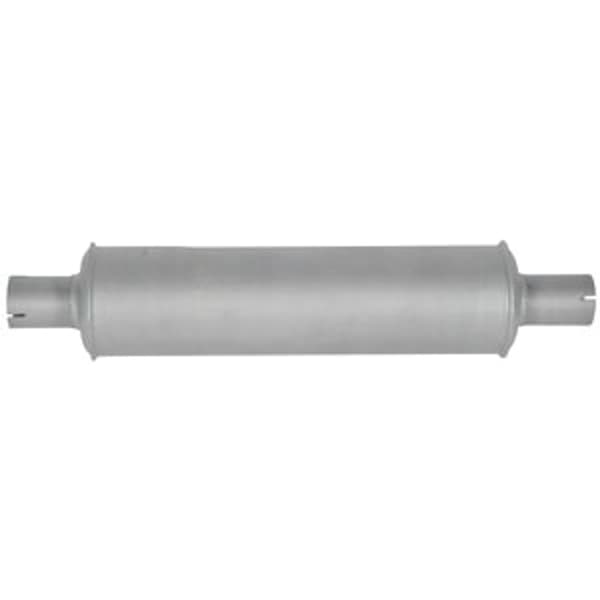
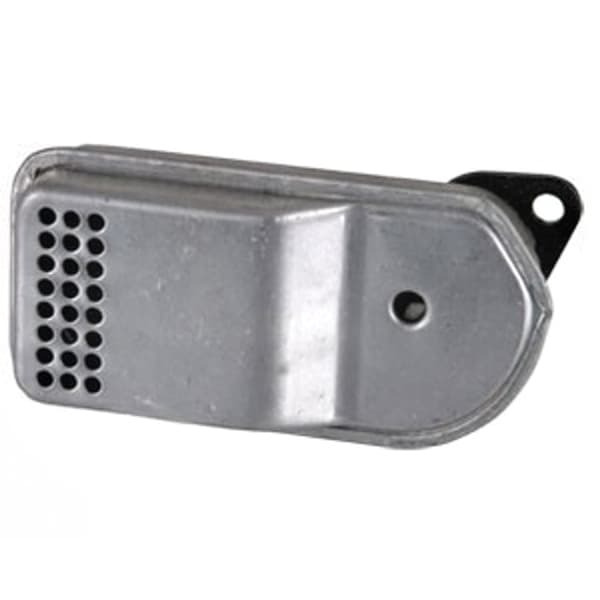
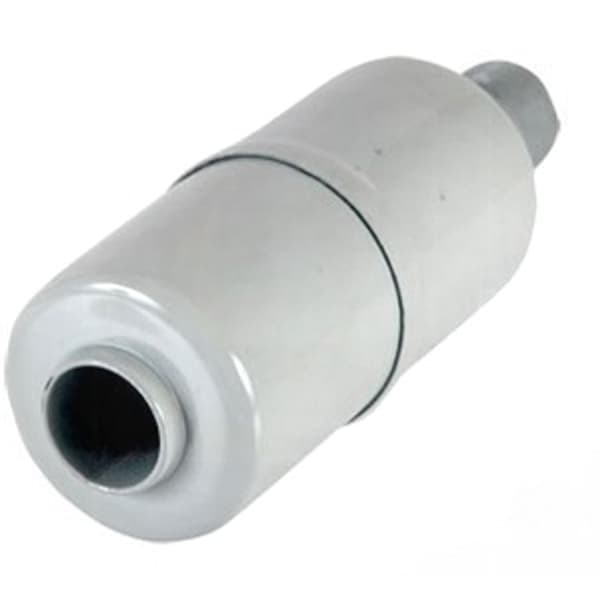
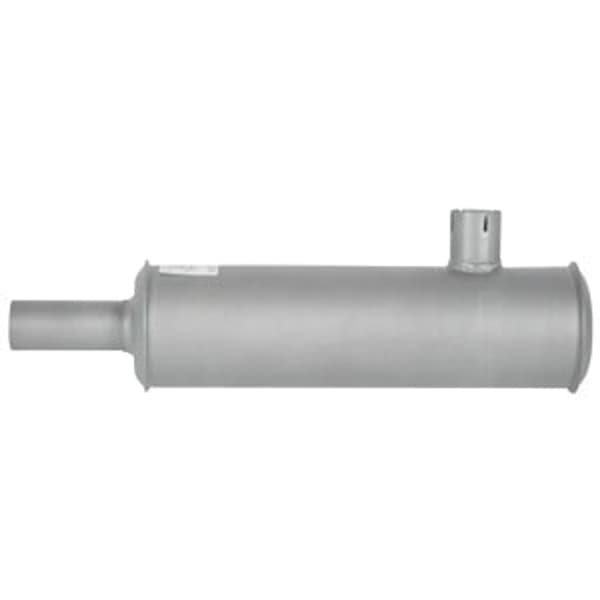
🔍 Looking for a specific part? Try our AI Part Finder — tell it your equipment and what you need, and it will find matching parts instantly.
This guide will cover the function of a small engine muffler, common problems that can occur, how to diagnose a faulty muffler, and how to replace it. We'll cover tips and advice applicable to a wide range of brands including John Deere, Craftsman, Cub Cadet, Husqvarna, Toro, Ariens, Murray, Hustler, Scag, Exmark, Ferris, Snapper, Simplicity, and Dixie Chopper.
As you work on your engine, you may also need to service your fuel system. See our guides on Briggs & Stratton carburetors, Kohler carburetors, and Kawasaki engine carburetors for more information.
Function of a Small Engine Muffler
The muffler performs several key functions:
- Noise Reduction: This is the most obvious function. The muffler reduces the intensity of the exhaust sound waves through a series of internal chambers and baffles.
- Exhaust Gas Routing: The muffler directs exhaust gases away from the engine and, ideally, away from the operator.
- Spark Arresting (in some mufflers): Some mufflers, particularly those used in areas prone to wildfires, include a spark arrestor screen. This screen prevents hot particles of carbon from exiting the exhaust and potentially igniting dry vegetation.
- Backpressure Regulation: While a completely free-flowing exhaust might seem ideal, a small amount of backpressure is actually beneficial for engine performance. The muffler is designed to provide this regulated backpressure.
Common Problems & Symptoms of a Bad Muffler
A faulty muffler can lead to a variety of problems, impacting engine performance and potentially causing safety hazards. Here are some common symptoms to watch for:
- Excessive Noise: A significantly louder exhaust is a primary indicator. This could be due to rust, holes, or cracks in the muffler body.
- Visible Damage: Inspect the muffler for physical damage such as dents, cracks, rust, or holes. These are common issues, especially on older equipment.
- Reduced Engine Performance: A clogged or damaged muffler can restrict exhaust flow, leading to a loss of power, poor fuel economy, and difficulty starting.
- Overheating: Restricted exhaust flow can cause the engine to overheat.
- Unusual Exhaust Smells: A change in the smell of the exhaust could indicate a problem with the muffler or the engine itself.
- Visible Exhaust Leaks: You may see or feel exhaust escaping from areas other than the tailpipe.
- Spark Arrestor Issues: If your muffler has a spark arrestor screen, it can become clogged with carbon deposits, restricting exhaust flow.
Diagnosing Muffler Problems
Diagnosing a muffler problem is usually straightforward. Here's a step-by-step approach:
- Visual Inspection: Carefully examine the muffler for any signs of damage, rust, or leaks. Pay close attention to the seams and welds.
- Sound Test: Start the engine and listen carefully to the exhaust note. A healthy muffler will produce a relatively quiet, even sound. A bad muffler will often be noticeably louder or have an uneven, sputtering sound.
- Exhaust Leak Test: With the engine running, carefully feel around the muffler for any escaping exhaust gases. Use caution, as the muffler will be hot. A piece of cloth or paper can help you detect subtle leaks.
- Spark Arrestor Check: If your muffler has a spark arrestor, remove it and inspect it for clogging. A wire brush can be used to clean carbon deposits.
Small Engine Muffler Replacement Guide
Replacing a small engine muffler is a relatively simple task that most homeowners can do themselves. Here's a general guide. Always consult your engine's service manual for specific instructions and safety precautions.
Tools and Materials Needed:
- New small engine muffler (ensure it's the correct part for your engine model)
- New muffler gasket or muffler inlet gasket (always replace the gasket when replacing the muffler to ensure a proper seal)
- Socket set or wrenches
- Penetrating oil (e.g., WD-40)
- Wire brush
- Gloves
- Safety glasses
- Torque wrench (recommended)
Safety First!
- Allow the engine to cool completely before starting work. A hot muffler can cause serious burns.
- Disconnect the spark plug wire to prevent accidental starting.
- Wear safety glasses to protect your eyes from debris.
- Work in a well-ventilated area.
Step-by-Step Replacement:
- Prepare the Engine: Ensure the engine is cool and the spark plug is disconnected.
- Loosen Fasteners: Apply penetrating oil to the muffler mounting bolts or nuts and let it soak for a few minutes. This will help loosen any corrosion and make removal easier.
- Remove the old muffler: Use a socket or wrench to remove the fasteners holding the muffler in place. Carefully remove the old muffler. Be prepared for some rust and debris to fall out.
- Clean the Mounting Surface: Use a wire brush to clean the mounting surface on the engine. This will ensure a good seal with the new muffler.
- Install the New Muffler: Position the new muffler and install the mounting bolts or nuts. Tighten them by hand initially, then use a torque wrench to tighten them to the manufacturer's specified torque. Overtightening can damage the muffler or engine.
- Reconnect Spark Plug: Reconnect the spark plug wire.
- Test the Engine: Start the engine and listen for any exhaust leaks. If you hear leaks, re-check the muffler mounting bolts and tighten them as needed.
Replacing other engine components? You may need to replace your small engine fuel pump, especially if the engine has been running poorly. Similarly, consider replacing your Briggs & Stratton head gasket if you suspect a leak.
Muffler Maintenance Tips
Proper maintenance can extend the life of your small engine muffler:
- Regular Inspection: Periodically inspect the muffler for signs of damage or corrosion.
- Spark Arrestor Cleaning: Clean the spark arrestor screen regularly, especially if you operate in dusty or dry conditions. A clogged spark arrestor can significantly reduce engine performance.
- Avoid Excessive Moisture: Store your equipment in a dry place to minimize rust and corrosion.
- Address Issues Promptly: If you notice any signs of a problem, address it immediately to prevent further damage.
Muffler Brands & Compatibility
At Madison Tractor Company, we carry a wide variety of small engine mufflers to fit most popular brands and models of outdoor power equipment. When selecting a replacement muffler, it's crucial to choose the correct part for your specific engine. Mufflers are typically engine-specific, and using the wrong muffler can negatively impact engine performance or even damage the engine. We offer mufflers compatible with engines found on equipment from John Deere, Craftsman, Cub Cadet, Husqvarna, Toro, Ariens, Murray, Hustler, Scag, Exmark, Ferris, Snapper, Simplicity, and Dixie Chopper. Be sure to verify your engine's model number to ensure you select the correct replacement part.
Don't forget to check other wear items while you're working on your equipment, like belts, blades, spindles, pulleys, filters, spark plugs, bearings, and shear pins. Keeping all these components in good working order will help to maximize the life and performance of your machine.
Conclusion
A properly functioning small engine muffler is essential for quiet, efficient, and safe operation of your outdoor power equipment. By understanding the muffler's function, recognizing the symptoms of a problem, and following the steps outlined in this guide, you can diagnose and replace a faulty muffler yourself. This will save you time and money while ensuring that your equipment runs smoothly for years to come.
Need a new small engine muffler? Shop Madison Tractor Company for a wide selection of quality replacement parts at competitive prices. We have the parts you need to keep your outdoor power equipment running its best! You can also use our AI-Powered Part Finder to search for parts by your specific make and model.
Part of our comprehensive guide
Small Engine Parts Guide: Carburetors, Fuel Pumps & Gaskets by Engine