








Small Engine Fuel Pump: Pulse & Electric by Engine
Small engine fuel pumps are essential for delivering fuel to the carburetor. This guide explains the differences between pulse and electric fuel pumps, how to diagnose problems, and how to find the right replacement for your equipment.
Introduction to Small Engine Fuel Pumps
The small engine fuel pump is a critical component in your outdoor power equipment, ensuring a consistent supply of fuel to the engine's carburetor. Without a properly functioning fuel pump, your lawn mower, snow blower, or other small engine machine simply won't run. This guide will explain the different types of fuel pumps commonly found on small engines, focusing on pulse (vacuum) and electric fuel pumps, their operation, common issues, and how to diagnose and replace them. We'll cover models found on machines from brands like John Deere, Craftsman, Cub Cadet, Husqvarna, Toro, Ariens, Murray, Hustler, Scag, Exmark, Ferris, Snapper, Simplicity, and Dixie Chopper.
Recommended Parts for This Guide
10 parts we recommend — in stock, ships fast, one-click add to cart.
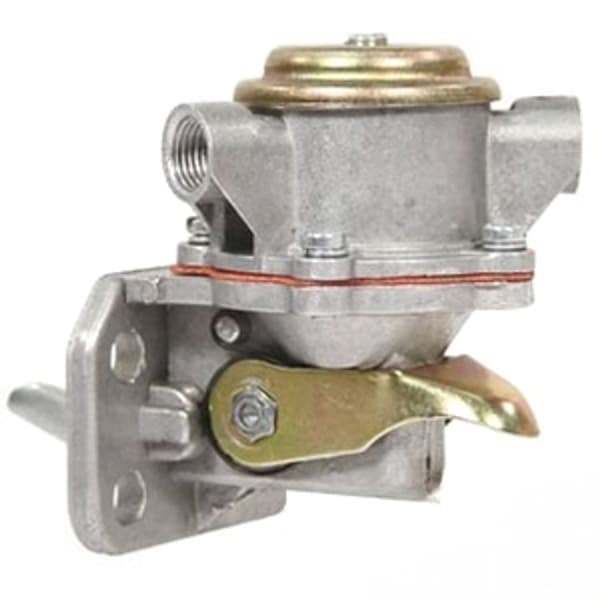
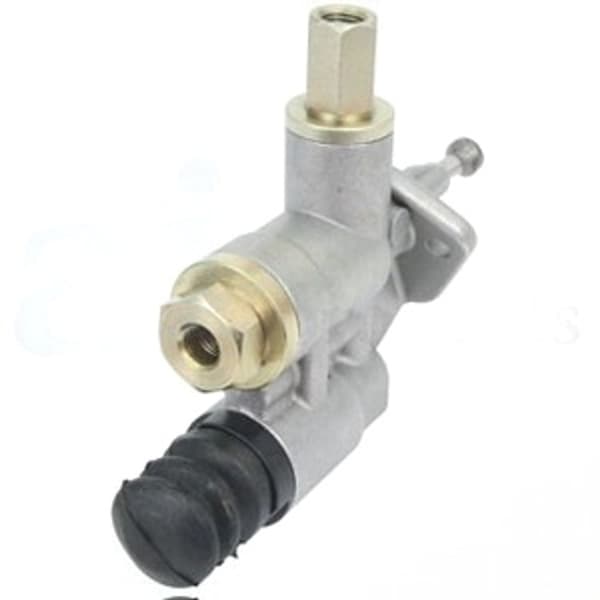
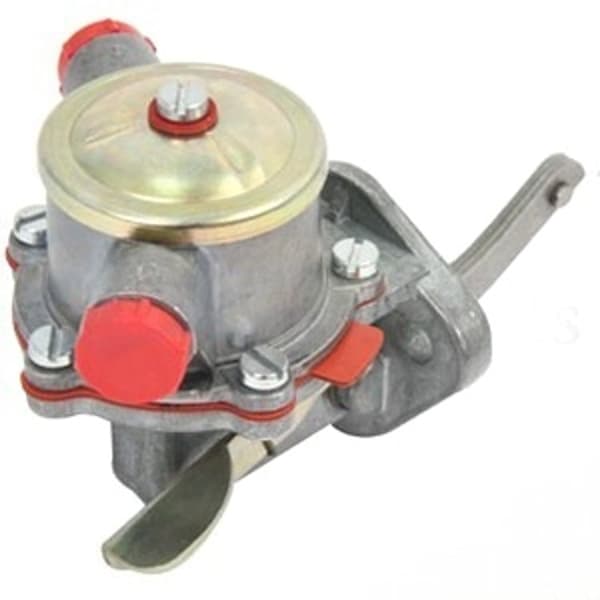
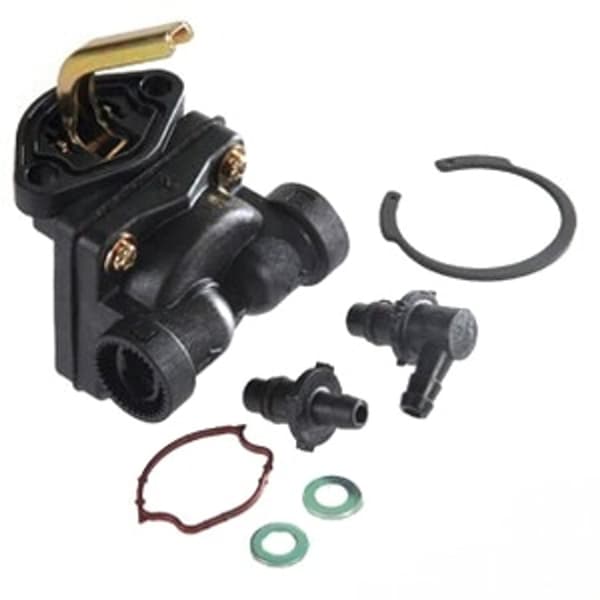
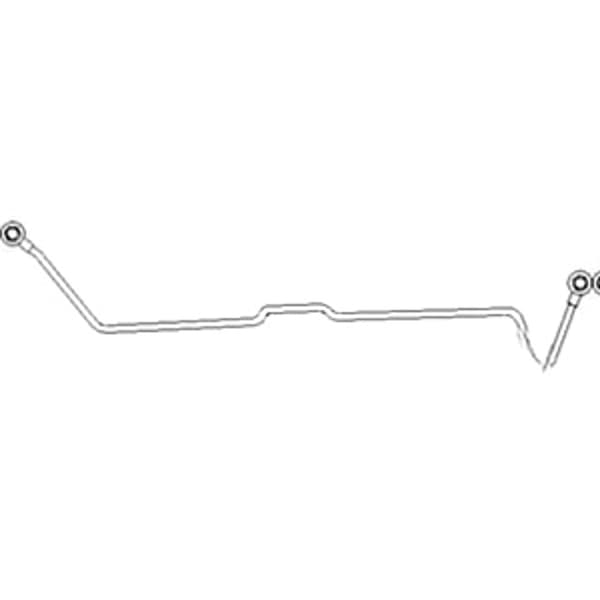
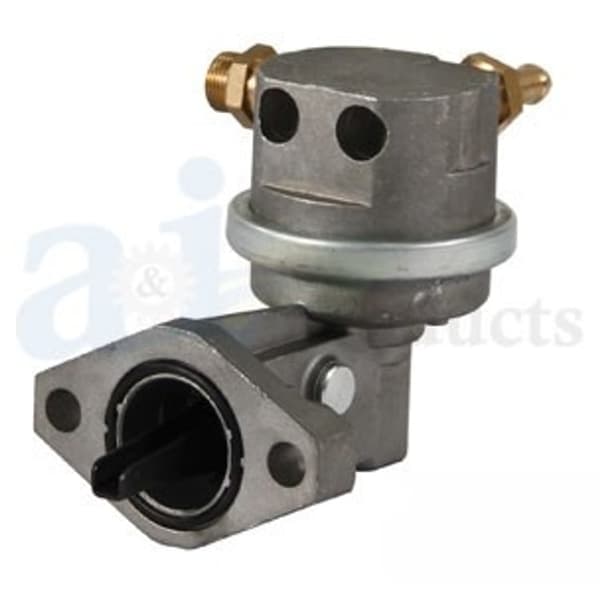
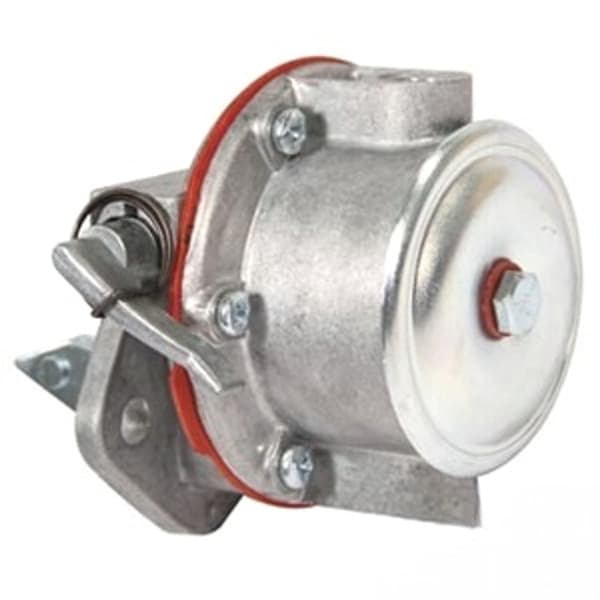
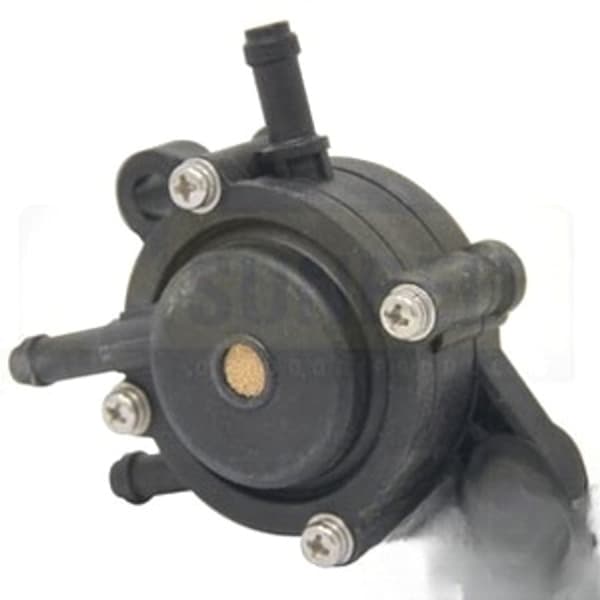
🔍 Looking for a specific part? Try our AI Part Finder — tell it your equipment and what you need, and it will find matching parts instantly.
Understanding Pulse (Vacuum) Fuel Pumps
Pulse fuel pumps, also known as vacuum fuel pumps, are mechanically operated and typically found on engines where the fuel tank is located below the carburetor. They rely on the vacuum created by the engine's crankcase or intake manifold to draw fuel from the tank.
How They Work
A pulse fuel pump consists of a diaphragm, a spring, and inlet and outlet valves. The engine's vacuum pulses act on the diaphragm, causing it to move back and forth. This movement creates suction, drawing fuel into the pump chamber through the inlet valve. When the vacuum pulse subsides, the spring pushes the diaphragm back, forcing the fuel out through the outlet valve and towards the carburetor.
Common Problems
- Cracked or Punctured Diaphragm: This is a common failure point, as the diaphragm is constantly flexing. A cracked diaphragm will prevent the pump from creating sufficient vacuum.
- Clogged Fuel Lines or Filters: Debris in the fuel system can restrict fuel flow, preventing the pump from operating correctly. Regular replacement of fuel filters is essential.
- Worn Valves: The inlet and outlet valves can wear over time, leading to reduced pump efficiency.
- Loose or Cracked Vacuum Line: A leak in the vacuum line will reduce the vacuum signal to the pump, preventing it from functioning.
Diagnosis and Testing
Before replacing the fuel pump, it's crucial to diagnose the problem accurately. Here's how:
- Check Fuel Lines: Ensure fuel lines are not cracked, kinked, or blocked.
- Inspect the Fuel Filter: A clogged fuel filter can restrict fuel flow. Replace if necessary.
- Check the Vacuum Line: Look for cracks or leaks in the vacuum line connecting the engine to the pump.
- Test the Pump Output: Disconnect the fuel line from the carburetor and place it into a container. Crank the engine. You should see a steady stream of fuel. If not, the pump is likely faulty.
- Perform a Vacuum Test: Disconnect the vacuum line from the pump and connect a vacuum gauge. Crank the engine. The gauge should show a fluctuating vacuum reading. If there's no vacuum, the problem lies within the engine.
Understanding Electric Fuel Pumps
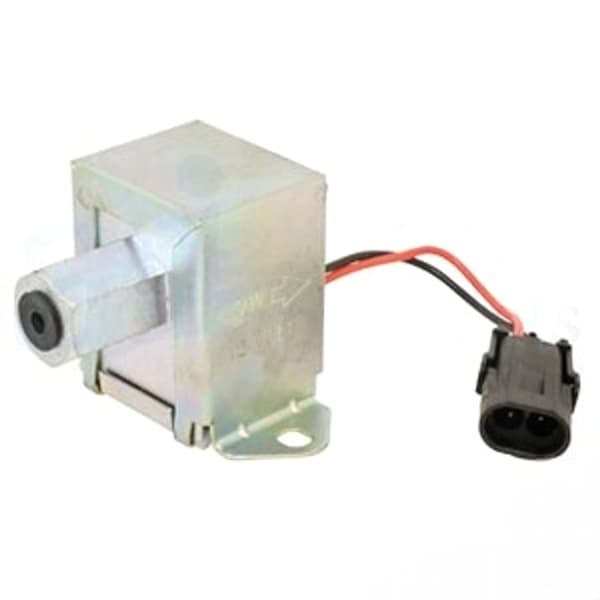
Electric fuel pumps are becoming increasingly common, especially on larger engines and zero-turn mowers. They provide a more consistent fuel supply compared to pulse pumps, and are essential when the fuel tank is significantly lower than the carburetor. These are often found on machines like Hustler, Scag, Exmark, and Dixie Chopper.
How They Work
An electric fuel pump uses an electric motor to drive a pump mechanism, which draws fuel from the tank and delivers it to the carburetor. They are usually mounted near the fuel tank.
Common Problems
- Electrical Issues: This is the most common cause of failure. Check the wiring, fuse, and relay associated with the pump.
- Pump Failure: The electric motor can wear out over time, leading to pump failure.
- Clogged Fuel Filter/Lines: Just like with pulse pumps, restrictions in the fuel system can prevent the pump from operating correctly.
- Voltage Issues: Low voltage to the pump can reduce its performance.
Diagnosis and Testing
- Check for Power: Use a multimeter to check for voltage at the pump's electrical connector when the engine is cranking or the ignition is on. If there's no voltage, trace the wiring back to the power source, checking the fuse and relay along the way.
- Listen for Pump Operation: Turn the ignition on (without starting the engine). You should hear a buzzing or clicking sound from the pump as it primes the fuel system. If you don't hear anything, the pump may be faulty.
- Check Fuel Flow: Disconnect the fuel line from the carburetor and place it into a container. Turn the ignition on. The pump should deliver a steady stream of fuel. If not, the pump is likely faulty or there's a blockage in the fuel line.
- Inspect the Ground Connection: Ensure the pump has a good ground connection to the chassis. A poor ground can cause intermittent or complete pump failure.
Replacing a Small Engine Fuel Pump
Once you've diagnosed a faulty fuel pump, replacement is usually straightforward. Here's a general guide:
- Safety First: Disconnect the spark plug wire to prevent accidental starting. Work in a well-ventilated area. Have a fire extinguisher nearby.
- Drain the Fuel Tank (if necessary): If the fuel tank is located above the fuel pump, you'll need to drain it to prevent fuel from spilling when you disconnect the fuel lines.
- Disconnect Fuel Lines: Carefully disconnect the fuel lines from the pump, noting their original positions. Use fuel line clamps if necessary to prevent fuel from leaking.
- Disconnect Vacuum Line (for pulse pumps): Disconnect the vacuum line from the pump.
- Disconnect Electrical Connector (for electric pumps): Disconnect the electrical connector from the pump.
- Remove the Old Pump: Remove the mounting screws or bolts securing the pump to the engine or chassis.
- Install the New Pump: Install the new pump in the reverse order of removal. Ensure all connections are secure and leak-free. Use new fuel lines if the old ones are cracked or brittle.
- Reconnect the Spark Plug Wire: Reconnect the spark plug wire.
- Test the Engine: Start the engine and check for leaks. Let the engine run for a few minutes to ensure the fuel system is operating correctly.
Safety Warning: Gasoline is highly flammable. Take precautions to prevent spills and avoid open flames or sparks when working with fuel. Always wear safety glasses and gloves.
Choosing the Right Replacement Fuel Pump
When selecting a replacement fuel pump, it's crucial to choose the correct one for your engine. Always refer to your engine's model number and serial number to ensure compatibility. You can often find these numbers stamped on the engine block or on a sticker attached to the engine. Many Briggs & Stratton, Kohler, and Kawasaki engines use specific carburetors which dictate the type of fuel pump needed.
Madison Tractor Company offers a wide selection of fuel pumps for various small engines, including Briggs & Stratton, Kohler, Kawasaki, and more. We also carry related parts such as fuel lines, fuel filters, carburetors, and carburetor rebuild kits. For specific models, you might also want to review our resources for Briggs & Stratton carburetor rebuild kits, or carburetor guides for Kohler and Kawasaki engines. Keep in mind related repairs might also involve replacing a head gasket or needing to service the carburetor.
Maintaining Your Fuel System
Preventive maintenance is key to avoiding fuel pump problems. Here are some tips:
- Use Fresh Fuel: Old fuel can clog fuel lines and carburetors. Use fuel stabilizer when storing your equipment for extended periods.
- Replace Fuel Filter Regularly: A clogged fuel filter can strain the fuel pump and reduce its lifespan.
- Inspect Fuel Lines: Check fuel lines for cracks or leaks and replace them as needed.
- Clean the Fuel Tank: Periodically clean the fuel tank to remove sediment and debris.
Shop small engine parts at Madison Tractor Company
At Madison Tractor Company, we understand the importance of keeping your outdoor power equipment running smoothly. That's why we offer a wide selection of high-quality small engine parts, including fuel pumps, carburetors, filters, belts, blades, spindles, pulleys, bearings, shear pins, and more. Whether you own a John Deere, Craftsman, Cub Cadet, Husqvarna, Toro, Ariens, Murray, Hustler, Scag, Exmark, Ferris, Snapper, Simplicity, or Dixie Chopper, we have the parts you need to keep your machine in top condition.
Browse our online catalog or contact our knowledgeable customer service team for assistance in finding the right parts for your specific needs. We are committed to providing exceptional service and fast shipping, so you can get back to work quickly. Shop engine and fuel system parts at Madison Tractor today! You can also use our AI-Powered Part Finder to search for parts by your specific make and model.
Part of our comprehensive guide
Small Engine Parts Guide: Carburetors, Fuel Pumps & Gaskets by Engine