








Briggs & Stratton Fuel Pump: Pulse Pump by Model
Briggs & Stratton engines often rely on pulse-type fuel pumps. This guide explains how these pumps work, common problems, and how to find the correct replacement for your model, ensuring your equipment runs smoothly.
If you're experiencing fuel delivery problems with your lawn mower, snow blower, or other outdoor power equipment, a faulty briggs fuel pump might be the culprit. Many Briggs & Stratton engines use a pulse-type fuel pump, a simple but crucial component for drawing fuel from the tank to the carburetor.
Recommended Parts for This Guide
1 part we recommend — in stock, ships fast, one-click add to cart.
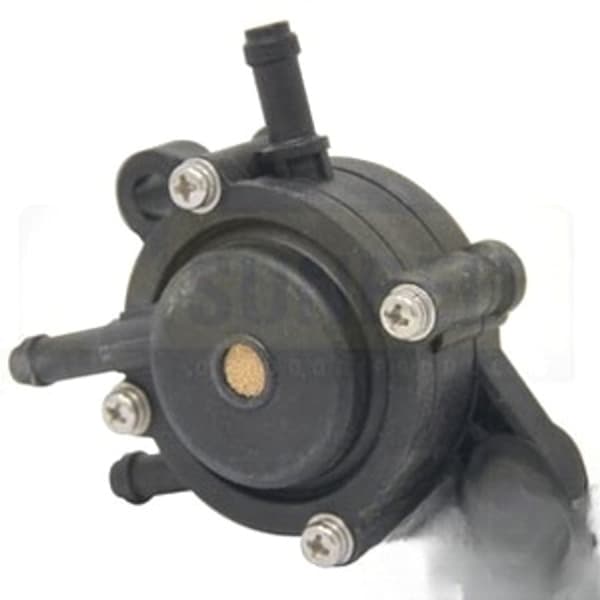
🔍 Looking for a specific part? Try our AI Part Finder — tell it your equipment and what you need, and it will find matching parts instantly.
This guide will walk you through understanding Briggs & Stratton pulse fuel pumps, common issues, troubleshooting tips, and how to find the right replacement. Understanding how these pumps work can save you time and money on repairs.
Understanding Briggs & Stratton Pulse Fuel Pumps
Unlike electric fuel pumps, pulse fuel pumps rely on the engine's vacuum and pressure fluctuations to operate. They are typically mounted directly to the engine block. Here's how they work:
- Pulsation: As the engine runs, the movement of the piston creates alternating pressure and vacuum (pulse) in the crankcase.
- Diaphragm Action: This pulsation is channeled to the fuel pump, which has a flexible diaphragm inside.
- Pumping Action: The fluctuating pressure causes the diaphragm to move back and forth. This movement creates a pumping action, drawing fuel from the fuel tank and pushing it towards the Briggs & Stratton carburetor.
- Check Valves: One-way check valves within the pump ensure fuel flows in the correct direction, preventing backflow.
Because of the reliance on engine pulses, problems within the engine itself can affect the fuel pump's performance. For example, a worn piston ring leading to a loss of compression can weaken the pulse signal.
Common Problems with Briggs & Stratton fuel pumps
Several factors can contribute to fuel pump failure. Here are some of the most common:
- Diaphragm Deterioration: The diaphragm is made of rubber or a synthetic material that can become brittle, cracked, or punctured over time, especially when exposed to ethanol-blended fuels.
- Clogged Fuel Filter: A clogged fuel filter restricts fuel flow to the pump, causing it to work harder and potentially fail. Always use a high-quality fuel filter to keep your fuel system clean. You can find replacement fuel filters at Madison Tractor Co.
- Leaking fuel lines: Air leaks in the fuel lines reduce the pump's ability to draw fuel. Inspect fuel lines for cracks or damage and replace them as needed.
- Check Valve Failure: The check valves can become stuck or damaged, preventing the pump from creating suction or allowing fuel to flow backward.
- Weak Engine Pulse: As mentioned before, problems within the engine (worn piston rings, leaking Briggs & Stratton head gasket) can weaken the crankcase pulse, resulting in reduced pump output.
Diagnosing Briggs & Stratton Fuel Pump Issues
Before replacing the fuel pump, it's important to rule out other potential causes of fuel delivery problems. Here's a troubleshooting process:
- Check the Fuel Tank: Ensure there's fuel in the tank and that the fuel cap vent is not blocked. A blocked vent creates a vacuum, preventing fuel flow.
- Inspect Fuel Lines: Look for cracks, kinks, or leaks in the fuel lines. Replace any damaged lines.
- Check the Fuel Filter: If the fuel filter is clogged, replace it.
- Test the Fuel Pump: Disconnect the fuel line from the carburetor and direct it into a container. Crank the engine. If the pump is working, it should pump fuel in pulses. If no fuel is being pumped, the pump is likely faulty.
- Check Engine Compression: A weak engine pulse can mimic a fuel pump failure. Use a compression tester to check the engine's compression. Low compression indicates internal engine problems.
Safety Warning: When working with fuel, always work in a well-ventilated area away from open flames or sparks. Disconnect the spark plug wire before working on the fuel system to prevent accidental starting.
Finding the Right Briggs & Stratton Fuel Pump Replacement
Replacing a briggs fuel pump is a straightforward process, but it's crucial to get the correct replacement part. The best way to ensure you get the right fuel pump is to identify your engine's model number. This number is usually stamped on the engine block.
Once you have the engine model number, you can use our parts lookup tool at Madison Tractor Co. to find the correct fuel pump for your engine. We carry a wide selection of Briggs & Stratton fuel pumps, including OEM (Original Equipment Manufacturer) parts and high-quality aftermarket options. We also carry fuel pumps for Kohler engines. You can learn more about them in our Kohler Fuel Pump guide.
We carry parts for various brands, including John Deere, Craftsman, Cub Cadet, Husqvarna, Toro, Ariens, Murray, Hustler, Scag, Exmark, Ferris, Snapper, Simplicity, and Dixie Chopper. We have the small engine fuel pump to fit your equipment.
Important Considerations:
- OEM vs. Aftermarket: OEM parts are made by Briggs & Stratton and are guaranteed to fit and perform correctly. Aftermarket parts can be a more affordable option, but it's important to choose a reputable brand to ensure quality.
- Fuel Line Compatibility: Some fuel pumps require specific fuel line sizes. Make sure the replacement pump is compatible with your existing fuel lines or purchase new fuel lines if necessary.
- Carburetor Compatibility: If you're also replacing the Briggs & Stratton carburetor, ensure the new carburetor is compatible with the fuel pump you choose.
Replacing a Briggs & Stratton Fuel Pump: Step-by-Step
Here's a general guide to replacing a Briggs & Stratton pulse fuel pump. Always consult your engine's service manual for specific instructions.
- Safety First: Disconnect the spark plug wire. Allow the engine to cool down completely.
- Drain the Fuel Tank (Optional): To minimize fuel spillage, you can drain the fuel tank before starting.
- Locate the Fuel Pump: The fuel pump is typically mounted on the engine block, often near the carburetor.
- Disconnect Fuel Lines: Carefully disconnect the fuel lines from the pump. Use pliers to loosen any hose clamps. Have a rag ready to catch any spilled fuel.
- Remove the Old Pump: Remove the screws or bolts holding the pump to the engine block.
- Install the New Pump: Position the new pump on the engine block and secure it with the screws or bolts.
- Connect Fuel Lines: Connect the fuel lines to the new pump, ensuring they are securely attached.
- Reconnect Spark Plug Wire: Reconnect the spark plug wire.
- Test the Engine: Start the engine and check for fuel leaks. If the engine starts and runs smoothly, the fuel pump replacement was successful.
Tip: Consider replacing your fuel filter and fuel lines when replacing the fuel pump to ensure a clean and reliable fuel system. You might also need a small engine carburetor kit if the carburetor is gummed up due to the fuel issues.
Maintenance Tips for Briggs & Stratton Fuel Pumps
Proper maintenance can extend the life of your fuel pump and prevent fuel delivery problems:
- Use Fresh Fuel: Avoid using old or stale fuel. Ethanol-blended fuels can degrade over time, causing problems with the fuel system.
- Add Fuel Stabilizer: If you're storing your equipment for an extended period, add a fuel stabilizer to prevent fuel degradation.
- Replace Fuel Filter Regularly: Replace the fuel filter at least once a year or more often if you use your equipment frequently.
- Inspect Fuel Lines: Regularly inspect fuel lines for cracks or damage.
Beyond the fuel system, regular maintenance on your mower, snow blower, or other equipment is crucial. Don't forget to check your belts, blades, spindles, pulleys, filters, spark plugs, bearings, and shear pins regularly and replace them when necessary.
Shop for Briggs & Stratton Fuel Pumps at Madison Tractor
At Madison Tractor Co., we're committed to providing you with the highest quality parts and expert advice for your outdoor power equipment. We carry a wide selection of briggs fuel pump replacements, as well as other engine and fuel system components. Browse our extensive catalog and find the perfect parts to keep your equipment running smoothly. Visit our Briggs & Stratton Engine Parts section today! You can also use our AI-Powered Part Finder to search for parts by your specific make and model.
Part of our comprehensive guide
Small Engine Parts Guide: Carburetors, Fuel Pumps & Gaskets by Engine