








Small Engine Carburetor Rebuild Kit: Gaskets & Needles
Is your small engine sputtering or refusing to start? A small engine carburetor rebuild kit is often the answer. This guide explains the key components and how to use them to restore peak performance to your lawnmower, snowblower, or other outdoor power equipment.
Introduction to Small Engine Carburetor Kits
If your lawnmower, snowblower, or other small engine is running rough, exhibiting black smoke, or refusing to start altogether, the carburetor is a prime suspect. Over time, fuel residue can clog the carburetor's tiny passages, and rubber components can degrade. A Small Engine Carburetor Kit provides the essential parts you need to restore your carburetor to like-new condition. This article will guide you through understanding the components of a typical kit and how they contribute to a healthy engine. We carry a wide selection of Tecumseh carburetor repair kits and carburetor parts for brands like John Deere, Craftsman, Cub Cadet, Husqvarna, Toro, Ariens, Murray, Hustler, Scag, Exmark, Ferris, Snapper, Simplicity, and Dixie Chopper.
Recommended Parts for This Guide
6 parts we recommend — in stock, ships fast, one-click add to cart.
🔍 Looking for a specific part? Try our AI Part Finder — tell it your equipment and what you need, and it will find matching parts instantly.
Understanding the Components of a Carburetor Rebuild Kit
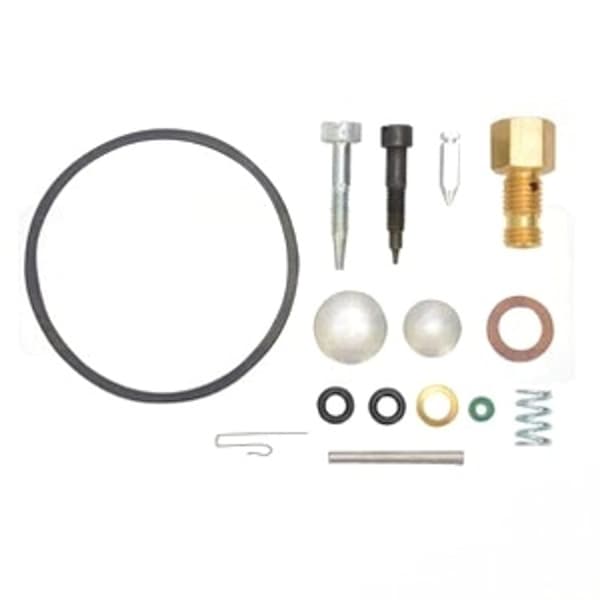
While the exact contents can vary depending on the engine model, most carburetor Rebuild kits include the following:
- Gaskets: These are crucial for sealing the various parts of the carburetor and preventing air leaks, which can lead to poor performance. Look for gaskets made of high-quality materials that can withstand fuel and temperature fluctuations. It's also wise to review our guide on Briggs & Stratton head gaskets to ensure your engine is sealed at every point.
- Needles and Seats: The needle and seat control the flow of fuel into the carburetor's float bowl. A worn or damaged needle and seat can cause flooding, fuel starvation, or inconsistent engine performance.
- Float Bowl Gasket: This gasket seals the float bowl to the carburetor body. A leaking float bowl gasket can cause fuel leaks and air leaks.
- O-Rings: Small rubber rings used to seal various connections within the carburetor.
- Welch Plugs: These plugs seal small passages within the carburetor. Replacing them is often necessary during a rebuild.
- Idle Mixture Screw: Fine-tune the air/fuel mixture at idle for smooth running.
- Main Jet: Meter fuel at higher engine speeds.
Why Rebuild Instead of Replace?
You might wonder why rebuild your carburetor when you could simply replace it. Here are a few key advantages to rebuilding:
- Cost Savings: Rebuild kits are typically significantly less expensive than complete carburetor replacements.
- Original Equipment Quality: Rebuilding allows you to retain the original carburetor, which may be of higher quality than some aftermarket replacements.
- Environmental Friendliness: Rebuilding reduces waste by reusing existing parts.
However, if the carburetor body itself is cracked or severely damaged, or if internal passages are irreparably clogged, replacement may be the more practical option. Explore our selection of Briggs & Stratton carburetors and Kohler carburetors if replacement is needed.
Tools and Materials You'll Need
Before you begin, gather the following tools and materials:
- Small Engine Carburetor Kit: Ensure it's the correct kit for your specific engine model.
- Screwdrivers: Both flathead and Phillips head screwdrivers in various sizes.
- Pliers: For removing and installing small parts.
- Carburetor Cleaner: Aerosol spray for cleaning carburetor components.
- Parts Cleaner: A solvent-based cleaner for soaking parts.
- Soft Brush: For scrubbing away stubborn deposits.
- Compressed Air: For blowing out passages.
- Clean Rags: For wiping surfaces.
- Safety Glasses: Essential for eye protection.
- Gloves: To protect your hands from solvents and fuel.
- Camera or Smartphone: To take pictures of the carburetor before disassembly for reassembly reference.
- Work Space: A clean, well-lit area.
Step-by-Step Carburetor Rebuild Process
Safety First: Disconnect the spark plug wire before starting any work on the fuel system to prevent accidental starting. Work in a well-ventilated area, and avoid open flames.
- Remove the Carburetor: Carefully disconnect the fuel line, throttle linkage, and choke linkage from the carburetor. Remove the bolts or nuts securing the carburetor to the engine.
- Disassemble the Carburetor: Place the carburetor on your clean workspace. Take photos before and during disassembly. Carefully remove the float bowl, float, needle, and other components. Keep track of the order of disassembly.
- Clean the Carburetor: Spray all carburetor components with carburetor cleaner. Use a soft brush to scrub away any deposits. Soak the metal parts in parts cleaner to remove stubborn grime.
- Inspect the Components: Check the gaskets for cracks or tears. Inspect the needle and seat for wear or damage. Ensure the float is not cracked or leaking.
- Install the New Parts: Replace all gaskets, O-rings, the needle and seat, and any other parts included in your kit. Lubricate the new parts with a small amount of clean engine oil or fuel.
- Reassemble the Carburetor: Carefully reassemble the carburetor, following the reverse order of disassembly. Refer to your photos for reference.
- Reinstall the Carburetor: Attach the carburetor to the engine, reconnect the fuel line, throttle linkage, and choke linkage.
- Adjust the Carburetor: Start the engine and adjust the idle mixture screw to achieve a smooth idle. Refer to your engine's service manual for specific adjustment instructions.
Many small engines use a small engine fuel pump to deliver fuel to the carburetor. Be sure to inspect the fuel pump and fuel lines for cracks or leaks, and replace them if necessary.
Troubleshooting Common Issues After Rebuild
Even with a meticulous rebuild, you might encounter a few issues:
- Engine Still Won't Start: Check for spark, fuel delivery, and compression. Ensure the spark plug is clean and properly gapped, and consider replacing it. You can find spark plugs for various small engines on our site.
- Rough Idle: Adjust the idle mixture screw. Check for air leaks around the carburetor base or intake manifold.
- Flooding: The float may be sticking or the needle and seat may not be sealing properly.
- Surging: This may indicate a lean fuel mixture. Check for air leaks and ensure the fuel filter is clean. Don't forget other maintenance items like belts, blades, and filters.
Maintenance Tips for a Healthy Carburetor
To prevent future carburetor problems, follow these maintenance tips:
- Use Fresh Fuel: Old fuel can gum up the carburetor. Use fuel stabilizer when storing equipment for extended periods.
- Clean the Air Filter Regularly: A dirty air filter can restrict airflow and cause the engine to run rich.
- Inspect the Fuel Filter: A clogged fuel filter can restrict fuel flow to the carburetor.
- Run the Engine Periodically: If you're not using your equipment for a while, run the engine for a few minutes every few weeks to keep the carburetor clean.
Conclusion
Rebuilding your small engine's carburetor is a rewarding project that can save you money and extend the life of your equipment. By understanding the components of a carburetor rebuild kit and following the steps outlined in this guide, you can restore your engine to peak performance. Remember to consult your engine's service manual for specific instructions and safety precautions.
Shop small engine parts at Madison Tractor
Madison Tractor Company is your trusted source for high-quality small engine parts. From Walbro carburetor repair kits and Zama carburetor kits to filters, belts, blades, spindles, pulleys, bearings, and shear pins, we have everything you need to keep your outdoor power equipment running smoothly. Browse our extensive selection and order your parts today! You can also use our AI-Powered Part Finder to search for parts by your specific make and model.
Part of our comprehensive guide
Small Engine Parts Guide: Carburetors, Fuel Pumps & Gaskets by Engine