








Riding Mower Gas Cap: Vented Fuel Cap Replacement
The gas cap on your riding mower is more important than you might think. This guide covers vented vs. non-vented caps, diagnosing problems, and finding the right replacement for your John Deere, Craftsman, or other mower.
Introduction to Riding Mower Gas Caps
The unassuming riding mower gas cap plays a vital role in your machine's operation. It's responsible for sealing the fuel tank, preventing leaks, and, crucially, regulating air pressure inside the tank. A properly functioning gas cap ensures a consistent fuel supply to the engine. Many riding mowers, especially older models and those with gravity-fed fuel systems, use a vented gas cap. Understanding the function and maintenance of your riding mower gas cap is key to keeping your lawn tractor running smoothly. This article will explain how to identify gas cap issues and select the correct replacement, whether you own a John Deere, Craftsman, Cub Cadet, Husqvarna, Toro, or another brand.
Recommended Parts for This Guide
9 parts we recommend — in stock, ships fast, one-click add to cart.
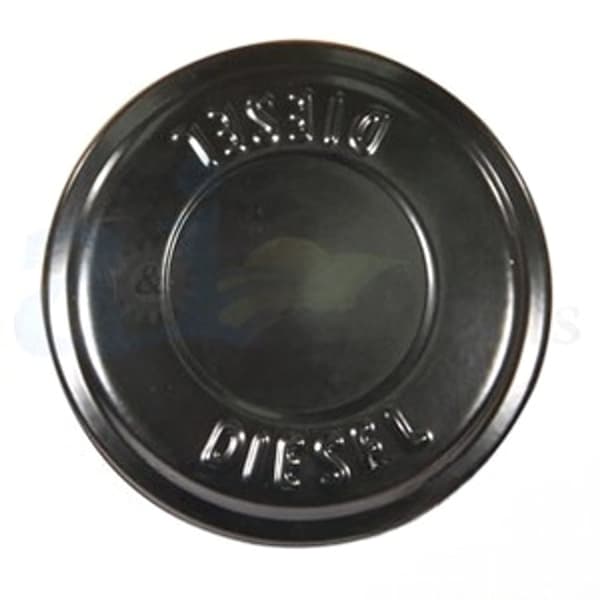
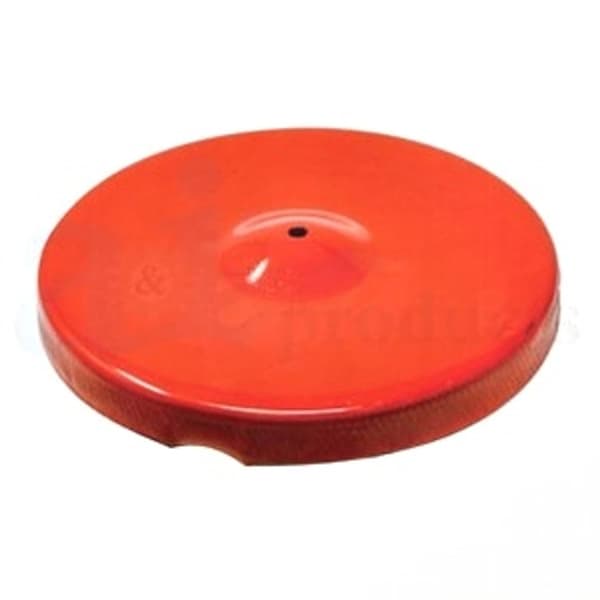
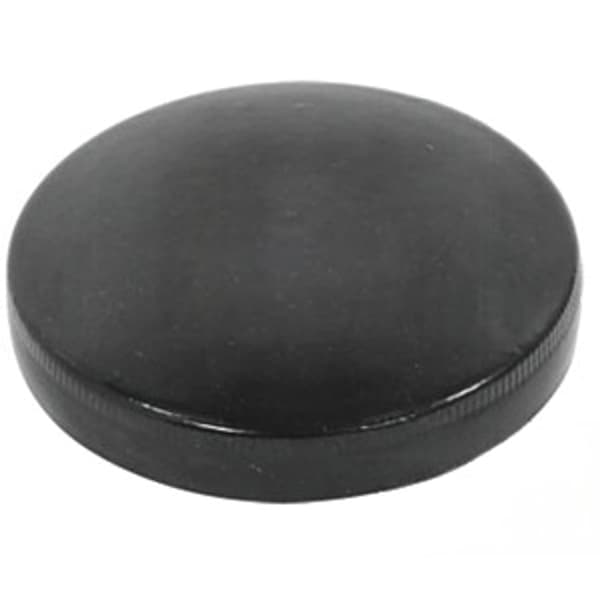
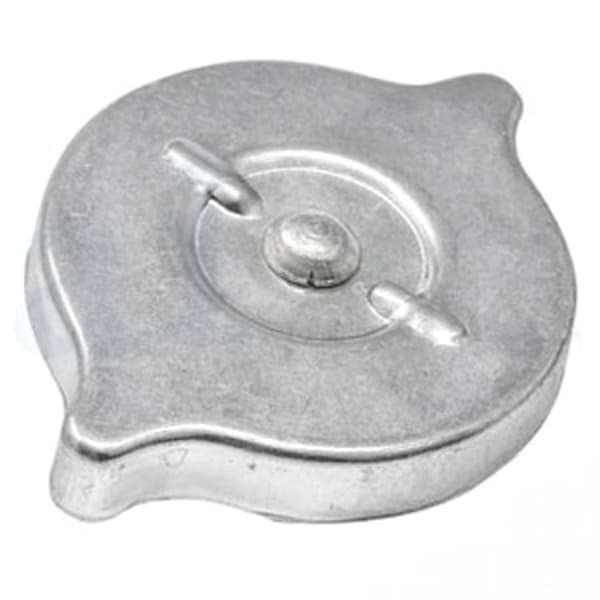
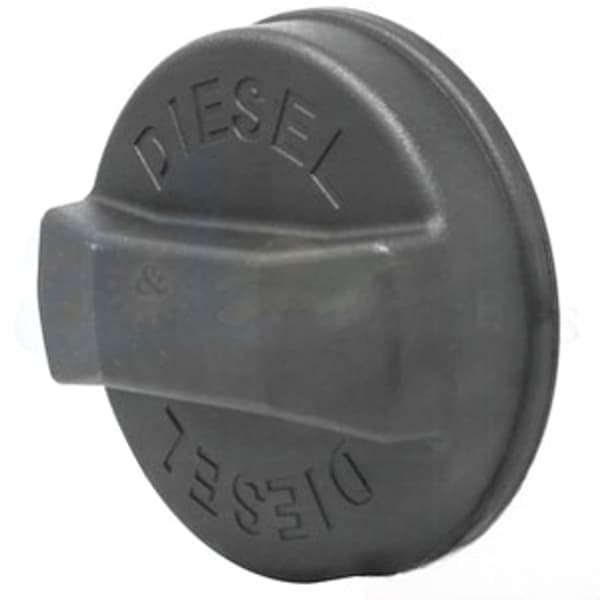
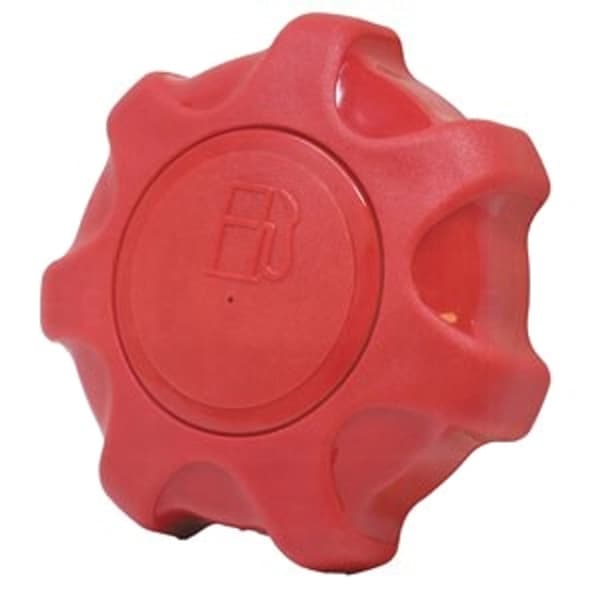
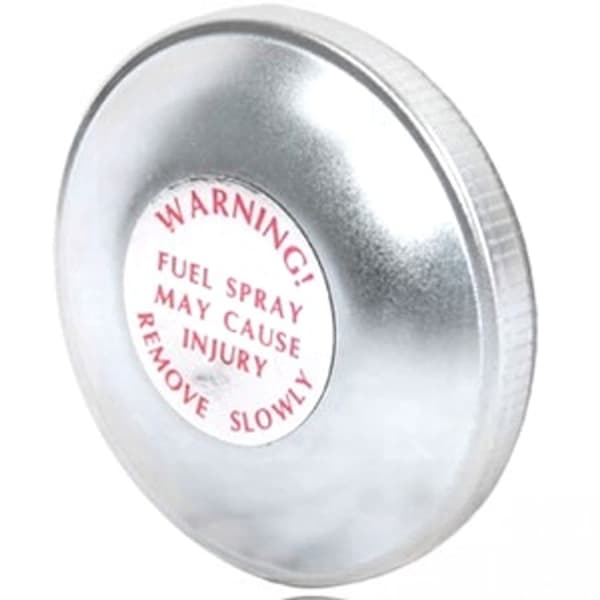
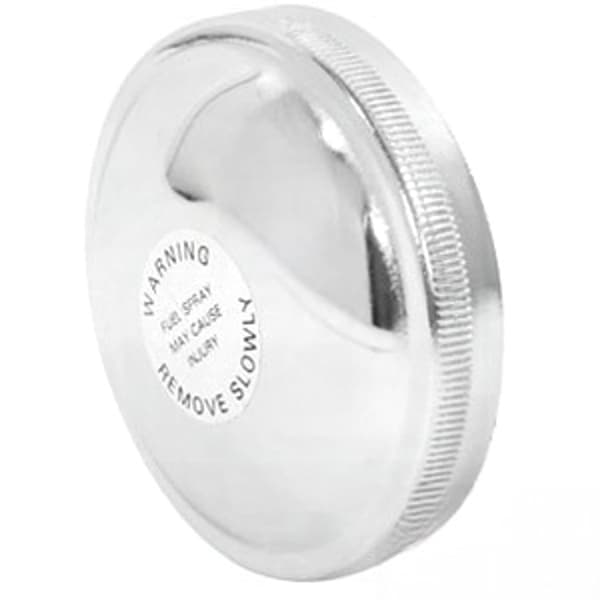
🔍 Looking for a specific part? Try our AI Part Finder — tell it your equipment and what you need, and it will find matching parts instantly.
Vented vs. Non-Vented Gas Caps: Understanding the Difference
Distinguishing between vented and non-vented gas caps is crucial for proper fuel system operation:
- Vented Gas Caps: These caps allow air to enter the fuel tank as the fuel level decreases. This prevents a vacuum from forming, which would impede fuel flow to the carburetor. Vented caps typically have a small hole or valve that allows air to pass through.
- Non-Vented Gas Caps: These caps create a sealed environment within the fuel tank. Mowers with a fuel pump usually use non-vented caps, as the fuel pump handles the task of drawing fuel from the tank, overcoming any vacuum. Many newer mowers and zero turns use small engine fuel pumps.
Using the wrong type of gas cap can lead to serious problems. A non-vented cap on a system requiring a vented cap will cause the engine to starve for fuel. Conversely, a vented cap on a system designed for a non-vented cap can result in fuel leaks and potential fire hazards. Consult your owner's manual to confirm the correct type for your mower.
Common Problems with Riding Mower Gas Caps
Several issues can arise with riding mower gas caps, impacting engine performance:
- Cracked or Damaged Cap: Physical damage can compromise the cap's ability to seal the tank properly. Inspect the cap for cracks, breaks, or a worn-out gasket.
- Clogged Vent: In vented caps, the vent can become clogged with dirt, debris, or fuel residue. This prevents proper venting, leading to fuel starvation.
- Loose Fit: A loose-fitting cap won't seal the tank, resulting in fuel leaks and potential vapor lock.
- Worn Gasket: The gasket provides a seal between the cap and the tank. Over time, it can dry out, crack, or deteriorate, leading to leaks.
Addressing these issues promptly is essential to maintaining your mower's efficiency and safety. Ignoring a faulty gas cap can lead to poor engine performance, fuel wastage, and potentially dangerous situations.
Symptoms of a Faulty Gas Cap
Recognizing the symptoms of a bad gas cap can help you diagnose the problem early:
- Engine Stalling: Especially after running for a while, this is often a sign of fuel starvation due to a vacuum in the tank.
- Difficulty Starting: A faulty cap can disrupt the fuel system's pressure, making it hard to start the engine.
- Fuel Leaks: Obvious signs of fuel leaking around the gas cap indicate a problem with the seal or the cap itself.
- Rough Idling: An inconsistent fuel supply caused by a bad cap can lead to rough idling.
- Gas Smell: A persistent gasoline odor, especially near the fuel tank, suggests a leak.
If you notice any of these symptoms, inspect your gas cap thoroughly. It may be time for a replacement gas cap.
How to Choose the Right replacement gas cap
Selecting the correct replacement gas cap is crucial for ensuring proper functionality and safety. Here's how to choose the right one:
- Identify Your Mower's Make and Model: This is the most important step. The gas cap must be compatible with your specific mower model (e.g., John Deere D105, Craftsman LT2000, Cub Cadet XT1 Enduro).
- Determine Vented vs. Non-Vented: Refer to your owner's manual or check the original cap. A vented cap will usually have a small hole or valve. If your mower has a fuel pump, it likely requires a non-vented cap.
- Check the Cap's Dimensions: Measure the diameter and thread type of your old cap to ensure the replacement fits correctly.
- Consult Parts Diagrams: Online parts diagrams for your mower model can help you identify the correct part number and specifications.
- Consider Aftermarket Options: High-quality aftermarket gas caps can be a cost-effective alternative to OEM (Original Equipment Manufacturer) parts.
Madison Tractor Company carries a wide selection of gas caps for various brands, including John Deere, Craftsman, Cub Cadet, Husqvarna, Toro, Ariens, Murray, Hustler, Scag, Exmark, Ferris, Snapper, Simplicity, and Dixie Chopper. Ensure you select the correct cap for your specific machine. Also, when working on your fuel system, it's a good time to inspect other engine and fuel system parts, such as fuel lines and filters.
Replacing Your Riding Mower Gas Cap: A Step-by-Step Guide
Replacing a riding mower gas cap is a straightforward task that most homeowners can perform:
- Safety First: Ensure the engine is cool and turned off. Work in a well-ventilated area away from open flames or sparks.
- Remove the Old Cap: Simply unscrew the old gas cap. If it's stuck, try using a pair of pliers, but be careful not to damage the fuel tank opening.
- Clean the Fuel Tank Opening: Use a clean rag to wipe any dirt or debris from the fuel tank opening. This ensures a good seal with the new cap.
- Install the New Cap: Screw the new gas cap onto the fuel tank opening. Tighten it securely, but don't overtighten it, as this can damage the cap or the tank.
- Test the Seal: After installing the new cap, check for any fuel leaks around the cap. If you detect any leaks, re-tighten the cap or inspect the gasket for proper seating.
Safety Warning: Gasoline is highly flammable. Always handle fuel with care and avoid spills. If you spill gasoline, clean it up immediately with absorbent materials.
Maintaining Your Riding Mower Gas Cap
Proper maintenance can extend the life of your riding mower gas cap and prevent problems:
- Regular Inspections: Periodically inspect the cap for cracks, damage, or a worn gasket.
- Cleaning: Clean the cap regularly to remove dirt and debris that can clog the vent or prevent a proper seal. Use a mild detergent and water to clean the cap.
- Gasket Care: If the gasket appears dry or cracked, consider applying a small amount of silicone grease to keep it pliable.
- Proper Storage: When storing your mower for the off-season, ensure the gas cap is securely tightened to prevent fuel evaporation and contamination. Consider using a fuel stabilizer to prevent fuel degradation.
By following these maintenance tips, you can keep your riding mower gas cap in good condition and avoid potential problems. While you're at it, check your air filter, spark plugs and other parts for optimal engine health. Don't forget to inspect your mower's belts, blades, spindles, pulleys, filters, spark plugs, bearings, and shear pins for wear and tear and replace them as needed.
Troubleshooting Fuel System Issues
If you're experiencing persistent engine problems even after replacing the gas cap, consider these troubleshooting steps:
- Check the Fuel Filter: A clogged fuel filter can restrict fuel flow to the engine. Replace the fuel filter if it's dirty or clogged.
- Inspect the Fuel Lines: Look for cracks, leaks, or kinks in the fuel lines. Replace any damaged fuel lines.
- Clean the Carburetor: A dirty or clogged carburetor can cause a variety of engine problems. Consider cleaning or rebuilding the carburetor using a small engine carburetor kit. See also our guides on Briggs & Stratton carburetors, Kohler carburetors, and Kawasaki engine carburetors.
- Check the Fuel Pump: If your mower has a fuel pump, ensure it's functioning correctly. Test the pump's output and replace it if necessary. We also have information on Kohler fuel pumps specifically.
Addressing these potential issues can help you pinpoint the root cause of your engine problems and restore your mower to optimal performance. Remember to consult your owner's manual or a qualified mechanic if you're unsure about any repair procedures. And if you suspect a blown Briggs head gasket, be sure to address that promptly.
Shop Riding Mower Parts at Madison Tractor Company
Madison Tractor Company is your trusted source for high-quality riding mower parts and accessories. We offer a wide selection of gas caps, fuel filters, carburetors, and other essential components for all major brands, including John Deere, Craftsman, Cub Cadet, Husqvarna, and more. Shop our extensive inventory of riding mower parts today and keep your lawn tractor running smoothly! You can also use our AI-Powered Part Finder to search for parts by your specific make and model.
Part of our comprehensive guide
Small Engine Parts Guide: Carburetors, Fuel Pumps & Gaskets by Engine