








Lawn Mower Points & Condenser Set (Older Engines)
Older lawn mowers and small engines rely on a points and condenser system for ignition. Learn how these components work, how to troubleshoot common problems, and how to replace them to keep your mower running smoothly.
Introduction to Lawn Mower Points and Condensers
Before electronic ignition systems became commonplace, many lawn mowers, riding mowers, and other small engines relied on a points and condenser system for ignition. While less common on modern machines, understanding how these components work is essential for maintaining older equipment from brands like John Deere, Craftsman, Cub Cadet, Husqvarna, Toro, Ariens, Murray, Hustler, Scag, Exmark, Ferris, Snapper, Simplicity, and Dixie Chopper.
Recommended Parts for This Guide
10 parts we recommend — in stock, ships fast, one-click add to cart.
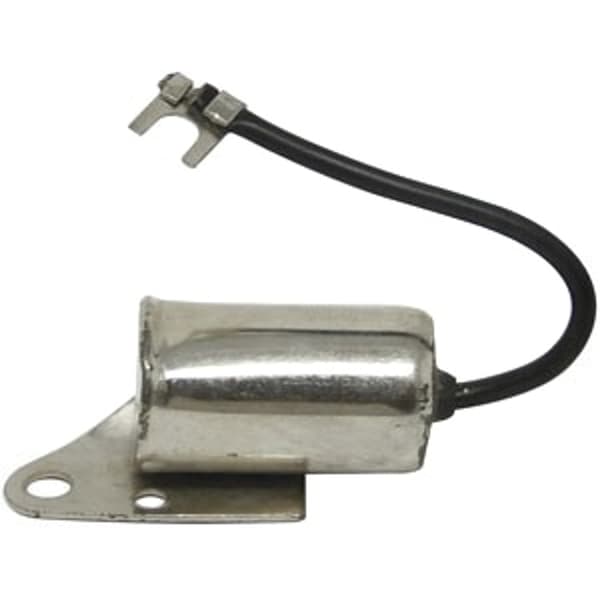
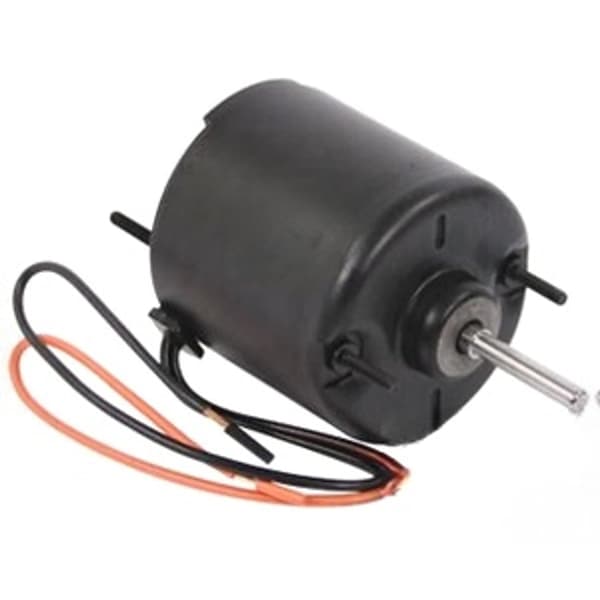 BM333845 - Blower Motor - Condenser (12V, 1/4" X 1 1/2" shaft, Rev rotation)BM333845Out of stock$80.11
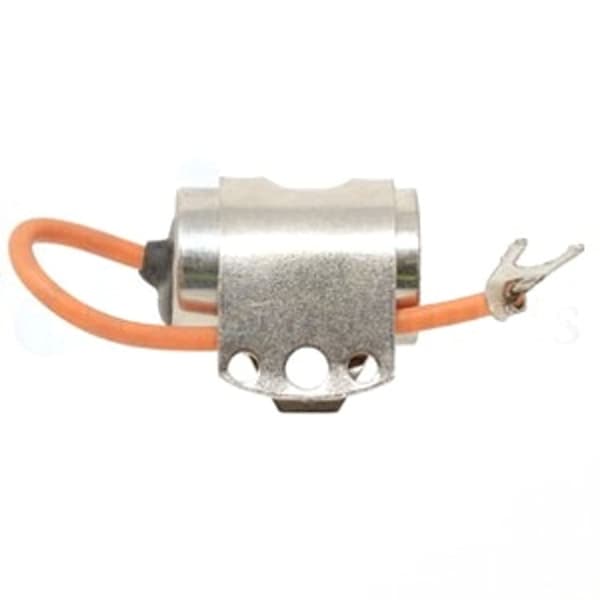
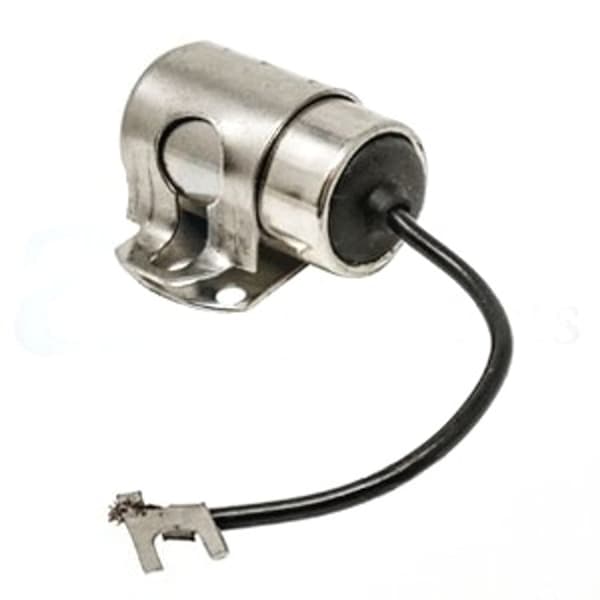
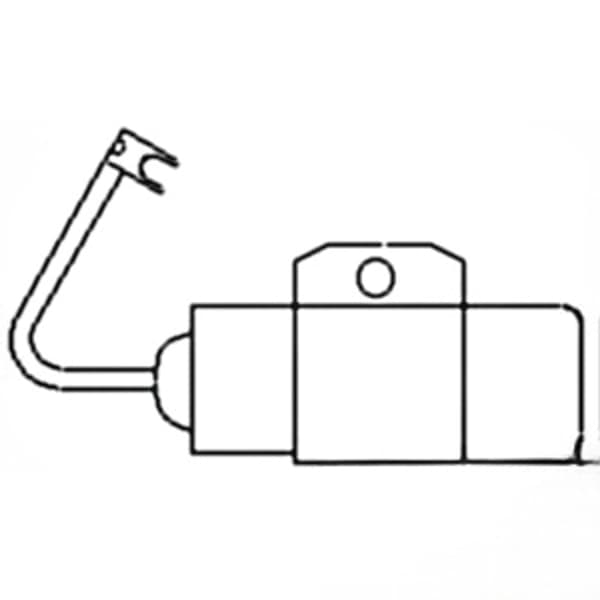
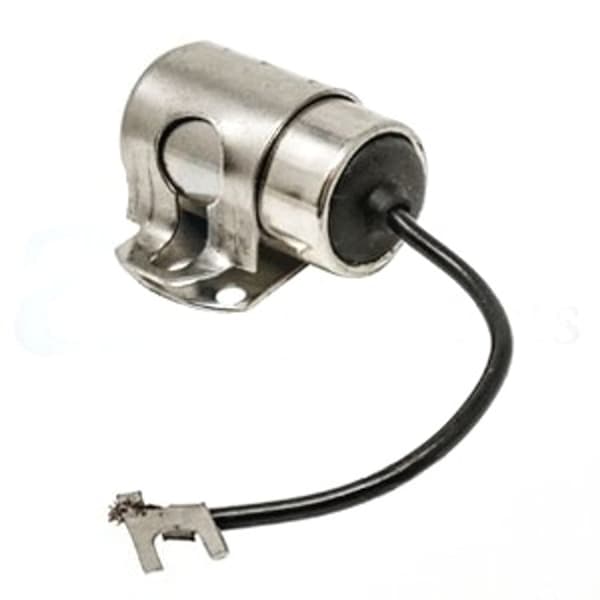
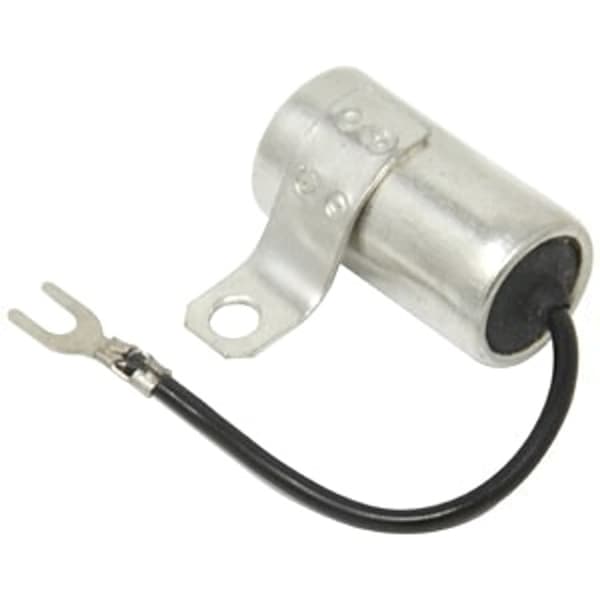
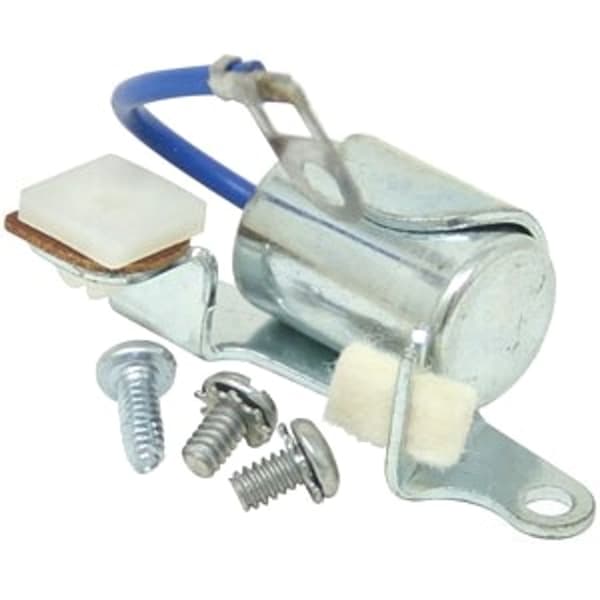
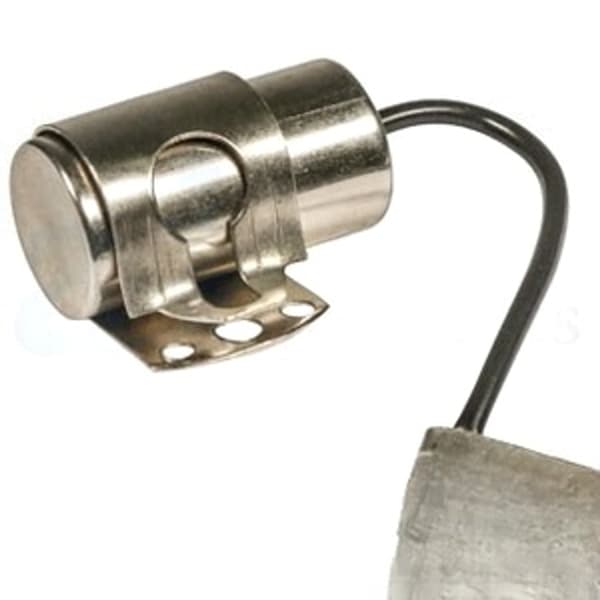
🔍 Looking for a specific part? Try our AI Part Finder — tell it your equipment and what you need, and it will find matching parts instantly.
The points and condenser work together to create the high-voltage spark needed to ignite the air-fuel mixture in the cylinder. The points are a mechanical switch that opens and closes, interrupting the flow of current to the ignition coil. The condenser, also known as a capacitor, stores electrical energy and helps to prevent arcing across the points when they open. This arcing can quickly burn out the points, shortening their lifespan. Both are critical components in the lawn mower ignition coil system.
This article will guide you through understanding, troubleshooting, and replacing the points and condenser on your lawn mower.
How Lawn Mower Points and Condensers Work
Here's a simplified explanation of the process:
- Points Closed: With the points closed, current flows from the battery (or magneto) to the primary winding of the ignition coil.
- Points Open: As the engine rotates, a cam lobe pushes the points open. This interrupts the current flow in the primary winding.
- Coil Collapse: The sudden interruption of current causes the magnetic field in the primary winding to collapse rapidly.
- High-Voltage Spark: This collapsing magnetic field induces a high-voltage current in the secondary winding of the ignition coil.
- Spark Plug Firing: The high-voltage current is sent to the spark plug, creating a spark that ignites the air-fuel mixture in the cylinder.
- Condenser Action: The condenser absorbs the voltage spike created when the points open, preventing arcing and protecting the points from premature failure. It also helps to improve the efficiency of the ignition system.
The timing of the points opening is crucial for proper engine operation. If the points open too early or too late, the engine may not start, run poorly, or experience a loss of power. Correct timing depends on the belt routing and proper function as well.
Common Problems with Points and Condensers
Several issues can arise with points and condensers, leading to starting problems, misfires, or complete engine failure.
- Dirty or Burned Points: Over time, the points can become dirty, corroded, or burned due to arcing. This increases resistance and weakens the spark.
- Incorrect Point Gap: The gap between the points when they are open is critical. Too small a gap can result in a weak spark, while too large a gap can prevent the engine from starting.
- Faulty Condenser: A failing condenser can cause excessive arcing at the points, leading to rapid point wear and a weak spark. It can also cause the engine to run erratically.
- Worn Cam Lobe: The cam lobe that operates the points can wear down over time, changing the point opening timing.
- Loose or Corroded Connections: Loose or corroded connections in the wiring harness can disrupt the flow of current to the ignition system. Don't forget to check other components in the electrical & ignition parts system.
Diagnosing Points and Condenser Problems
Here's how to troubleshoot potential problems with your points and condenser system:
- Visual Inspection: Start by visually inspecting the points for dirt, corrosion, or burning. Check the condenser for any signs of damage, such as cracks or leaks. Also, check the wiring for loose or corroded connections. Make sure the area is free from debris like grass clippings, and that the filters are clean to ensure proper air flow.
- Point Gap Adjustment: Use a feeler gauge to check the point gap. Refer to your engine's service manual for the correct gap specification. If the gap is incorrect, adjust it accordingly.
- Condenser Test: A multimeter with a capacitance testing function can be used to test the condenser. The reading should be within the range specified in the service manual. Alternatively, you can take it to a small engine repair shop for testing.
- Spark Test: Remove the spark plug and ground it against the engine block. Pull the starter rope or turn the engine over. You should see a strong, blue spark. A weak or non-existent spark indicates a problem with the ignition system. Consider testing the riding mower ignition switch to ensure it is functioning properly.
- Continuity Test: Use a multimeter to check the continuity of the wiring between the points, condenser, and ignition coil. A lack of continuity indicates a broken wire or a bad connection. Also test the lawn mower seat safety switch.
Safety Warning: Always disconnect the spark plug wire before working on the ignition system to prevent accidental starting.
Replacing Lawn Mower Points and Condenser
Replacing the points and condenser is a relatively straightforward process. Here are the general steps:
- Gather Your Tools and Parts: You'll need a new points and condenser set, a feeler gauge, a screwdriver, a socket set, and possibly a flywheel puller (depending on the engine model). Ensure you have the correct parts for your specific engine, such as those for John Deere or Craftsman mowers.
- Disconnect the Spark Plug Wire: As always, disconnect the spark plug wire for safety.
- Remove the Flywheel: In most cases, you'll need to remove the flywheel to access the points and condenser. Use a flywheel puller if necessary. Be careful not to damage the flywheel or crankshaft. Note the position of the flywheel key – you'll need to reinstall it correctly.
- Remove the Old Points and Condenser: Disconnect the wires from the old points and condenser. Remove the mounting screws and carefully remove the old components.
- Install the New Points and Condenser: Install the new points and condenser in the same location as the old ones. Connect the wires according to the wiring diagram (usually included with the new parts).
- Adjust the Point Gap: Rotate the engine until the cam lobe is at its highest point (when the points are fully open). Use a feeler gauge to adjust the point gap to the specified value. Tighten the adjustment screw to secure the points in place.
- Reinstall the Flywheel: Align the flywheel key with the slot in the crankshaft and carefully reinstall the flywheel. Tighten the flywheel nut to the specified torque.
- Reconnect the Spark Plug Wire: Reconnect the spark plug wire.
- Test the Engine: Start the engine and check for proper operation. Adjust the timing if necessary.
Important Note: Always refer to your engine's service manual for specific instructions and torque specifications. If you are not comfortable performing this repair yourself, consult a qualified small engine mechanic.
Timing Adjustment After Replacement
After replacing the points and condenser, you may need to adjust the ignition timing to ensure optimal engine performance. The timing is adjusted by rotating the points plate slightly. Loosen the mounting screws and rotate the plate until the timing mark on the flywheel aligns with the timing mark on the engine block. Tighten the mounting screws to secure the plate in place.
Refer to your engine's service manual for the correct timing procedure and specifications. Improper timing can lead to poor performance, reduced fuel economy, and engine damage.
Maintenance Tips for Points and Condenser Systems
Here are some tips to help extend the life of your points and condenser system:
- Keep the Points Clean: Periodically clean the points with a points file or a fine abrasive pad.
- Check the Point Gap Regularly: Check the point gap at least once a year and adjust as needed.
- Replace the Points and Condenser as a Set: When replacing the points, always replace the condenser at the same time.
- Use High-Quality Parts: Use only high-quality points and condensers from reputable manufacturers.
- Store Your Mower Properly: When storing your mower for the off-season, drain the fuel tank and add a fuel stabilizer to prevent corrosion and fuel degradation.
Proper maintenance of the electrical system is key to a well running machine. Don't forget to check other components such as the riding mower starter, riding mower solenoid, and riding mower voltage regulator.
Shop Lawn Mower Parts at Madison Tractor Company
Madison Tractor Company offers a wide selection of lawn mower parts, including points and condensers, for all major brands such as John Deere, Craftsman, Cub Cadet, Husqvarna, and more. We also carry a full line of blades, belts, spindles, and other essential lawn mower parts to keep your equipment running smoothly.
Browse our extensive online catalog today and find the parts you need to keep your lawn mower in top condition. Our knowledgeable staff is always available to answer your questions and help you find the right parts for your specific needs. We offer fast shipping and competitive prices, so you can get back to mowing your lawn in no time. You can also use our AI-Powered Part Finder to search for parts by your specific make and model.
Part of our comprehensive guide
Mower Electrical Parts Guide: Starters, Solenoids, Switches & More