








Mower Choke Cable Replacement: Universal Fit
Is your mower hard to start? A worn or broken choke cable could be the culprit. This guide walks you through replacing it with a universal choke cable, applicable to many brands like John Deere, Craftsman, and Cub Cadet.
Introduction to Mower Choke Cables
A properly functioning choke cable is essential for easy starting, especially in colder weather. The choke restricts airflow to the engine, enriching the fuel mixture and aiding ignition. When your mower's choke cable becomes stiff, frayed, or broken, starting your engine can become a real chore. Luckily, replacing it is often a straightforward DIY project that can save you time and money. This guide will walk you through the process using a universal fit mower choke cable, applicable to many common brands like John Deere, Craftsman, Cub Cadet, Husqvarna, Toro, Ariens, Murray, Hustler, Scag, Exmark, Ferris, Snapper, Simplicity, and even Dixie Chopper. Beyond electrical and ignition parts, regular maintenance with new belts, blades, and filters will keep your machine running smoothly.
Recommended Parts for This Guide
3 parts we recommend — in stock, ships fast, one-click add to cart.
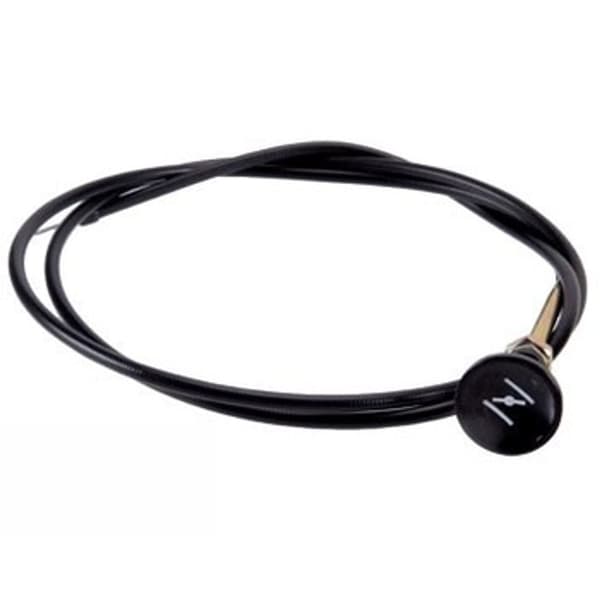
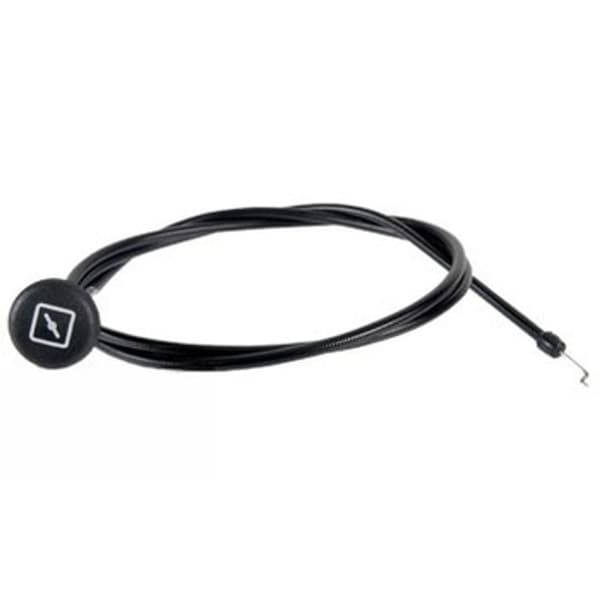
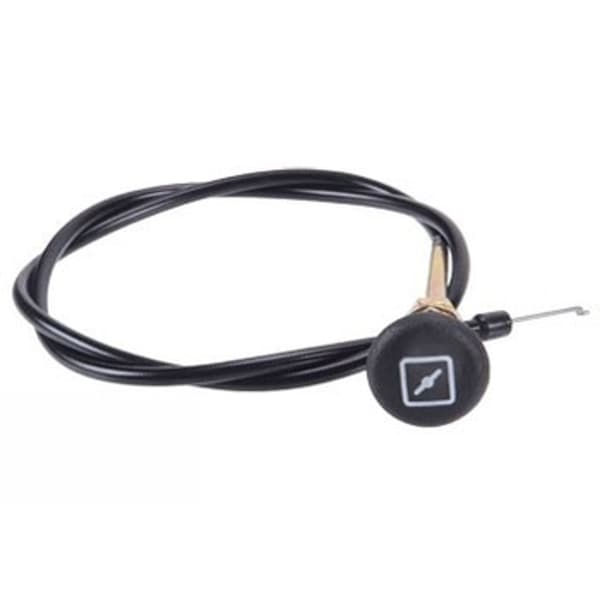
🔍 Looking for a specific part? Try our AI Part Finder — tell it your equipment and what you need, and it will find matching parts instantly.
Understanding the Choke System
Before you begin, it's helpful to understand how the choke system works. The choke is a valve located in the carburetor that restricts airflow. Pulling the choke cable closes this valve, creating a richer fuel-air mixture that makes starting easier. Once the engine is warm, the choke should be opened to allow normal airflow. A faulty choke cable can prevent the choke from closing fully, making starting difficult, or from opening fully, leading to poor performance once running.
Common Signs of a Bad Choke Cable
- Difficulty starting the engine, especially when cold
- Engine requires excessive cranking
- Engine stalls shortly after starting
- choke lever is loose or doesn't stay in position
- Visible damage or fraying on the cable
Tools and Materials Needed
Before starting the replacement process, gather the following tools and materials:
- Universal mower choke cable (available at Madison Tractor Company)
- Pliers
- Screwdrivers (Phillips and flathead)
- Wrench set
- Wire cutters or snips
- Penetrating oil (e.g., WD-40)
- Work gloves
- Safety glasses
Consider replacing other maintenance items while you're working on your mower. Check the condition of your spark plugs and air filter.
Safety First!
Warning: Always disconnect the spark plug wire before working on any part of your mower's engine. This prevents accidental starting. Allow the engine to cool completely before starting work, especially if it has been running recently. Wear safety glasses to protect your eyes from debris.
Step-by-Step Mower Choke Cable Replacement
- Disconnect the Spark Plug: As mentioned above, this is the most important safety step. Remove the spark plug wire and secure it away from the spark plug. This is also a good time to inspect your spark plug and replace if necessary.
- Locate the Old Choke Cable: Trace the choke cable from the choke lever on the dashboard or control panel to the carburetor. Note how it's routed and attached to both ends. Taking a photo before disconnecting can be very helpful.
- Disconnect the Cable at the Carburetor: Use pliers to loosen and remove the cable from its attachment point on the carburetor. This may involve loosening a small screw or clip. Penetrating oil can help if the cable is stuck.
- Disconnect the Cable at the Control Panel: Remove the choke lever from the dashboard or control panel. This usually involves removing screws or releasing clips. Carefully detach the old cable from the lever.
- Remove the Old Cable: Gently pull the old cable out of the mower frame, following the original routing. Be careful not to damage any other components.
- Install the New Universal Choke Cable: Feed the new choke cable through the same path as the old one. Connect one end of the cable to the choke lever on the control panel and secure it.
- Connect the Cable to the Carburetor: Attach the other end of the cable to the choke arm on the carburetor. Adjust the cable length as needed to ensure the choke valve closes completely when the lever is in the “choke” position and opens fully when the lever is in the “run” position. Most universal cables have adjustable fittings to allow for precise adjustment. Fine tuning may be required.
- Secure the Cable: Ensure the cable is securely fastened along its route, using clips or zip ties as needed to prevent it from rubbing against other components.
- Test the Operation: Reconnect the spark plug wire. Start the engine and test the choke function. Make sure the engine starts easily with the choke engaged and runs smoothly once the choke is disengaged. Adjust the cable tension as needed.
Troubleshooting Tips
- Engine Still Hard to Start: Double-check the cable adjustment at the carburetor. Make sure the choke valve is closing completely. Also, ensure the fuel is fresh and the fuel filter is clean.
- Choke Lever is Loose: Tighten the screws or clips that hold the lever in place. If the lever itself is damaged, it may need to be replaced.
- Cable is Difficult to Move: Ensure the cable is properly lubricated and not kinked or bent. Applying penetrating oil along the cable can help.
Universal Choke Cable Fitment
Universal choke cables are designed to fit a wide range of lawn mowers, riding mowers, and other small engine equipment. However, it's always a good idea to double-check the cable length and end fittings to ensure compatibility with your specific model. When choosing a universal cable, consider:
- Cable Length: Measure the length of your old cable to ensure the new one is long enough.
- End Fittings: Check the type of fittings on both ends of the cable to ensure they match your mower's choke lever and carburetor.
- Cable Construction: Look for a durable cable made from high-quality materials to ensure long-lasting performance.
Maintaining Your Mower's Choke System
To keep your choke system working smoothly, consider these maintenance tips:
- Lubricate the Cable: Regularly lubricate the choke cable with a silicone-based lubricant to prevent it from becoming stiff or sticking.
- Inspect the Cable: Check the cable for signs of wear or damage, such as fraying or kinks. Replace the cable if necessary.
- Keep the Carburetor Clean: A dirty carburetor can cause choke problems. Use a carburetor cleaner to remove any deposits or buildup.
While working on the electrical and ignition system, consider inspecting other components. Have you checked your riding mower starter, riding mower solenoid, or lawn mower ignition coil lately?
Madison Tractor Company: Your Source for Mower Parts
Replacing your mower choke cable is a relatively simple task that can significantly improve your mower's starting performance. By following these steps, you can get your mower running smoothly again in no time. At Madison Tractor Company, we offer a wide selection of universal mower choke cables, as well as other essential parts like spindles, pulleys, bearings, and shear pins, to keep your outdoor power equipment running at its best. Shop our extensive inventory today for quality parts at competitive prices! Need a new riding mower ignition switch or riding mower voltage regulator? We've got you covered. You can also use our AI-Powered Part Finder to search for parts by your specific make and model.
Part of our comprehensive guide
Mower Electrical Parts Guide: Starters, Solenoids, Switches & More