








John Deere Ground Drive Belt: Transmission Belt by Model
Replacing the ground drive belt on your John Deere riding mower is a crucial maintenance task. This guide helps you identify the correct belt for your model and provides practical tips for installation and troubleshooting, ensuring your mower's transmission runs smoothly.
Introduction to John Deere Ground Drive Belts
The John Deere ground drive belt, also known as the transmission belt or drive belt, is a vital component of your riding mower. It's responsible for transferring power from the engine to the transmission, enabling the mower to move. A worn or broken belt can bring your mowing to a screeching halt. This guide will help you identify the correct belt for your John Deere model, understand common issues, and learn how to replace it. Remember to always consult your John Deere operator's manual for specific instructions and safety precautions for your particular model.
Recommended Parts for This Guide
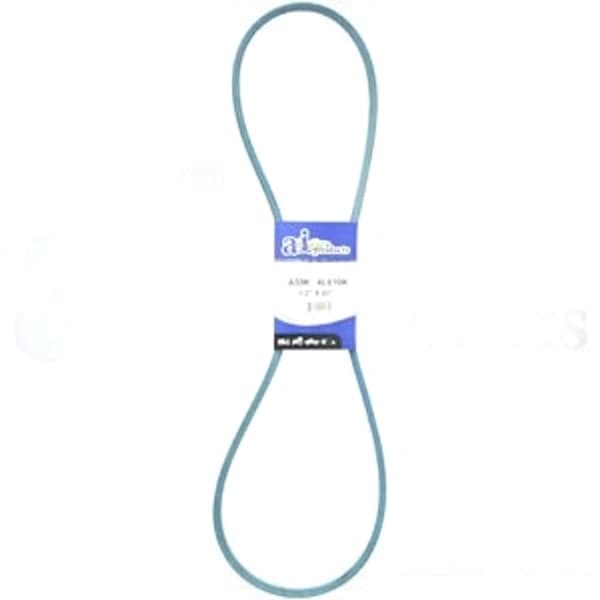
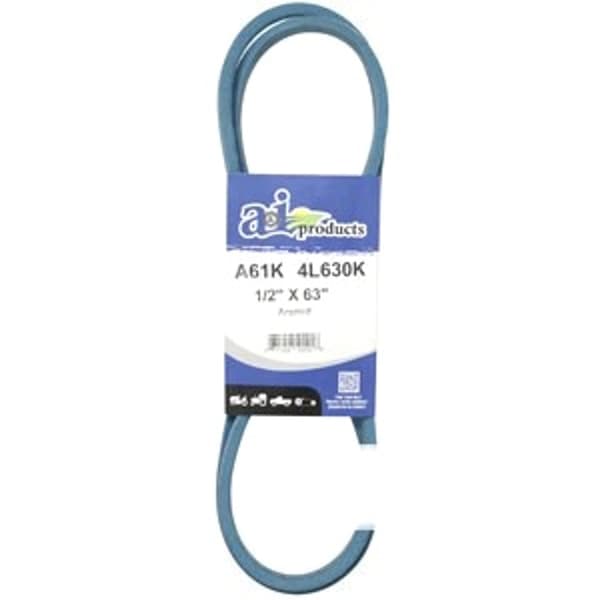
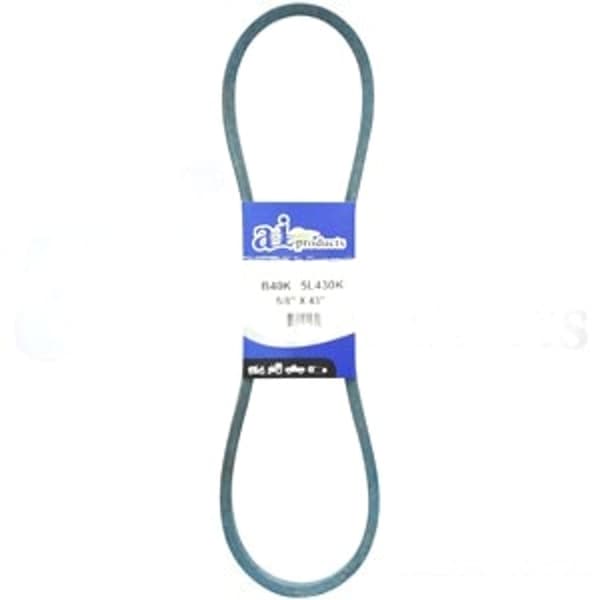
10 parts we recommend — in stock, ships fast, one-click add to cart.
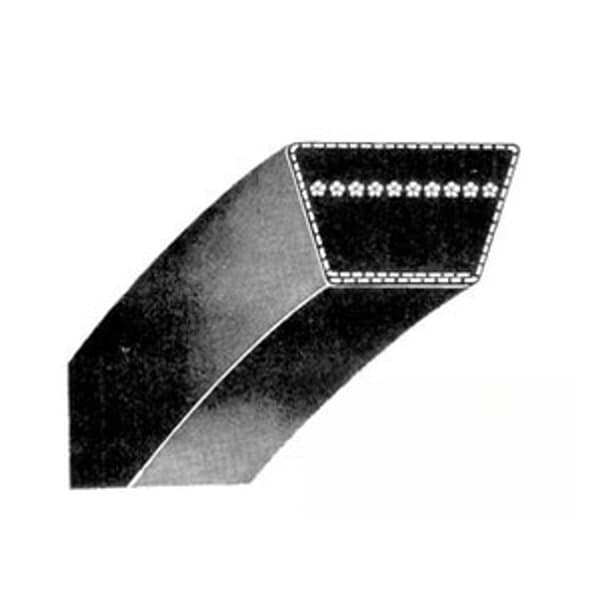
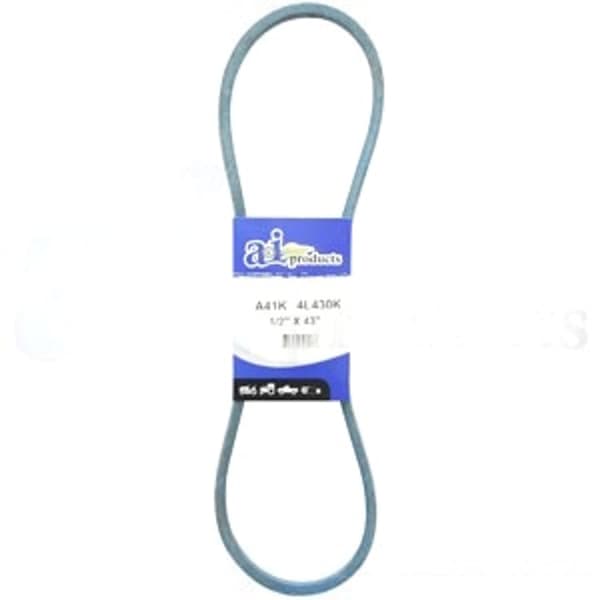
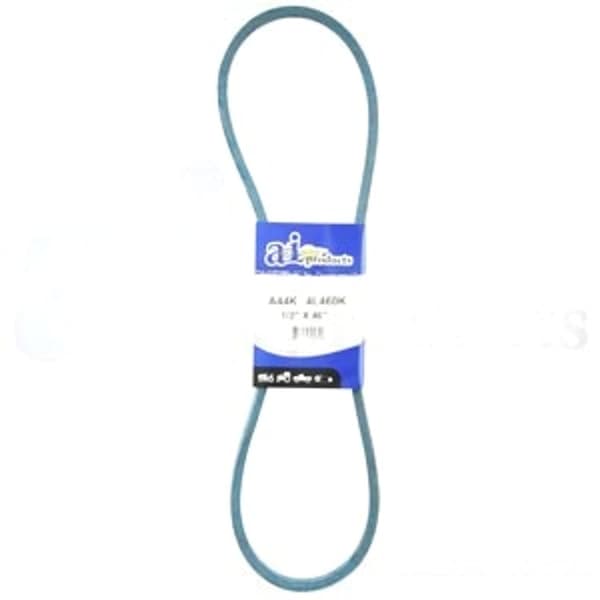
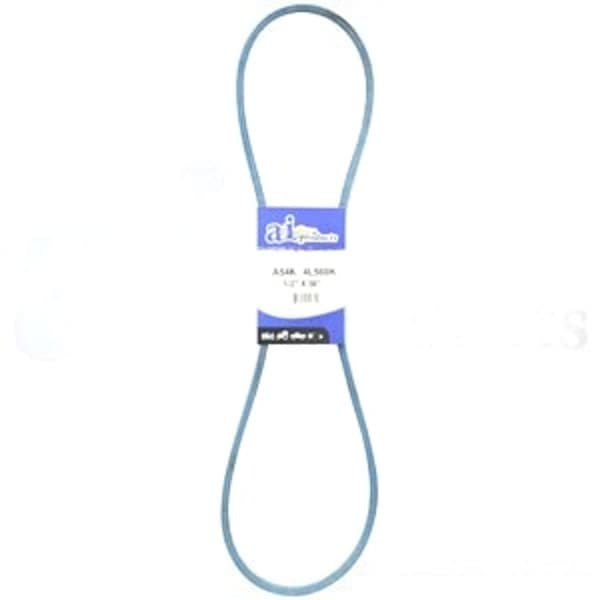
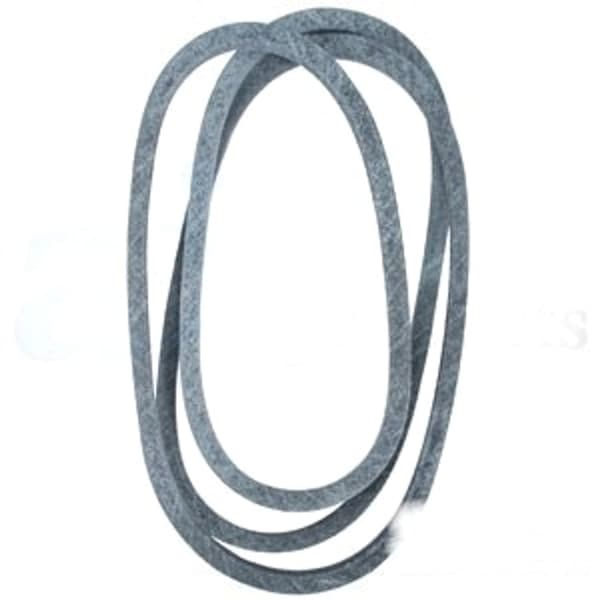
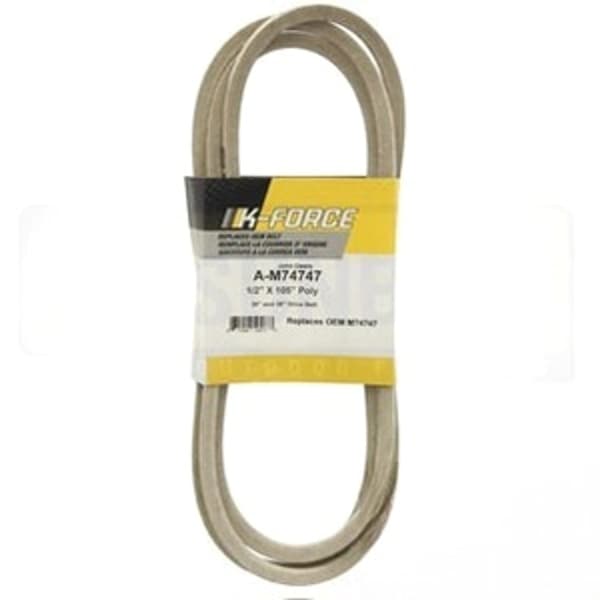
🔍 Looking for a specific part? Try our AI Part Finder — tell it your equipment and what you need, and it will find matching parts instantly.
Like any mechanical component, the ground drive belt wears down over time. Regular inspections and timely replacements are essential for maintaining the performance and longevity of your lawn tractor. Issues with your lawn tractor transaxle can put additional strain on the belt and shorten its lifespan.
Identifying the Correct John Deere Ground Drive Belt
Finding the correct replacement belt is crucial. Using the wrong belt can lead to poor performance, belt slippage, or even damage to your mower. Here's how to ensure you get the right one:
- Check Your Model Number: Locate the model number of your John Deere riding mower. It's typically found on a sticker or plate under the seat, on the frame, or in the operator's manual.
- Consult the Operator's Manual: Your operator's manual will list the correct part number for the ground drive belt.
- Use the John Deere Parts Catalog: The John Deere parts catalog, available online, allows you to search for parts by model number.
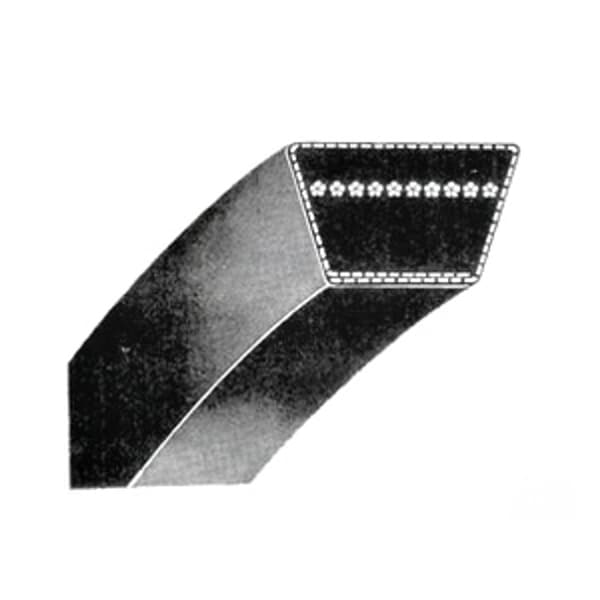
- Measure the Old Belt: If you have the old belt, you can measure its length and width. This measurement helps determine the correct V-belt size and type, such as A-section or B-section. While this isn't foolproof, it can help narrow down the options. Be aware that a stretched or damaged belt won't provide accurate measurements.
- Contact a Parts Specialist: If you're unsure, contact a parts specialist at a retailer like Madison Tractor Company. We can help you identify the correct belt based on your model number.
Common Issues with John Deere Ground Drive Belts
Several factors can contribute to ground drive belt failure. Understanding these issues can help you prevent future problems:
- Wear and Tear: Over time, the belt naturally wears down due to friction and heat.
- Misalignment: Misaligned pulleys can cause the belt to rub and wear prematurely.
- Debris: Sticks, leaves, and other debris can get caught in the belt and pulleys, causing damage.
- Oil Contamination: Oil or grease on the belt can cause it to slip and deteriorate.
- Overloading: Using the mower to tow heavy loads can put excessive strain on the belt.
- Incorrect Belt Tension: Too much or too little tension can shorten the belt's lifespan.
- Worn Pulleys: Worn or damaged pulleys can damage the belt. Check your pulleys for wear.
Replacing Your John Deere Ground Drive Belt: A Step-by-Step Guide
Replacing the ground drive belt is a manageable task for most homeowners. However, always prioritize safety and consult your operator's manual for specific instructions.
Safety First:
- Disconnect the Spark Plug: Before working on your mower, disconnect the spark plug wire to prevent accidental starting.
- Wear Gloves: Protect your hands from sharp edges and grease.
- Use Jack Stands: If you need to raise the mower, use jack stands for safety. Never work under a mower supported only by a jack.
Tools You'll Need:
- New ground drive belt
- Socket set or wrenches
- Screwdrivers
- Pliers
- Belt installation tool (if required for your model)
- Jack and jack stands (optional, but recommended)
Steps:
- Access the Belt: Remove any mower deck components or covers that obstruct access to the drive belt. This often involves removing the mower deck itself. Refer to your owner's manual for specific deck removal instructions.
- Release Belt Tension: Locate the tensioner pulley. Use a wrench or socket to release the tension on the pulley, allowing you to remove the old belt. Some mowers have a spring-loaded tensioner, while others have an adjustable one.
- Remove the Old Belt: Carefully remove the old belt from the pulleys, noting the belt routing for reference. Take pictures before removing if needed.
- Inspect the Pulleys: Check all pulleys for wear, damage, or debris. Replace any worn or damaged pulleys. Make sure the pulleys spin freely.
- Install the New Belt: Route the new belt according to the diagram in your operator's manual or the photos you took. Ensure the belt is properly seated in all pulleys.
- Re-engage the Tensioner: Re-engage the tensioner pulley to apply tension to the new belt. Make sure the belt is properly aligned and not twisted.
- Reinstall Components: Reinstall any mower deck components or covers you removed earlier.
- Test the Mower: Reconnect the spark plug wire and start the mower. Engage the drive system and check for smooth operation. Listen for any unusual noises or vibrations.
Preventative Maintenance for Your Ground Drive Belt
Proper maintenance can significantly extend the life of your ground drive belt. Here are some tips:
- Regular Inspections: Inspect the belt regularly for cracks, wear, or damage.
- Keep Pulleys Clean: Remove any debris from the pulleys and belt area.
- Avoid Overloading: Do not use the mower to tow loads that exceed its capacity.
- Proper Storage: Store your mower in a dry place to prevent belt deterioration.
- Check Belt Tension: Periodically check the belt tension and adjust as needed.
- Replace Worn Pulleys: Replace any worn or damaged pulleys promptly.
Troubleshooting Ground Drive Belt Problems
Here are some common problems related to ground drive belts and how to troubleshoot them:
- Belt Slippage: If the belt is slipping, check the tension, pulleys, and belt condition. Replace the belt if it's worn or contaminated with oil.
- Belt Breakage: If the belt breaks frequently, check for misaligned pulleys, excessive tension, or debris.
- No Movement: If the mower isn't moving, the belt may be broken or disengaged. Check the belt routing and tension.
- Noisy Operation: A noisy belt may indicate misalignment, worn pulleys, or a damaged belt.
Beyond John Deere: Other Brands We Support
While this article focuses on John Deere ground drive belts, Madison Tractor Company carries a wide selection of parts for other major brands, including Craftsman, Cub Cadet, Husqvarna, Toro, Ariens, Murray, Hustler, Scag, Exmark, Ferris, Snapper, Simplicity, and Dixie Chopper. We offer a comprehensive inventory of riding mower parts, including belts, blades, spindles, pulleys, filters, spark plugs, bearings, and shear pins. Whether you're working on your riding mower, zero turn mower, or snow blower, we have the parts you need to keep your equipment running smoothly. Don't forget about checking the riding mower drive belt on your other machines too!
Remember to also check your lawn tractor wheel bearings and riding mower rear axle seal when performing maintenance on your transmission.
Madison Tractor Company: Your Source for Outdoor Power Equipment Parts
At Madison Tractor Company, we're committed to providing high-quality parts and exceptional customer service. We understand the importance of keeping your outdoor power equipment running smoothly, and we're here to help you find the parts you need quickly and easily. Shop our extensive selection of John Deere ground drive belts and other parts today!
🔍 Can't Find Your Part?
Use our AI-Powered Part Finder to search by your equipment's make, model, and what you need. It's the fastest way to find the exact part for your machine.
Try the Part Finder →Part of our comprehensive guide
Mower Transmission Parts Guide: Transaxle, Drive Belt & Bearings