








John Deere Hydraulic Coupler: Quick Connect Fittings
Understanding John Deere hydraulic couplers and quick connect fittings is crucial for efficient operation of your tractor's hydraulic system. This guide covers various types, troubleshooting tips, and how to find the correct replacement parts.
Introduction to John Deere Hydraulic Couplers
Hydraulic couplers, also known as quick connect fittings, are essential components in your John Deere tractor's hydraulic system. They allow you to quickly and easily connect and disconnect hydraulic lines to implements like loaders, backhoes, disc harrows, and other agricultural equipment. A reliable john deere hydraulic coupler ensures minimal downtime and efficient operation. Understanding the different types, sizes, and potential issues is key to keeping your equipment running smoothly.
Recommended Parts for This Guide
7 parts we recommend — in stock, ships fast, one-click add to cart.
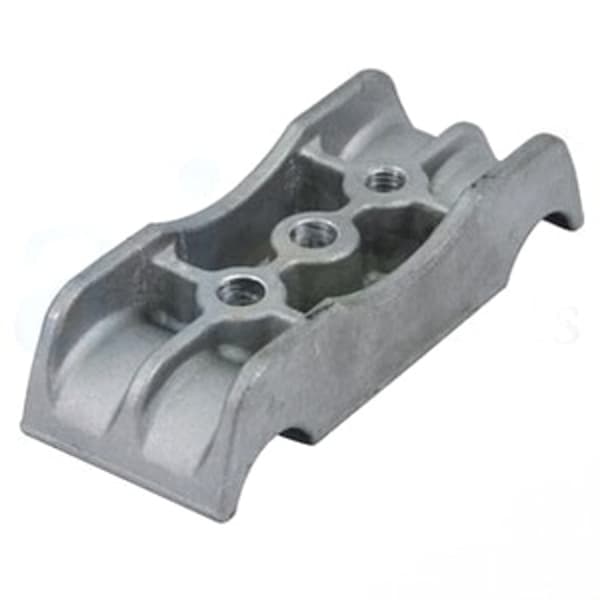
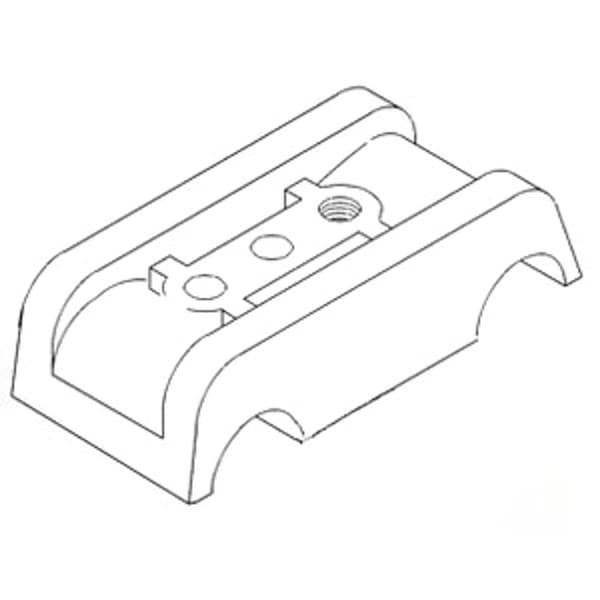
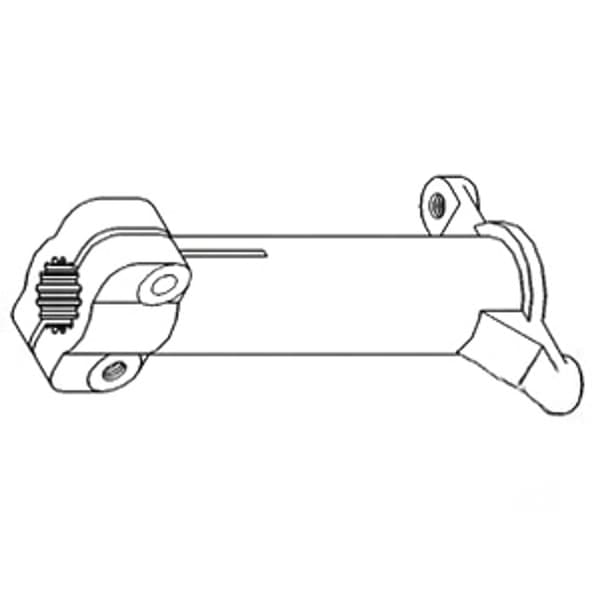
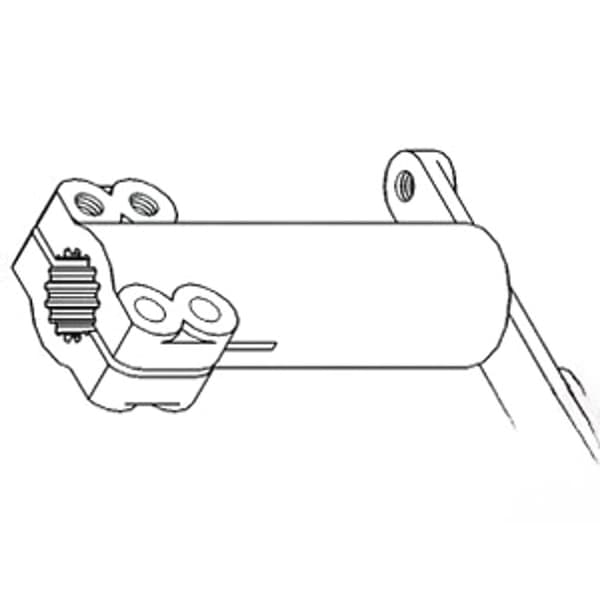
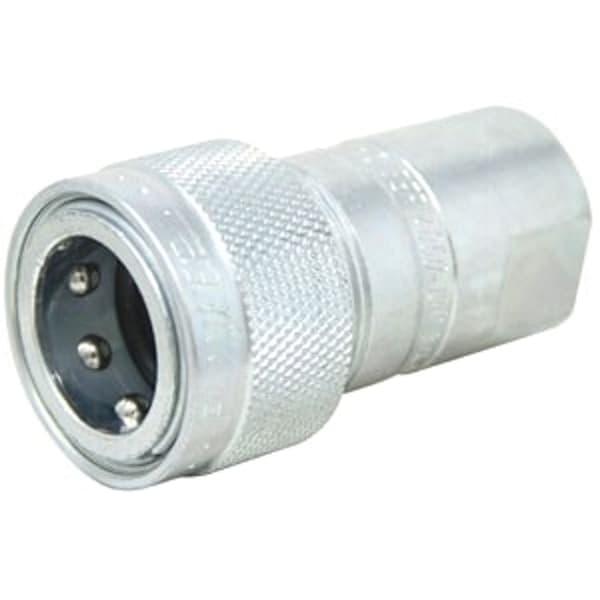
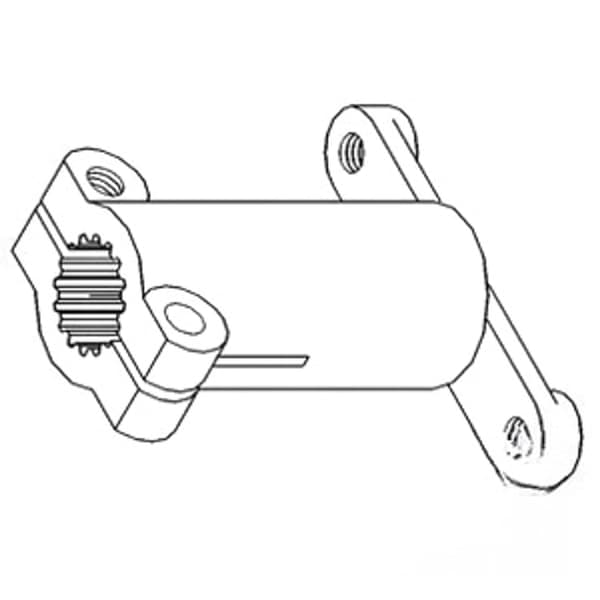
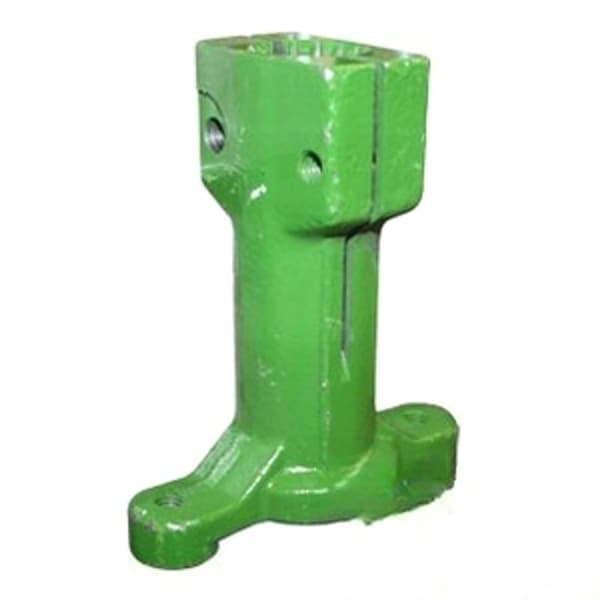
🔍 Looking for a specific part? Try our AI Part Finder — tell it your equipment and what you need, and it will find matching parts instantly.
At Madison Tractor Company, we understand the importance of quality hydraulic components. We stock a wide range of hydraulic parts for John Deere, Case IH, Ford, New Holland, Massey Ferguson, Kubota, Allis Chalmers, Deutz, International Harvester, Oliver, White, Gleaner, Vermeer, Hesston, Mahindra, and Zetor tractors. Whether you need a replacement hydraulic pump, a new tractor hydraulic cylinder, or just a set of couplers, we've got you covered.
Types of John Deere Hydraulic Couplers
John Deere hydraulic couplers come in various types, each designed for specific applications and pressure ratings. It's important to choose the correct coupler for your needs to ensure safe and efficient operation. Here are some common types:
- ISO 5675 Couplers: These are the most common type of hydraulic coupler used in agricultural applications. They are designed to be interchangeable between different manufacturers and are typically used for lower pressure applications.
- ISO 7241-1 Series A Couplers: These couplers are often used in industrial applications and can handle higher pressures than ISO 5675 couplers.
- Pioneer Couplers: Pioneer couplers are an older design and may be found on older tractors. While still functional, they are less common on newer equipment. If you need to upgrade older John Deere 20, 30, or 40 Series tractors to modern ISO Pioneer Style couplers, consider a remote coupler conversion kit.
- Flat Face Couplers: These couplers offer several advantages, including reduced spillage during connection and disconnection, easier cleaning, and lower pressure drop. They are becoming increasingly popular in modern hydraulic systems.
Understanding Coupler Sizes and Thread Types
Selecting the correct size and thread type for your john deere hydraulic coupler is crucial for a leak-free and secure connection. Common thread types include:
- NPT (National Pipe Thread): A tapered thread that seals as it is tightened.
- ORB (O-Ring Boss): A straight thread with an O-ring that provides a seal. These are typically preferred in hydraulic systems due to their superior sealing capabilities compared to NPT.
- SAE (Society of Automotive Engineers): Another common thread type found in hydraulic applications.
Coupler sizes are typically specified by their thread size and flow rate. Common sizes include 1/4 inch, 3/8 inch, and 1/2 inch. Refer to your tractor's service manual or the implement's specifications to determine the correct size for your application. Incorrect sizing can lead to reduced hydraulic performance and potential damage to your equipment. Don't forget to also check your tractor hydraulic hose sizing when replacing couplers.
Troubleshooting Common Hydraulic Coupler Problems
Hydraulic couplers can experience several common problems. Here's a breakdown of potential issues and how to address them:
- Leaks: Leaks are a common problem with hydraulic couplers. They can be caused by worn O-rings, damaged threads, or loose connections. To fix a leak, first, inspect the O-rings and replace them if necessary. Ensure the threads are clean and undamaged. Tighten the connection to the manufacturer's specified torque. If the leak persists, the coupler body may be damaged and require replacement.
- Difficulty Connecting/Disconnecting: This can be caused by dirt, debris, or corrosion in the coupler. Clean the coupler with a clean cloth and a suitable solvent. Lubricate the coupler with hydraulic oil. If the problem persists, the coupler's internal mechanism may be damaged, and replacement is necessary.
- Reduced Hydraulic Flow: A clogged or damaged coupler can restrict hydraulic flow, reducing the performance of your implements. Disconnect the coupler and inspect it for obstructions. Clean the coupler thoroughly. If the problem continues, the coupler may have internal damage that requires replacement. Ensuring your tractor hydraulic filter is clean can prevent debris from damaging the couplers and other hydraulic components.
Safety Precautions When Working with Hydraulic Systems
Working with hydraulic systems can be dangerous if proper safety precautions are not followed. Here are some important safety tips:
- Relieve Pressure: Always relieve hydraulic pressure before disconnecting any lines or couplers. This can usually be done by turning off the tractor and operating the hydraulic levers to release any trapped pressure.
- Wear Safety Glasses: Hydraulic fluid under pressure can cause serious eye injuries. Always wear safety glasses when working with hydraulic systems.
- Avoid Contact with Hydraulic Fluid: Hydraulic fluid can be harmful if it comes into contact with your skin. Wear gloves and avoid direct contact with the fluid. If hydraulic fluid penetrates your skin, seek immediate medical attention.
- Use Proper Tools: Use the correct tools for the job. Avoid using makeshift tools that could damage the hydraulic system or cause injury.
- Inspect Hoses Regularly: Check your hydraulic hoses regularly for cracks, leaks, and wear. Replace damaged hoses immediately.
Finding the Right John Deere Hydraulic Coupler Replacement
When replacing a john deere hydraulic coupler, it's crucial to select the correct replacement part. Here's how to find the right one:
- Consult Your Tractor's Service Manual: The service manual will provide detailed information about the type, size, and thread type of the hydraulic couplers used on your tractor.
- Identify the OEM Part Number: The OEM (Original Equipment Manufacturer) part number is the most accurate way to ensure you get the correct replacement. You can often find the OEM part number stamped on the original coupler. For example, you might find a need to replace a coupler when doing maintenance on your John Deere tractor hydraulic pump and the manual will identify the correct fitting.
- Cross-Reference with Aftermarket Parts: If you can't find the OEM part, you can cross-reference it with aftermarket parts from reputable manufacturers. Madison Tractor Company offers a wide selection of aftermarket hydraulic couplers that are designed to meet or exceed OEM specifications.
- Consider the Application: Consider the application for the coupler. If you're using it for a high-pressure application, select a coupler with a suitable pressure rating. If you need a coupler that is easy to clean and minimizes spillage, consider a flat-face coupler.
- Check for Compatibility: Ensure that the replacement coupler is compatible with your existing hydraulic hoses and implements.
For example, if you are working on a John Deere 4020 and need to replace a hydraulic coupler, you can often find the correct replacement by searching for the specific OEM part number associated with that model. Similarly, if you're repairing a hydraulic system on a Massey Ferguson 135, knowing the thread type and size of the original coupler will help you find a compatible replacement. We can help you cross-reference parts across various brands; a case ih hydraulic pump might require a similar coupler to a John Deere system.
Hydraulic Fluid Considerations
Using the correct hydraulic fluid is crucial for the proper functioning and longevity of your hydraulic system. John Deere recommends specific hydraulic fluids for its tractors. Consult your tractor's service manual to determine the recommended fluid. Using the wrong hydraulic fluid can damage seals, reduce hydraulic performance, and shorten the life of your hydraulic components.
Common hydraulic fluid types include:
- John Deere Hy-Gard: A premium hydraulic fluid designed for John Deere equipment.
- Universal Tractor Hydraulic Fluid (UTF): A general-purpose hydraulic fluid that is compatible with a wide range of tractors.
- Synthetic Hydraulic Fluid: A high-performance hydraulic fluid that offers improved performance in extreme temperatures.
Make sure you're also maintaining your system with a clean tractor hydraulic filter.
Conclusion
Choosing and maintaining the correct john deere hydraulic coupler is essential for ensuring the efficient and safe operation of your tractor's hydraulic system. By understanding the different types of couplers, troubleshooting common problems, and following proper safety precautions, you can keep your equipment running smoothly for years to come. Remember to consult your tractor's service manual and select the correct replacement parts when necessary. Whether you are replacing couplers or dealing with issues in your tractor hydraulic cylinder, a solid understanding of the entire hydraulic system is paramount.
At Madison Tractor Company, we are committed to providing you with the highest quality hydraulic parts and expert advice. Browse our extensive selection of hydraulic couplers, hoses, pumps, and other components to keep your tractor in top condition. From radiators and water pumps to starters and alternators, clutch kits, PTO parts, fuel pumps, carburetors, injectors, filters, gaskets, pistons, bearings, seals, belts, chains, concaves and sickle sections, we are your one stop shop for all your tractor and combine repair parts.
Shop John Deere tractor parts at Madison Tractor today! You can also use our AI-Powered Part Finder to search for parts by your specific make and model.
Part of our comprehensive guide
Tractor Hydraulic System Guide: Pumps, Cylinders & Troubleshooting