








Tractor Hydraulic Fluid: What Type for Your Brand
Choosing the right tractor hydraulic fluid is critical for the health and performance of your hydraulic system. This guide helps you understand the different types of hydraulic fluid and select the best option for your tractor, combine, or other farm machinery.
Introduction: Understanding Tractor Hydraulic Fluid
Your tractor's hydraulic system is the lifeblood of many operations, powering everything from loaders and steering to implements and brakes. Selecting the correct tractor hydraulic fluid type is crucial for ensuring optimal performance, preventing damage extending the lifespan of your valuable equipment. Using the wrong fluid can lead to costly repairs on components like your tractor hydraulic pump, cylinders hoses.
Recommended Parts for This Guide
10 parts we recommend — in stock, ships fast, one-click add to cart.
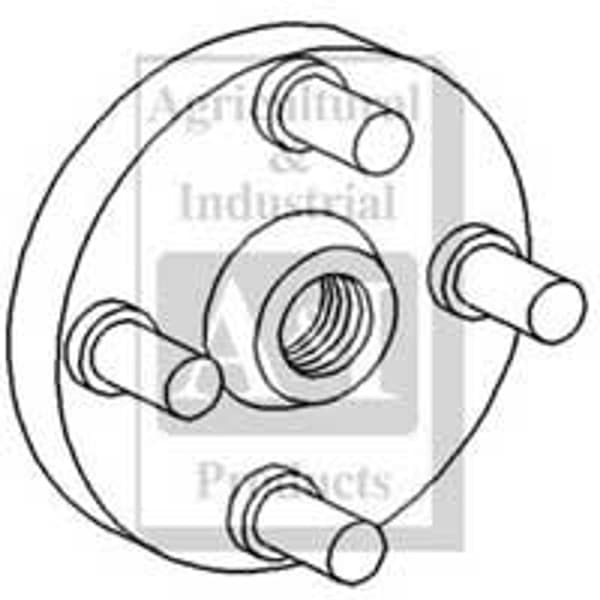
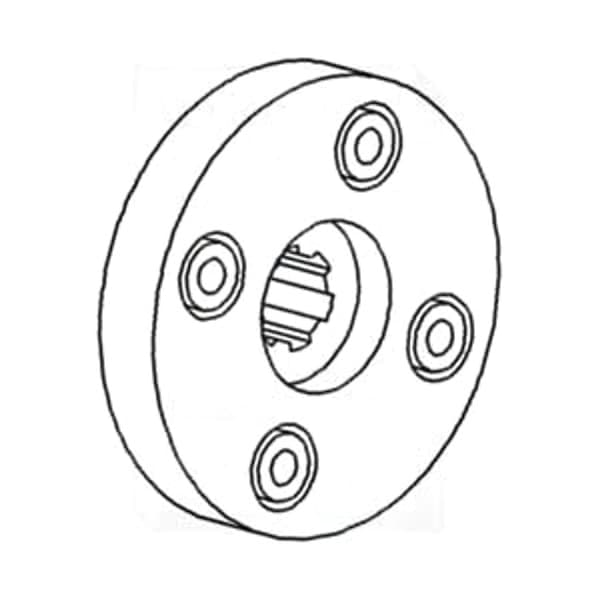
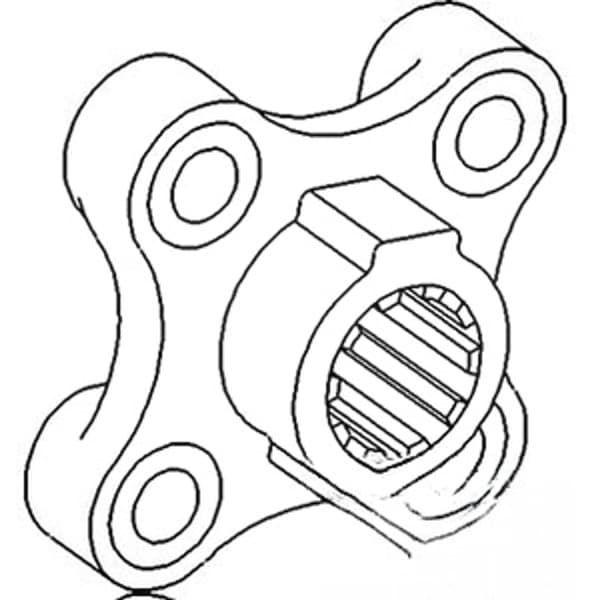
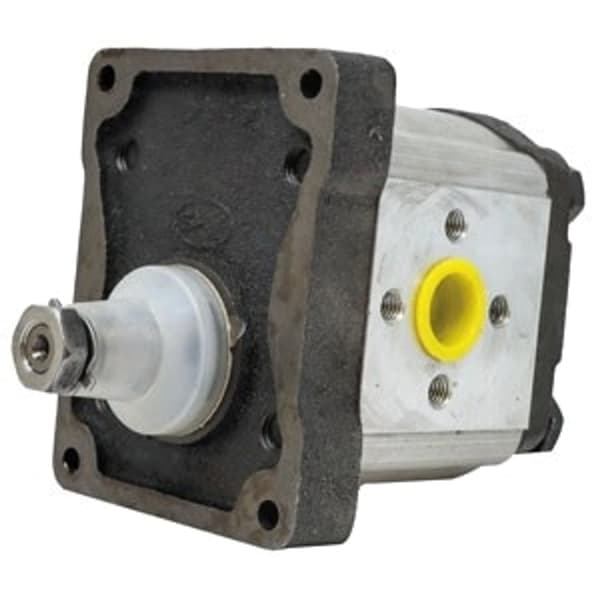
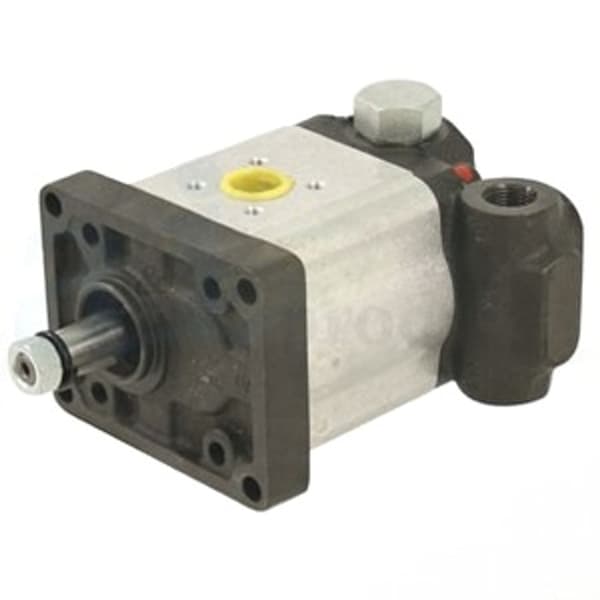
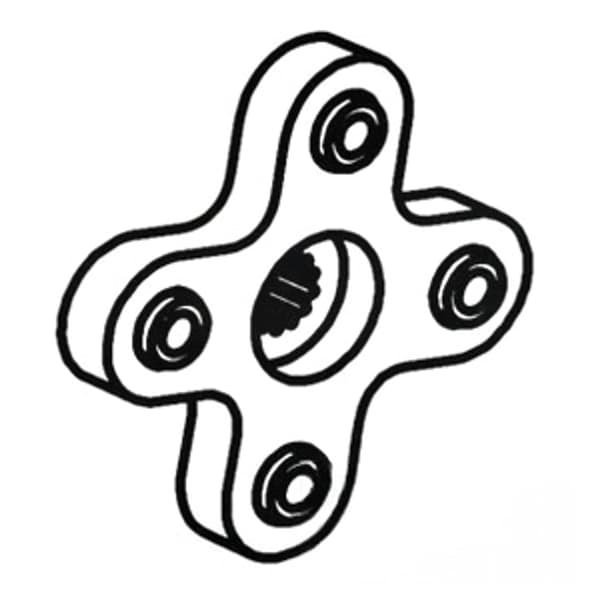
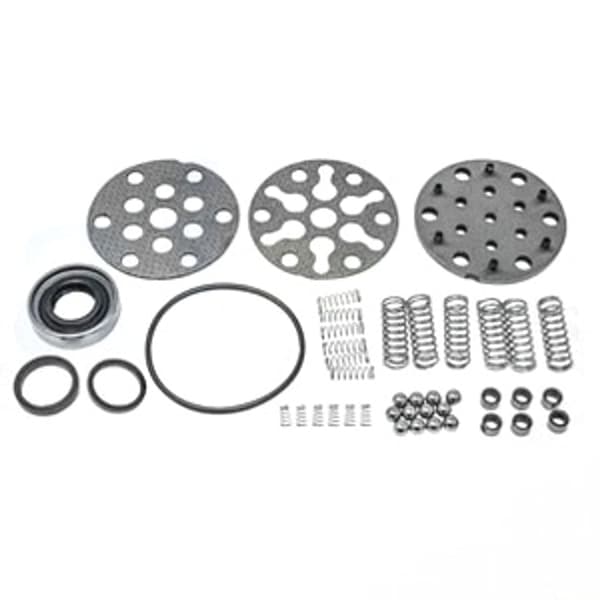
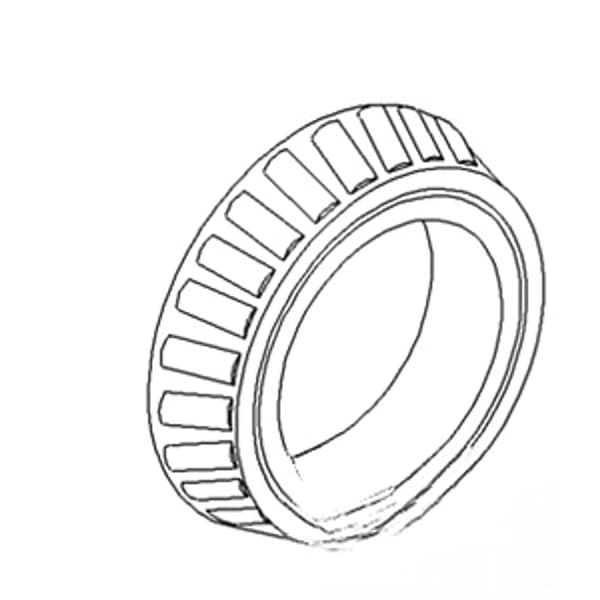
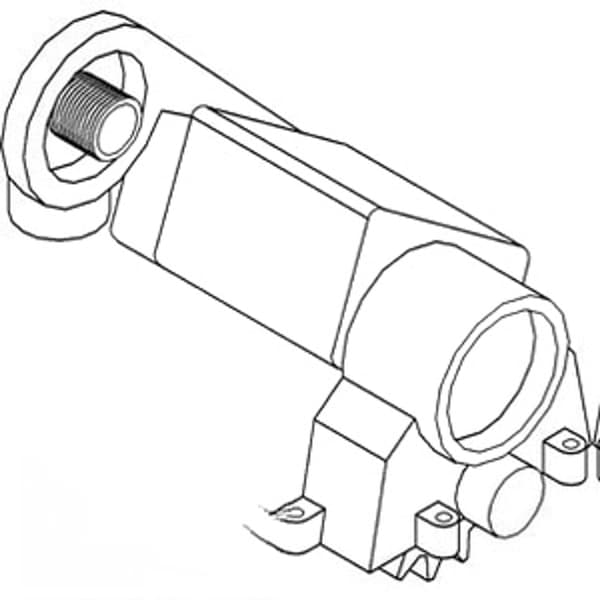
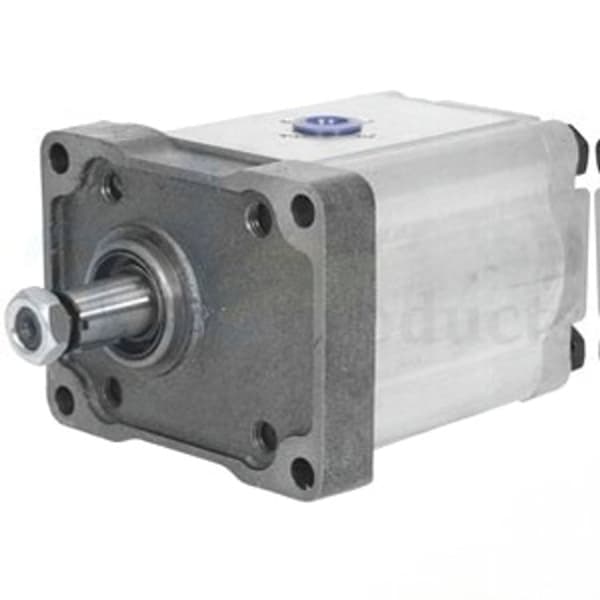
🔍 Looking for a specific part? Try our AI Part Finder — tell it your equipment and what you need, and it will find matching parts instantly.
At Madison Tractor Company, we understand the importance of using the right fluids and components for your machinery. We carry a wide selection of high-quality hydraulic fluids compatible with most major brands, including John Deere, Case IH, Ford, New Holland, Massey Ferguson, Kubota, Allis Chalmers, Deutz, International Harvester, Oliver, White, Gleaner, Vermeer, Hesston, Mahindra Zetor. We also stock a complete range of parts including radiators, water pumps, starters, alternators, hydraulic pumps, hydraulic cylinder seal kits, clutch kits, PTO parts, fuel pumps, carburetors, injectors, filters, hydraulic cylinder gaskets, hydraulic pump bearings, hydraulic pump seals, belts, chains, concavessickle sections.
Why the Right Hydraulic Fluid Matters
Hydraulic fluid serves several vital functions within your tractor's hydraulic system
- Power Transmission It acts as the medium to transfer power from the hydraulic pump to various components, like tractor hydraulic cylinders.
- Lubrication It lubricates moving parts within the hydraulic pump, valves cylinders, reducing friction and wear.
- Cooling It helps dissipate heat generated by the hydraulic system.
- Contamination Control It carries contaminants to the tractor hydraulic filter, preventing damage to sensitive components.
- Corrosion Protection It protects metal parts from rust and corrosion.
Using the wrong hydraulic fluid can lead to
- Reduced Performance Loss of power, sluggish operation increased cycle times.
- Premature Wear Increased friction and wear on hydraulic components, leading to early failure.
- Seal Damage Incompatibility with seals can cause swelling, shrinking, or cracking, leading to leaks.
- Pump Cavitation Incorrect viscosity can cause cavitation, damaging the hydraulic pump and reducing its lifespan.
- System Contamination Some fluids may not properly suspend contaminants, leading to clogged filters and damage to sensitive components.
Types of Tractor Hydraulic Fluid
There are several types of tractor hydraulic fluid available, each with its own properties and applications
- Universal Tractor Hydraulic Fluid (UTF) This is the most common type of hydraulic fluid, designed for use in a wide range of tractors and implements. It typically meets the requirements of multiple manufacturers and is suitable for applications where a single fluid is used for the hydraulic system, transmission differential.
- Transmission Hydraulic Fluid Specifically designed for transmissions and transaxles, these fluids often contain additives that provide enhanced friction characteristics for smooth shifting and clutch engagement.
- Hydraulic Oil These fluids are formulated specifically for hydraulic systems and offer excellent wear protection, oxidation stability foam resistance.
- Synthetic Hydraulic Fluid Synthetic fluids offer superior performance compared to conventional fluids, especially in extreme temperatures. They typically provide better wear protection, oxidation stability viscosity control.
- Biodegradable Hydraulic Fluid These fluids are made from renewable resources and are designed to minimize environmental impact in case of spills or leaks.
Choosing the Right Fluid for Your Tractor
The best way to determine the correct tractor hydraulic fluid type for your tractor is to consult your owner's manual. The manual will specify the recommended fluid type and any relevant specifications or standards. If you no longer have your owner's manual, you can usually find a digital copy online or contact your local dealer.
Here are some general guidelines for common tractor brands
- John Deere Search available parts
- Case IH Case IH usually recommends their Hy-Tran Ultra hydraulic fluid. Older models like the Farmall H may have different recommendations, so check the manual.
- Ford/New Holland Ford and New Holland tractors often use a Universal Tractor Fluid (UTF) that meets Ford specification M2C134-D or New Holland specification NH410B. For example, a Ford 8N often uses UTF, but confirm with the owner's manual.
- Kubota Kubota recommends their Super UDT2 or UDT hydraulic fluid, depending on the model and application. A Kubota L3901 often uses Super UDT2.
- Other Brands For other brands like Allis Chalmers, Deutz, International Harvester, Oliver, White, Gleaner, Vermeer, Hesston, Mahindra Zetor, consult your owner's manual or a qualified mechanic for the recommended fluid type.
Important Considerations
- Viscosity Viscosity refers to the fluid's resistance to flow. Choose a fluid with the correct viscosity for your operating conditions. In colder climates, a lower viscosity fluid may be necessary for easier starting and improved hydraulic performance.
- Additives Hydraulic fluids contain additives that enhance their performance, such as anti-wear agents, corrosion inhibitors foam suppressants. Make sure the fluid you choose contains the appropriate additives for your application.
- Mixing Fluids Avoid mixing different types of hydraulic fluids, as this can lead to incompatibility issues and reduced performance. If you are unsure what type of fluid is currently in your system, it is best to drain and flush the system completely before adding new fluid.
Changing Your Tractor Hydraulic Fluid
Regular hydraulic fluid changes are essential for maintaining the health and performance of your tractor's hydraulic system. Follow these steps to change your hydraulic fluid
- Consult your owner's manual for the recommended fluid change interval and procedure.
- Gather the necessary supplies, including new hydraulic fluid, a drain pan, wrenches a new tractor hydraulic filter. Madison Tractor carries a wide variety of hydraulic filters.
- Warm up the hydraulic system by running the tractor for a few minutes. This will help suspend contaminants in the fluid.
- Locate the drain plug on the hydraulic reservoir or transmission housing.
- Position the drain pan under the drain plug and carefully remove the plug, allowing the old fluid to drain completely.
- Replace the hydraulic filter.
- Reinstall the drain plug and tighten it to the specified torque. Refer to your service manual for the correct torque specification.
- Fill the hydraulic reservoir with new hydraulic fluid to the recommended level.
- Start the tractor and operate the hydraulic system to circulate the new fluid.
- Check the fluid level and add more fluid if necessary.
Safety Warning Always wear appropriate personal protective equipment (PPE), such as gloves and eye protection, when handling hydraulic fluid. Hydraulic fluid can be harmful if swallowed or comes into contact with skin. If you spill hydraulic fluid, clean it up immediately with absorbent materials.
Troubleshooting Hydraulic Issues
If you are experiencing problems with your tractor's hydraulic system, such as slow operation, loss of power, or unusual noises, there may be an issue with the hydraulic fluid or other components. Here are some common troubleshooting tips
- Check the hydraulic fluid level. Low fluid level can cause cavitation and reduced performance.
- Inspect the hydraulic fluid for contamination. If the fluid is dirty or milky, it may need to be changed.
- Check the hydraulic filter for clogs. A clogged filter can restrict flow and reduce performance.
- Inspect the hydraulic hoses and fittings for leaks. Leaks can cause a loss of pressure and reduced performance. You may need a new tractor hydraulic hose.
- Check the hydraulic pump for damage. A worn or damaged pump can cause a loss of pressure and reduced performance. Consider replacement components like a drive shaft, bearing cones, bearing cups, or gear plate for common hydraulic pump repairs. See our articles on John Deere Hydraulic Pump, Ford Tractor Hydraulic Pump, Case IH Hydraulic Pump, Massey Ferguson Hydraulic PumpKubota Hydraulic Pump for more information on diagnosing pump issues.
- Consult a qualified mechanic for further diagnosis and repair.
Shop Tractor Parts at Madison Tractor Company
Madison Tractor Company is your trusted source for high-quality tractor parts and hydraulic fluids. We offer a wide selection of parts for all major brands, including John Deere, Case IH, Ford, New Holland, Massey Ferguson, Kubota more. Whether you need hydraulic fluid, filters, pumps, cylinders, or any other parts for your tractor, we have you covered. Browse our online catalog today or contact our knowledgeable customer service team for assistance. You can also use our AI-Powered Part Finder to search for parts by your specific make and model.
Part of our comprehensive guide
Tractor Hydraulic System Guide: Pumps, Cylinders & Troubleshooting