








John Deere Hydraulic Filter: OEM Cross Reference Numbers
Ensure your John Deere tractor's hydraulic system stays clean and efficient with the correct filter. This guide provides OEM cross-reference numbers, maintenance tips, and model-specific information to help you choose the right John Deere hydraulic filter and protect your investment.
Introduction to John Deere Hydraulic Filters
Your John Deere tractor's hydraulic system is the lifeblood of many operations, powering everything from steering and brakes to implements like loaders and mowers. Keeping that hydraulic fluid clean is absolutely crucial for preventing costly damage and ensuring peak performance. That’s where the John Deere hydraulic filter comes in. Replacing your hydraulic filter regularly is a simple and inexpensive maintenance task that can save you thousands of dollars in the long run.
Recommended Parts for This Guide
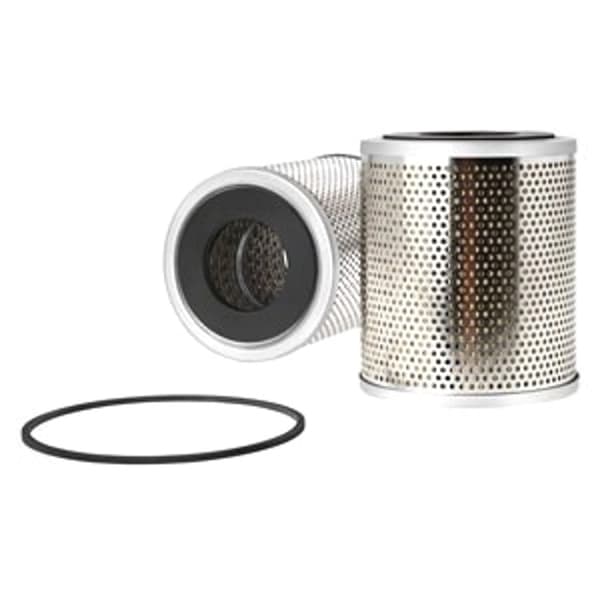
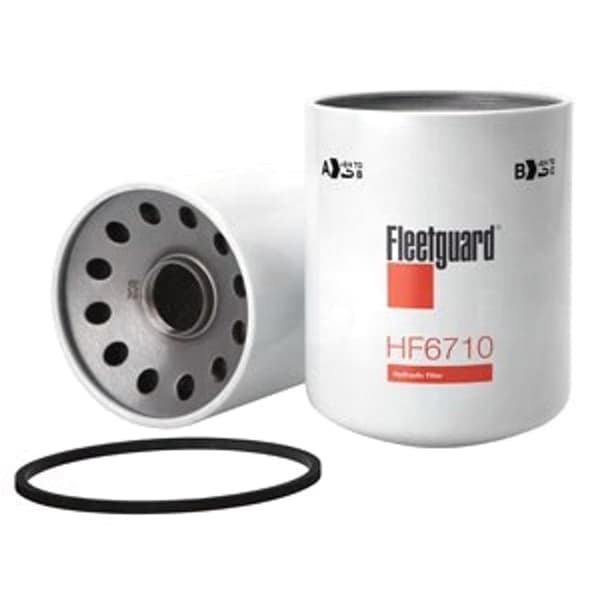
10 parts we recommend — in stock, ships fast, one-click add to cart.
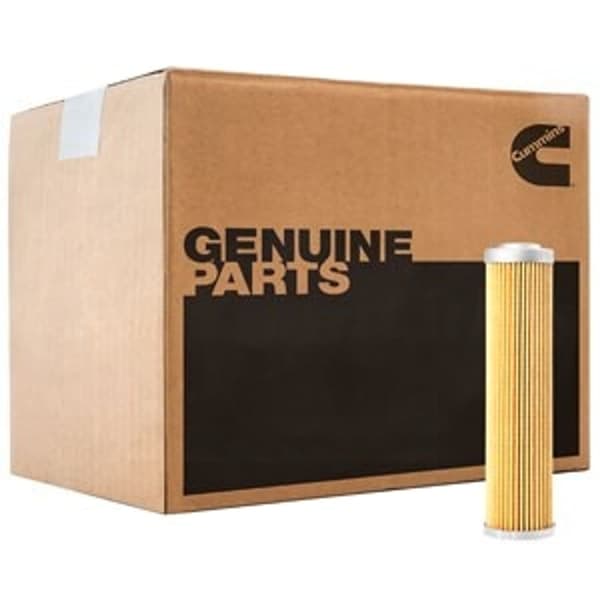
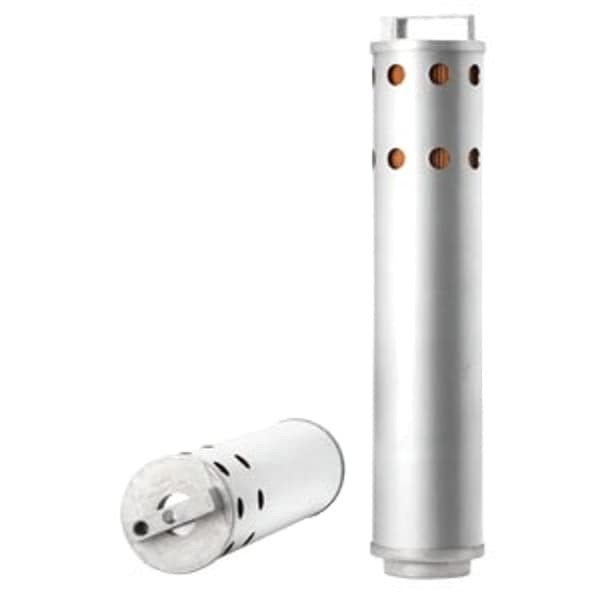
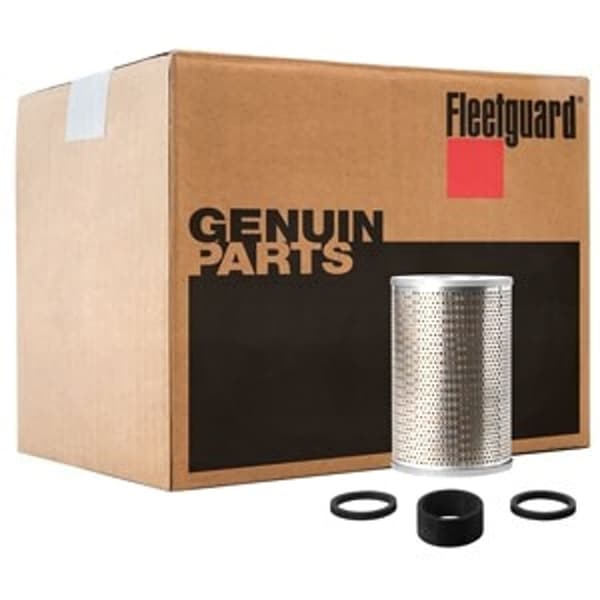
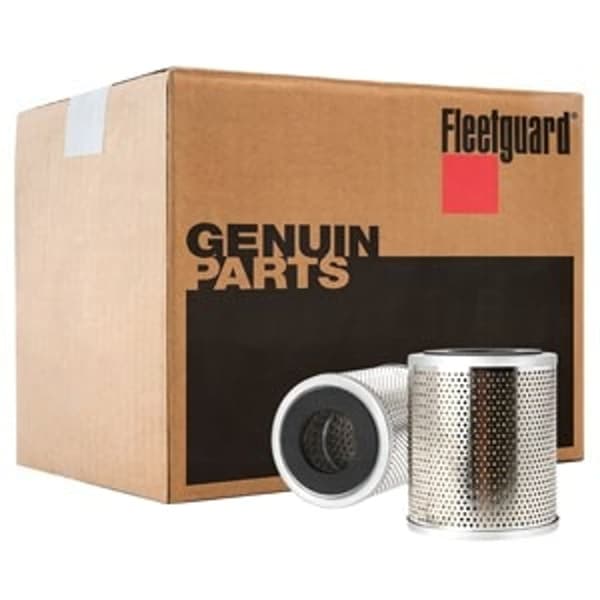
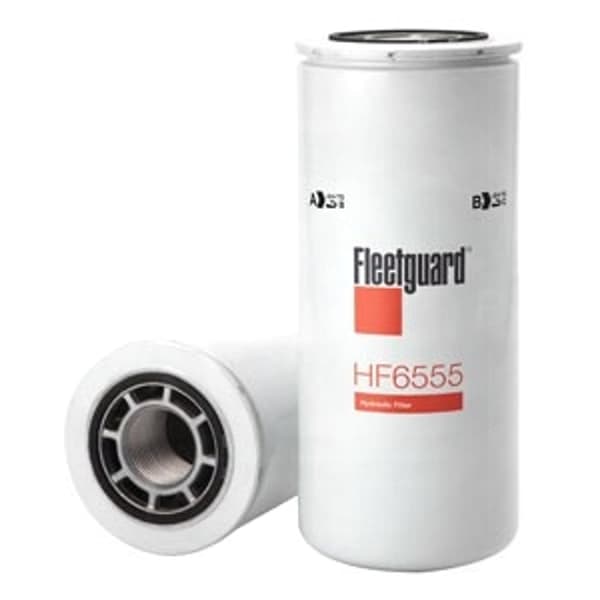
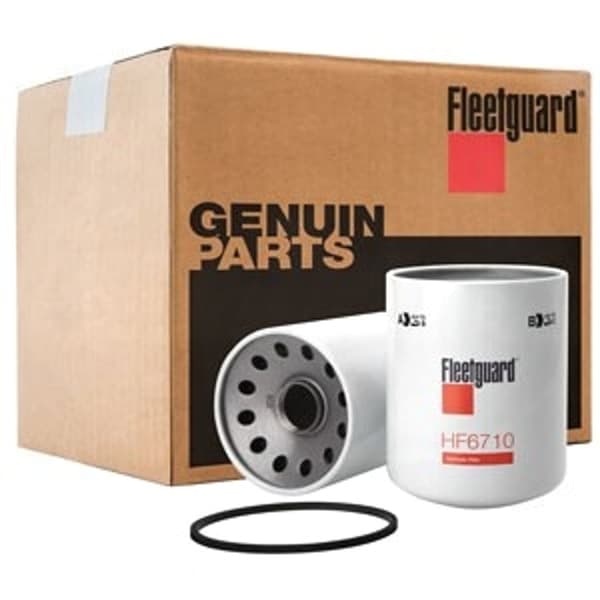
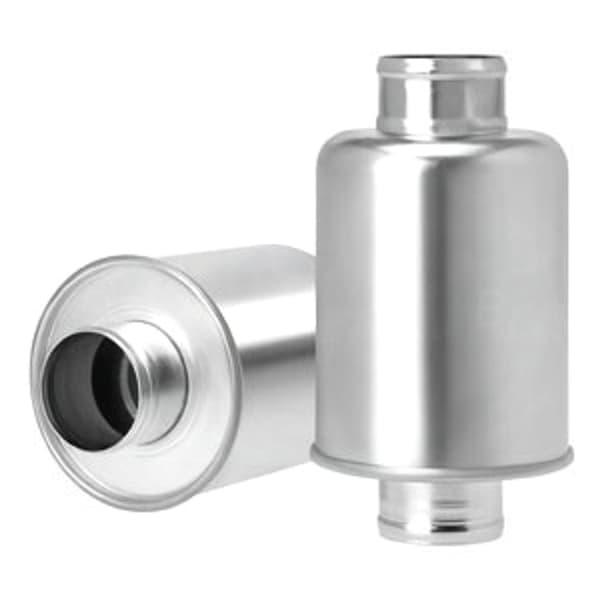
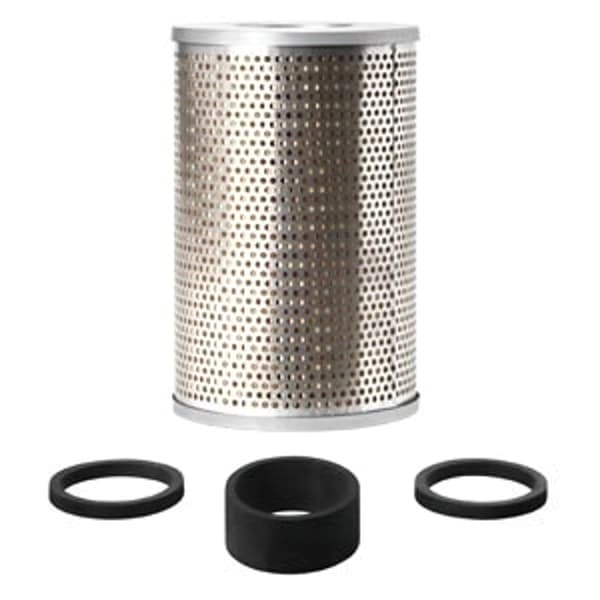
🔍 Looking for a specific part? Try our AI Part Finder — tell it your equipment and what you need, and it will find matching parts instantly.
This guide will help you understand the importance of John Deere hydraulic filters, provide cross-reference information for finding the correct filter for your specific tractor model, and offer practical tips for maintaining your hydraulic system.
We at Madison Tractor Company understand how important it is to have the right parts for your equipment. We carry a wide selection of John Deere parts, including hydraulic filters, radiators, water pumps, starters, alternators, and more. We also supply parts for Case IH, Ford/New Holland, Massey Ferguson, Kubota, Allis Chalmers, Deutz, International Harvester, Oliver, White, Gleaner, Vermeer, Hesston, Mahindra, and Zetor tractors and combines.
Why are John Deere Hydraulic Filters Important?
Hydraulic fluid picks up contaminants as it circulates through the system. These contaminants, such as dirt, metal shavings, and wear particles, can damage sensitive components like hydraulic pumps, valves, and hydraulic cylinders. A hydraulic filter removes these contaminants, preventing wear and tear and extending the life of your hydraulic system.
Ignoring filter maintenance can lead to:
- Reduced hydraulic performance
- Increased wear on hydraulic components
- Overheating
- Complete hydraulic system failure
Finding the Right John Deere hydraulic filter: OEM Cross-Reference Numbers
The most reliable way to ensure you’re using the correct filter is to use the OEM (Original Equipment Manufacturer) part number. Here are some common John Deere hydraulic filter OEM part numbers and the models they fit. This is not an exhaustive list, so always double-check your tractor's manual or with a qualified mechanic.
- A-AL206482: Fits 6105R, 6110M, 6110R, 6115R, 6120M and more. Replacement: AL206482
- A-HF35340: Fits 6105R, 6110M, 6110R, 6115R, 6120M and more. Replacement: AL206482
- A-AM116156: Fits 415, 425, 445, 455. Replacement: AM116156
- A-AM131054: Fits 415, 425, 445, 455. Replacement: AM116156
- A-HF29147: Fits 415, 425, 445, 455. Replacement: AM116156
- A-HF6520: Fits 310, 313, 444, 500, 530 and more. Replacement: B1HOF4209
- K-22002: Fits 310, 313, 444, 500, 530 and more. Replacement: B1HOF4209
- K22002: Fits 310, 313, 444, 500, 530 and more. Replacement: B1HOF4209
John Deere Hydraulic Filter Cross-Reference Table
| John Deere OEM Part Number | Commonly Fits These Models (Example) | Notes |
|---|---|---|
| HF30747 | John Deere 6000 Series Tractors (6100, 6200, 6300, 6400, 6500), 7000 Series Tractors (7600, 7700, 7800) | Check year of manufacture as some models may have variations. This filter often used in the transmission hydraulic system. |
| HF6079J | John Deere 4020, 4030, 4230, 4430, 4630, 8430 | Spin-on filter; common in older models |
| HF30711 | John Deere 5000 Series Tractors (5200, 5300, 5400, 5500) | Used in hydraulic and transmission systems. Check specific year and serial number for compatibility. |
| HF30747 | John Deere 6010 Series, 6020 Series, 7010 Series Tractors | Frequently used in Integrated Hydraulic & Transmission systems |
| LVA16054 | John Deere 3032E, 3038E Compact Tractors | Cartridge style filter. |
Important Note: Always verify the correct part number for your specific tractor model by consulting your operator's manual or a John Deere parts catalog. Many models have variations based on year of manufacture and serial number.
Tips for Using Cross-Reference Numbers
- Start with the OEM part number: If you have the original John Deere part number from your old filter or operator's manual, this is the best starting point.
- Check multiple sources: Confirm the cross-reference information with multiple sources, such as online parts catalogs or your local John Deere dealer.
- Consider filter specifications: If a cross-reference yields multiple options, consider the filter's micron rating (the size of particles it can filter out) and flow rate. Choose a filter that meets or exceeds the original specifications.
John Deere Hydraulic Filter Types
John Deere hydraulic filters come in a few different styles, and understanding the differences will help you choose the correct replacement.
- Spin-on Filters: These are self-contained units that screw onto a filter base. They are easy to replace and are common in older tractors.
- Cartridge Filters: These consist of a filter element that fits inside a housing. When replacing a cartridge filter, you only replace the element, not the entire housing.
- In-Line Filters: These are installed directly in a hydraulic line. They are typically used for specific applications, such as filtering the oil returning from a hydraulic motor.
Hydraulic System Maintenance Tips
Regular hydraulic system maintenance will help keep your John Deere tractor running smoothly and prevent costly repairs. Here are some tips:
- Follow the recommended service intervals: Consult your operator's manual for the recommended hydraulic filter replacement intervals. Generally, replacing the filter every 500 hours or annually is a good practice.
- Use the correct hydraulic fluid: Using the wrong type of hydraulic fluid can damage your hydraulic system. Refer to your operator's manual for the recommended fluid specifications.
- Check the hydraulic fluid level regularly: Low fluid levels can cause cavitation and damage to the hydraulic pump.
- Inspect hydraulic hoses and fittings: Look for leaks, cracks, and wear. Replace any damaged hoses or fittings immediately. Refer to our guide on tractor hydraulic hoses for more information.
- Keep the hydraulic system clean: Prevent dirt and debris from entering the system by cleaning around fill ports and connections before opening them.
When working on hydraulic systems, remember the following safety warnings:
WARNING: Hydraulic fluid under pressure can cause serious injury. Before disconnecting any hydraulic lines, relieve the pressure in the system.
WARNING: Wear safety glasses and gloves when working with hydraulic fluid.
What Happens If You Don't Change Your Hydraulic Filter?
Neglecting hydraulic filter changes can have serious consequences:
- Reduced Hydraulic Performance: A clogged filter restricts fluid flow, leading to slower response times and reduced lifting capacity.
- Component Damage: Contaminants bypass the filter and circulate through the system, causing premature wear and damage to hydraulic pumps, valves, and cylinders. Refer to our guide on John Deere tractor hydraulic pumps for more information on pump maintenance.
- Increased Operating Temperatures: Restricted fluid flow can cause the hydraulic system to overheat, further accelerating wear and tear.
- Complete System Failure: In severe cases, a neglected hydraulic system can fail completely, requiring costly repairs or replacement.
Bleeding the Hydraulic System
After changing the hydraulic filter, it's often necessary to bleed the hydraulic system to remove any trapped air. Consult your tractor's operator's manual for the specific bleeding procedure. Generally, this involves operating the hydraulic functions (steering, lifting, etc.) to circulate the fluid and allow air to escape through bleed valves or vent screws.
Beyond Filters: Other Important Hydraulic Parts
While the hydraulic filter is a crucial component, it's just one part of a larger system. Don't forget to inspect and maintain other hydraulic parts, such as cylinders, hoses, fittings, and the hydraulic pump. We carry a complete range of hydraulic components for all major tractor brands, including Case IH, Ford/New Holland, Massey Ferguson, and Kubota. We also stock clutch kits, PTO parts, fuel pumps, carburetors, injectors, gaskets, pistons, bearings, seals, and more.
Conclusion
Regularly replacing your John Deere hydraulic filter is a simple but essential maintenance task that can significantly extend the life of your tractor's hydraulic system. By using the correct OEM cross-reference numbers and following the maintenance tips in this guide, you can keep your hydraulic system running smoothly and avoid costly repairs. Madison Tractor Company is your one-stop shop for all your tractor parts needs. We offer competitive prices, fast shipping, and expert customer service. Browse our extensive catalog today and get your equipment back in the field!
Shop Hydraulic Filters and More at Madison Tractor Company!
Ready to find the right John Deere hydraulic filter or other parts for your tractor? Visit our website or contact our knowledgeable customer support team today. We're here to help you keep your equipment running at its best. We carry parts for John Deere, Case IH, Ford, New Holland, Massey Ferguson, Kubota, Allis Chalmers, Deutz, International Harvester, Oliver, White, Gleaner, Vermeer, Hesston, Mahindra, and Zetor.
🔍 Can't Find Your Part?
Use our AI-Powered Part Finder to search by your equipment's make, model, and what you need. It's the fastest way to find the exact part for your machine.
Try the Part Finder →Part of our comprehensive guide
Tractor Hydraulic System Guide: Pumps, Cylinders & Troubleshooting