








Tractor Hydraulic Quick Couplers: Flat Face & Pioneer
Hydraulic quick couplers are essential for connecting implements to your tractor's hydraulic system. This guide explains the differences between flat face and Pioneer couplers, helping you choose the right ones for your needs and maintain a leak-free system.
Understanding Tractor hydraulic quick couplers
Tractor hydraulic quick couplers are the unsung heroes of efficient farm work. They allow you to quickly and easily connect and disconnect hydraulic hoses between your tractor and implements like loaders, mowers, balers, and more. Without them, you'd be spending valuable time wrestling with wrenches and making a mess with hydraulic fluid.
Recommended Parts for This Guide
2 parts we recommend — in stock, ships fast, one-click add to cart.
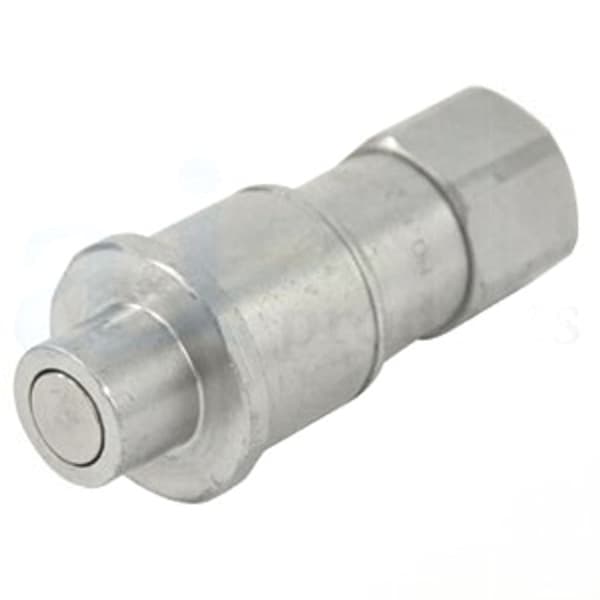
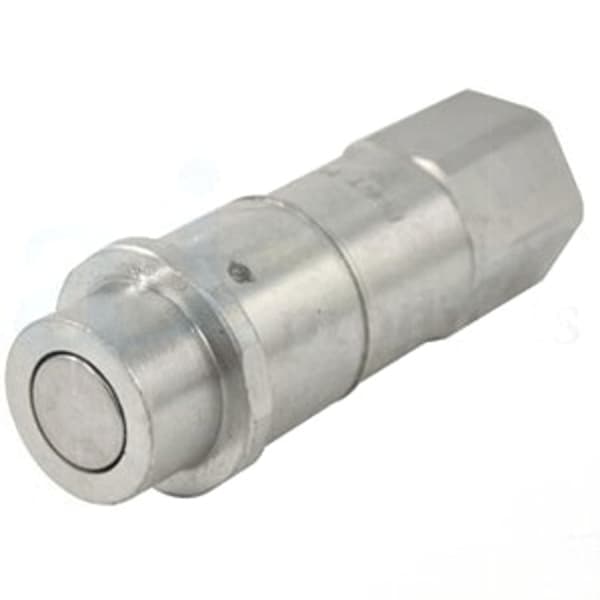
🔍 Looking for a specific part? Try our AI Part Finder — tell it your equipment and what you need, and it will find matching parts instantly.
At Madison Tractor Company, we understand the importance of having the right hydraulic components for your equipment. Whether you're working on a John Deere, Case IH, Ford, New Holland, Massey Ferguson, Kubota, or any other major brand, having reliable quick couplers is crucial.
This guide will walk you through the two main types of tractor hydraulic quick couplers: flat face and Pioneer (also known as ISO 5675 or AG style) couplers. We'll discuss their differences, advantages, and disadvantages to help you make the best choice for your farm.
Pioneer (AG Style) Hydraulic Quick Couplers
Pioneer-style couplers are the most common type found on older tractors and implements. They feature a ball check valve that seals when disconnected. Here's what you need to know:
Advantages of Pioneer Couplers
- Lower Cost: Pioneer couplers are generally less expensive than flat face couplers.
- Wide Availability: Because they've been around for a long time, Pioneer couplers are readily available at most farm supply stores. We stock a wide range of Pioneer style couplers at Madison Tractor Company.
- Easy to Connect/Disconnect: The ball check valve design makes them relatively easy to connect and disconnect, even with some residual pressure in the lines.
Disadvantages of Pioneer Couplers
- Leakage: The ball check valve design is more prone to leakage, especially over time as the seals wear. This can lead to messy drips and loss of hydraulic fluid.
- Dirt Ingress: The exposed ball check valve is susceptible to dirt and debris entering the hydraulic system, which can cause damage to components like the tractor hydraulic pump, cylinders, and valves. Consider using protective caps when the couplers are not in use.
- Pressure Spikes: Disconnecting under pressure can create pressure spikes in the system, potentially damaging seals and hoses.
Pioneer Coupler Compatibility
Pioneer couplers are generally interchangeable within the same size. However, it's crucial to ensure you're using the correct size and thread type (NPT or ORB). Most agricultural applications use ½” Pioneer couplers. For example, a common Pioneer coupler body would be a ½” NPT male. Check your equipment's specifications to determine the correct size and thread type.
Flat Face Hydraulic Quick Couplers
Flat face couplers are becoming increasingly popular due to their superior performance and cleaner operation. They feature a flat mating surface with a valve that seals flush with the surface, preventing leaks and minimizing dirt ingress.
Advantages of Flat Face Couplers
- Leak-Free Operation: The flat mating surface provides a superior seal, virtually eliminating leaks and keeping your equipment and work area clean.
- Reduced Dirt Ingress: The flush valve design prevents dirt and debris from entering the hydraulic system, extending the life of your hydraulic components.
- Easy to Clean: The flat surface is easy to wipe clean before connecting, further minimizing the risk of contamination.
- Lower Pressure Drop: Flat face couplers typically have a lower pressure drop than Pioneer couplers, improving hydraulic system efficiency.
Disadvantages of Flat Face Couplers
- Higher Cost: Flat face couplers are generally more expensive than Pioneer couplers.
- Lower Availability: While becoming more common, flat face couplers may not be as readily available at all farm supply stores, although Madison Tractor Company stocks a good selection.
- Requires a Clean Connection: Because the sealing surface is flat, any dirt or debris present can compromise the seal and cause leaks. Ensure the mating surfaces are clean before connecting.
Flat Face Coupler Compatibility
Flat face couplers are NOT universally interchangeable. Different manufacturers use slightly different designs, so it's essential to use couplers from the same manufacturer or ensure they are specifically designed to be interchangeable. ISO 16028 is a common standard for flat face couplers, but always verify compatibility before connecting.
Choosing the Right Coupler for Your Needs
The best type of tractor hydraulic quick coupler for your application depends on several factors:
- Budget: If cost is a primary concern, Pioneer couplers are the more economical choice.
- Leakage Concerns: If you're tired of hydraulic leaks and want a cleaner operation, flat face couplers are the way to go.
- Dirt Contamination: If you operate in a dusty environment, flat face couplers offer better protection against dirt ingress.
- Existing Equipment: If your tractor and implements already have Pioneer couplers, it may be more cost-effective to stick with that type. However, you could consider converting to flat face couplers over time.
- Hydraulic System Demands: For high-flow or high-pressure applications, flat face couplers often provide better performance due to their lower pressure drop.
For example, if you are running a high-demand hydraulic motor on a Vermeer baler or Hesston swather, then upgrading to flat face couplers may greatly improve performance.
Maintaining Your Hydraulic Quick Couplers
Proper maintenance is essential to ensure the longevity and reliability of your hydraulic quick couplers:
- Keep them Clean: Always wipe the mating surfaces clean before connecting to prevent dirt and debris from entering the hydraulic system.
- Use Protective Caps: When the couplers are not in use, install protective caps to prevent dirt and moisture from entering.
- Inspect Regularly: Inspect the couplers regularly for signs of wear or damage, such as cracks, leaks, or corrosion. Replace worn or damaged couplers immediately.
- Lubricate: Periodically lubricate the moving parts of the couplers with a light oil or grease to ensure smooth operation.
- Relieve Pressure: Before disconnecting, relieve the pressure in the hydraulic lines to prevent spills and make disconnection easier. On many tractors, gently moving the hydraulic lever back and forth with the engine off will accomplish this.
Troubleshooting Common Issues
Here are some common problems you might encounter with tractor hydraulic quick couplers and how to troubleshoot them:
- Coupler Won't Connect: Check for pressure in the lines. Relieve the pressure as described above. Also, inspect the coupler for damage or obstructions.
- Coupler Leaks: Clean the mating surfaces. If the leak persists, replace the coupler seals or the entire coupler.
- Coupler is Difficult to Connect or Disconnect: Lubricate the moving parts of the coupler. If the problem persists, the coupler may be damaged and need to be replaced.
- Low Hydraulic Flow: Check for obstructions in the coupler or hydraulic lines. A damaged or partially blocked coupler can restrict flow. This could also be an indicator of a larger problem, like a failing tractor hydraulic cylinder or other component.
Hydraulic Fluid Considerations
Using the correct hydraulic fluid is crucial for the performance and longevity of your hydraulic system. Refer to your tractor's owner's manual for the recommended fluid type. Using the wrong fluid can cause damage to seals, hoses, and other hydraulic components.
Also be aware that contamination of the hydraulic fluid is a major cause of hydraulic system problems. Always use clean containers and funnels when adding or changing hydraulic fluid. Consider installing a tractor hydraulic filter to remove contaminants from the fluid.
Remember to check your hydraulic fluid levels regularly. Low fluid levels can cause cavitation and damage to the hydraulic pump and other components. For information about hydraulic pumps, see our article on John Deere hydraulic pumps or Ford tractor hydraulic pumps. If you're working on a Massey Ferguson 135, be sure to check your fluid levels regularly and inspect all hydraulic hoses. Madison Tractor Company stocks all the filters and hoses you might need.
Safety First!
WARNING: Hydraulic fluid under pressure can cause serious injury. Before working on any hydraulic system, relieve the pressure and disconnect the power source. Wear appropriate personal protective equipment, including safety glasses and gloves. If hydraulic fluid penetrates the skin, seek immediate medical attention.
CAUTION: Always follow the manufacturer's recommendations for torque specifications when installing or tightening hydraulic fittings. Overtightening can damage the fittings and cause leaks. Also, be sure to use the correct size wrench to avoid rounding off the corners of the fittings.
Shop Hydraulic Parts at Madison Tractor Company
At Madison Tractor Company, we carry a wide selection of tractor hydraulic quick couplers, hoses, cylinders, and other hydraulic components for all major brands, including John Deere, Case IH, Ford, New Holland, Massey Ferguson, and Kubota. We also stock a complete line of tractor parts, including radiators, water pumps, starters, alternators, clutch kits, PTO parts, fuel pumps, carburetors, injectors, filters, gaskets, pistons, bearings, seals, and belts.
Our knowledgeable staff is here to help you find the right parts for your needs. Shop online or contact us today for assistance. We are committed to providing you with the highest quality parts and exceptional customer service. You can also use our AI-Powered Part Finder to search for parts by your specific make and model.
Part of our comprehensive guide
Tractor Hydraulic System Guide: Pumps, Cylinders & Troubleshooting