








Tractor Front End Loader Valve: Joystick & Control
A properly functioning tractor loader valve is crucial for efficient operation. This guide covers everything from diagnosing common problems to choosing the right replacement or upgrade, ensuring your tractor loader operates smoothly and reliably.
Understanding Your Tractor Loader Valve
The tractor loader valve, also known as a control valve or joystick valve, is the heart of your tractor's front-end loader system. It directs hydraulic fluid to the cylinders that control the loader's boom and bucket, allowing you to lift, lower, and tilt with precision. A malfunctioning valve can lead to reduced performance, jerky movements, or even complete failure of the loader. Whether you're operating a John Deere, Case IH, Ford, New Holland, Massey Ferguson, or Kubota tractor, understanding your loader valve is crucial for efficient operation and timely maintenance.
Recommended Parts for This Guide
9 parts we recommend — in stock, ships fast, one-click add to cart.
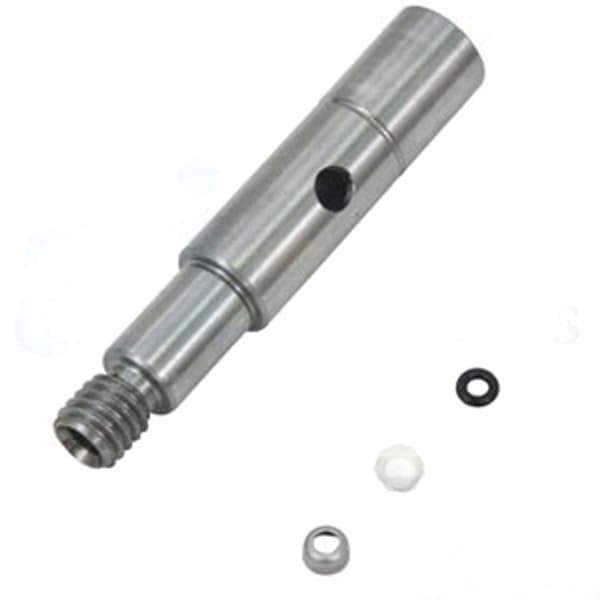
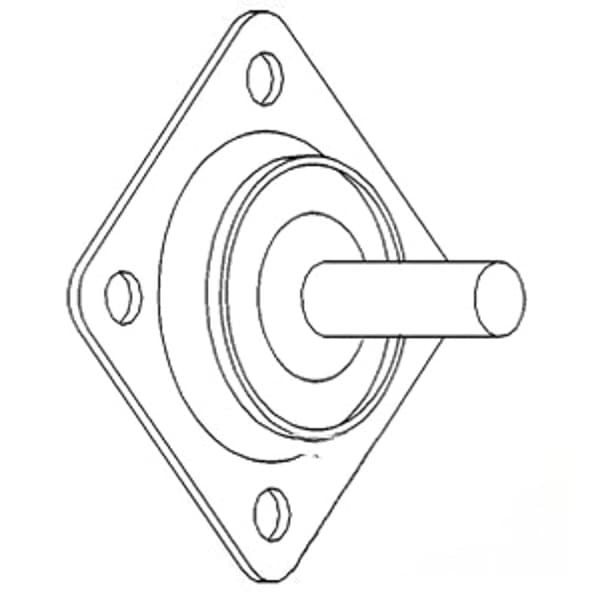
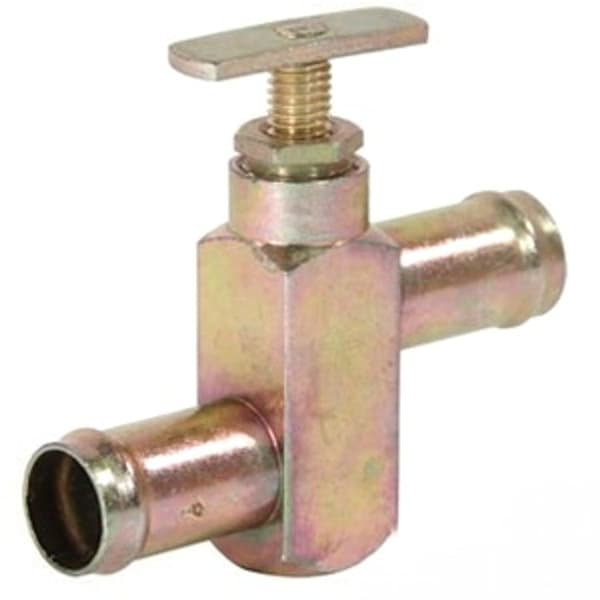
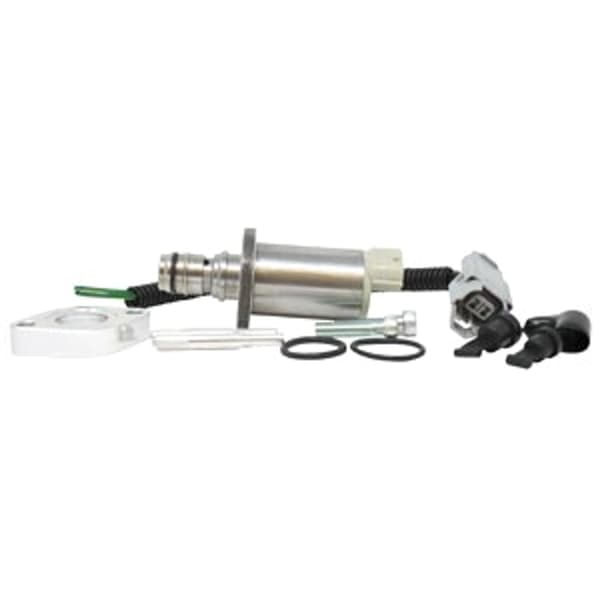
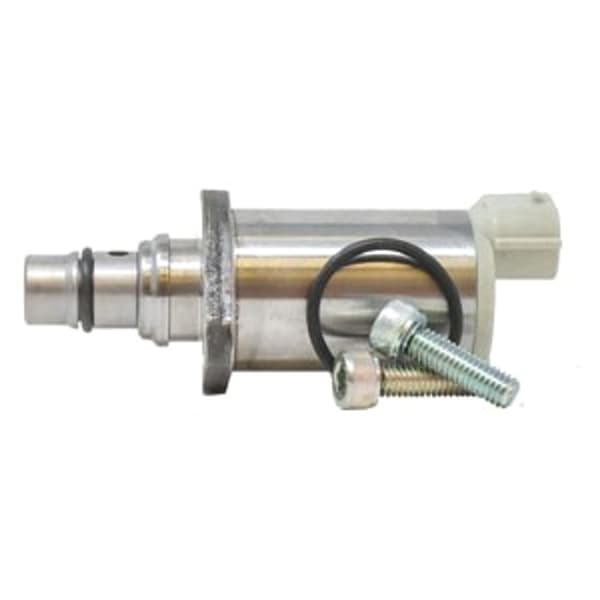
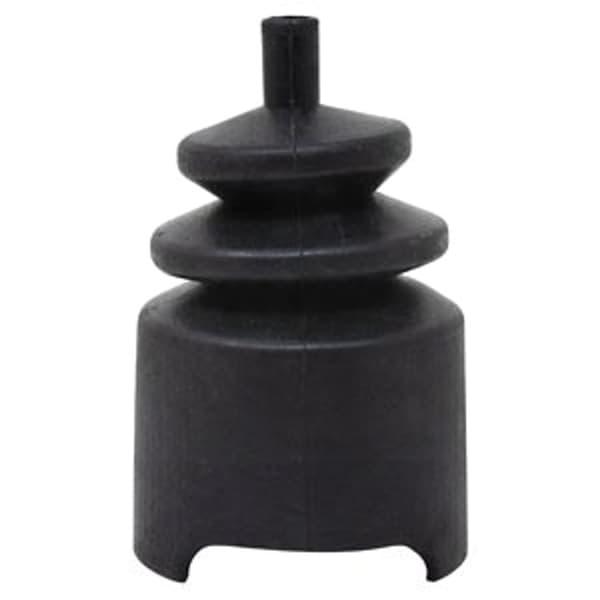
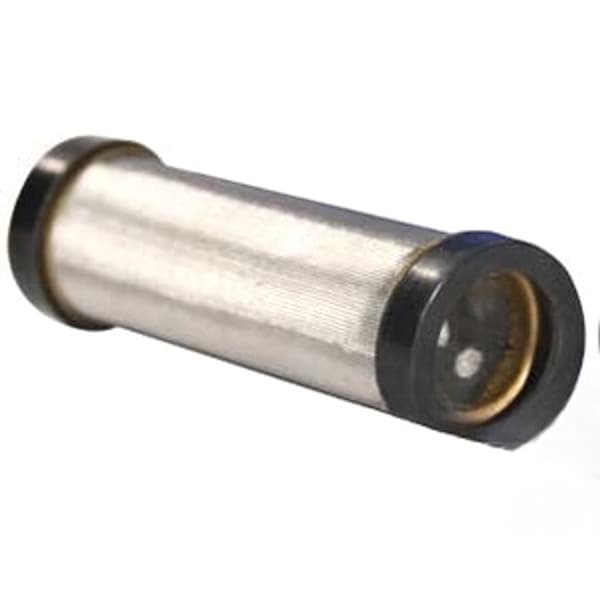
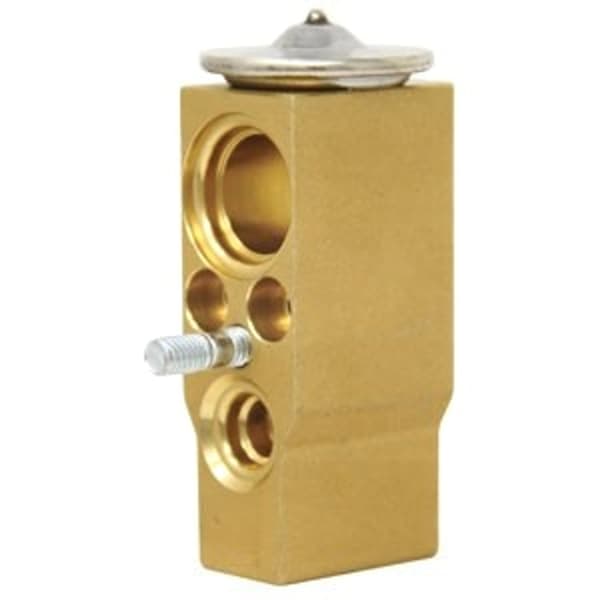
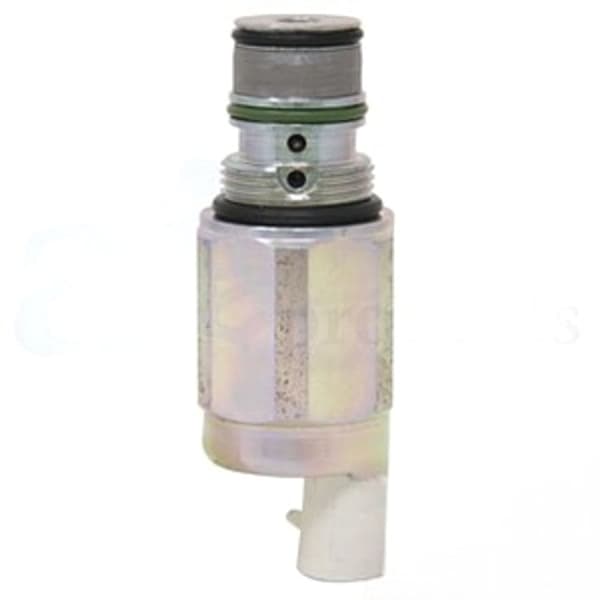
🔍 Looking for a specific part? Try our AI Part Finder — tell it your equipment and what you need, and it will find matching parts instantly.
Like the John Deere hydraulic pump or a Ford tractor hydraulic pump, your loader valve depends on a healthy hydraulic system to function correctly. Make sure you check your hydraulic oil level and filter regularly. Don't forget your tractor hydraulic filter!
Common Problems with Tractor Loader Valves
Several issues can plague tractor loader valves, affecting their performance. Here's a breakdown of the most common problems:
- Leaks: External leaks are often caused by worn seals or O-rings. Internal leaks can cause slow or weak loader operation.
- Slow or Jerky Operation: This can be due to low hydraulic pressure, air in the system, a partially blocked valve, or worn internal components.
- Sticking or Binding: Dirt, debris, or corrosion can cause the valve spool to stick, making it difficult to operate.
- Complete Failure: Catastrophic failure can occur due to internal damage, often requiring valve replacement.
- Overheating: Excessive heat can damage seals and other internal components, leading to premature failure. Ensuring the radiator is clean and the cooling system is functioning properly is also important for overall hydraulic system health.
Troubleshooting Your Tractor Loader Valve
Before assuming the valve is the problem, rule out other potential causes, such as low hydraulic fluid, a faulty hydraulic pump, or damaged cylinders. Start with these steps:
- Visual Inspection: Check for external leaks, damaged hoses, and any obvious signs of wear or damage, such as a worn boot for a mid-mount selective control valve.
- Hydraulic Fluid Level: Ensure the hydraulic fluid is at the correct level. Low fluid can cause cavitation and reduced performance.
- Hydraulic Pressure Test: Use a pressure gauge to check the hydraulic pressure at the test ports on the valve. Compare the readings to the specifications in your tractor's service manual. A low reading could indicate a problem with the hydraulic pump or a blockage in the system.
- Cylinder Inspection: Inspect the tractor hydraulic cylinder seals for leaks. A leaking cylinder will cause slow or weak operation.
- Valve Operation Test: With the engine running, carefully operate the loader controls. Note any unusual noises, jerky movements, or lack of response.
Safety Warning: Always relieve hydraulic pressure before disconnecting any hydraulic lines. Hydraulic fluid under pressure can cause serious injury.
Repairing Your Tractor Loader Valve
Minor issues, such as external leaks, can often be repaired by replacing O-rings or seals. Replacement seal kits are often available for specific valve models. However, more complex repairs may require specialized tools and expertise. If you're not comfortable working on hydraulic systems, it's best to take your tractor to a qualified mechanic.
Here are some general repair steps:
- Disassembly: Carefully disassemble the valve, noting the location of all components. Take pictures as you go to aid in reassembly.
- Cleaning: Clean all parts thoroughly with a solvent to remove dirt and debris.
- Inspection: Inspect all components for wear, damage, or corrosion. Replace any worn or damaged actuators, diaphragms, O-rings, or seals.
- Reassembly: Reassemble the valve, using new O-rings and seals. Lubricate all moving parts with hydraulic fluid.
- Testing: After reassembly, test the valve to ensure it's functioning properly. Check for leaks and smooth operation.
Replacing Your Tractor Loader Valve
If your loader valve is severely damaged or worn, replacement may be the most cost-effective option. When choosing a replacement valve, consider the following:
- Flow Rate: The valve's flow rate must match the hydraulic pump's output. A valve with a lower flow rate than the pump will restrict performance.
- Pressure Rating: The valve's pressure rating must be equal to or greater than the hydraulic system's operating pressure.
- Spool Configuration: Choose a valve with the correct spool configuration for your loader's functions (e.g., 2-spool, 3-spool).
- Mounting: Ensure the valve has the correct mounting configuration for your tractor.
Madison Tractor Company carries a wide selection of tractor loader valves for various makes and models, including John Deere, Case IH, Ford/New Holland, Massey Ferguson, Kubota, and more. This includes various types of control valves to suit your specific needs. Be sure to have your tractor's model number and year of manufacture when ordering a replacement valve. You may also need to know the original OEM part number (e.g., a Case IH part number for your Case IH hydraulic pump system) to find a compatible replacement. Some common manufacturers include Prince, Gresen, and Permco.
Example: A John Deere 4020 might use a valve with a specific flow rate and pressure rating. Consult your John Deere service manual for the correct specifications.
Upgrading Your Tractor Loader Valve
Upgrading your loader valve can improve performance and add functionality. Some common upgrades include:
- Higher Flow Valve: A higher flow valve can increase loader speed and lifting capacity, especially on older tractors with limited hydraulic capacity.
- Electric Detent Valve: An electric detent valve allows you to lock the loader in a specific position, freeing up your hands for other tasks.
- 3rd Function Valve: Adding a 3rd function valve allows you to operate additional hydraulic attachments, such as grapples or snow pushers.
Hydraulic Hoses and Fittings
When replacing or upgrading your loader valve, it's also a good idea to inspect your hydraulic hoses and fittings. Damaged or worn hoses can leak, reducing performance and creating a safety hazard. Make sure you use hoses and fittings that are rated for the hydraulic system's operating pressure. Reference our tractor hydraulic hose guide to ensure you have the correct size and fittings.
Madison Tractor Company offers a wide selection of hydraulic hoses, fittings, and other hydraulic components to keep your tractor running smoothly. We carry parts for Allis Chalmers, Deutz, International Harvester, Oliver, White, Gleaner, Vermeer, Hesston, Mahindra, and Zetor, in addition to the brands listed above.
Remember, a well-maintained hydraulic system is crucial for the overall performance and longevity of your tractor. Regularly inspect and maintain all components, including the hydraulic pump, cylinders, hoses, and valve.
Shop Tractor Parts at Madison Tractor Company
At Madison Tractor Company, we're committed to providing high-quality parts and exceptional customer service. Whether you need a new tractor loader valve, a water pump, fuel pump, starter, clutch kit, or any other tractor part, we have you covered. Browse our extensive online catalog or contact our knowledgeable team for assistance in finding the right parts for your tractor or combine today! You can also use our AI-Powered Part Finder to search for parts by your specific make and model.
Part of our comprehensive guide
Tractor Hydraulic System Guide: Pumps, Cylinders & Troubleshooting