








John Deere Steering Cylinder: Power Steering Parts
A faulty steering cylinder can make operating your John Deere tractor a real chore. This guide walks you through diagnosing problems, understanding cylinder types, and finding the right replacement parts to get you back on track.
Introduction to John Deere Steering Cylinders
Power steering is essential for efficient operation of most modern tractors and agricultural equipment. A key component of that system is the steering cylinder, also known as a power steering cylinder. This hydraulic cylinder translates the movement of the steering wheel into the force needed to turn the front wheels. When a john deere steering cylinder fails, steering becomes difficult, imprecise, or even impossible.
Recommended Parts for This Guide
10 parts we recommend — in stock, ships fast, one-click add to cart.
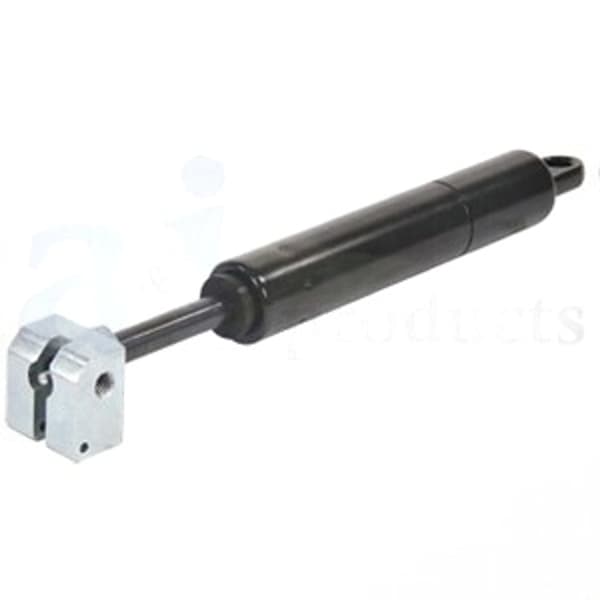
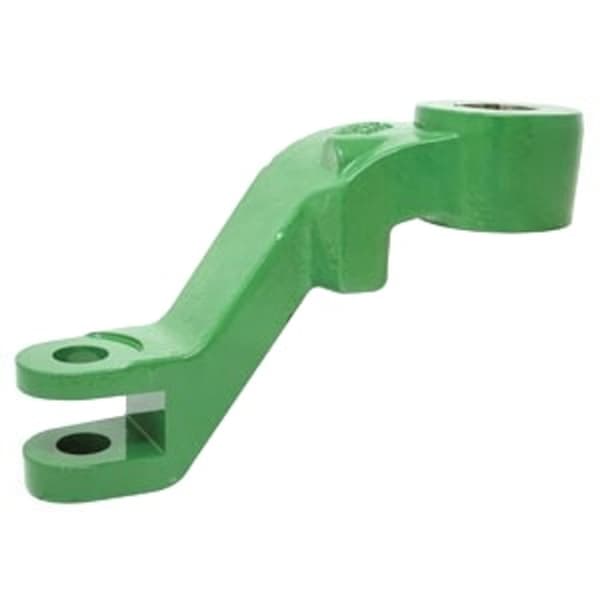
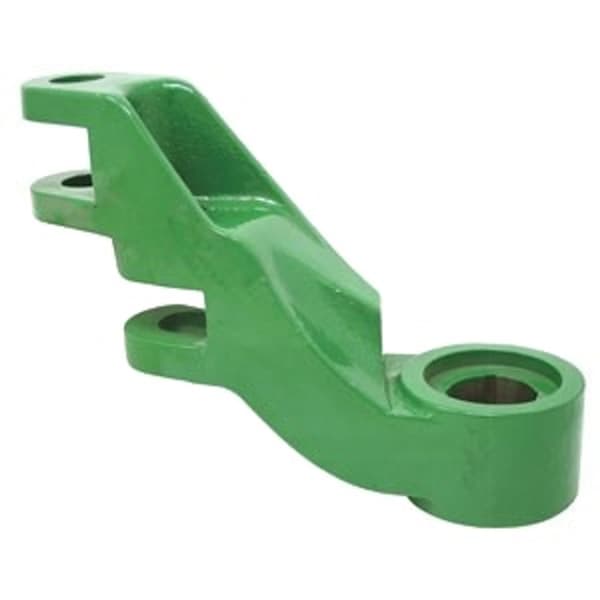
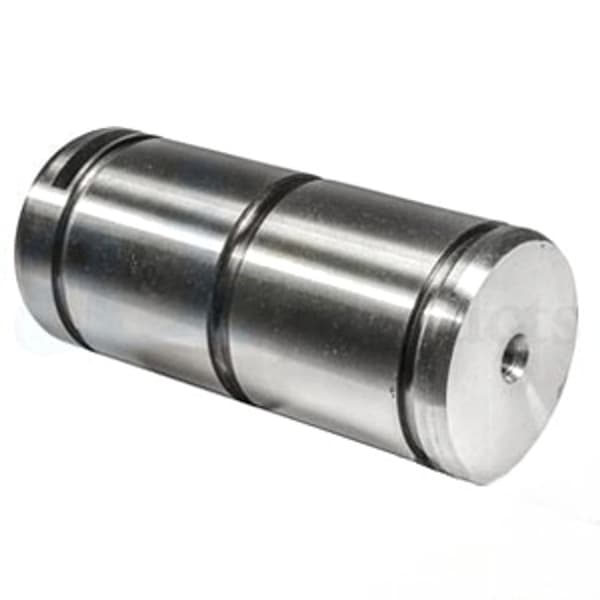
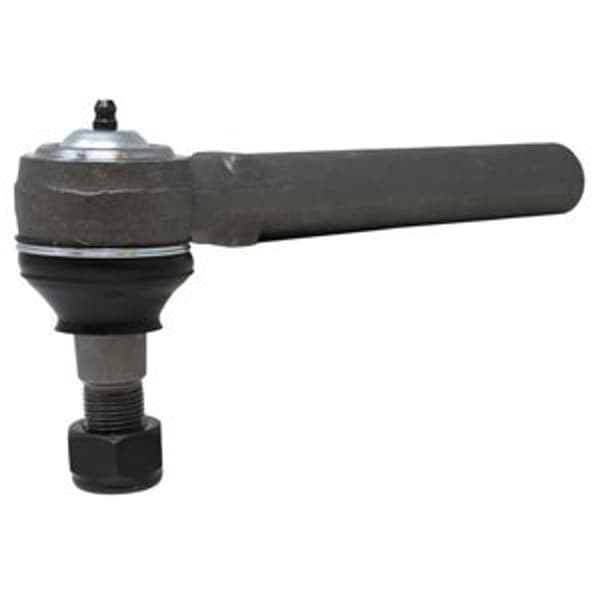
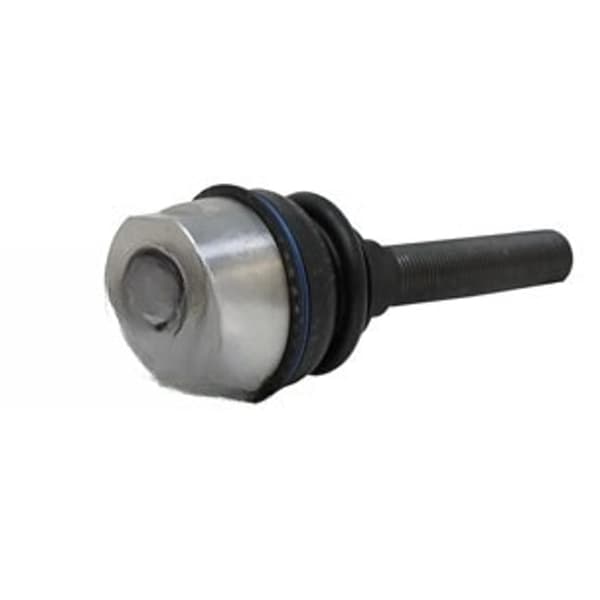
🔍 Looking for a specific part? Try our AI Part Finder — tell it your equipment and what you need, and it will find matching parts instantly.
At Madison Tractor Company, we understand the importance of keeping your equipment running smoothly. This article will guide you through understanding John Deere steering cylinders, diagnosing common problems finding the right replacement parts for your machine. We carry steering cylinders and related parts for a wide range of brands, including John Deere, Case IH, Ford, New Holland, Massey Ferguson, Kubota, Allis Chalmers, Deutz, International Harvester, Oliver, White, Gleaner, Vermeer, Hesston, Mahindra Zetor.
Understanding Steering Cylinder Types
John Deere uses various types of steering cylinders depending on the tractor model and year. Here are the most common types
- Single-Acting Cylinder These cylinders apply force in only one direction. A spring or other mechanism returns the cylinder to its original position. Commonly found on older or smaller tractors.
- Double-Acting Cylinder These cylinders apply force in both directions (extend and retract). They are more common on larger and more modern tractors.
- Integral Steering Cylinder This type of cylinder is built directly into the steering gear housing. They often require replacement of the entire steering gear assembly.
- Remote Steering Cylinder These cylinders are mounted separately from the steering gear and connected by hydraulic lines. They are easier to replace than integral cylinders.
Common Steering Cylinder Problems
Several issues can cause a john deere steering cylinder to fail. Here are some common symptoms and their potential causes
- Difficulty Steering This can be caused by low hydraulic fluid, a worn john deere hydraulic pump (check out our article on John Deere Tractor Hydraulic Pump: OEM Part Numbers for more information), a leaking cylinder, or a worn steering gear.
- Steering Wheel Jerking or Binding This can be due to air in the hydraulic system, a bent cylinder rod, or internal cylinder damage.
- Leaking Hydraulic Fluid Leaks are usually caused by worn or damaged cylinder seals. Locate the source of the leak to determine which seals need replacement. Always check your Tractor Hydraulic Filter to ensure it is clean and functioning correctly, as debris can damage seals.
- Uneven Steering The tractor steers easier in one direction than the other. This could indicate a problem with one side of the cylinder or the steering valve.
Diagnosing Steering Cylinder Issues
Before replacing your john deere steering cylinder, it's important to properly diagnose the problem. Here's a step-by-step approach
- Check Hydraulic Fluid Level Ensure the hydraulic reservoir is filled to the correct level. Low fluid can cause steering problems. Refer to your John Deere operator's manual for the correct fluid type and capacity.
- Inspect for Leaks Carefully examine the steering cylinder, hydraulic lines fittings for any signs of leakage. Look for wet spots or oil residue. A leaking tractor hydraulic hose will need to be replaced as well.
- Check for Air in the System Air can cause spongy or erratic steering. Bleed the hydraulic system according to your tractor's manual.
- Visually Inspect the Cylinder Check the cylinder rod for bends, dents, or corrosion. A damaged rod can damage the cylinder seals.
- Perform a Stall Test With the engine running and the wheels off the ground, try to turn the steering wheel to its full lock position. Hold it there briefly and listen for excessive noise from the hydraulic pump. If the pump is excessively noisy or the steering feels weak, it may indicate a pump or cylinder issue.
- Pressure Test Use a hydraulic pressure gauge to check the pressure at the steering cylinder. Compare the readings to the specifications in your John Deere service manual. Low pressure indicates a pump or valve problem; high pressure could suggest a blockage.
Safety Warning Hydraulic systems operate under high pressure. Always relieve pressure before disconnecting any lines or components. Wear safety glasses and gloves to protect yourself from hydraulic fluid.
Steering Cylinder Repair vs. Replacement
In some cases, a leaking john deere steering cylinder can be repaired by replacing the seals. Seal kits are available for many John Deere models. However, if the cylinder rod is bent or damaged, or if the cylinder bore is scored, replacement is usually the best option. Weigh the cost of a seal kit and your labor time against the cost of a new cylinder. For older tractors, finding a reliable replacement may be more cost-effective in the long run.
Finding the Right Replacement Cylinder
The most accurate way to find the correct replacement john deere steering cylinder is to identify the original OEM part number. This number can usually be found in your John Deere parts catalog or stamped on the cylinder itself. Some common OEM part numbers. If you can't find the OEM number, provide your tractor's model and serial number to your parts supplier (like us at Madison Tractor) to ensure you get the right part.
We also offer aftermarket replacement cylinders that meet or exceed OEM specifications. These can be a cost-effective alternative to genuine John Deere parts. When choosing an aftermarket cylinder, make sure it is designed for your specific tractor model and has the correct stroke length and mounting configuration. We stock hydraulic cylinders for many tractor brands. If you're looking for a Case IH Hydraulic Pump or steering cylinder, we can help with that. Or maybe you need a cylinder for your Massey Ferguson Hydraulic Pump. We have you covered.
Replacing a Steering Cylinder: Step-by-Step Guide
Replacing a john deere steering cylinder is a straightforward task for most experienced mechanics. Here's a general guide
- Park the Tractor Safely Park the tractor on a level surface, engage the parking brake shut off the engine. Allow the engine and hydraulic system to cool down.
- Relieve Hydraulic Pressure Consult your operator's manual for the proper procedure to relieve hydraulic pressure.
- Disconnect Hydraulic Lines Carefully disconnect the hydraulic lines from the cylinder. Use a wrench to loosen the fittings and catch any fluid that spills. Label the lines to ensure proper reconnection.
- Remove Mounting Hardware Remove the bolts or pins that secure the cylinder to the tractor. You may need to use a penetrating oil to loosen corroded fasteners.
- Remove the Old Cylinder Carefully remove the old cylinder from the tractor.
- Install the New Cylinder Install the new cylinder in the reverse order of removal. Ensure the cylinder is properly aligned and the mounting hardware is securely fastened.
- Reconnect Hydraulic Lines Reconnect the hydraulic lines to the cylinder, ensuring they are properly tightened.
- Bleed the Hydraulic System Bleed the hydraulic system according to your tractor's manual to remove any air.
- Check for Leaks Start the engine and check for leaks around the cylinder and hydraulic lines.
- Test the Steering Test the steering to ensure it is operating smoothly and correctly.
Torque Specifications Refer to your John Deere service manual for the correct torque specifications for the cylinder mounting hardware and hydraulic fittings. Using the correct torque is essential to prevent leaks and ensure the cylinder is securely mounted.
Preventative Maintenance
Regular maintenance can help extend the life of your john deere steering cylinder. Here are some tips
- Keep Hydraulic Fluid Clean Change the hydraulic fluid and filter at the intervals recommended in your operator's manual. Contaminated fluid can damage cylinder seals and other hydraulic components. Use the correct tractor hydraulic filter for your machine.
- Inspect Regularly Regularly inspect the steering cylinder and hydraulic lines for leaks, damage, or wear.
- Lubricate Moving Parts Lubricate the cylinder rod and mounting points as recommended in your service manual.
- Protect from Corrosion Protect the cylinder from corrosion by applying a coat of grease or paint to exposed surfaces.
Conclusion
A properly functioning john deere steering cylinder is crucial for safe and efficient operation of your tractor. By understanding the different types of cylinders, diagnosing common problems following the steps outlined in this guide, you can keep your steering system in top condition. Whether you need a replacement cylinder, a seal kit, or other hydraulic parts, Madison Tractor Company is here to help.
At Madison Tractor Company, we stock a huge range of tractor parts. Everything from radiators, water pumps, starters and alternators, to clutch kits, PTO parts, fuel pumps and carburetors. We also carry injectors, filters, gaskets, pistons, bearings, seals, belts, chains, concaves sickle sections. If you need it, we probably carry it!
Shop John Deere Steering Cylinders at Madison Tractor
Ready to get your John Deere back in action? Browse our selection of John Deere parts, including steering cylinders, seal kits hydraulic components. Our knowledgeable staff is available to answer your questions and help you find the right parts for your tractor. Contact us today and experience the Madison Tractor Company difference! You can also use our AI-Powered Part Finder to search for parts by your specific make and model.
Part of our comprehensive guide
Tractor Hydraulic System Guide: Pumps, Cylinders & Troubleshooting