








John Deere Remote Hydraulic Kit: Add Rear Remotes
Adding remote hydraulics to your John Deere tractor can greatly increase its versatility. This guide covers everything you need to know, from choosing the right kit to installation tips and troubleshooting.
Many older John Deere tractors, or even newer models configured for specific tasks, may lack the rear remote hydraulic outlets needed for operating modern implements. Adding a John Deere remote hydraulics kit can significantly expand your tractor's capabilities, allowing you to run hydraulic cylinders on planters, balers, mowers, and other essential farm equipment. At Madison Tractor, we understand the importance of having the right hydraulic power at your fingertips. This guide will walk you through the process of selecting, installing, and maintaining remote hydraulic systems on your John Deere tractor.
Recommended Parts for This Guide
9 parts we recommend — in stock, ships fast, one-click add to cart.
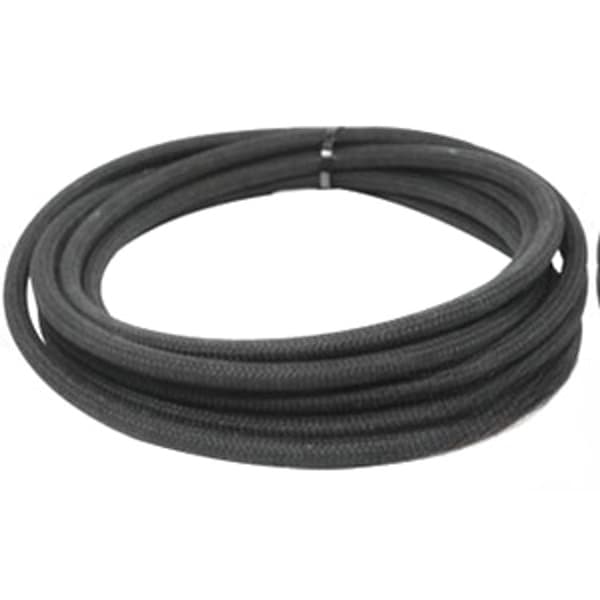
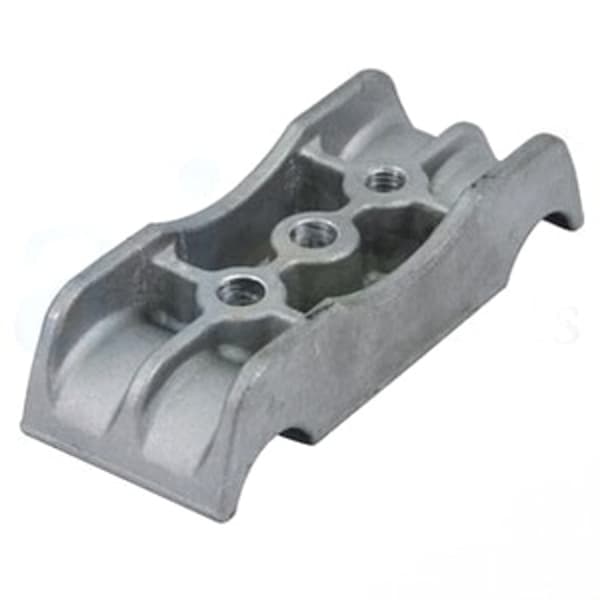
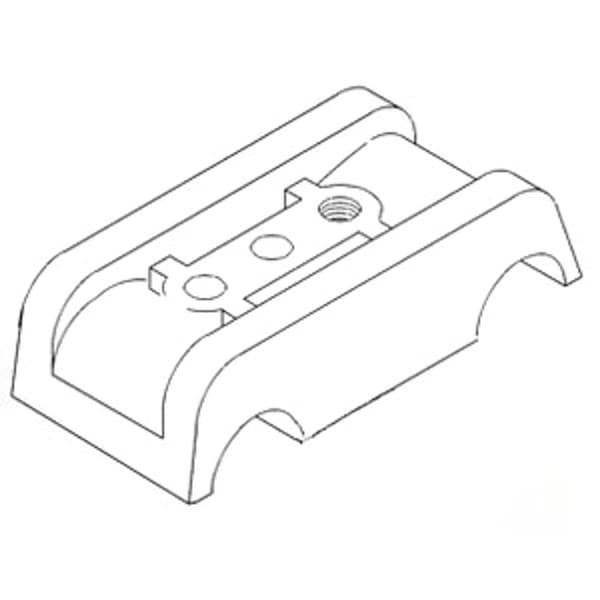
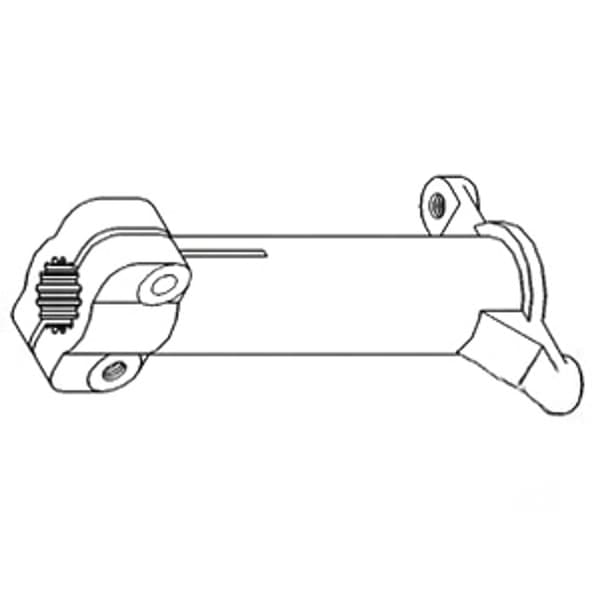
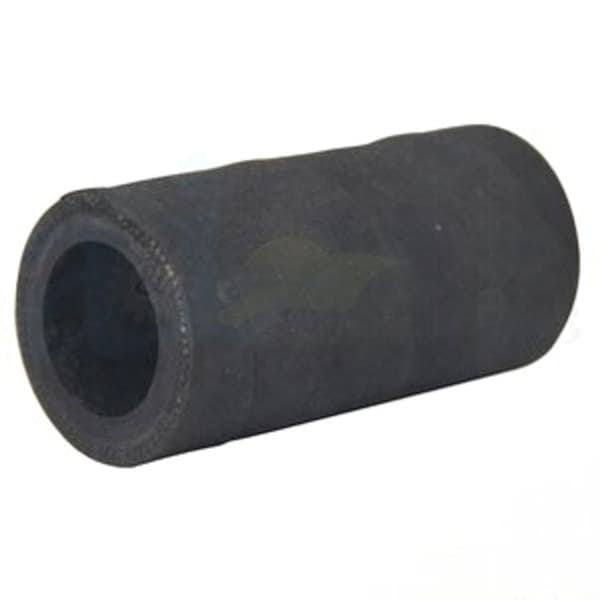
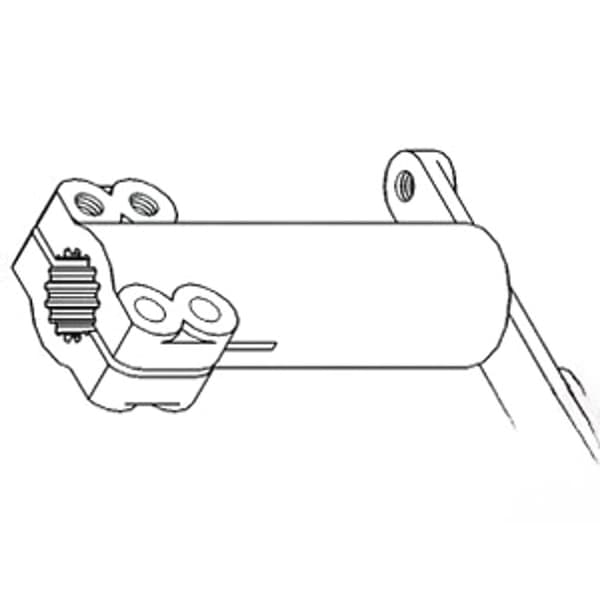
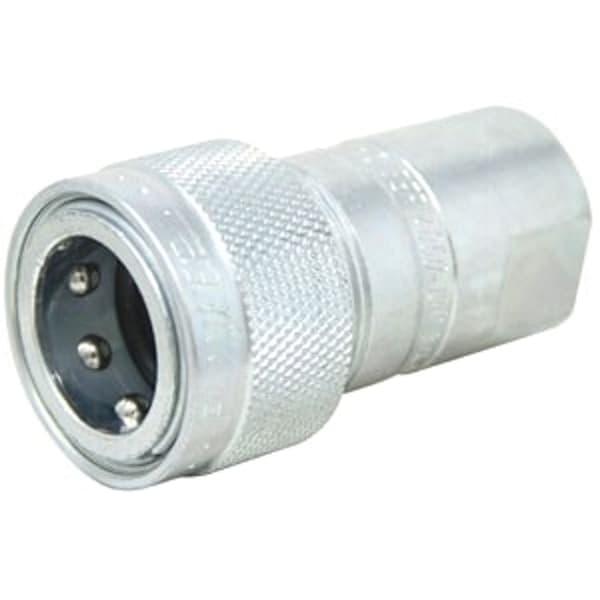
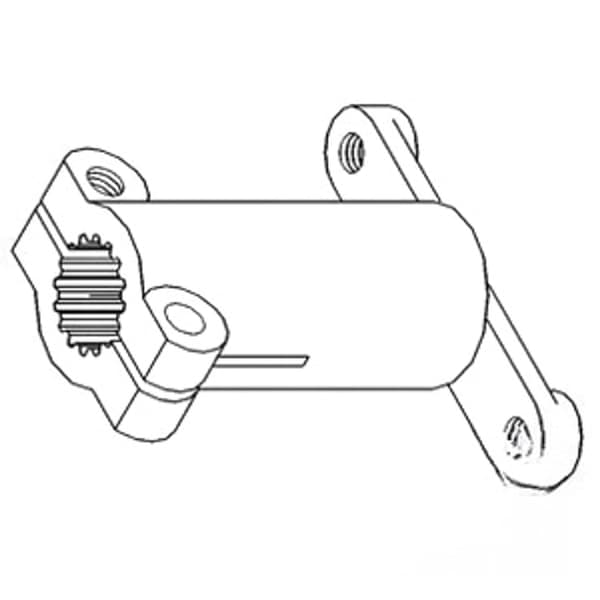
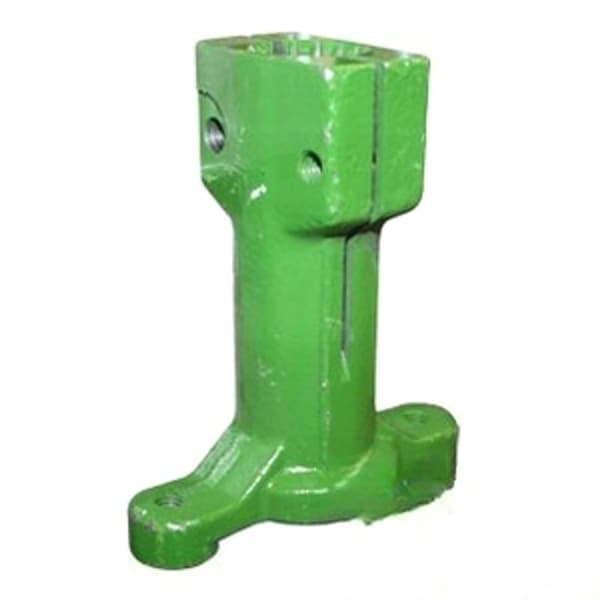
🔍 Looking for a specific part? Try our AI Part Finder — tell it your equipment and what you need, and it will find matching parts instantly.
Understanding Your Tractor's Hydraulic System
Before diving into adding remote hydraulics, it's crucial to understand your tractor's existing hydraulic system. Key components include the hydraulic pump (and its drive coupler), reservoir, control valves, and lines. The pump, often a gear or piston type, provides the hydraulic power. Referencing our guide to tractor hydraulic pumps may be helpful.
Open Center vs. Closed Center Systems: Identify whether your John Deere tractor utilizes an open-center or closed-center hydraulic system. This is critical because the remote hydraulic kit must be compatible with the system type. Open-center systems have a continuous flow of oil, while closed-center systems only pump oil when demanded.
Hydraulic Flow Rate: Consider the flow rate (gallons per minute, GPM) your implements require. Ensure the remote hydraulic kit and your tractor's hydraulic system can deliver the necessary flow. A higher flow rate generally allows for faster operation of hydraulic cylinders and motors.
System Pressure: The operating pressure of the remote hydraulics should match your tractor's system pressure. Exceeding the pressure rating can damage components. Most John Deere tractors operate between 2000 and 3000 PSI.
Choosing the Right John Deere Remote Hydraulic Kit
Selecting the appropriate kit requires careful consideration of your tractor model, year, and hydraulic system type. Madison Tractor offers a wide range of remote hydraulic kits for John Deere tractors, along with options for Case IH, Ford/New Holland, Massey Ferguson, Kubota, Allis Chalmers, Deutz, International Harvester, Oliver, White, Gleaner, Vermeer, Hesston, Mahindra, and Zetor tractors.
Key Considerations:
- Tractor Model and Year: Kits are often specifically designed for certain tractor models and years. Ensure compatibility before purchasing. For example, a kit for a John Deere 4020 will likely be different from a kit for a John Deere 7200.
- Number of Remotes: Determine how many remote outlets you need. Kits typically offer one, two, or three remote valves. Consider future needs as well.
- Valve Type: Choose between manual lever valves and electric-over-hydraulic valves. Electric valves offer greater convenience and control, especially for variable flow applications.
- Kit Components: Verify that the kit includes all necessary components, such as valves, hoses, fittings, mounting brackets, and instructions. Pay close attention to the type of hydraulic hose included.
- Quality and Reputation: Opt for reputable brands known for quality and durability. Madison Tractor carries parts from trusted manufacturers.
Example: Suppose you have a John Deere 4440 (1978-1982). You would search for a remote hydraulic kit specifically designed for this model. A typical kit might include two manual lever valves, high-pressure hoses, quick couplers, and mounting hardware. OEM part numbers or cross-reference numbers can be helpful when searching.
Installation Process: Step-by-Step Guide
Installing a remote hydraulic kit typically involves the following steps. Always consult the kit's instructions and your tractor's service manual for specific details.
- Preparation: Park the tractor on a level surface, engage the parking brake, and shut off the engine. Disconnect the battery to prevent accidental electrical shorts. Gather all necessary tools, including wrenches, sockets, screwdrivers, hydraulic hose crimper (if required), and safety glasses.
- Locate Existing Hydraulic Ports: Identify the existing hydraulic ports on your tractor that will supply the remote valves. These are usually located near the transmission or rear axle.
- Mount the Remote Valves: Install the remote valves according to the kit's instructions. This usually involves bolting the valves to a bracket that attaches to the tractor's frame or fender. Ensure the valves are securely mounted and accessible.
- Connect Hydraulic Hoses: Connect the hydraulic hoses from the existing ports to the remote valves. Use appropriate fittings and tighten them securely to prevent leaks. Use thread sealant on pipe threads.
- Install Quick Couplers: Install quick couplers on the outlet ports of the remote valves. These couplers allow you to easily connect and disconnect hydraulic implements.
- Check Fluid Levels: After installing the kit, check the tractor's hydraulic fluid level and top it off if necessary. Using the correct hydraulic filter and fluid is extremely important.
- Test the System: Start the tractor and operate the remote valves to test the system. Check for leaks and ensure the valves are functioning correctly. Operate each remote individually to verify correct flow and pressure.
Important Safety Warnings:
- Always relieve hydraulic pressure before disconnecting any lines or fittings.
- Wear safety glasses to protect your eyes from hydraulic fluid.
- Do not work under a tractor supported only by a jack. Use jack stands.
- Consult a qualified mechanic if you are unsure about any aspect of the installation process.
Troubleshooting Common Issues
After installation, you may encounter some common issues with your remote hydraulic system. Here are some troubleshooting tips:
- Leaks: Check all fittings and hose connections for leaks. Tighten any loose fittings or replace damaged hoses.
- Low Flow or Pressure: Ensure the tractor's hydraulic pump is functioning correctly. Check the hydraulic fluid level and filter. A worn Massey Ferguson hydraulic pump, for instance, will cause low flow issues.
- Valve Malfunction: If a valve is not functioning correctly, check the valve linkage or electrical connections (if applicable). Replace the valve if necessary.
- Overheating: Overheating can indicate a problem with the hydraulic system. Check the fluid level and condition. A clogged radiator or a failing water pump can also contribute to overheating.
If you are experiencing hydraulic problems, it is always a good idea to start by changing your tractor hydraulic filter. A dirty or clogged filter can starve the entire hydraulic system and lead to damage.
Maintaining Your Remote Hydraulic System
Regular maintenance is essential to ensure the longevity and reliability of your remote hydraulic system. Here are some maintenance tips:
- Check Fluid Levels: Regularly check the hydraulic fluid level and top it off as needed.
- Change Hydraulic Fluid and Filter: Follow the manufacturer's recommendations for changing the hydraulic fluid and filter.
- Inspect Hoses and Fittings: Regularly inspect hoses and fittings for wear and damage. Replace any worn or damaged components.
- Lubricate Valves: Lubricate the remote valves regularly to ensure smooth operation.
- Protect from Contamination: Keep the hydraulic system clean and free from contamination. Store implements with quick couplers covered to prevent dirt and debris from entering the system.
For example, most John Deere tractors require Hy-Gard hydraulic fluid. Consult your owner's manual for the specific fluid requirements for your model. Typical change intervals for hydraulic fluid and filters range from 500 to 1000 hours of operation.
While working on your tractor, now might be a good time to check common wear items such as clutch kits, PTO parts, fuel pumps, and starters.
Shop John Deere Parts at Madison Tractor Company
Adding remote hydraulics to your John Deere tractor is a worthwhile investment that can significantly increase its versatility. By understanding your tractor's hydraulic system, choosing the right kit, and following proper installation and maintenance procedures, you can enjoy years of reliable performance.
At Madison Tractor Company, we offer a wide selection of John Deere parts and remote hydraulic kits, as well as parts for Case IH, Ford/New Holland, Massey Ferguson, Kubota, and many other brands. We have everything you need to keep your tractor running smoothly, including hydraulic pump drive couplers, cylinders, hoses, filters, and more. Visit our website today to browse our selection and find the right parts for your tractor. Our expert staff is ready to assist you with any questions you may have! You can also use our AI-Powered Part Finder to search for parts by your specific make and model.
Part of our comprehensive guide
Tractor Hydraulic System Guide: Pumps, Cylinders & Troubleshooting