








Tractor Hydraulic Seal Kit: Cylinder Rebuild Kits
Is your tractor's hydraulic cylinder leaking? Rebuilding it with a tractor hydraulic seal kit can save you time and money. This guide explains when and how to rebuild your hydraulic cylinders, plus tips to keep your tractor running smoothly.
Understanding tractor hydraulic cylinder Leaks
Hydraulic cylinders are the workhorses of many tractor operations, powering everything from loaders and steering to implements. Over time, the seals within these cylinders can wear down, leading to leaks and reduced performance. Recognizing the signs of a failing hydraulic seal is crucial for timely repairs and preventing further damage.
Recommended Parts for This Guide
9 parts we recommend — in stock, ships fast, one-click add to cart.
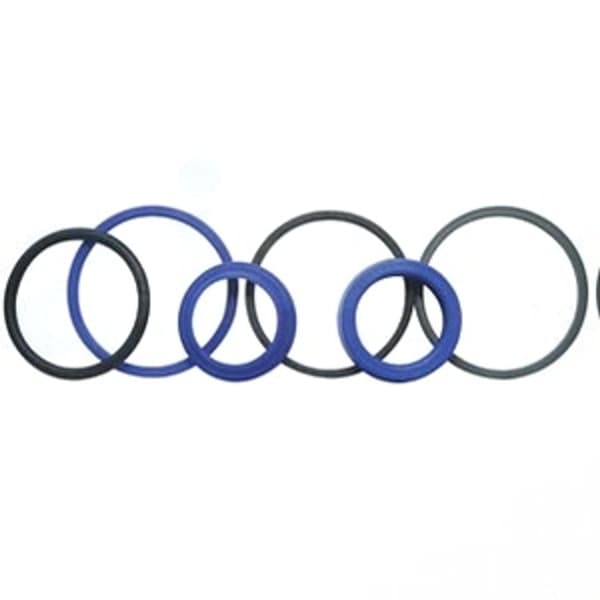
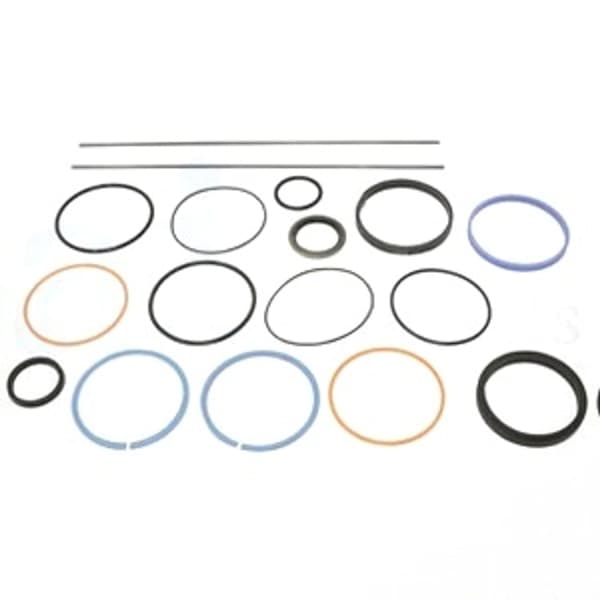
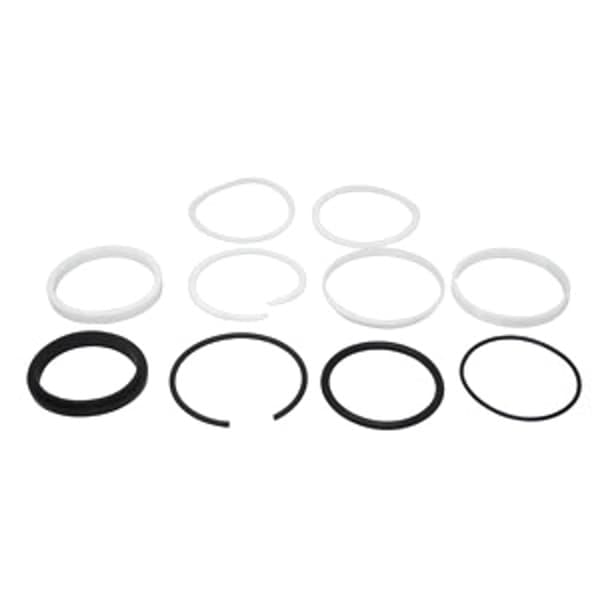
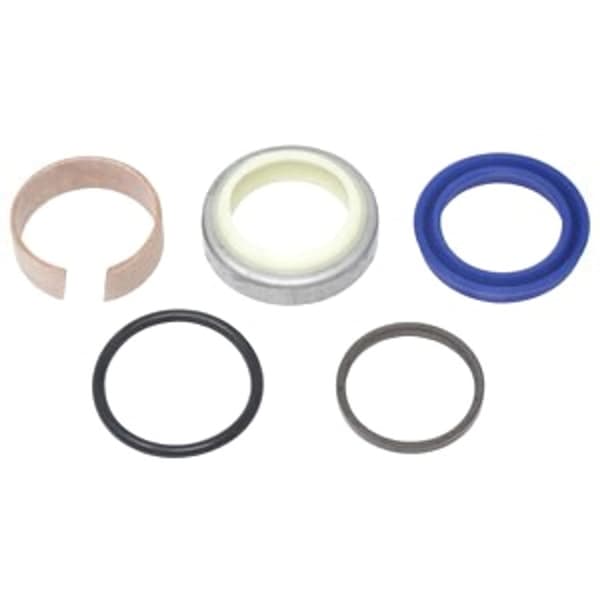
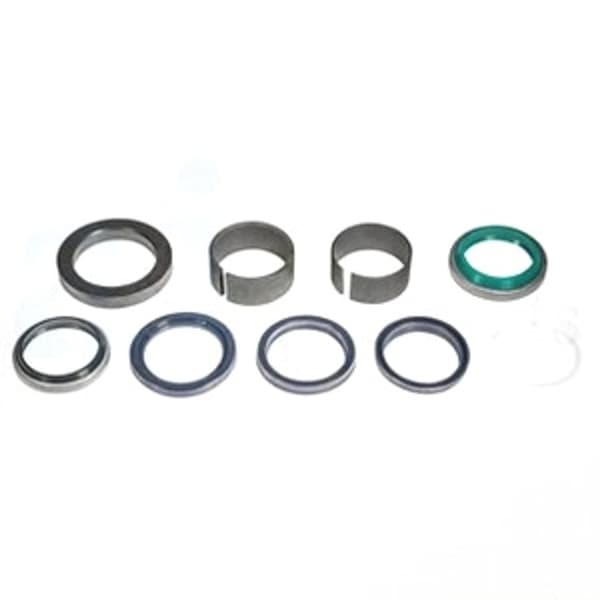
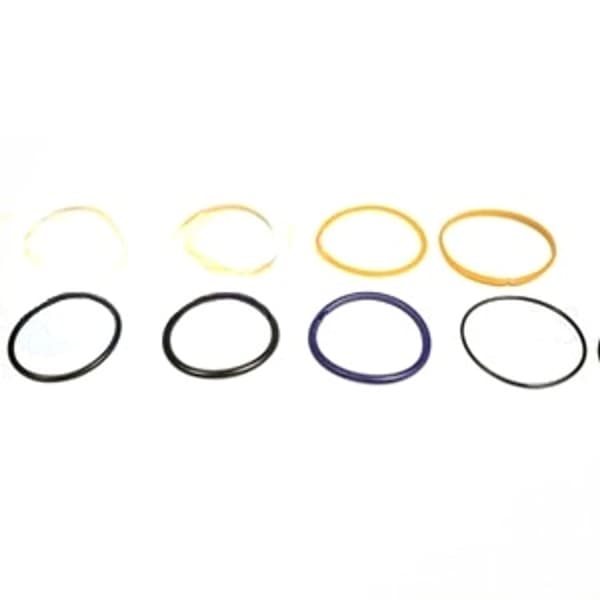
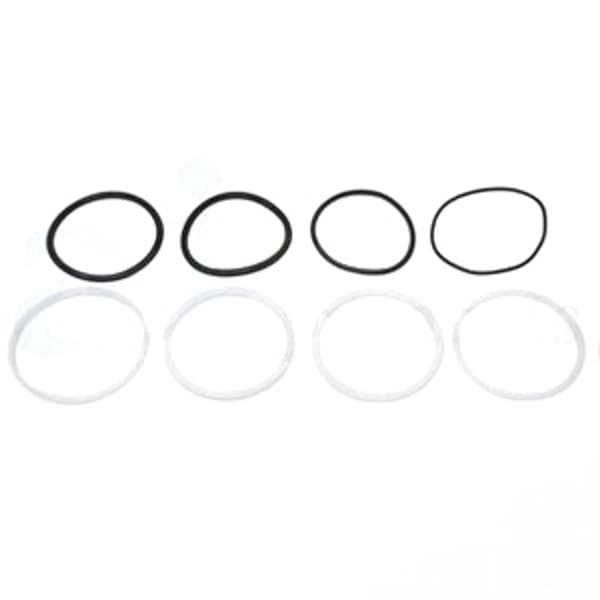
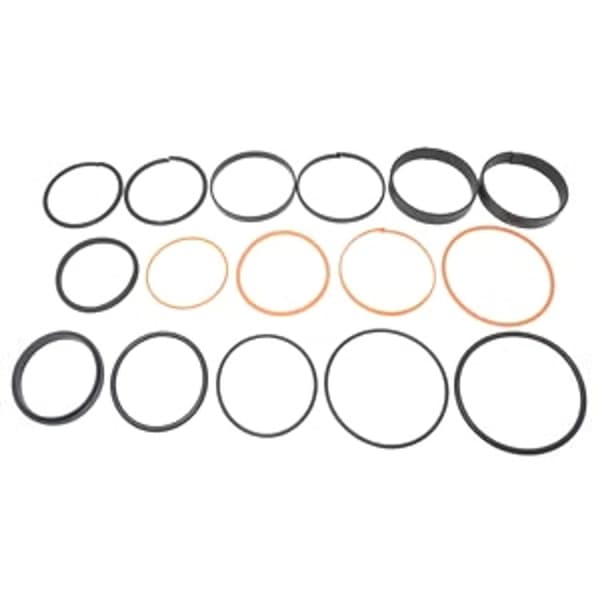
🔍 Looking for a specific part? Try our AI Part Finder — tell it your equipment and what you need, and it will find matching parts instantly.
Common signs of hydraulic cylinder seal failure include:
- Visible leaks: This is the most obvious symptom. Look for oil pooling around the cylinder rod, ports, or barrel.
- Slow or erratic cylinder movement: Leaking seals reduce pressure, causing sluggish or jerky operation.
- Loss of lifting capacity: A cylinder with internal leaks will struggle to lift heavy loads and may not hold the load at all.
- Foaming hydraulic fluid: Air entering the system through damaged seals can cause the hydraulic fluid to foam.
- Contamination of hydraulic fluid: Debris from worn seals can contaminate the entire hydraulic system. Be sure to check your tractor hydraulic filter.
Ignoring these symptoms can lead to more serious problems, such as a complete cylinder failure or damage to the hydraulic pump. Speaking of pumps, if you suspect pump issues, we also carry John Deere hydraulic pumps and hydraulic pumps for other brands like Ford/New Holland, Case IH, Massey Ferguson, and Kubota.
Why Rebuild with a Tractor Hydraulic Seal Kit?
When a hydraulic cylinder starts leaking, you have two main options: replace the entire cylinder or rebuild it using a tractor hydraulic seal kit. Rebuilding is often the more cost-effective solution, especially for older or less common tractor models. Here's why:
- Cost savings: Seal kits are significantly cheaper than complete cylinder replacements.
- Preserves original equipment: Rebuilding allows you to maintain the original cylinder, which may be important for vintage or specialized equipment.
- Reduces downtime: In many cases, rebuilding can be done faster than sourcing a replacement cylinder, especially if it needs to be ordered.
- Environmentally friendly: Rebuilding reduces waste by reusing the cylinder body and other components.
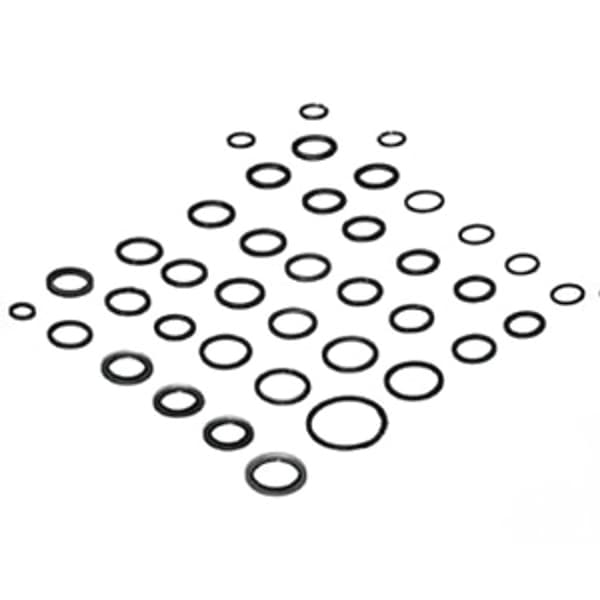
Madison Tractor Company offers hydraulic seal kits for a wide range of tractor brands and models, including John Deere, Case IH, Ford/New Holland, Massey Ferguson, Kubota, Allis Chalmers, Deutz, International Harvester, Oliver, White, Gleaner, Vermeer, Hesston, Mahindra, and Zetor. Our kits contain all the necessary seals, O-rings, and wipers, including specialized hydraulic cylinder rod seal kits and full hydraulic cylinder and pump kits, to restore your cylinder to its original performance.
Choosing the Right Tractor Hydraulic Seal Kit
Selecting the correct seal kit is crucial for a successful rebuild. Here's how to ensure you get the right one:
- Identify the cylinder: Look for a nameplate or markings on the cylinder body that indicate the manufacturer, model number, and size.
- Consult your tractor's parts manual: The manual will provide the correct part number for the seal kit specific to your tractor model and cylinder.
- Measure the cylinder bore and rod diameter: If you can't find a part number, measuring the bore and rod will help you identify the correct seal sizes.
- Contact Madison Tractor Company: Our knowledgeable parts specialists can help you identify the correct seal kit based on your tractor model, cylinder information, or measurements. Be ready to provide information like make, model, year, and the specific cylinder you are working on (e.g., steering cylinder, loader cylinder). We can cross-reference OEM part numbers to our aftermarket equivalents.
When in doubt, it's always best to consult with a parts expert. Incorrect seals can lead to leaks, damage, and premature wear. We also stock tractor hydraulic hoses of different sizes and pressure ratings to keep your machine up and running.
Step-by-Step Guide to Rebuilding a Hydraulic Cylinder
Important Safety Warnings:
- Hydraulic systems operate under high pressure. Relieve all pressure before disassembling any components.
- Wear safety glasses and gloves to protect yourself from hydraulic fluid and sharp edges.
- Work in a clean environment to prevent contamination of the hydraulic system.
Tools You'll Need:
- Wrenches and sockets
- Piston ring pliers
- Seal installation tools (soft picks, seal installers)
- Clean work surface
- Hydraulic fluid
- Parts cleaner
- Torque wrench
Rebuilding Procedure:
- Disassembly:
- Secure the cylinder in a vise.
- Carefully remove the cylinder rod end. This may involve removing a retaining ring, set screw, or threaded nut. Some cylinders require specialized tools for this step. For example, some John Deere cylinders require a special spanner wrench.
- Slide the cylinder rod and piston assembly out of the cylinder barrel.
- Remove the piston from the rod. Note the orientation of the piston for reassembly.
- Inspection and Cleaning:
- Thoroughly clean all cylinder components with parts cleaner.
- Inspect the cylinder barrel for scoring, pitting, or corrosion. Minor imperfections can be honed, but severe damage may require cylinder replacement.
- Inspect the cylinder rod for bending, dents, or scratches. Replace the rod if it's damaged.
- Carefully examine the piston and rod end for wear or damage.
- Seal Replacement:
- Remove all old seals, O-rings, and wipers from the piston, rod end, and cylinder barrel. Use seal removal tools to avoid damaging the seal grooves.
- Lubricate the new seals with hydraulic fluid before installation.
- Carefully install the new seals, O-rings, and wipers in their respective grooves. Use seal installation tools to avoid damaging the seals. Ensure the seals are properly seated.
- Reassembly:
- Reinstall the piston onto the cylinder rod, ensuring proper orientation.
- Carefully slide the cylinder rod and piston assembly back into the cylinder barrel.
- Reinstall the cylinder rod end, securing it with the appropriate retaining ring, set screw, or threaded nut.
- Torque the rod end to the manufacturer's specified torque. For example, the torque spec for a 1965 Ford 4000 tractor's steering cylinder rod end might be 70-80 ft-lbs. Consult your service manual for the correct torque specification.
- Testing:
- Connect the rebuilt cylinder to the tractor's hydraulic system.
- Slowly extend and retract the cylinder, checking for leaks.
- If leaks are present, re-inspect the seals and connections.
Important Notes:
- Always consult your tractor's service manual for specific instructions and torque specifications.
- If you're not comfortable rebuilding a hydraulic cylinder yourself, it's best to take it to a qualified mechanic.
- Proper hydraulic fluid is essential for optimal performance and longevity. Refer to your tractor's owner's manual for the correct fluid type and change intervals.
- Be sure to bleed the hydraulic system after reassembly to remove any trapped air.
Preventative Maintenance for Hydraulic Cylinders
Regular maintenance can significantly extend the life of your hydraulic cylinders and prevent costly repairs. Here are some tips:
- Keep the cylinder rods clean: Wipe down the rods regularly to remove dirt, debris, and moisture.
- Protect the rods from damage: Use rod boots or guards to protect the rods from impacts and abrasions.
- Lubricate the cylinder pivot points: Grease the pivot points regularly to prevent wear and corrosion.
- Inspect the hydraulic fluid: Check the fluid level and condition regularly. Change the fluid and filter according to the manufacturer's recommendations. Use a high-quality tractor hydraulic filter.
- Address leaks promptly: Don't ignore small leaks. Repair them as soon as possible to prevent further damage.
By following these tips, you can keep your tractor's hydraulic cylinders in good working order for years to come. We sell more than just parts for cylinders. Madison Tractor Company also has a great selection of radiators, water pumps, starters, alternators, clutch kits, PTO parts, fuel pumps, carburetors, injectors, gaskets, pistons, bearings, seals, belts, chains, concaves, and sickle sections for all your tractor and combine needs.
Shop Tractor Parts at Madison Tractor Company
Madison Tractor Company is your one-stop shop for all your tractor parts needs. We offer a wide selection of high-quality parts at competitive prices, with fast shipping and excellent customer service. Whether you need a tractor hydraulic seal kit, a new tractor hydraulic cylinder, or any other part for your tractor, we have you covered. Visit our website today to browse our selection and find the parts you need to keep your tractor running smoothly. Our team is ready to help you find the right part for your specific tractor, whether it's a John Deere, Case IH, Ford/New Holland, or any other major brand. You can also use our AI-Powered Part Finder to search for parts by your specific make and model.
Part of our comprehensive guide
Tractor Hydraulic System Guide: Pumps, Cylinders & Troubleshooting