








Tractor Lift Arm Repair: Draft & Position Control Fix
Is your tractor's lift arm not working correctly? This guide covers diagnosing and fixing common lift arm problems, including issues with draft and position control, so you can get back to work efficiently.
Introduction to Tractor Lift Arm Repair
The hydraulic lift system on your tractor is crucial for operating implements like plows, mowers, and sprayers. Problems with the lift arms, particularly related to draft and position control, can significantly impact your productivity. This guide provides a practical approach to diagnosing and addressing common tractor lift arm repair issues. We'll cover the fundamentals of draft and position control, potential causes of malfunctions, and troubleshooting steps to get your equipment back in optimal working order. Here at Madison Tractor, we understand the importance of keeping your machinery running smoothly, and we're here to provide the parts and expertise you need.
Recommended Parts for This Guide
10 parts we recommend — in stock, ships fast, one-click add to cart.
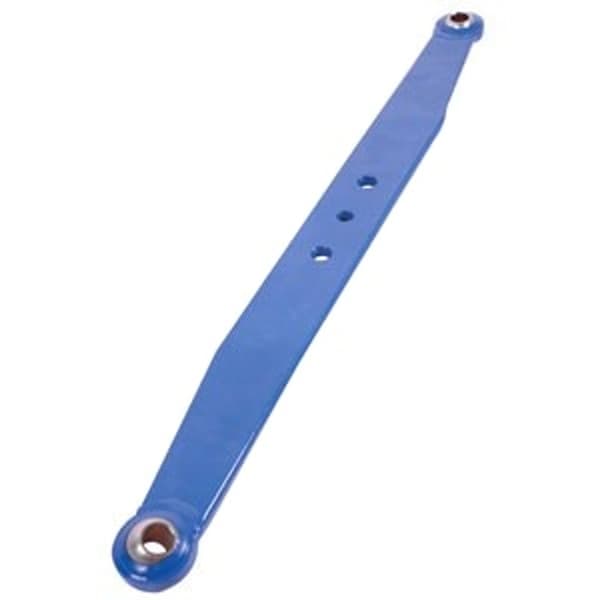
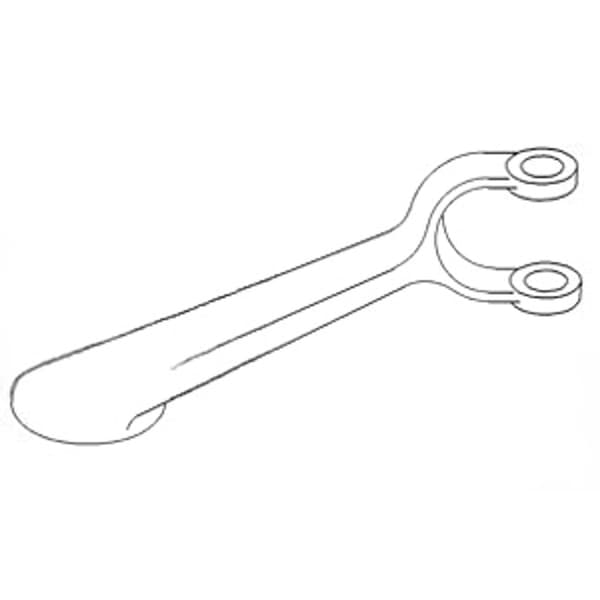
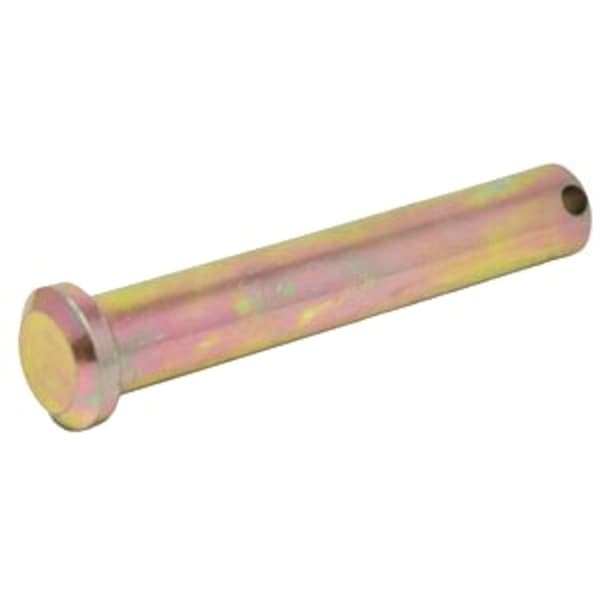
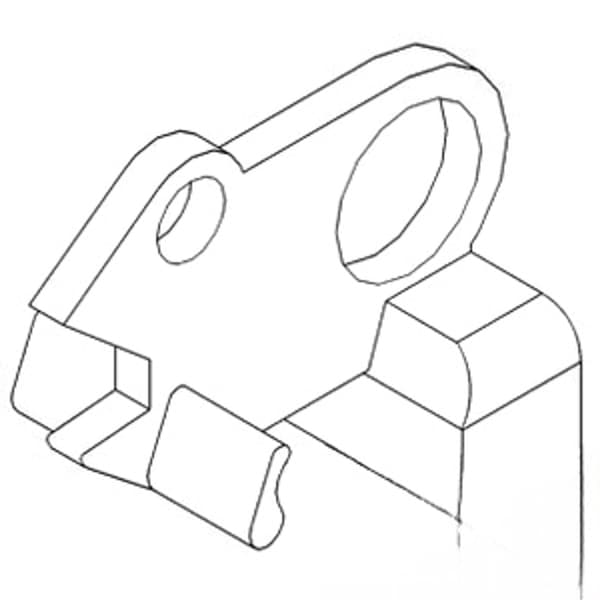
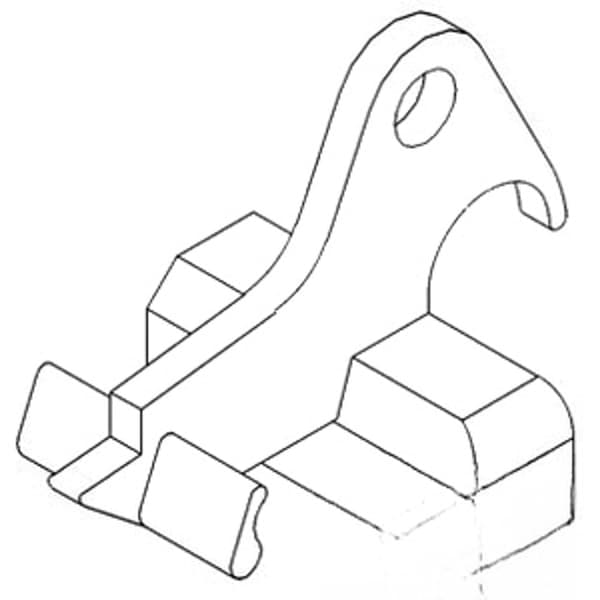
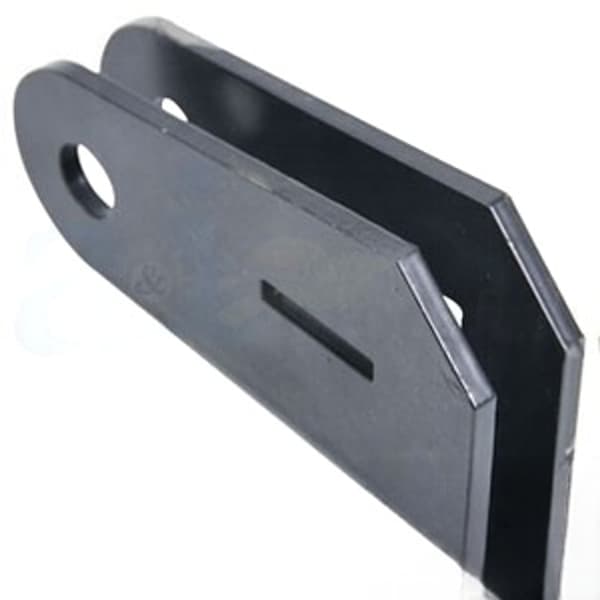
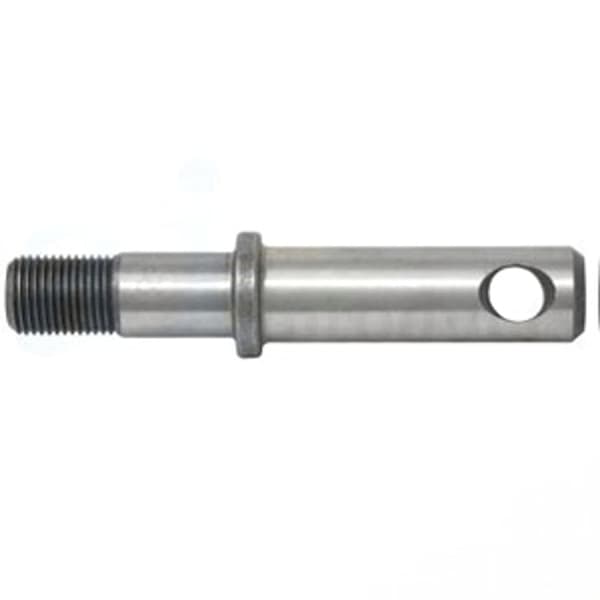
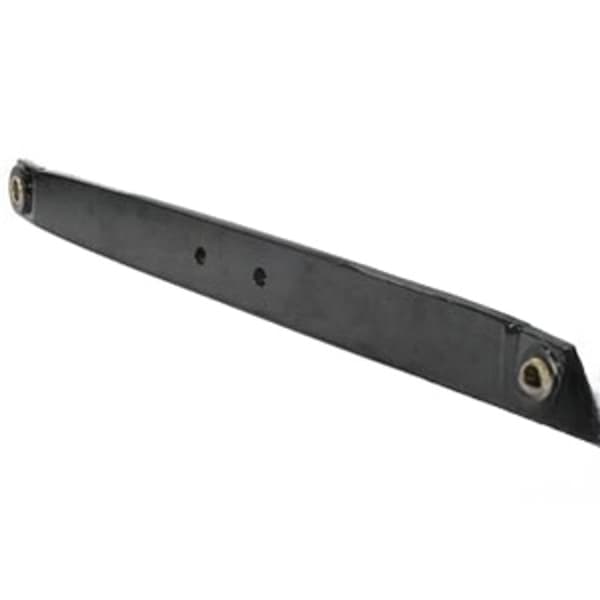
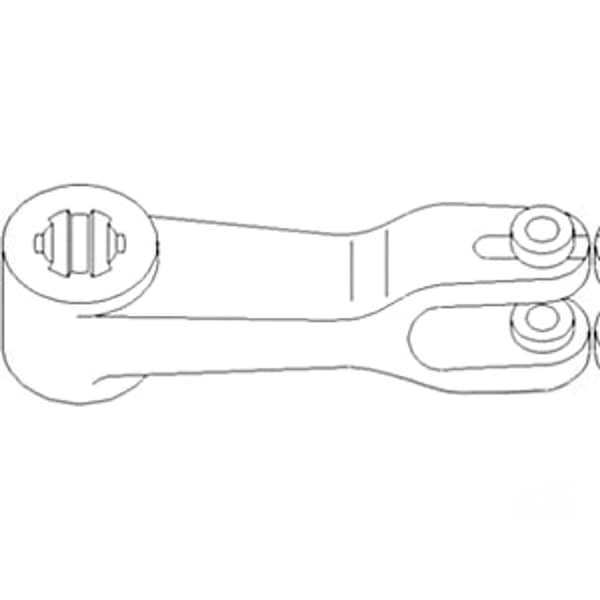
🔍 Looking for a specific part? Try our AI Part Finder — tell it your equipment and what you need, and it will find matching parts instantly.
Understanding Draft and Position Control
Before diving into repairs, it's essential to understand the difference between draft and position control:
- Position Control: This allows you to set a specific height for your implement. The lift arms will maintain that height regardless of the load, making it ideal for tasks requiring consistent depth, such as mowing or spraying.
- Draft Control: This system automatically adjusts the implement height to maintain a consistent load on the tractor. It's particularly useful when plowing or tilling, as it prevents the tractor from bogging down in heavy soil. The system senses the drag on the implement and raises or lowers it to maintain optimal engine load.
Many tractors, including models from John Deere, Case IH, Ford, and Massey Ferguson, feature both systems. A lever or switch allows you to select the appropriate mode based on the task at hand.
Common Lift Arm Problems and Their Causes
Several issues can cause your tractor's lift arms to malfunction. Here are some of the most common:
- Lift Arms Won't Raise: This could be due to a low hydraulic fluid level, a faulty hydraulic pump, a clogged hydraulic filter, a problem with the control valve, or a leak in the hydraulic system. Check the John Deere hydraulic pump on your John Deere tractor.
- Lift Arms Raise Slowly: Similar to the above, but often points to a partially clogged filter, a worn Ford tractor hydraulic pump (especially in older Ford 2000-7000 series), or internal leaks in the cylinders or valve body.
- Lift Arms Drift Down: This is typically caused by internal leaks in the Hydraulic Cylinders (tractor hydraulic cylinder) or the control valve. Worn seals are a common culprit.
- Erratic Movement: Air in the hydraulic system or a faulty control valve can cause jerky or inconsistent movement.
- Draft Control Not Working: A faulty draft control sensor, linkage issues, or problems within the hydraulic control valve are common causes.
- Position Control Not Working: Problems with the position control linkage or the control valve itself can prevent the lift arms from maintaining a set height.
Troubleshooting and Repair Steps
Here's a step-by-step guide to troubleshooting and repairing common lift arm problems:
- Check the Hydraulic Fluid Level: Ensure the reservoir is filled to the correct level. Consult your tractor's operator manual for the correct fluid type and capacity. Low fluid level is a common issue and easily rectified.
- Inspect the Hydraulic Filter: A clogged filter restricts flow and can cause slow or weak lift arm performance. Replace the tractor hydraulic filter with a new one. Refer to our cross-reference guide for the correct filter for your model. (See: Tractor Hydraulic Filter: Cross Reference by Brand)
- Bleed the Hydraulic System: Air in the system can cause erratic movement. Most tractors have bleed screws on the hydraulic pump or valve. Consult your operator manual for the proper bleeding procedure.
- Inspect the Linkage: Check all linkages connected to the draft and position control levers. Ensure they are properly connected and not bent or worn. Replace any damaged components, such as worn pins or faulty latches.
- Check for Leaks: Inspect all tractor hydraulic hoses, fittings, and cylinders for leaks. Leaks reduce hydraulic pressure and can lead to poor performance. Tighten loose fittings or replace damaged hoses or seals. Note the pressure ratings on the hoses.
- Test the Hydraulic Pump: If the lift arms are weak or won't raise, the hydraulic pump may be faulty. Use a hydraulic pressure gauge to test the pump's output pressure. Compare the reading to the specifications in your tractor's service manual. If the pressure is low, the pump may need to be repaired or replaced. We carry a wide range of hydraulic pumps for various brands, including Case IH hydraulic pumps and Kubota hydraulic pumps.
- Inspect the Hydraulic Cylinders: If the lift arms drift down, the cylinders may have internal leaks. Remove the cylinders and inspect the seals for wear or damage. Replace the seals or the entire cylinder if necessary.
- Control Valve Inspection: This is a more complex repair. If you suspect a problem with the control valve, it's best to consult a qualified mechanic. The valve may need to be disassembled, cleaned, and inspected for worn or damaged components. Replacement parts, such as a hydraulic pump valve seat insert, may be needed.
Specific Brand Considerations
While the general principles of lift arm repair apply to most tractors, there are some brand-specific considerations:
- John Deere: Many older John Deere models use a closed-center hydraulic system, which requires a different troubleshooting approach than open-center systems. Ensure you understand the system type before attempting repairs.
- Ford/New Holland: The hydraulic pumps in older Ford tractors (like those in the 8N or 3000 series) are prone to wear. Regularly check the pump pressure and replace it if necessary. New Holland tractors often have more sophisticated electronic draft control systems that may require specialized diagnostic tools.
- Massey Ferguson: The Ferguson System is known for its innovative draft control. Ensure the linkage is properly adjusted for optimal performance. We stock a wide range of parts for Massey Ferguson tractors, including those for the Massey Ferguson 35, 135, and 265.
- Case IH: Some Case IH models use a piston-type hydraulic pump, which is more complex than a gear pump but can provide higher pressure.
- Kubota: Kubota tractors are generally reliable, but their compact size can make some repairs more challenging.
Safety Precautions
Hydraulic systems operate under high pressure. Always observe the following safety precautions:
- Relieve pressure before disconnecting any hydraulic lines.
- Wear safety glasses to protect your eyes from hydraulic fluid.
- Use caution when working around moving parts.
- Consult your tractor's operator manual for specific safety instructions.
When to Consult a Professional
While many lift arm repairs can be performed by experienced owners, some issues require specialized knowledge and equipment. Consult a qualified mechanic if:
- You are not comfortable working on hydraulic systems.
- You lack the necessary tools or equipment.
- You suspect a problem with the control valve.
- The problem persists after following the troubleshooting steps.
Parts and Maintenance
Regular maintenance is key to preventing lift arm problems. This includes:
- Changing the hydraulic fluid and filter according to the manufacturer's recommendations.
- Inspecting hydraulic lines and fittings for leaks.
- Lubricating all linkage points, such as lift arm brackets and pins.
Madison Tractor Company offers a wide range of parts for all major tractor brands, including John Deere, Case IH, Ford, New Holland, Massey Ferguson, Kubota, Allis Chalmers, Deutz, International Harvester, Oliver, White, Gleaner, Vermeer, Hesston, Mahindra, and Zetor. We carry hydraulic pump components, cylinders, hoses, filters, seals, and other essential components to keep your tractor running smoothly. We also stock radiators, water pumps, starters, alternators, clutch kits, PTO parts, fuel pumps, carburetors, injectors, filters, gaskets, pistons, bearings, seals, belts, chains, concaves, and sickle sections.
Conclusion
By understanding the fundamentals of draft and position control, diagnosing common lift arm problems, and following the troubleshooting steps outlined in this guide, you can keep your tractor's hydraulic system in optimal working order. Remember to prioritize safety and consult a professional when needed. Regular maintenance and prompt repairs will help you avoid costly downtime and maximize your productivity.
Part of our comprehensive guide
Tractor Hydraulic System Guide: Pumps, Cylinders & Troubleshooting