








Tractor PTO Hydraulic Pump: Log Splitter & Implement Use
Unlock the full potential of your tractor with a PTO hydraulic pump. Discover how these pumps provide reliable hydraulic power for log splitters and other implements, improving efficiency and versatility. Get expert advice from Madison Tractor Company.
A tractor PTO (Power Take-Off) hydraulic pump is a valuable tool for any farmer or rancher looking to enhance the hydraulic capabilities of their tractor. It allows you to operate implements like log splitters, hydraulic motors, and other equipment independently of your tractor's existing hydraulic system. This is especially useful if your tractor's system is underpowered or if you want to avoid the wear and tear on your tractor's internal pump. At Madison Tractor Company, we understand the importance of reliable hydraulic power. We carry a wide selection of hydraulic pumps, cylinders, and hoses to meet your needs.
Recommended Parts for This Guide
10 parts we recommend — in stock, ships fast, one-click add to cart.
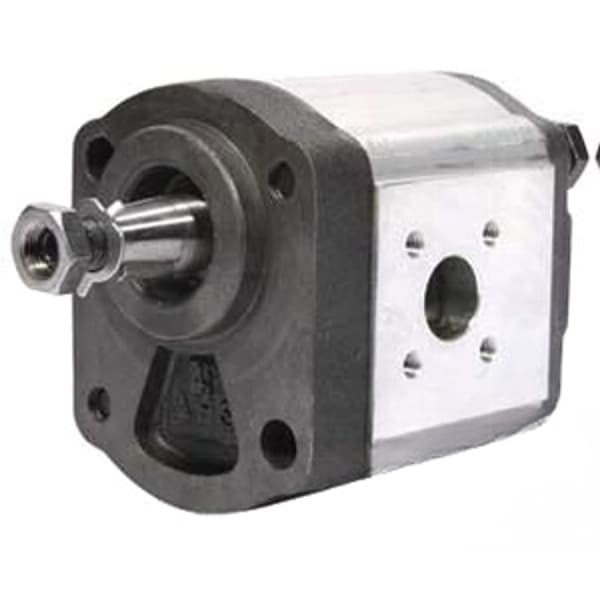
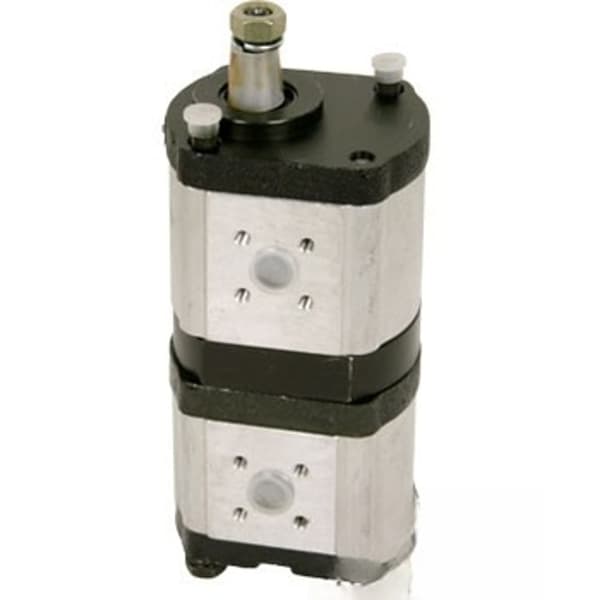
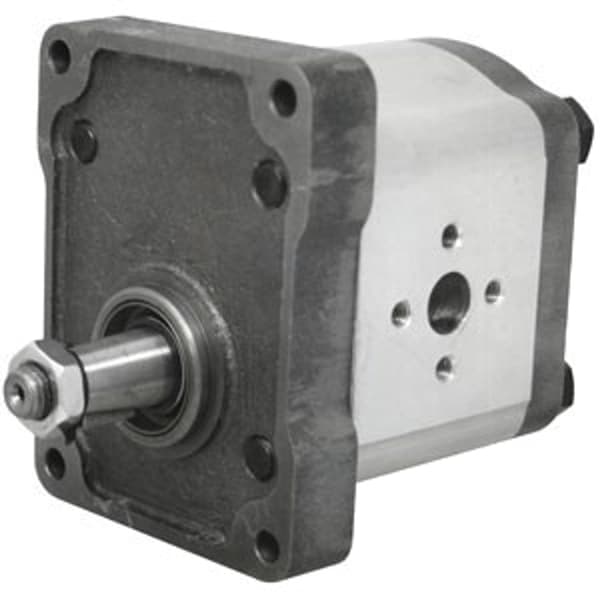
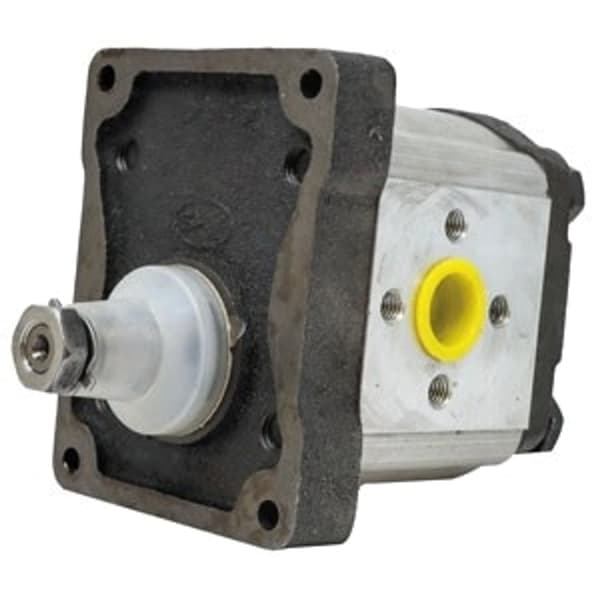
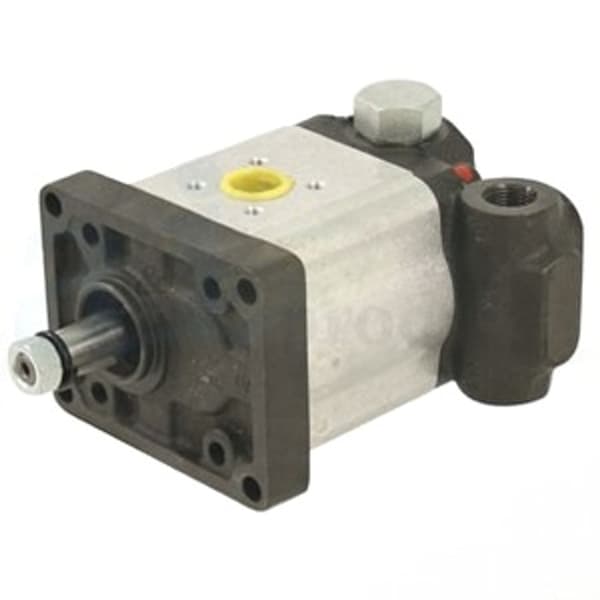
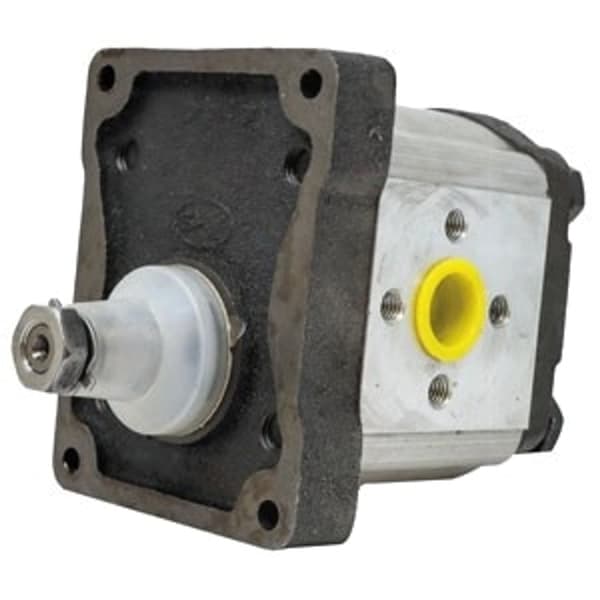
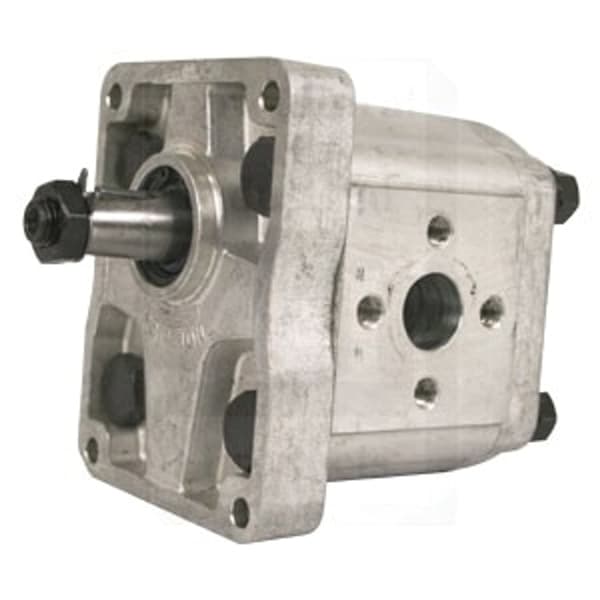
🔍 Looking for a specific part? Try our AI Part Finder — tell it your equipment and what you need, and it will find matching parts instantly.
What is a Tractor PTO hydraulic pump?
A tractor PTO hydraulic pump is a self-contained hydraulic power unit that mounts to the tractor's PTO shaft. The PTO shaft, driven by the tractor's engine, rotates the pump, generating hydraulic pressure. This pressure is then used to power hydraulic cylinders or motors on implements. Unlike your tractor's internal hydraulic pump, which may be limited in flow rate and pressure, a PTO pump provides an independent and often more powerful hydraulic source.
Benefits of Using a PTO Hydraulic Pump
- Increased Hydraulic Power: PTO pumps often deliver higher flow rates and pressures than a tractor's internal pump, allowing you to operate larger or more demanding hydraulic implements.
- Reduced Wear and Tear on Tractor: By using an external PTO pump, you reduce the load on your tractor's internal hydraulic system, extending its lifespan.
- Versatility: PTO pumps can be used with a wide range of implements, making your tractor more versatile.
- Independent Operation: Operate implements requiring high hydraulic flow without impacting other tractor functions.
Common Applications for a Tractor PTO Hydraulic Pump
- Log Splitters: A tractor PTO pump is ideal for powering log splitters, providing ample power to split even the toughest logs.
- Hydraulic Motors: Power hydraulic motors for augers, conveyors, and other equipment.
- Hydraulic Presses: For bending, shaping, or forming metal.
- Remote Hydraulic Circuits: Create additional hydraulic circuits for powering tools or attachments in remote locations.
Choosing the Right PTO Hydraulic Pump
Selecting the correct PTO hydraulic pump involves considering several factors:
Flow Rate (GPM)
Measured in gallons per minute (GPM), flow rate determines the speed at which your hydraulic implement operates. Higher GPM means faster cylinder extension and retraction or quicker motor speeds. Match the flow rate to the requirements of your implement. For example, a larger log splitter might require 20 GPM or more, while a smaller one might operate efficiently with 11 GPM. Check the specifications of your implements.
Pressure (PSI)
Measured in pounds per square inch (PSI), pressure determines the force that your hydraulic cylinder can exert. Again, match the pressure rating to the requirements of your implement. Most PTO pumps are rated between 2000 and 3000 PSI. Ensure your hoses and cylinders are rated for the pump's maximum pressure.
PTO Speed (RPM)
PTO speed is the rotational speed of the tractor's PTO shaft. Most tractors have a standard PTO speed of 540 RPM or 1000 RPM. Choose a pump designed to operate at the correct PTO speed. Using the wrong speed can damage the pump or reduce its efficiency.
Horsepower Requirements
The PTO hydraulic pump requires sufficient horsepower from the tractor to operate efficiently. A general rule is that you need approximately 2-3 horsepower per GPM of flow. Consult the pump manufacturer's specifications for exact horsepower requirements.
Pump Type
Gear pumps are the most common type of PTO hydraulic pump. They are relatively inexpensive and reliable, suitable for general-purpose applications. Piston pumps are more efficient and can deliver higher pressures, but they are also more expensive and complex. Consider a piston pump for demanding applications requiring high performance.
Specific Brand Considerations
At Madison Tractor, we stock pumps compatible with various tractor brands, including John Deere, Case IH, Ford, New Holland, Massey Ferguson, Kubota, Allis Chalmers, Deutz, International Harvester, Oliver, White, Gleaner, Vermeer, Hesston, Mahindra, and Zetor. For example, if you have a John Deere tractor, knowing the model (e.g., John Deere 4020) and year will help you select the correct pump. Many older Ford tractors, like the Ford 8N, may benefit significantly from adding a PTO hydraulic pump for implements that require more hydraulic power than the original system provides. Similarly, owners of Massey Ferguson 135 tractors often add PTO pumps to enhance their hydraulic capabilities. We can help you find the correct match for your specific tractor model. Don't forget to check your tractor hydraulic filter regularly. A clean filter ensures optimal hydraulic system performance.
Installing a Tractor PTO Hydraulic Pump
Installing a PTO hydraulic pump is generally straightforward, but it's essential to follow the manufacturer's instructions carefully. Here are the basic steps:
- Safety First: Ensure the tractor is turned off, the PTO is disengaged, and the parking brake is engaged. Allow the engine to cool down to prevent burns.
- Mounting the Pump: Mount the pump to the tractor's PTO shaft. Most pumps come with a mounting bracket and hardware. Ensure the pump is securely attached and aligned correctly.
- Connecting Hydraulic Hoses: Connect the hydraulic hoses from the pump to your implement. Use hydraulic hoses with the correct pressure rating and fittings. Ensure the hoses are routed safely, avoiding sharp bends or obstructions. Use thread sealant on fittings to prevent leaks.
- Filling the Reservoir: Most PTO pumps have an integral hydraulic reservoir. Fill the reservoir with the appropriate hydraulic fluid, following the manufacturer's recommendations. ISO 46 hydraulic oil is a common choice, but consult your pump's manual.
- Testing the System: Start the tractor and engage the PTO slowly. Check for leaks and proper operation of the implement. Adjust the flow rate and pressure as needed.
Safety Warning: Always wear safety glasses and gloves when working with hydraulic systems. Hydraulic fluid under pressure can be extremely dangerous. Never disconnect hydraulic hoses while the system is under pressure. Relieve pressure before disconnecting any fittings.
Maintaining Your PTO Hydraulic Pump
Regular maintenance is crucial for ensuring the long life and reliable performance of your PTO hydraulic pump.
- Check Fluid Level: Regularly check the hydraulic fluid level in the reservoir and add fluid as needed.
- Change Hydraulic Fluid: Change the hydraulic fluid at the intervals recommended by the manufacturer. Contaminated fluid can damage the pump.
- Inspect Hoses and Fittings: Regularly inspect the hydraulic hoses and fittings for leaks, cracks, or damage. Replace damaged hoses, fittings, or gaskets like the NAA552A immediately.
- Lubricate Moving Parts: Lubricate any moving parts, such as the PTO shaft and pump bearings, according to the manufacturer's recommendations.
- Store Properly: When not in use, store the pump in a clean, dry place to prevent corrosion and damage.
Troubleshooting Common Problems
Here are some common problems with PTO hydraulic pumps and potential solutions:
- Pump Not Producing Pressure: Check the fluid level, PTO speed, and pump connections. The pump may be damaged and require repair or replacement.
- Low Flow Rate: Check the fluid level, filter, and pump speed. The pump may be worn or damaged. A clogged tractor hydraulic filter can significantly reduce flow.
- Leaks: Check the hoses, fittings, and pump seals. Tighten loose fittings or replace damaged hoses or seals.
- Overheating: Check the fluid level, pump speed, and cooling system. The pump may be overloaded or operating in a hot environment. Make sure the radiator is clean and functioning properly to keep the tractor's hydraulic system cool.
If you're having trouble with your tractor's main hydraulic system, you might find our articles on John Deere hydraulic pump, Ford tractor hydraulic pump, Case IH hydraulic pump, Massey Ferguson hydraulic pump, and Kubota hydraulic pump helpful. Also, check the condition of your tractor hydraulic cylinder, including essential components like the hydraulic cylinder bushing, to ensure it's not contributing to hydraulic system issues.
Shop Tractor PTO Hydraulic Pumps at Madison Tractor Company
At Madison Tractor Company, we are committed to providing high-quality tractor parts and exceptional customer service. We carry a wide selection of tractor PTO hydraulic pumps to fit all major brands, including John Deere, Case IH, Ford, New Holland, Massey Ferguson, Kubota, and more. We also stock all the related parts you need, such as hydraulic pumps, cylinders, including various hydraulic cylinder kits, hoses, fittings, filters, and hydraulic fluid. Our knowledgeable staff can help you choose the right pump for your needs and provide technical support. Browse our online catalog or contact us today to find the perfect PTO hydraulic pump for your tractor and implement needs! We also carry a wide range of other tractor parts, including radiators, water pumps, starters, alternators, clutch kits, PTO parts, fuel pumps, carburetors, injectors, filters, gaskets, pistons, bearings, seals, belts, chains, concaves, and sickle sections. You can also use our AI-Powered Part Finder to search for parts by your specific make and model.
Part of our comprehensive guide
Tractor Hydraulic System Guide: Pumps, Cylinders & Troubleshooting