








Tractor Hydraulic Oil Change: Capacity & Procedure by Brand
Maintaining your tractor's hydraulic system is crucial for its performance and longevity. This guide provides step-by-step instructions and capacity information to help you perform a tractor hydraulic oil change correctly.
A properly functioning hydraulic system is the lifeblood of your tractor, powering everything from steering and brakes to loaders and implements. Over time, hydraulic oil degrades, becoming contaminated with dirt, moisture, and metal particles. A regular tractor hydraulic oil change is essential for maintaining peak performance and preventing costly repairs to components like your hydraulic pump, hydraulic cylinders, and hydraulic hoses. Madison Tractor carries a wide selection of hydraulic filters and fluids to keep your equipment running smoothly.
Recommended Parts for This Guide
10 parts we recommend — in stock, ships fast, one-click add to cart.
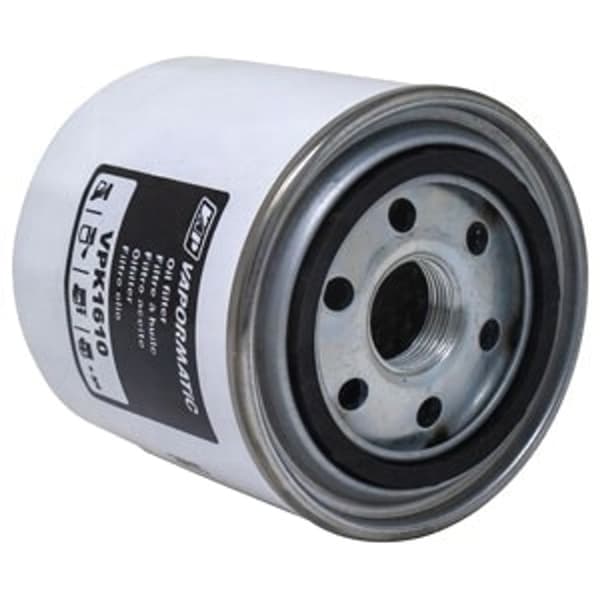
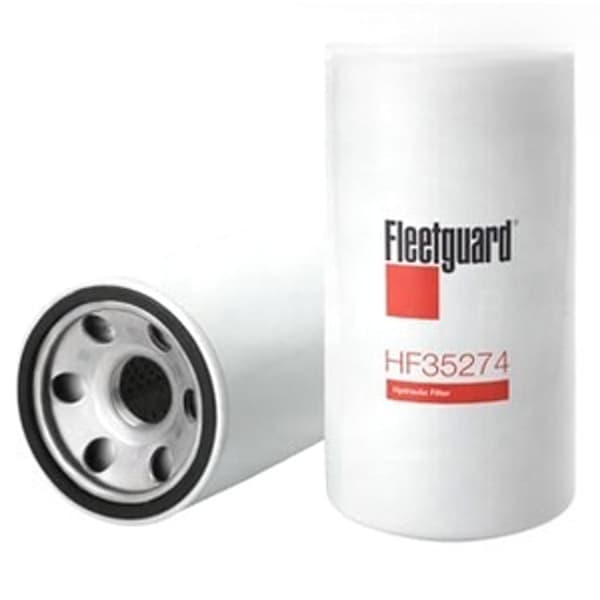
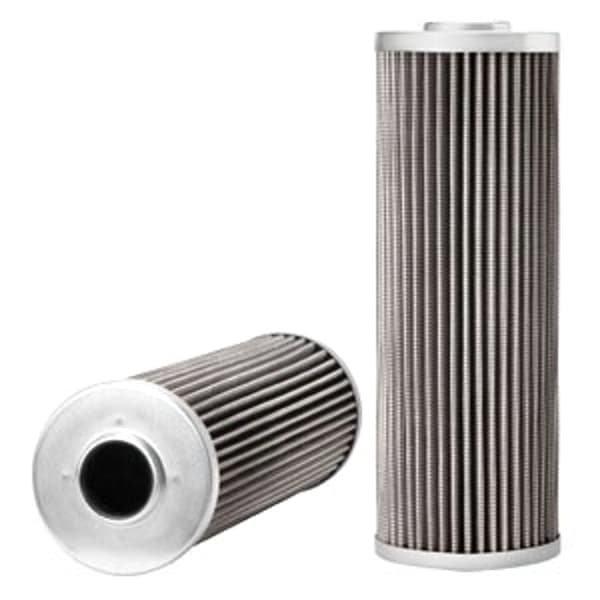
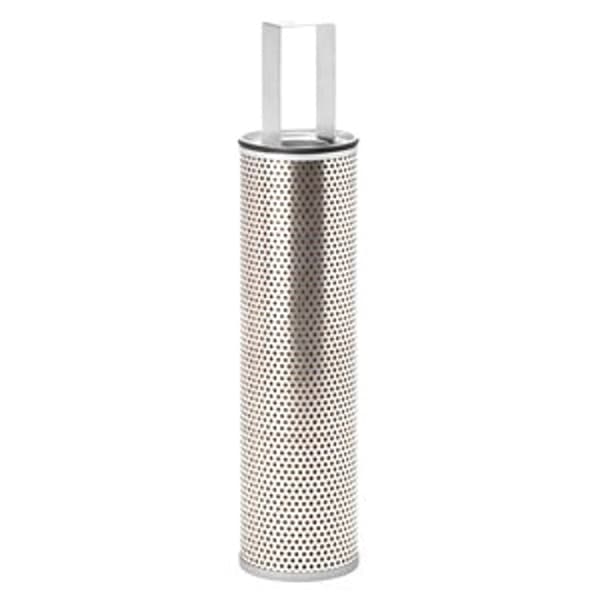
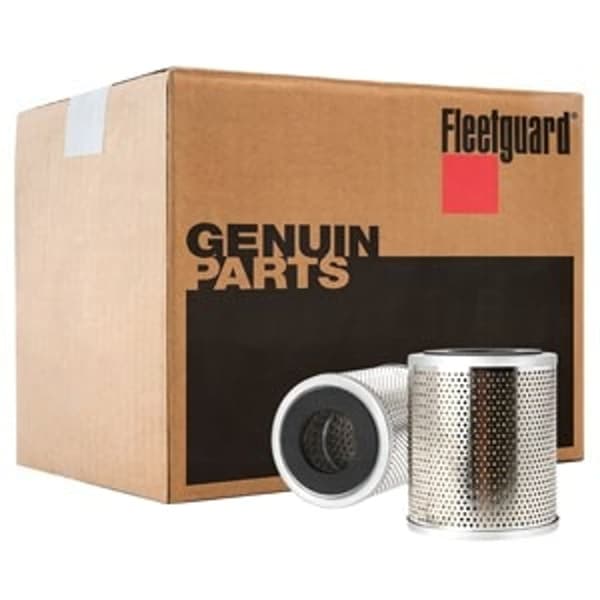
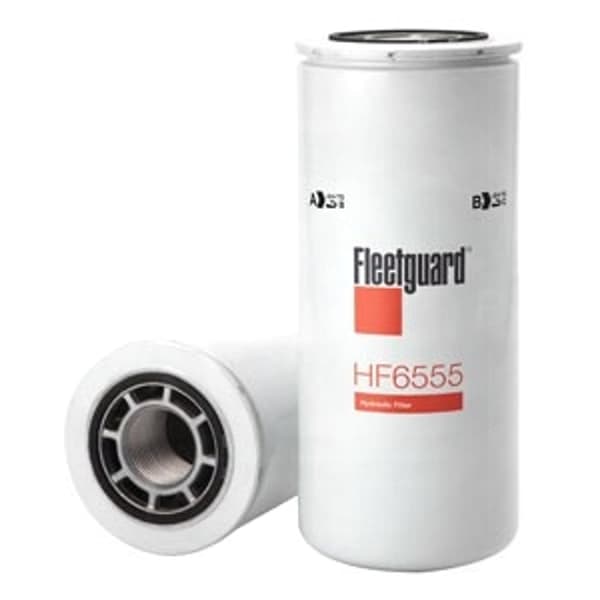
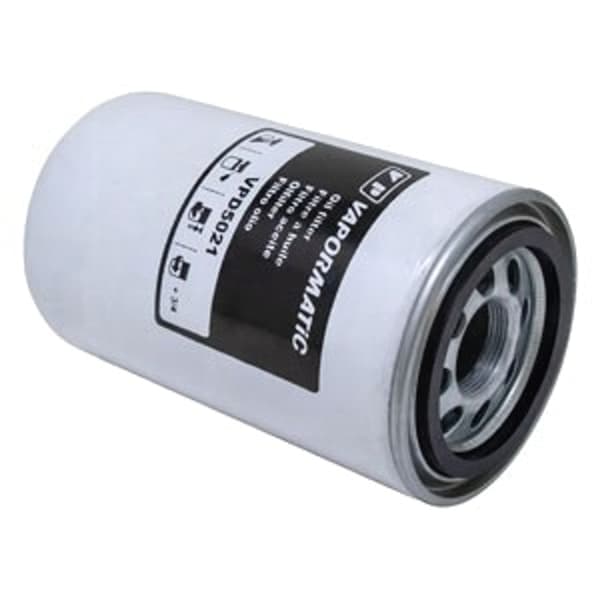
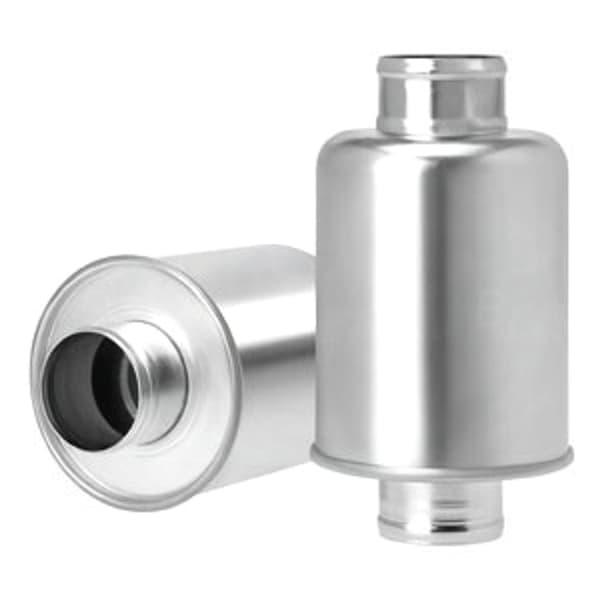
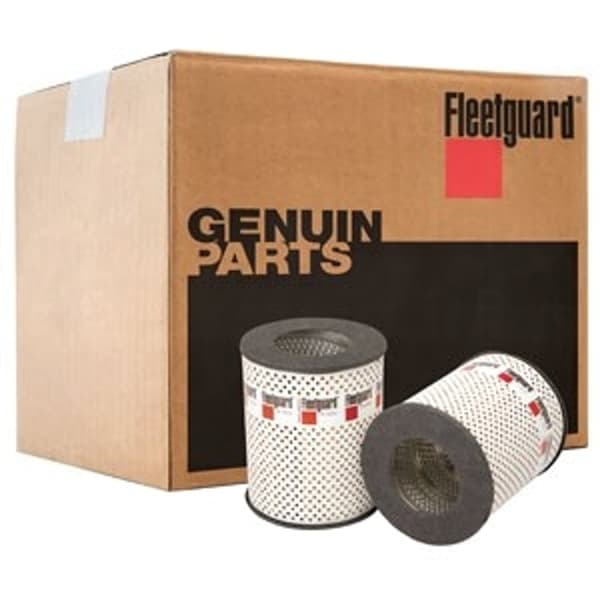
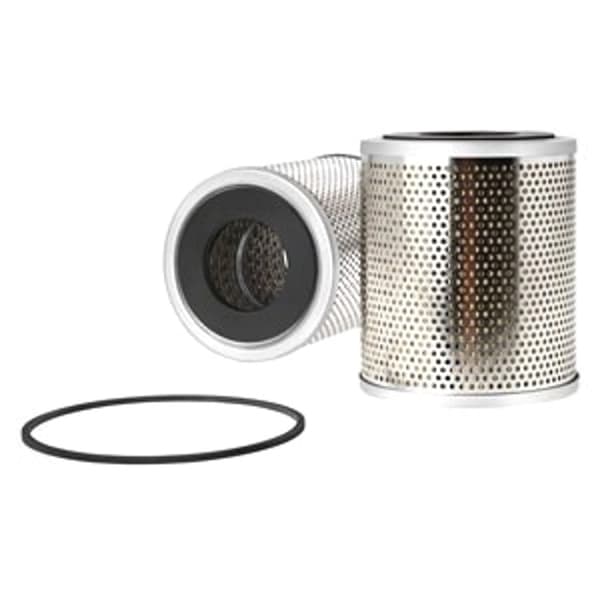
🔍 Looking for a specific part? Try our AI Part Finder — tell it your equipment and what you need, and it will find matching parts instantly.
Why is a Tractor Hydraulic Oil Change Important?
Hydraulic oil performs several critical functions within your tractor:
- Power Transmission: Transfers power from the pump to hydraulic cylinders and motors.
- Lubrication: Reduces friction and wear between moving parts.
- Cooling: Dissipates heat generated by the hydraulic system.
- Contamination Control: Carries contaminants to the filter for removal.
- Corrosion Prevention: Protects metal components from rust and corrosion.
Over time, hydraulic oil loses its ability to perform these functions effectively. Contaminants can damage pumps, cylinders, and valves, leading to reduced performance, increased wear, and eventual failure. Regular oil changes and filter replacements are the best way to prevent these issues. Think of it like changing the oil in your engine – neglecting it leads to major problems down the road.
When to Change Your Tractor's Hydraulic Oil
The recommended interval for a tractor hydraulic oil change varies depending on the tractor model, operating conditions, and the type of hydraulic oil used. Always consult your tractor's operator's manual for specific recommendations. However, as a general guideline:
- New Tractors: Perform the first hydraulic oil change after the initial break-in period, typically around 50-100 hours of operation. This helps remove any manufacturing debris or contaminants that may be present in the system.
- Regular Intervals: Change the hydraulic oil every 500-2000 hours of operation, or every 1-2 years, whichever comes first. Shorter intervals may be necessary in dusty or dirty conditions, or if the tractor is subjected to heavy use.
- Visual Inspection: Regularly inspect the hydraulic oil for signs of contamination, such as a milky or cloudy appearance, excessive foaming, or a burnt odor. If you notice any of these issues, change the oil immediately.
Choosing the Right Hydraulic Oil
Using the correct type of hydraulic oil is crucial for optimal performance and longevity. Again, consult your tractor's operator's manual for specific recommendations. Key considerations include:
- Viscosity: The oil's resistance to flow. Different tractors require different viscosity grades depending on operating temperature and hydraulic system design. Multi-viscosity oils (e.g., 10W-30) provide good performance over a wide range of temperatures.
- Additives: Hydraulic oils contain various additives to improve performance, such as anti-wear agents, corrosion inhibitors, and foam suppressants.
- Manufacturer Specifications: Many tractor manufacturers have their own hydraulic oil specifications (e.g., John Deere Hy-Gard, Case IH Hy-Tran Ultra). Using an oil that meets or exceeds these specifications is highly recommended.
Madison Tractor carries a wide range of hydraulic oils from leading brands, ensuring you can find the right oil for your tractor.
Tractor Hydraulic Oil Capacity by Brand
Knowing your tractor's hydraulic oil capacity is essential for refilling the system correctly. Capacities vary widely depending on the tractor model and year. Consult your operator's manual for the most accurate information. Here are some general capacity ranges for common tractor brands. Remember to always double-check your specific model's requirements:
- John Deere: 5-25 gallons (19-95 liters). For example, a John Deere 4020 might hold around 10 gallons, while a larger 8R series could hold upwards of 20.
- Case IH: 5-20 gallons (19-76 liters). A Case IH Farmall 50A might require around 5 gallons, whereas a larger Magnum series tractor will need closer to 15-20.
- Ford/New Holland: 4-18 gallons (15-68 liters). Ford 8N models hold significantly less oil than newer New Holland T series tractors.
- Massey Ferguson: 4-15 gallons (15-57 liters). A Massey Ferguson 135 will have a lower capacity compared to a Massey Ferguson 7718S.
- Kubota: 3-12 gallons (11-45 liters). Kubota L series tractors typically have smaller hydraulic systems than Kubota M series tractors.
For older models like Allis Chalmers, Deutz, International Harvester, Oliver, and White, refer to your specific model's manual or consult a reputable parts supplier like Madison Tractor. We can often cross-reference your model number to find the correct capacity and recommended oil.
Tools and Materials Needed
Before starting your tractor hydraulic oil change, gather the necessary tools and materials:
- New hydraulic oil (correct type and quantity)
- New hydraulic filter (cross-reference the part number here)
- Wrenches or sockets for drain plugs and filter removal
- Drain pan (large enough to hold the entire oil capacity)
- Funnel
- Clean rags or shop towels
- Gloves
- Safety glasses
- Operator's manual
Step-by-Step Hydraulic Oil Change Procedure
- Safety First: Park the tractor on a level surface, engage the parking brake, and shut off the engine. Allow the hydraulic system to cool down to prevent burns.
- Locate Drain Plug(s): Consult your operator's manual to locate the hydraulic oil drain plug(s). Some tractors may have multiple drain plugs.
- Position Drain Pan: Place the drain pan under the drain plug(s).
- Remove Drain Plug(s): Carefully remove the drain plug(s) using the appropriate wrench or socket. Be prepared for a large volume of oil to flow out.
- Allow Oil to Drain Completely: Let the oil drain completely. This may take 30 minutes or longer.
- Replace Hydraulic Filter: While the oil is draining, locate and remove the old hydraulic filter. Clean the filter mounting surface and lubricate the new filter's gasket with clean hydraulic oil. Install the new filter according to the manufacturer's instructions. Typically, you'll hand-tighten it until the gasket contacts the base, then tighten an additional half to three-quarters of a turn.
- Reinstall Drain Plug(s): Once the oil has drained completely, clean the drain plug(s) and reinstall them. Tighten the drain plug(s) to the torque specification recommended in your operator's manual. If a torque specification isn't available, tighten snugly but do not overtighten. A common torque spec is around 30-40 ft-lbs, but always verify.
- Locate Fill Port: Consult your operator's manual to locate the hydraulic oil fill port.
- Fill with New Oil: Using a funnel, carefully pour the new hydraulic oil into the fill port until the oil level reaches the full mark on the dipstick or sight glass. Refer to your operator's manual for the correct fill level.
- Check Oil Level: After filling, check the oil level again to ensure it is correct.
- Start Engine and Check for Leaks: Start the engine and let it run for a few minutes. Check for any leaks around the drain plug(s) and filter.
- Operate Hydraulic System: Operate the hydraulic system (e.g., raise and lower the loader) to circulate the new oil and purge any air from the system.
- Recheck Oil Level: After operating the hydraulic system, shut off the engine and recheck the oil level. Add more oil if necessary.
- Dispose of Used Oil Properly: Dispose of the used hydraulic oil and filter at a designated recycling center or collection point.
Safety Warning: Hydraulic oil can be hot and under pressure. Exercise caution when removing drain plugs and filters. Always wear safety glasses and gloves to protect yourself from injury. Refer to the Material Safety Data Sheet (MSDS) for specific handling precautions.
We Carry Hydraulic Parts for All Major Brands
Madison Tractor Company stocks a huge inventory of parts for a wide range of tractors and combines. Whether you need a John Deere hydraulic pump, a Ford hydraulic pump for your 2000 series, a Case IH hydraulic pump for your MXU series, a Massey Ferguson hydraulic pump for your 265, or a Kubota hydraulic pump for your L series, we have you covered. We also carry parts for Allis Chalmers, Deutz, International Harvester, Oliver, White, Gleaner, Vermeer, Hesston, Mahindra, Zetor, and more! Beyond hydraulic components, we offer radiators, water pumps, starters, alternators, clutch kits, PTO parts, fuel pumps, carburetors, injectors, filters, gaskets, pistons, bearings, seals, belts, chains, concaves, and sickle sections. If you need it, chances are we have it.
Troubleshooting Hydraulic Issues
If you're experiencing hydraulic issues, such as slow operation, jerky movements, or leaks, it's essential to diagnose the problem accurately. Common causes include:
- Low Hydraulic Oil Level: Check the oil level and add oil if necessary.
- Clogged Hydraulic Filter: Replace the filter.
- Air in the Hydraulic System: Bleed the air from the system.
- Leaking hydraulic hoses or Fittings: Inspect hoses and fittings for leaks and replace as needed.
- Faulty hydraulic pump: If the pump is not producing adequate pressure, it may need to be repaired or replaced.
- Malfunctioning Hydraulic Cylinders or Valves: These components can fail over time and require repair or replacement.
For complex issues, it's best to consult a qualified mechanic.
Shop Tractor Hydraulic Parts at Madison Tractor
Performing a regular tractor hydraulic oil change is a simple yet crucial maintenance task that can significantly extend the life of your equipment and prevent costly repairs. Madison Tractor Company is your one-stop shop for all your tractor hydraulic needs. Browse our extensive selection of hydraulic filters, hydraulic oil, hydraulic pumps, hydraulic cylinders, and hydraulic hoses for all major brands. Shop with confidence knowing you're getting quality parts at competitive prices. Contact us today if you need help finding the right parts for your tractor! You can also use our AI-Powered Part Finder to search for parts by your specific make and model.
Part of our comprehensive guide
Tractor Hydraulic System Guide: Pumps, Cylinders & Troubleshooting