








Tractor Fuel Cap: Vented & Non-Vented by Brand
Choosing the correct tractor fuel cap is crucial for proper fuel system operation. This guide explains the difference between vented and non-vented caps, troubleshooting tips, and how to select the right replacement for your tractor.
Understanding Tractor Fuel Caps: Vented vs. Non-Vented
Your tractor's fuel cap might seem like a small component, but it plays a vital role in the overall health and performance of your engine. Understanding the difference between vented and non-vented caps is crucial for ensuring proper fuel delivery and preventing potential issues. Here at Madison Tractor Company, we often get asked about fuel cap compatibility. This guide will help you determine the right cap for your machine, whether it's a John Deere, Case IH, Ford, or any other major brand.
Recommended Parts for This Guide
10 parts we recommend — in stock, ships fast, one-click add to cart.
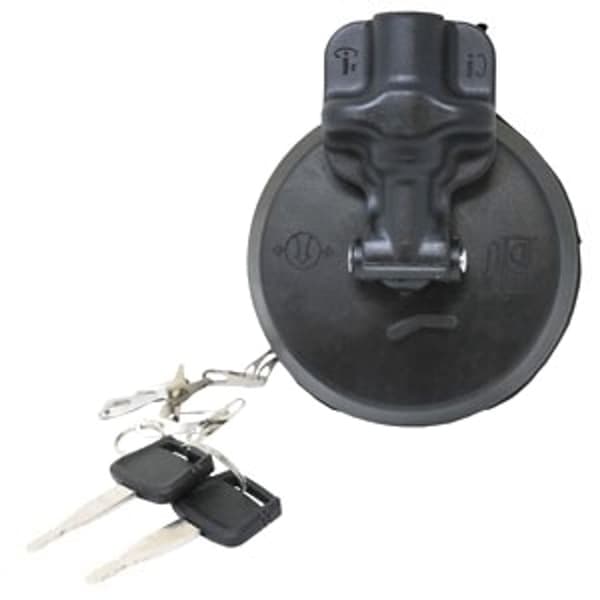


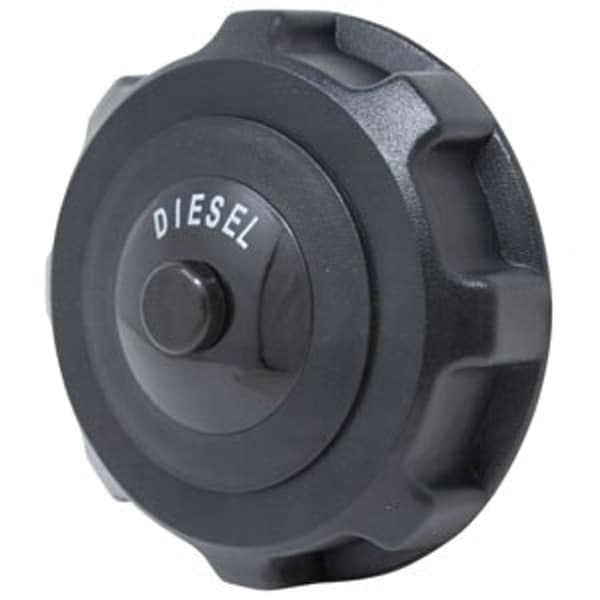
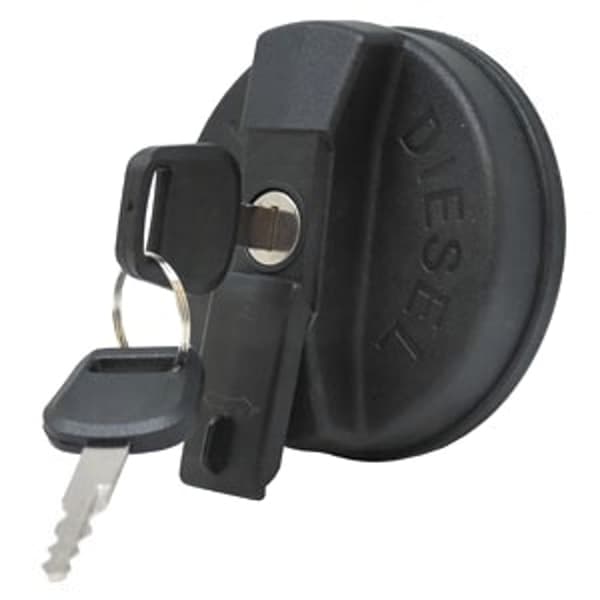



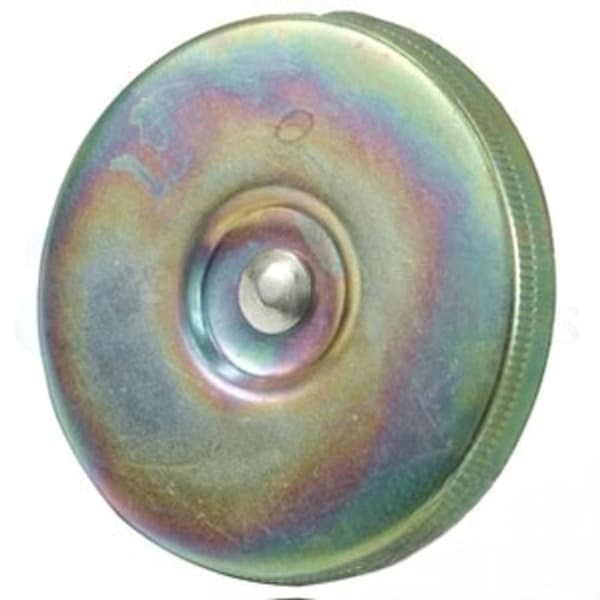

🔍 Looking for a specific part? Try our AI Part Finder — tell it your equipment and what you need, and it will find matching parts instantly.
Essentially, a fuel cap's function is to seal the fuel tank, preventing fuel from sloshing out and contaminants from entering. However, as fuel is drawn from the tank to supply the carburetor or injectors, a vacuum is created. Without a way to equalize the pressure, the engine would be starved of fuel.
Vented Fuel Caps
Vented fuel caps have a small vent that allows air to enter the fuel tank, preventing a vacuum from forming. This is typical on older tractors and those with gravity-fed fuel systems. These systems generally do not use a fuel pump and rely on gravity to feed the carburetor. A common example is many older Ford tractors, like the 8N, 9N early NAA models. A vented fuel cap will often have a small hole visible on the top or side of the cap. This vent may or may not have a small filter. Check and clean it regularly.
Why are vented fuel caps important?
- Prevent Vapor Lock A vacuum in the fuel tank can lead to vapor lock, where fuel vaporizes in the fuel lines, starving the engine.
- Ensure Consistent Fuel Flow Venting ensures a consistent flow of fuel to the engine, maintaining optimal performance.
- Prevent Tank Collapse Extreme vacuum can even collapse a fuel tank, causing significant damage.
Non-Vented Fuel Caps
Non-vented fuel caps, as the name suggests, do not have a vent. These are typically used on newer tractors equipped with fuel pumps and fuel tank venting systems. Instead of venting through the cap, the fuel tank itself has a separate vent, often incorporated into the fuel line or emissions control system. Many modern John Deere, Case IH New Holland tractors utilize non-vented fuel caps.
Why are non-vented fuel caps used?
- Emissions Control Non-vented caps are crucial for preventing fuel vapors from escaping into the atmosphere, reducing emissions.
- Fuel System Integrity In pressurized fuel systems, a vented cap would compromise the system's ability to maintain pressure.
- Modern Tractor Design Newer tractors often have more sophisticated fuel systems that incorporate venting elsewhere.
Identifying Your Tractor's Fuel Cap Type
Determining whether you need a vented or non-vented fuel cap is essential. Here's a simple guide
- Check Your Tractor's Manual The operator's manual will specify the correct fuel cap type.
- Visual Inspection Look for a vent hole on the cap. If there's a visible hole, it's likely a vented cap.
- Consider Your Tractor's Age Older tractors (pre-1980s) are more likely to use vented caps. Newer tractors often use non-vented caps.
- Fuel System Design If your tractor has a mechanical or electric fuel pump, it likely requires a non-vented cap. Gravity-fed systems typically use vented caps.
Warning Using the wrong type of fuel cap can lead to serious engine problems. Never replace a vented cap with a non-vented one, or vice-versa, without confirming it's the correct type for your tractor.
Symptoms of a Faulty tractor fuel cap
A failing fuel cap can cause a range of issues, impacting your tractor's performance. Here are some common symptoms
- Engine Stalling Especially at higher speeds or under load, due to fuel starvation.
- Difficulty Starting A vacuum in the fuel tank can make it hard for the engine to draw fuel.
- Fuel Leaks A damaged or poorly sealed cap can leak fuel, posing a fire hazard.
- Whistling Sound A worn-out vented cap might produce a whistling sound as air is drawn in.
- Collapsed Fuel Tank In extreme cases, a non-vented cap on a system that requires venting can collapse the fuel tank.
- Check Engine Light On newer tractors with electronic fuel injection, a malfunctioning fuel cap or venting system can trigger the check engine light.
Troubleshooting & Maintenance
Here's how to troubleshoot and maintain your tractor's fuel cap
- Inspect the Cap Check for cracks, damage to the seal debris obstructing the vent (if it's a vented cap).
- Clean the Cap Clean the cap and the fuel tank filler neck with a clean cloth. For vented caps, use a small wire or compressed air to clear the vent.
- Test the Seal Inspect the fuel cap gasket. Replace if it is cracked, brittle, or missing. A new fuel cap is often the best solution if the gasket cannot be replaced separately.
- Check the Fuel Tank Vent If your tractor uses a non-vented cap, ensure the fuel tank vent is clear and functioning correctly. Consult your tractor's service manual for the location and maintenance procedures for the vent.
Safety Warning Always work in a well-ventilated area when dealing with fuel. Avoid sparks or open flames.
Replacing Your Tractor Fuel Cap
When replacing your tractor fuel cap, it's crucial to choose the correct replacement. Here's how
- Identify Your Tractor's Make and Model This will help you find the correct part. For example, a John Deere 4020 will have a different fuel cap than a Farmall Cub.
- Check the Original Part Number If possible, locate the original part number on the old cap. This ensures you get an exact replacement. Cross-reference this number with available aftermarket options.
- Consult Madison Tractor Company's Website We carry a wide range of John Deere, Case IH, Ford, New Holland, Massey Ferguson, Kubota, Allis Chalmers, Deutz, International Harvester, Oliver, White, Gleaner, Vermeer, Hesston, Mahindra Zetor tractor parts, including fuel caps.
Example OEM part numbers
- Ford/New Holland E9NN9030AA is a common fuel cap.
- Case IH 3134278R91 for specific International Harvester tractors.
When searching on our website, be sure to use your tractor's model number and keywords like "fuel cap" to find the correct part. Our team is also available to assist you with finding the right tractor parts for your specific needs.
Beyond the Fuel Cap: Maintaining Your Tractor's Fuel System
The fuel cap is just one component of a complex fuel system. Regular maintenance of the entire system is crucial for optimal performance and longevity. This includes
- Fuel Filters Replace your fuel filters regularly to prevent contaminants from reaching the engine.
- Fuel Lines Inspect fuel lines for cracks and leaks. Replace them as needed.
- Carburetor/Injectors Clean or rebuild the carburetor or injectors as necessary.
- Fuel Pump Ensure the fuel pump is delivering adequate pressure.
- Fuel Tank Periodically drain and clean the fuel tank to remove sediment and water.
At Madison Tractor Company, we offer a wide range of parts to keep your tractor running smoothly. From radiators and water pumps to starters, hydraulic pumps, clutch kits, PTO parts engine components like pistons, bearingsgaskets, we have the parts you need to keep your equipment in top condition.
Shop Tractor Parts at Madison Tractor Company
Keeping your tractor in top working condition is essential for productivity. Whether you need a replacement fuel cap, carburetor, fuel pump, or any other part, Madison Tractor Company is here to help. We offer a wide selection of high-quality parts at competitive prices, with fast shipping and excellent customer service. Browse our online catalog today or contact our knowledgeable team for assistance in finding the right parts for your tractor! You can also use our AI-Powered Part Finder to search for parts by your specific make and model.
Part of our comprehensive guide
Tractor Fuel System Guide: Carburetor, Injection & Fuel Pump Parts