








John Deere Diesel Lift Pump: Fuel Transfer Pump Parts
A properly functioning lift pump is crucial for your John Deere diesel tractor. Learn about diagnosing lift pump issues, replacement options, and maintaining your tractor's fuel system to keep it running smoothly.
John Deere Lift Pump: The Heart of Your Diesel Fuel System
The John Deere lift pump, also known as a fuel transfer pump, is a vital component of your diesel tractor's fuel system. Its primary function is to draw fuel from the fuel tank and deliver it to the fuel injection pump at the correct pressure. Without a properly functioning lift pump, your tractor may experience hard starting, reduced power, or even complete fuel starvation. This article will cover the basics of John Deere lift pumps, including common issues, troubleshooting tips replacement information.
Recommended Parts for This Guide
10 parts we recommend — in stock, ships fast, one-click add to cart.
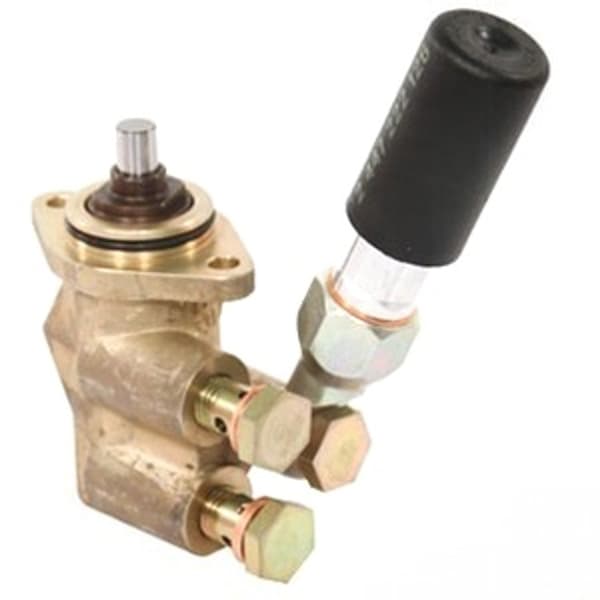
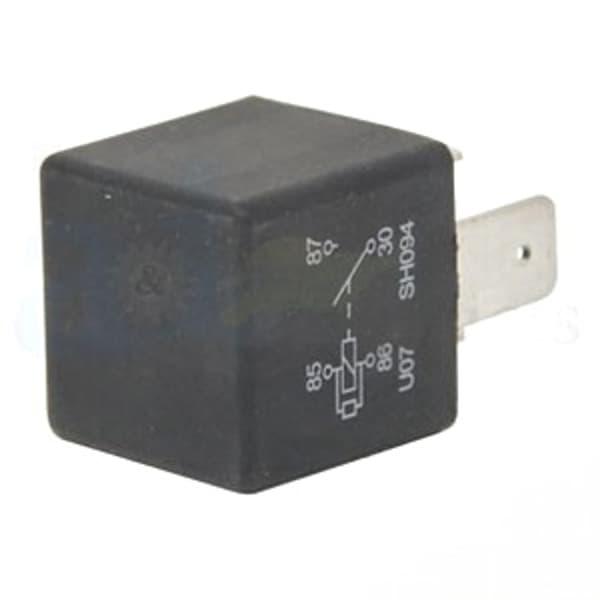
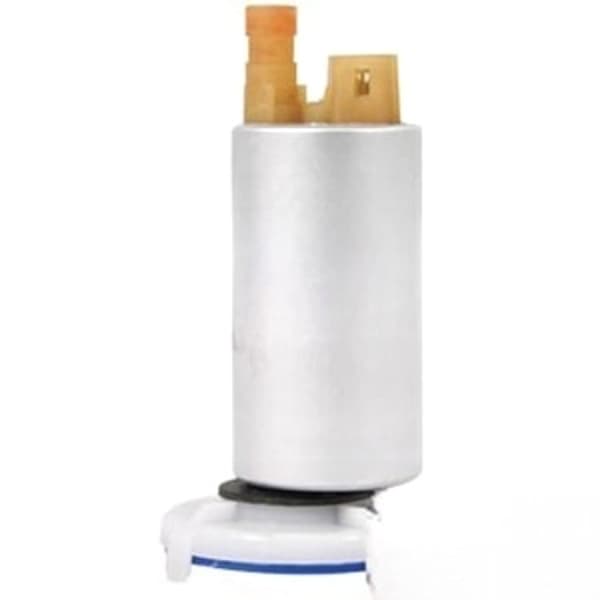
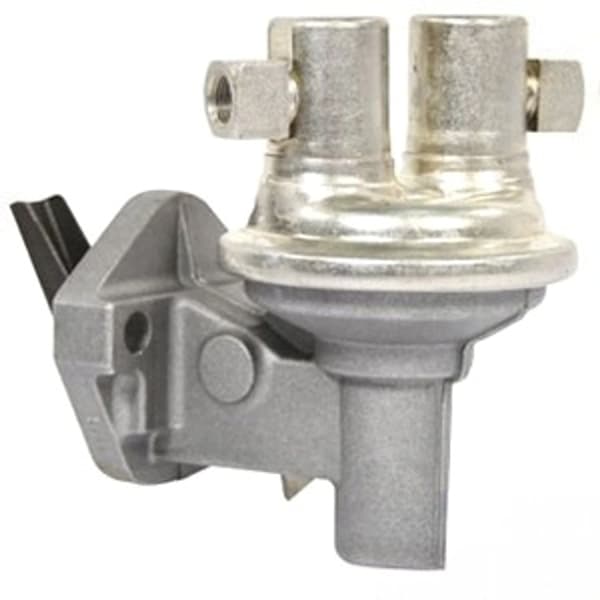
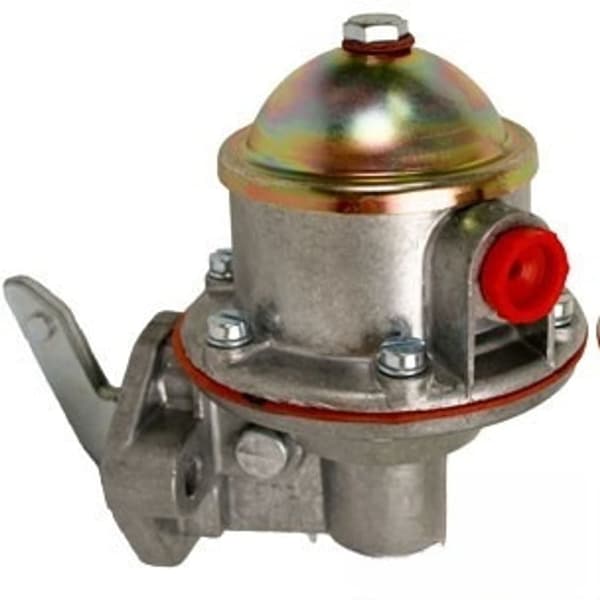
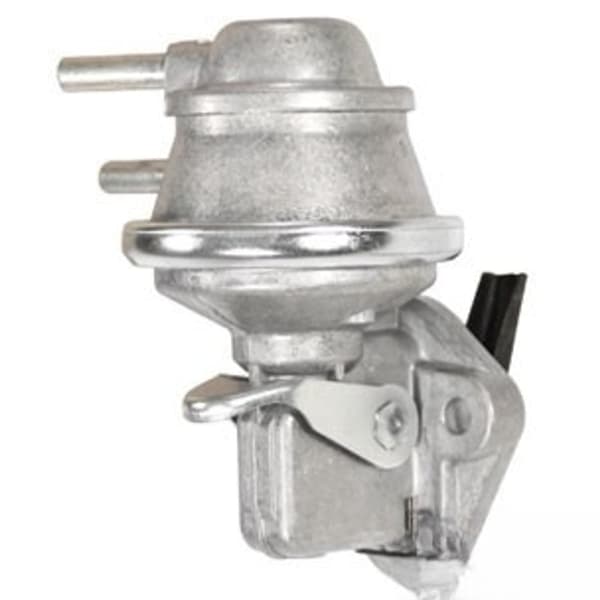
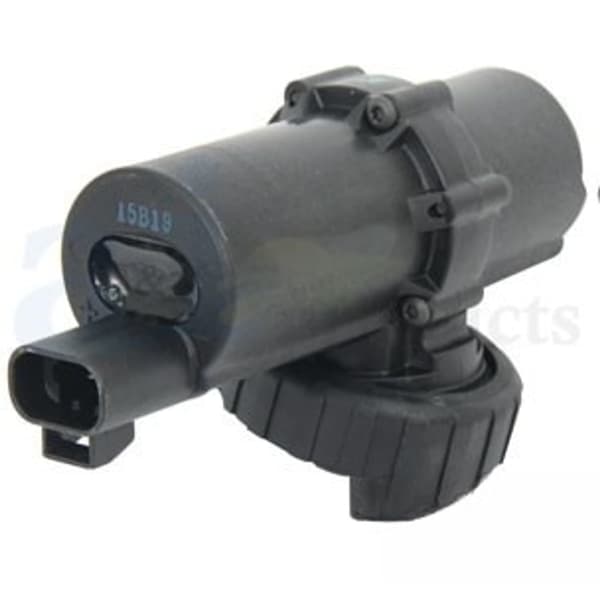
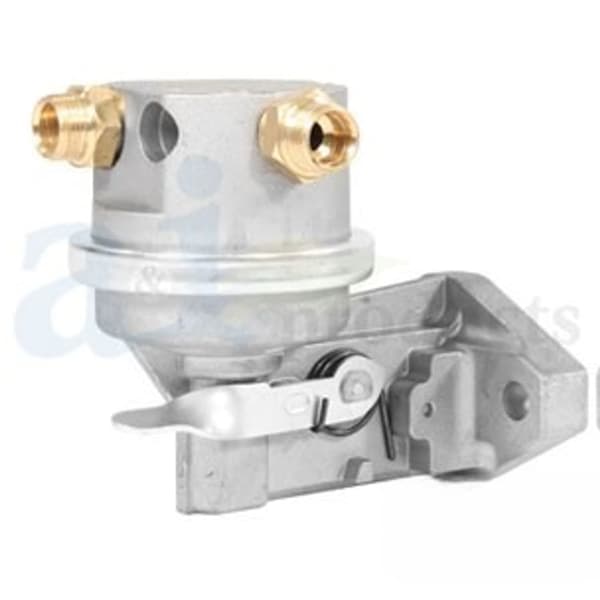
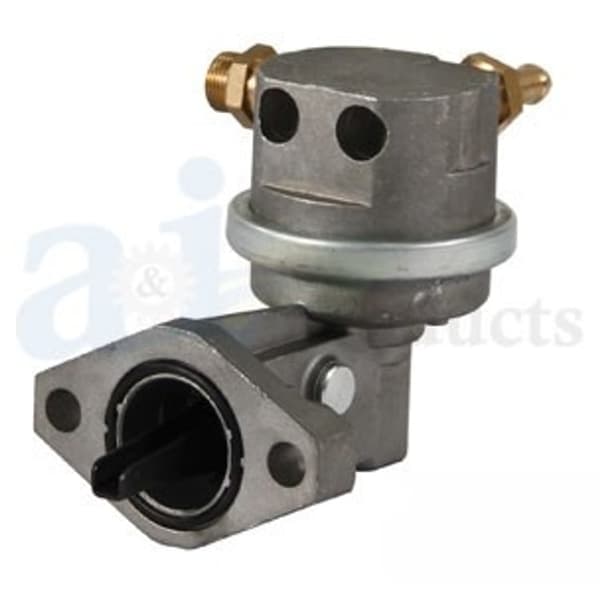
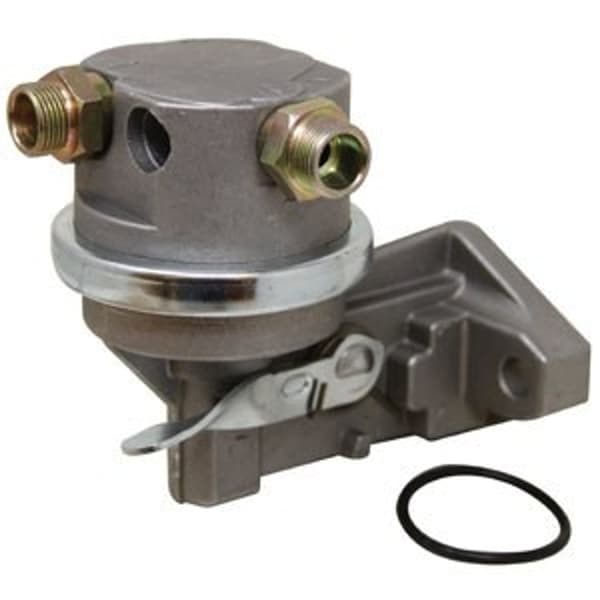
🔍 Looking for a specific part? Try our AI Part Finder — tell it your equipment and what you need, and it will find matching parts instantly.
At Madison Tractor Company, we understand the importance of keeping your equipment running. We stock a wide range of fuel system parts, including lift pumps, for various brands like John Deere, Case IH, Ford, New Holland, Massey Ferguson, Kubota, Allis Chalmers, Deutz, International Harvester, Oliver, White, Gleaner, Vermeer, Hesston, Mahindra Zetor. Whether you need a complete replacement pump, filters, or other fuel system components, we're here to help.
Remember that the fuel system is a complex part of your tractor. Before beginning any work, consult your tractor's service manual for specific instructions and safety precautions.
Understanding the John Deere Diesel Fuel System
To understand the role of the lift pump, it's essential to grasp the basics of a diesel fuel system. Here's a simplified overview
- Fuel Tank Stores the diesel fuel.
- Fuel Filter(s) Removes contaminants from the fuel to protect the injection pump and injectors. Often a primary and secondary filter. Fuel filters should be changed regularly.
- John Deere Lift Pump Draws fuel from the tank and delivers it to the fuel injection pump.
- Fuel Injection Pump Meters and pressurizes the fuel before sending it to the injectors.
- Injectors Atomize the fuel and spray it into the combustion chamber.
- Return Line Returns excess fuel from the injection pump and injectors back to the fuel tank.
The lift pump ensures that the fuel injection pump has a constant supply of fuel under pressure, which is crucial for proper engine operation. Without adequate fuel delivery, the engine may not start, run erratically, or lack power. You may also want to review our related article, John Deere Tractor Fuel Pump: Gas & Diesel Models, for more details.
Types of John Deere Lift Pumps
John Deere tractors typically use either mechanical or electric lift pumps, depending on the model and year.
- Mechanical Lift Pumps These pumps are driven by the engine's camshaft or a dedicated pump drive. They are typically found on older models. Mechanical pumps are generally more reliable but can be more difficult to replace.
- Electric Lift Pumps These pumps are electrically powered and are often located near the fuel tank. Electric pumps offer more consistent fuel delivery and can be easier to install. They are common on newer John Deere tractors.
Common Problems with John Deere Lift Pumps
Several issues can cause a John Deere lift pump to fail or perform poorly. Here are some common problems
- Worn Diaphragm (Mechanical Pumps) Over time, the diaphragm in a mechanical lift pump can crack or deteriorate, leading to reduced fuel output.
- Contaminated Fuel Dirt, water, or other contaminants in the fuel can damage the pump's internal components, causing it to fail. Always use clean fuel and maintain your fuel filters.
- Clogged Fuel Filter A clogged filter restricts fuel flow, placing extra strain on the lift pump and potentially causing it to fail. Replace your fuel filters regularly.
- Air Leaks Air leaks in the fuel lines or connections can cause the lift pump to lose prime and prevent it from drawing fuel properly.
- Electrical Issues (Electric Pumps) Problems with the pump's wiring, relay, or fuse can prevent it from operating.
Troubleshooting Your John Deere Lift Pump
Before replacing your lift pump, it's important to diagnose the problem accurately. Here are some troubleshooting steps
- Check the Fuel Filter A clogged fuel filter is the most common cause of fuel delivery problems. Replace the filter and see if the problem resolves.
- Inspect Fuel Lines Look for any signs of leaks, cracks, or damage to the fuel lines. Replace any damaged lines.
- Test Fuel Flow Disconnect the fuel line at the fuel injection pump and crank the engine (or turn on the ignition for an electric pump). Observe the fuel flow. A healthy lift pump should deliver a steady stream of fuel.
- Check for Air Leaks Inspect all fuel line connections for tightness. You can also use a clear hose to look for air bubbles in the fuel.
- Test Electrical Components (Electric Pumps) Use a multimeter to check the voltage at the pump's terminals. Ensure the pump is receiving power when the ignition is turned on. Also, check the fuse and relay.
- Manual Priming Many lift pumps have a manual priming lever. Use this to manually pump fuel and see if it improves the fuel delivery.
Safety Warning When working with fuel, always disconnect the battery to prevent accidental sparks. Work in a well-ventilated area and avoid open flames. Dispose of fuel properly.
Replacing Your John Deere Lift Pump
If your lift pump is faulty, replacement is often the best solution. Here's a general guide to replacing a John Deere lift pump
- Gather Your Tools You'll need wrenches, screwdrivers, pliers, a fuel line disconnect tool (if required) a new lift pump.
- Disconnect the Fuel Lines Carefully disconnect the fuel lines from the old lift pump. Have a container ready to catch any spilled fuel.
- Remove the Old Pump Unbolt the old lift pump from the engine block or mounting bracket.
- Install the New Pump Install the new lift pump in the reverse order of removal. Use new gaskets or seals to ensure a tight seal.
- Reconnect the Fuel Lines Reconnect the fuel lines to the new lift pump, ensuring they are securely tightened.
- Prime the Fuel System If your lift pump has a manual priming lever, use it to prime the fuel system. You may also need to bleed the fuel lines at the fuel injection pump.
- Start the Engine Start the engine and check for any leaks.
Note Specific procedures may vary depending on your tractor model. Always refer to your tractor's service manual for detailed instructions. For example, on a John Deere 4020, the lift pump is mechanically driven and located on the side of the engine. A common OEM part number replacement is RE27667.
Choosing the Right John Deere Lift Pump Replacement
When replacing your John Deere lift pump, it's crucial to choose the correct replacement. Here are some factors to consider
- OEM Part Number The best way to ensure you get the correct replacement is to use the original equipment manufacturer (OEM) part number. This number can be found in your tractor's service manual or by contacting a John Deere dealer.
- Tractor Model and Year Make sure the lift pump is compatible with your specific tractor model and year.
- Pump Type Determine whether you need a mechanical or electric lift pump.
- Quality Choose a reputable brand known for producing high-quality parts. At Madison Tractor Company, we offer both OEM and aftermarket options from trusted manufacturers.
For example, if you're working on a John Deere 7200 tractor, you'll want to verify that the lift pump is designed to work with that specific model. Using a lift pump designed for a different model may lead to performance issues or even damage to the fuel system.
Preventive Maintenance for Your John Deere Fuel System
Regular maintenance is essential to keep your John Deere fuel system operating smoothly and prevent lift pump failures. Here are some tips
- Use Clean Fuel Always use high-quality diesel fuel from a reputable source.
- Replace Fuel Filters Regularly Follow the manufacturer's recommendations for fuel filter replacement.
- Check Fuel Lines Regularly inspect fuel lines for leaks, cracks, or damage.
- Drain Water Separators If your tractor has a water separator, drain it regularly to remove any accumulated water.
- Inspect Fuel Tank Periodically inspect the fuel tank for sediment or corrosion.
Properly maintaining your fuel system can significantly extend the life of your lift pump and other fuel system components, like diesel injectors. Remember that other maintenance tasks are also important, such as checking and replacing radiators and water pumps to prevent overheating, which can indirectly affect fuel system performance.
Madison Tractor Company: Your Partner for John Deere Parts
At Madison Tractor Company, we are committed to providing our customers with high-quality parts and exceptional service. We stock a wide selection of John Deere lift pumps, fuel pumps, filters other fuel system components to keep your tractor running smoothly. We also carry a comprehensive range of parts, including starters, alternators, hydraulic pumps, clutch kitsPTO parts.
Browse our online catalog or contact our knowledgeable team today to find the right parts for your John Deere tractor. We are here to help you keep your equipment in top condition and maximize its performance. Visit us at Madison Tractor Company to shop our wide selection of parts today!
🔍 Can't Find Your Part?
Use our AI-Powered Part Finder to search by your equipment's make, model, and what you need. It's the fastest way to find the exact part for your machine.
Try the Part Finder →Part of our comprehensive guide
Tractor Fuel System Guide: Carburetor, Injection & Fuel Pump Parts