








Tractor Pressure Plate: Single, Dual & Diaphragm Types
The tractor pressure plate is a critical component of your tractor's clutch system. This article breaks down the different types—single, dual, and diaphragm—and provides valuable insights into their function, maintenance, and troubleshooting.
Introduction to Tractor Pressure Plates
The tractor pressure plate is a vital component within the clutch assembly, responsible for engaging and disengaging power between the engine and the transmission. Without a properly functioning pressure plate, your tractor won't move, shift gears effectively, or operate implements via the PTO. Understanding the different types of pressure plates and their specific functions is essential for proper maintenance and repair. At Madison Tractor Company, we carry a wide range of pressure plates for various tractor brands, including John Deere, Case IH, Ford, New Holland, Massey Ferguson, Kubota, Allis Chalmers, Deutz, International Harvester, Oliver, White, Gleaner, Vermeer, Hesston, Mahindra, and Zetor.
Recommended Parts for This Guide
9 parts we recommend — in stock, ships fast, one-click add to cart.
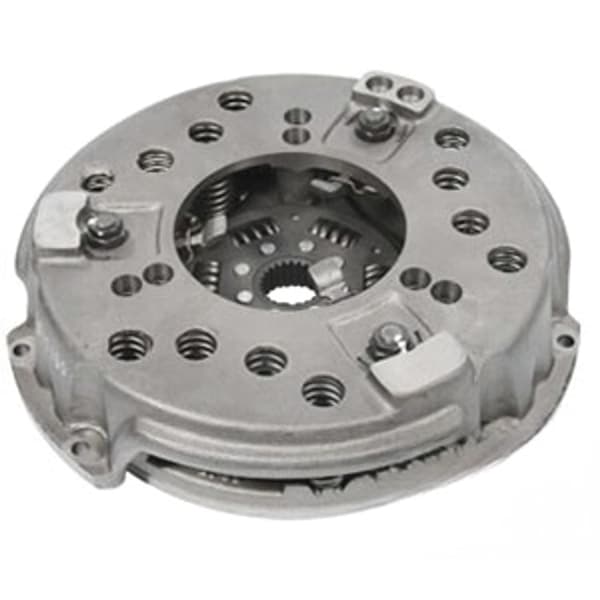
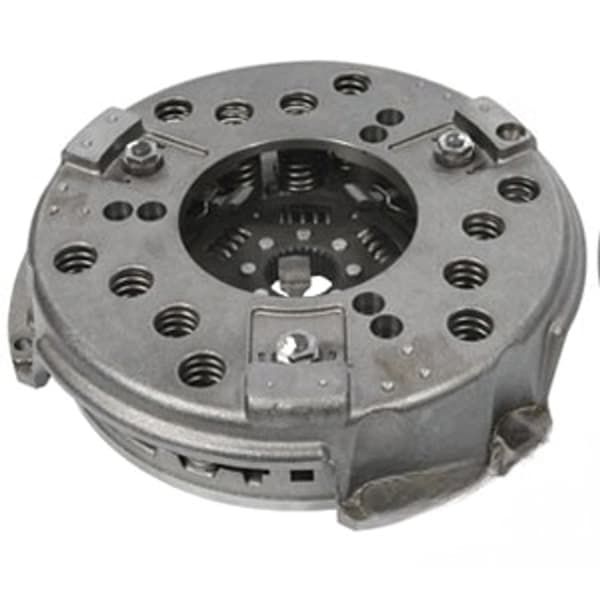
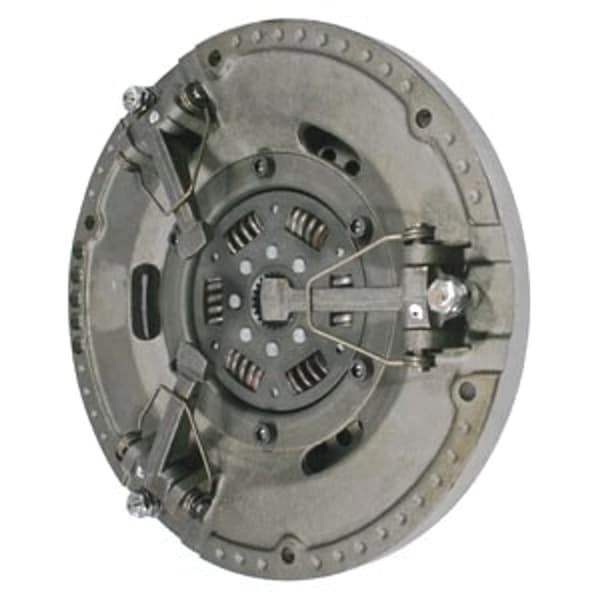
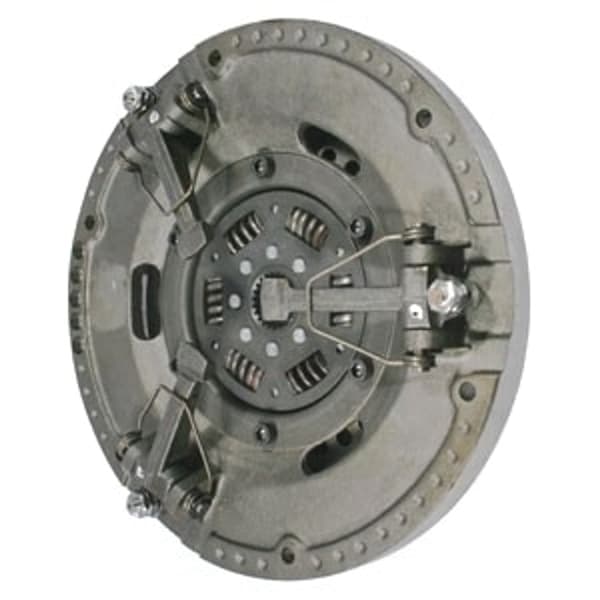
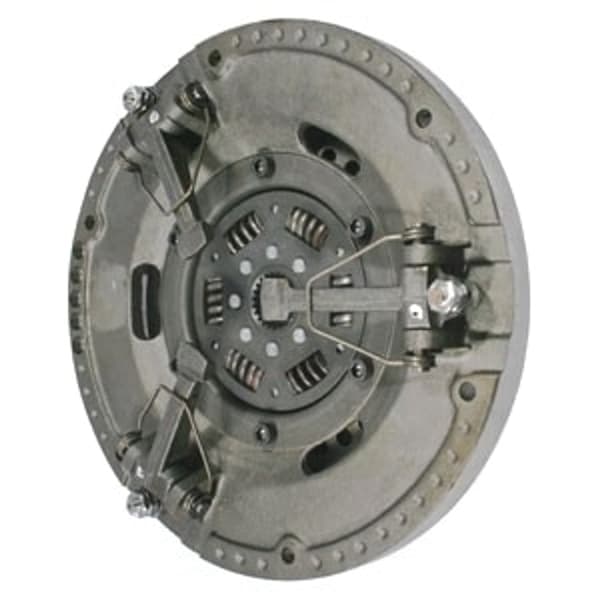
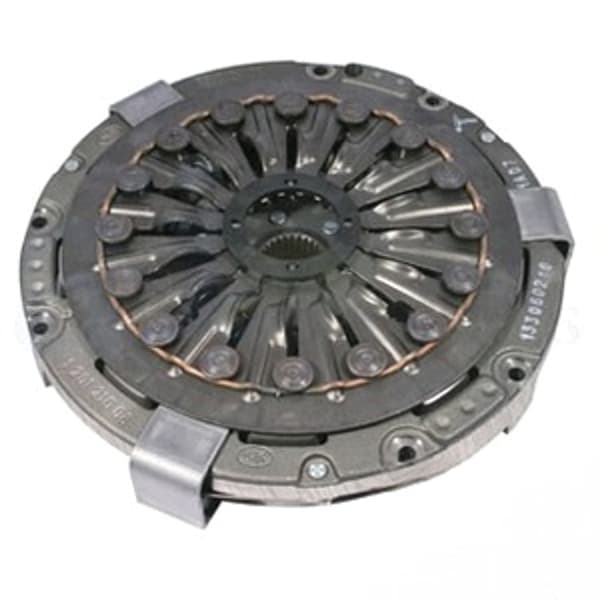
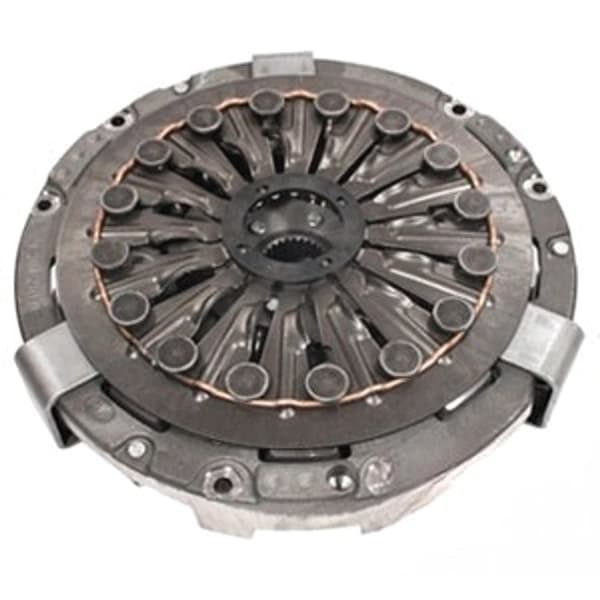
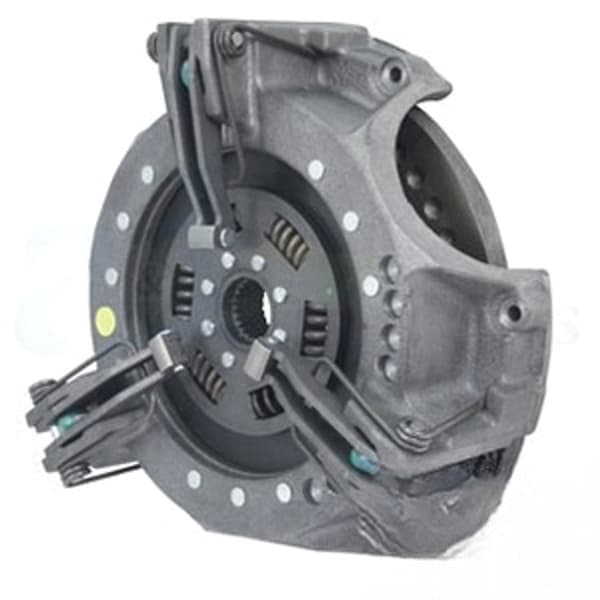
🔍 Looking for a specific part? Try our AI Part Finder — tell it your equipment and what you need, and it will find matching parts instantly.
Before working on any clutch system, always consult your tractor's service manual and disconnect the battery to prevent accidental starting. Safety first!
Types of Tractor Pressure Plates
There are three main types of tractor pressure plates:
- Single Pressure Plate: This is the simplest design, typically found in older or smaller tractors. It uses a single set of springs to apply pressure to the clutch disc, engaging the transmission.
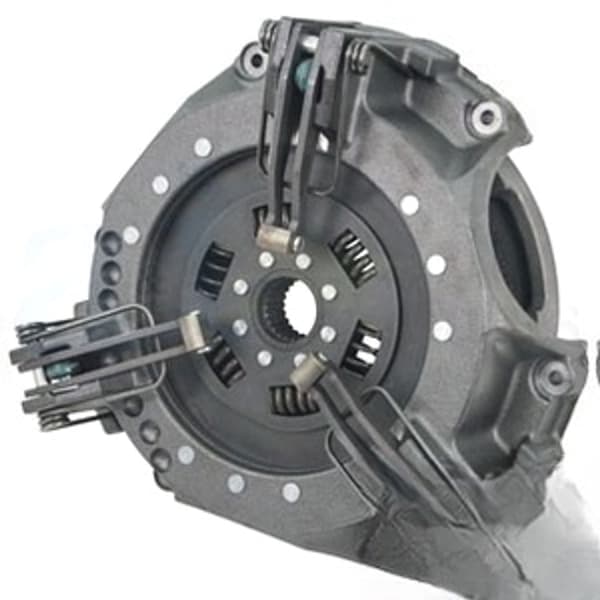
- Dual Pressure Plate: Commonly used in larger tractors, a dual pressure plate system provides two stages of clutch operation. The first stage disengages the transmission for shifting gears, while the second stage disengages the PTO, allowing you to stop implements while the tractor is still running. This is especially useful for operations like baling with a Vermeer baler or harvesting with a Gleaner combine.
- Diaphragm Pressure Plate: This type uses a single diaphragm spring (a coned disc spring) to apply pressure to the clutch disc. Diaphragm pressure plates offer a more consistent clamping force and are generally smoother in operation compared to coil spring types. They are becoming increasingly common in modern tractors.
Single pressure plate systems
Single pressure plate systems are straightforward. They consist of a pressure plate, clutch disc, and release bearing (tractor throw out bearing). When the clutch pedal is released, the springs within the pressure plate clamp the clutch disc against the flywheel, transmitting power to the transmission. Pressing the clutch pedal disengages the springs, separating the clutch disc and stopping power flow.
Example: Many older Ford tractors, like the Ford 8N, Ford 9N, and Ford 2000 series used a single pressure plate system. We offer complete Ford tractor clutch kits for these models.
Troubleshooting a Single Pressure Plate
- Clutch Slippage: Could be due to worn clutch disc, weak pressure plate springs, or oil contamination.
- Clutch Chatter: Often caused by a warped pressure plate or uneven wear on the clutch disc.
- Clutch Drag: May be caused by a bent or damaged release fork or linkage issues.
Dual pressure plate systems
Dual pressure plate systems are more complex but offer the significant advantage of independent PTO control. This means you can stop your hay baler, brush hog, or other PTO-driven implement without stopping the tractor itself. The dual-stage clutch pedal allows for this functionality.
How it works: Pressing the clutch pedal halfway disengages the transmission clutch, allowing you to shift gears. Pressing the pedal fully disengages both the transmission clutch and the PTO clutch. Two separate pressure plates are involved: one for the transmission and one for the PTO.
Example: Many John Deere tractors, such as the 4020 and 4030 models, utilize a dual pressure plate system. A john deere tractor clutch kit often includes both pressure plates, clutch discs, and the release bearing.
Troubleshooting a Dual Pressure Plate
- PTO Won't Disengage: Could indicate a problem with the PTO pressure plate, the PTO clutch disc, or the PTO linkage.
- Transmission Slipping, PTO Working Fine: Indicates an issue with the transmission pressure plate or clutch disc.
- Difficulty Shifting Gears: Could point to problems with the transmission pressure plate release mechanism.
Diaphragm Pressure Plate Systems
Diaphragm pressure plates utilize a coned disc spring to exert pressure on the clutch disc. This design offers several advantages, including more consistent clamping force, smoother engagement, and reduced pedal effort.
Operation: When the clutch pedal is released, the diaphragm spring applies pressure to the clutch disc, engaging the transmission. Pressing the clutch pedal flexes the diaphragm spring, releasing pressure on the clutch disc and disengaging the transmission.
Example: Many modern Kubota tractors, including the L series and M series, use diaphragm pressure plates. When replacing the clutch on a Kubota, consider a complete Kubota tractor clutch kit for best results.
Troubleshooting a Diaphragm Pressure Plate
- Clutch Chatter: Can be caused by a worn or damaged diaphragm spring or uneven wear on the clutch disc.
- Clutch Slippage: Similar to other types, slippage can result from a worn clutch disc, weak diaphragm spring, or oil contamination.
- Hard Clutch Pedal: May indicate a problem with the diaphragm spring or clutch linkage.
Pressure Plate Maintenance and Replacement
Regular maintenance is crucial for extending the life of your tractor's clutch system. Here are some tips:
- Check Clutch Linkage: Ensure the linkage is properly adjusted and lubricated.
- Avoid Riding the Clutch: This causes excessive wear on the clutch disc and pressure plate.
- Inspect for Oil Leaks: Oil contamination can significantly reduce clutch performance. Check rear main seal, transmission input shaft seal, and hydraulic lines.
When to Replace the Pressure Plate
A worn or damaged pressure plate can cause significant problems. Replace the pressure plate if you observe any of the following:
- Clutch slippage, even after adjusting the clutch linkage.
- Clutch chatter or vibration.
- Difficulty shifting gears.
- Visible damage to the pressure plate surface.
- Blueing of the pressure plate surface (indicating overheating).
Pressure Plate Replacement Procedure (General)
Note: This is a general overview. Always consult your tractor's service manual for specific instructions and torque specifications.
- Disconnect the Battery: Safety first!
- Split the Tractor: This involves separating the engine from the transmission. This often requires specialized equipment and a safe, level workspace.
- Remove the Clutch Assembly: Carefully remove the clutch disc, pressure plate, and release bearing.
- Inspect the Flywheel: Check the flywheel surface for wear or damage. If necessary, resurface or replace the flywheel.
- Install New Components: Install the new clutch disc, pressure plate, and release bearing. Ensure proper alignment of the clutch disc using an alignment tool.
- Torque Specifications: Tighten the pressure plate bolts to the manufacturer's specified torque. Incorrect torque can lead to premature failure.
- Reassemble the Tractor: Carefully reassemble the tractor, ensuring proper alignment of all components.
- Adjust Clutch Linkage: Adjust the clutch linkage according to the manufacturer's specifications.
Torque Specs: Always refer to your tractor's service manual for proper torque specifications. As an example, a typical torque spec for a John Deere pressure plate bolt might be 35-40 ft-lbs. Using a torque wrench is critical for proper installation and function.
Part Numbers: Finding the correct part number is critical. For example, a Case IH tractor clutch kit for a Farmall 806 might require a pressure plate with a cross-reference number of 533693R1. Madison Tractor's parts experts can help you identify the right part for your machine.
Choosing the Right Pressure Plate
Selecting the correct pressure plate for your tractor is essential. Consider the following factors:
- Tractor Make and Model: Ensure the pressure plate is compatible with your specific tractor.
- Clutch Type: Determine whether you need a single, dual, or diaphragm pressure plate.
- Horsepower: Higher horsepower tractors may require heavy-duty pressure plates.
- Application: Consider the types of tasks you perform. Heavy-duty applications may require a more robust pressure plate. For demanding applications such as operating a Hesston self propelled windrower you will want to ensure your clutch components are up to the task.
Shop Tractor Pressure Plates at Madison Tractor Company
At Madison Tractor Company, we offer a wide selection of tractor pressure plates for all major brands, including John Deere, Case IH, Ford, New Holland, Massey Ferguson, Kubota, and more. We also carry a comprehensive range of other parts, including radiators, water pumps, starters, alternators, hydraulic pumps, filters, gaskets, and tractor PTO shafts. Our knowledgeable staff can help you find the right parts for your tractor. Visit our website or contact us today to learn more! You can also use our AI-Powered Part Finder to search for parts by your specific make and model.
Part of our comprehensive guide
Tractor Clutch Replacement Guide: Kits, Adjustment & Installation