








Tractor Differential Lock: Repair & How It Works
The differential lock on your tractor is crucial for traction in challenging conditions. Learn how it works, common problems, and repair tips to keep your equipment running smoothly. We'll cover everything from diagnosing issues to specific repair advice for brands like John Deere, Case IH, and more.
Understanding the Tractor Differential Lock
The differential lock, often called a “diff lock,” is a critical component of your tractor's drivetrain, especially when working in slippery or uneven terrain. Without it, you might find one wheel spinning uselessly while the other sits still, unable to provide traction. This article will explain how it works, common problems, and how to troubleshoot and repair your tractor’s differential lock.
Recommended Parts for This Guide
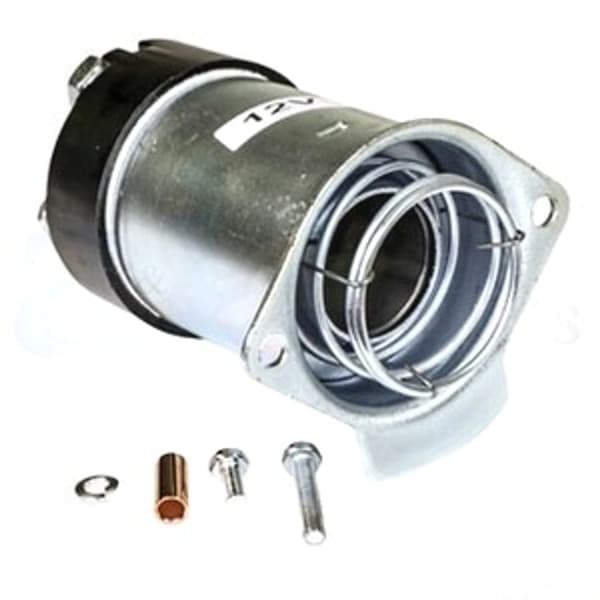
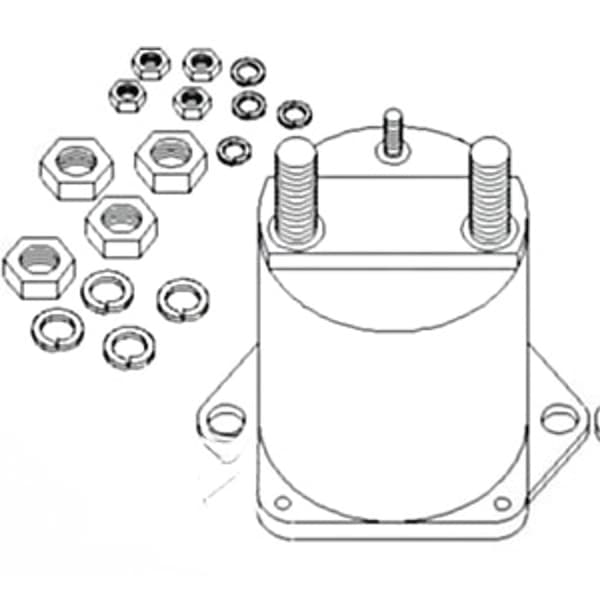
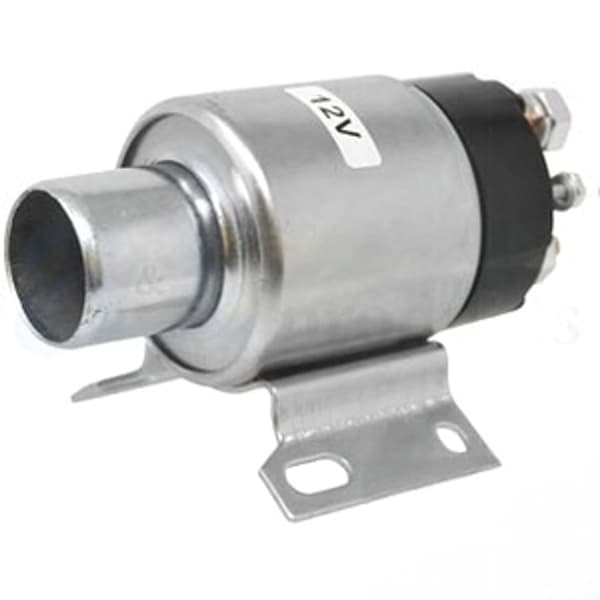
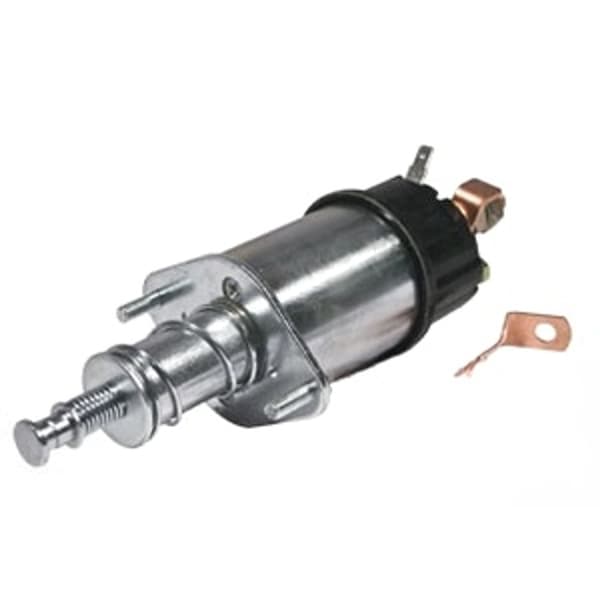
9 parts we recommend — in stock, ships fast, one-click add to cart.
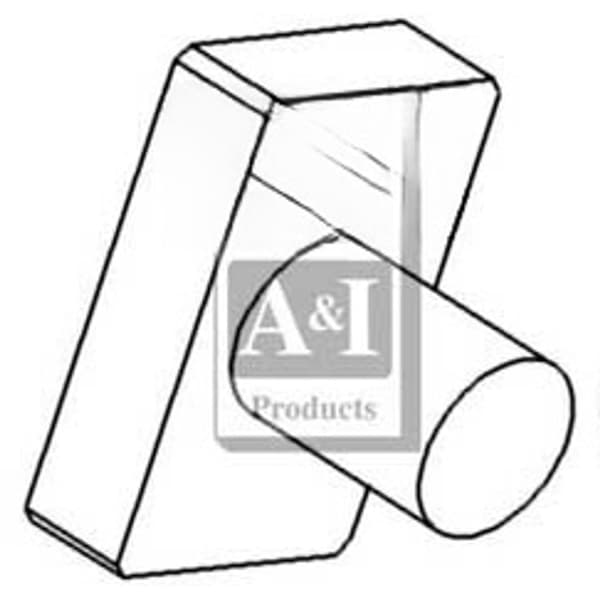
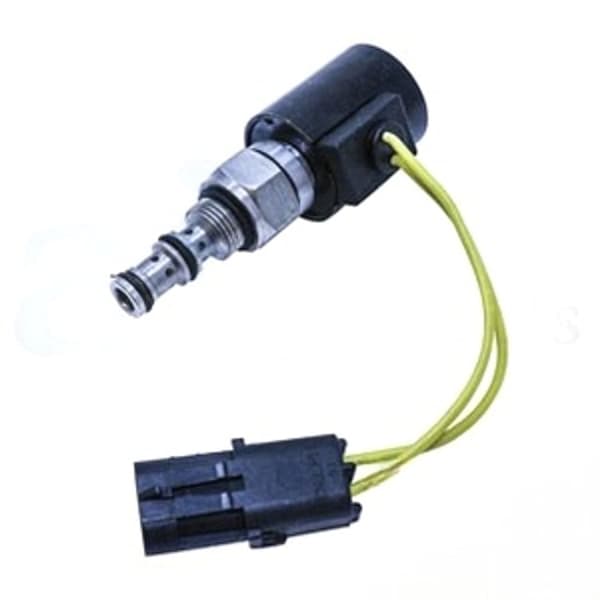
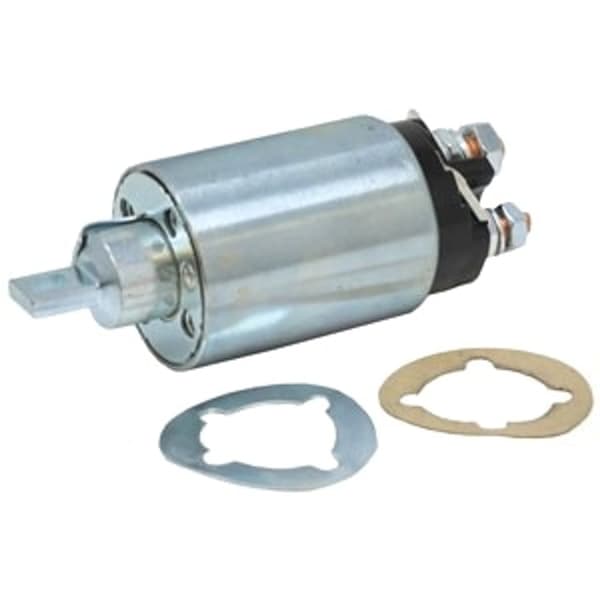
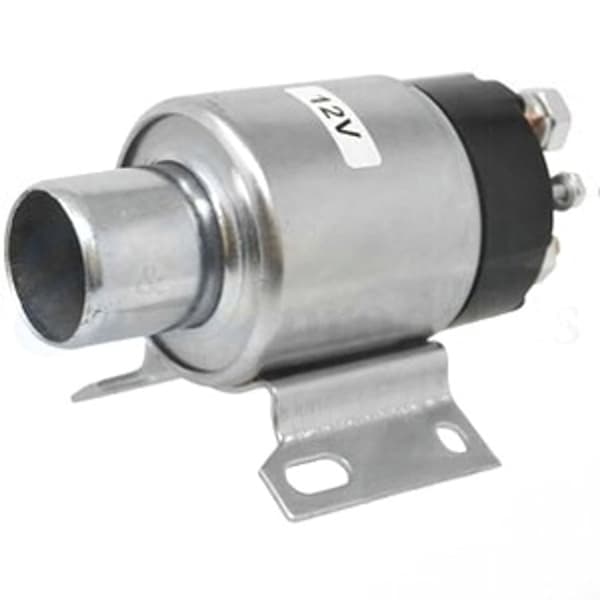
🔍 Looking for a specific part? Try our AI Part Finder — tell it your equipment and what you need, and it will find matching parts instantly.
To understand the differential lock, it’s helpful to first understand the differential itself. The differential allows the wheels on an axle to rotate at different speeds. This is essential when turning because the outside wheel has to travel a longer distance than the inside wheel. However, this benefit becomes a liability when one wheel loses traction. The differential sends power to the wheel with the least resistance, causing the spinning wheel to accelerate while the wheel with traction receives little or no power.
The differential lock overcomes this problem by forcing both wheels on the axle to rotate at the same speed, regardless of traction. When engaged, the diff lock essentially turns the axle into a solid shaft, ensuring that both wheels receive equal torque. This is especially useful when plowing, tilling, or working on muddy or icy surfaces.
How the Differential Lock Works
The exact mechanism of a differential lock varies depending on the make and model of the tractor. However, the basic principle remains the same. Typically, the differential lock is engaged by a foot pedal or a lever located near the operator's seat. This action engages a mechanical or hydraulic system that locks the differential gears together.
Here’s a simplified breakdown of the process:
- Activation: The operator presses the pedal or engages the lever.
- Engagement: This action activates a mechanism (mechanical linkage, hydraulic piston, or electric solenoid) that moves a locking collar or dog clutch, often utilizing a differential lock fork and fork shoe guide.
- Locking: The locking collar engages with splines or teeth on both the side gears of the differential, effectively locking them together.
- Equal Torque: With the differential locked, both wheels receive equal torque from the transmission, regardless of which wheel has better traction.
Common Problems with Tractor Differential Locks
Like any mechanical system, the differential lock can experience problems over time. Here are some of the most common issues:
- Failure to Engage: The differential lock pedal may move, but the lock doesn't engage. This could be due to a broken linkage, a stuck locking collar, low hydraulic pressure (on hydraulic systems), or a faulty solenoid (on electric systems).
- Failure to Disengage: The differential lock remains engaged even after releasing the pedal or lever. This is often caused by a sticking locking collar or damaged splines.
- Noisy Operation: Grinding or clicking noises when the differential lock is engaged or disengaged can indicate worn or damaged gears, splines, or bearings within the differential.
- Hydraulic Leaks: On tractors with hydraulically operated differential locks, leaks can cause low pressure and prevent proper engagement. Check hydraulic lines, cylinders, and seals. A failing hydraulic pump could also be the culprit; Madison Tractor offers a wide range of hydraulic pumps for John Deere, Case IH, and more.
- Mechanical Linkage Problems: Bent, broken, or improperly adjusted linkages, such as the differential lock fork or fork coupler, can prevent the differential lock from engaging or disengaging fully.
Troubleshooting Your Tractor Differential Lock
Before attempting any repairs, always consult your tractor's service manual for specific instructions and safety precautions. Here’s a step-by-step guide to troubleshooting common differential lock problems:
1. Initial Inspection
- Check the Linkage: Inspect the linkage between the pedal/lever and the differential housing. Look for any signs of damage, wear, or loose connections.
- Check Fluid Levels: Ensure that the hydraulic fluid level (if applicable) is correct. Low fluid levels can prevent proper operation. For example, many John Deere tractors use Hy-Gard fluid, while older Ford models may use a universal tractor hydraulic fluid. Consult your operator's manual for the correct specification and capacity.
- Listen for Noises: Engage and disengage the differential lock while listening for unusual noises. Grinding or clicking sounds can indicate internal damage.
2. Testing Engagement
Raise the rear wheels of the tractor off the ground using jack stands. Safety First! Always use appropriate jack stands rated for the weight of your tractor.
- Engage the Differential Lock: With the tractor in neutral and the engine running (at low RPM), engage the differential lock.
- Attempt to Rotate Wheels: Try to rotate one of the rear wheels by hand. If the differential lock is working correctly, both wheels should rotate together in the same direction. If one wheel spins freely, the differential lock is not engaging.
- Disengage the Differential Lock: Release the pedal/lever and attempt to rotate the wheels independently. They should now rotate freely in opposite directions. If they remain locked together, the differential lock is not disengaging.
3. Hydraulic System Checks (If Applicable)
- Pressure Testing: Consult your service manual for the correct hydraulic pressure specifications for your tractor's differential lock system. Use a hydraulic pressure gauge to check the pressure at the test port. Low pressure indicates a problem with the pump, valve, or cylinder.
- Leak Inspection: Carefully inspect all hydraulic lines, fittings, and cylinders for leaks. Repair or replace any leaking components.
Repairing Your Tractor Differential Lock
Repairing a differential lock can range from simple adjustments to complex disassembly and component replacement. Here are some common repairs:
1. Linkage Adjustment/Repair
Loose or misadjusted linkages are a common cause of differential lock problems. Consult your service manual for the correct adjustment procedure. Typically, this involves adjusting the length of the linkage rods to ensure proper engagement and disengagement. If the linkage is damaged, replace the affected parts, such as a worn differential lock fork, fork coupler, or fork shoe guide. Madison Tractor offers a wide selection of tractor parts, including linkage components for many brands such as Ford, Massey Ferguson, and John Deere.
2. Cleaning and Lubrication
Sometimes, a sticking locking collar can be freed up by cleaning and lubrication. Disassemble the differential lock mechanism (following your service manual's instructions) and clean all parts with a solvent. Apply a high-quality grease to the locking collar, splines, and other moving parts before reassembly.
3. Component Replacement
If the differential lock is damaged beyond repair, you may need to replace worn or broken components. Common replacement parts include locking collars, dog clutches, gears, and bearings. You can find replacement parts for tractors like Case IH, New Holland, and Kubota at Madison Tractor. When sourcing parts, ensure you have the correct OEM part number or a reliable cross-reference number to guarantee compatibility. For example, a common locking collar part number for some older John Deere models is often referenced as AM132702.
4. Hydraulic System Repairs
If the problem lies within the hydraulic system, you may need to replace the hydraulic pump, valve, or cylinder. Follow your service manual's instructions for removal and installation. Ensure that all connections are properly tightened and that the system is bled of air after repairs. Replacement hydraulic cylinders are available for many brands at Madison Tractor. When replacing hydraulic components, it's always a good idea to inspect and replace related parts, such as seals and O-rings, to prevent future leaks. Remember to refer back to the Tractor PTO Shaft: 540 & 1000 RPM Specifications article if you encounter any issues related to PTO operation.
Important Considerations
- Use Sparingly: The differential lock should only be used when necessary to improve traction. Prolonged use on hard surfaces can cause excessive wear and damage to the differential.
- Straight Line Operation: The differential lock should only be engaged when driving in a straight line. Avoid using it when turning, as this can put excessive stress on the axles and gears.
- Regular Maintenance: Regular maintenance, including lubrication and inspection, can help prevent differential lock problems.
Clutch and Drivetrain Connection
The differential lock is part of the overall drivetrain system, and its proper function relies on other components being in good condition. For example, a worn John Deere tractor clutch kit can cause jerky operation that puts stress on the differential. Regularly inspect your clutch, PTO, and other drivetrain parts to ensure smooth and reliable operation. If you suspect clutch problems, refer to our articles on Ford tractor clutch options or Case IH clutch kit selection for guidance. Don't forget to check the tractor throw out bearing condition during clutch maintenance, as a failing throw out bearing can contribute to drivetrain issues.
Shop Tractor Parts at Madison Tractor Company
Madison Tractor Company is your trusted source for high-quality tractor parts for all major brands, including John Deere, Case IH, Ford, New Holland, Massey Ferguson, Kubota, Allis Chalmers, Deutz, International Harvester, Oliver, White, Gleaner, Vermeer, Hesston, Mahindra and Zetor. We carry a wide selection of parts, including radiators, water pumps, starters, alternators, hydraulic pumps, cylinders, clutch kits, PTO parts, fuel pumps, carburetors, injectors, filters, gaskets, pistons, bearings, seals, belts, chains, concaves and sickle sections. Shop our online store today or contact our knowledgeable customer service team for assistance finding the right parts for your tractor.
🔍 Can't Find Your Part?
Use our AI-Powered Part Finder to search by your equipment's make, model, and what you need. It's the fastest way to find the exact part for your machine.
Try the Part Finder →Part of our comprehensive guide
Tractor Clutch Replacement Guide: Kits, Adjustment & Installation