








Tractor 4WD Front Axle Parts: MFWD Hub & Shaft
This guide dives into the mechanics of your tractor's 4WD front axle, focusing on MFWD hubs and shafts. Learn how they work, how to maintain them, and where to find replacement parts. Understand common issues and preventative maintenance for your MFWD system.
Introduction to Tractor 4WD Front Axles: MFWD and Hubs
Modern tractors increasingly rely on Mechanical Front Wheel Drive (MFWD), often referred to as 4WD, to provide enhanced traction and pulling power. The heart of this system lies in the front axle, specifically the hubs and shafts responsible for transmitting power to the front wheels. Understanding these components is crucial for proper maintenance and troubleshooting, ensuring your tractor operates at peak performance. At Madison Tractor, we understand the importance of keeping your equipment running smoothly, and we stock a wide range of parts for various tractor brands, including John Deere, Case IH, Ford, New Holland, Massey Ferguson, Kubota, and more.
Recommended Parts for This Guide
3 parts we recommend — in stock, ships fast, one-click add to cart.
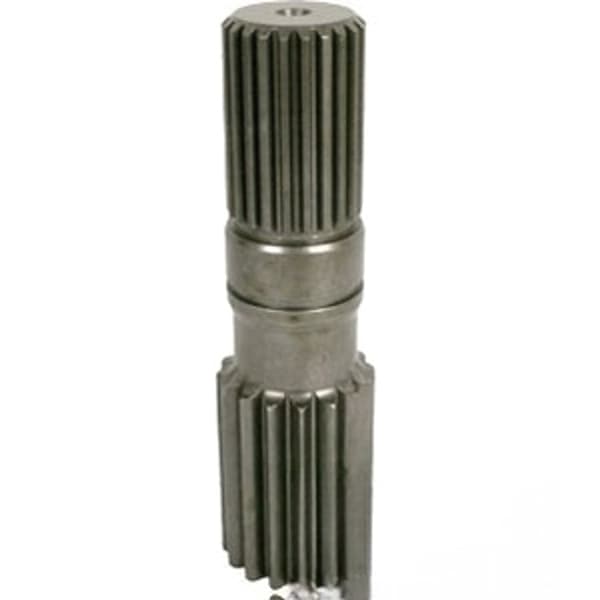
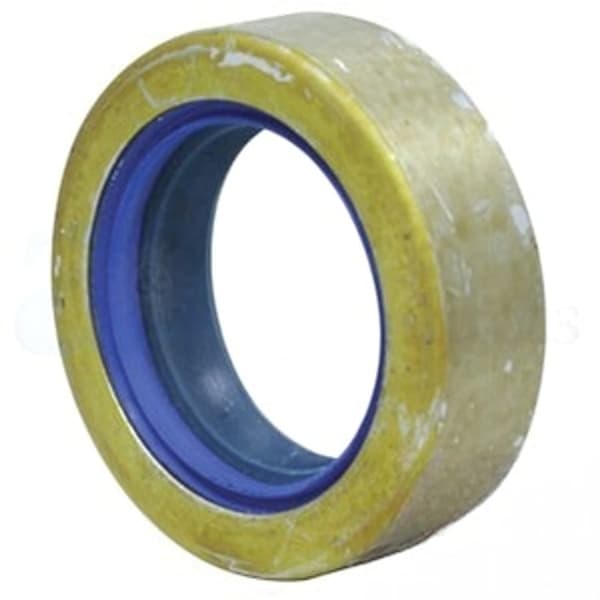
🔍 Looking for a specific part? Try our AI Part Finder — tell it your equipment and what you need, and it will find matching parts instantly.
MFWD systems significantly improve a tractor's capabilities, particularly in challenging conditions like muddy fields, steep slopes, and heavy tillage operations. The front axle engages, providing additional pulling power and reducing wheel slippage. This translates to increased efficiency, reduced fuel consumption, and less wear and tear on your tires.
How the MFWD System Works
The MFWD system works by transferring power from the transmission to the front axle. Typically, a gear train or hydraulically actuated clutch system diverts power from the main transmission to a driveshaft that runs to the front axle. Inside the front axle housing, a differential splits the power between the two front wheels. The hub and shaft assembly then transmits that power to the wheels, causing them to turn and provide additional traction.
This power transfer is often controlled by a lever or switch in the cab, allowing the operator to engage or disengage the MFWD as needed. Some tractors feature automatic MFWD engagement based on wheel slip or other sensor inputs.
Don't forget to check your tractor PTO shaft regularly, as PTO issues can sometimes be misdiagnosed as drivetrain problems.
Key Components: Hubs and Shafts
Hubs
The hubs are the connecting points between the axle shafts and the wheels. They typically consist of a cast iron or steel housing containing bearings, seals, and mounting flanges for the wheel. The hub must be strong enough to withstand the significant forces generated during operation, including torque, impact loads, and side loads. Regularly inspect your hubs for signs of damage, such as cracks, excessive play, or leaks.
Shafts
The axle shafts transmit rotational power from the differential to the hubs. These shafts are subjected to torsional stress and must be manufactured from high-strength steel to prevent breakage. They are typically splined at both ends to engage with the differential and the hub. Regularly check the shafts for signs of wear, such as twisting, cracking, or worn splines. If you are experiencing issues with your tractor PTO clutch, this can place additional stress on the drivetrain and front axle components.
For example, on many John Deere tractors like the 4020 or 4430, the front axle shafts are a common wear point, especially when used heavily in 4WD. The spline engagement wears down over time, causing slippage and eventual failure. You can find replacement shafts at Madison Tractor, often with improved metallurgy for extended life.
Common Issues and Troubleshooting
Several issues can arise with tractor 4WD front axles, impacting performance and requiring repair. Here are some common problems and troubleshooting tips:
- Slippage: If the front wheels are slipping excessively, even when the MFWD is engaged, check the condition of the axle shafts and hubs. Worn splines or damaged bearings can cause slippage.
- Noise: Unusual noises, such as grinding or clicking, coming from the front axle can indicate worn bearings, damaged gears, or insufficient lubrication.
- Leaks: Oil leaks from the hubs or axle housing indicate damaged seals or gaskets. Replacing these seals promptly is crucial to prevent further damage and oil loss. We stock a comprehensive range of MFWD drive shaft seals and gaskets for tractors including Allis Chalmers, Deutz, International Harvester, Oliver, White, Gleaner, Vermeer, Hesston, Mahindra, and Zetor. You can also find other critical drive shaft seals in our inventory.
- Vibration: Excessive vibration while driving in 4WD can indicate a bent axle shaft, unbalanced wheels, or loose components.
- Difficulty Engaging/Disengaging: If you have difficulty engaging or disengaging the MFWD, the problem may lie with the control lever, linkage, or internal clutch mechanism.
Safety Warning: Always disconnect the battery and use jack stands when working under a tractor. Ensure the tractor is parked on a level surface and the wheels are chocked to prevent accidental movement.
Maintenance and Inspection
Regular maintenance is essential for prolonging the life of your tractor's 4WD front axle. Here are some key maintenance tasks:
- Lubrication: Follow the manufacturer's recommendations for lubricating the front axle components, including the hubs, bearings, and gears. Use the correct type of lubricant and change it at the recommended intervals. Check your operator's manual for specific fluid type and capacity. Some axles require specific gear oil formulations to protect against wear and ensure proper clutch operation (if hydraulically actuated).
- Inspection: Regularly inspect the front axle for leaks, damage, and excessive play. Check the condition of the hubs, shafts, bearings, and seals. Replace any worn or damaged components promptly.
- Torque Checks: Periodically check the torque of all fasteners, including the wheel nuts, hub bolts, and axle housing bolts. Loose fasteners can lead to premature wear and damage. Refer to your tractor's service manual for specific torque specifications. Typically, wheel nuts should be torqued to between 300-400 ft-lbs, depending on the size and type of fastener.
- Seal Replacement: Replace axle shaft seals and gaskets as needed to prevent leaks and contamination.
- Fluid Level Checks: Check the fluid level in the front axle regularly and top up as needed. Low fluid levels can lead to overheating and premature wear.
Repair Procedures (Overview)
While some repairs may require specialized tools and expertise, here's a general overview of common repair procedures:
- Hub Bearing Replacement: To replace a hub bearing, you'll typically need to remove the wheel, hub assembly, and axle shaft. Press out the old bearing and press in the new one, ensuring proper alignment.
- Axle Shaft Replacement: To replace an axle shaft, you'll need to remove the wheel, hub assembly, and differential cover. Disconnect the shaft from the differential and slide it out. Install the new shaft and reassemble the components.
- Seal Replacement: To replace a seal, you'll typically need to remove the component that houses the seal (e.g., hub, axle housing). Pry out the old seal and install the new one, ensuring it is properly seated.
Safety Warning: When working with hydraulic systems, relieve the pressure before disconnecting any lines. Hydraulic fluid under pressure can cause serious injury.
If you're tackling a John Deere tractor clutch kit replacement, remember to inspect the front axle while you have the tractor split, as accessibility may be improved.
Finding the Right Parts
When you need to repair or maintain your tractor's 4WD front axle, finding the right parts is critical. Madison Tractor Company offers a wide selection of high-quality replacement parts for various tractor brands and models. Whether you need hubs, shafts, bearings, seals, or other components, we have you covered.
When ordering parts, it's helpful to have the tractor's model number, serial number, and the part number (if known). This information will help ensure you get the correct parts for your specific application. Cross-referencing OEM part numbers is also crucial, so if you are searching for a Ford part equivalent to OEM part number E2NN4033DA, our system can help you find a compatible replacement.
We carry parts for:
- John Deere tractors like the 4020, 4430, and modern models
- Case IH tractors, including Farmall models and more recent Magnum series
- Ford tractors such as the 8N, 9N, and later models
- Massey Ferguson tractors, from the MF 35 to the MF 399
- Kubota tractors in the B, L, and M series
- And many other brands like New Holland, Allis Chalmers, Deutz, International Harvester, Oliver, White, Gleaner, Vermeer, Hesston, Mahindra, and Zetor.
Beyond front axle components, we also carry a wide range of other tractor parts, including radiators, water pumps, starters, alternators, hydraulic pumps, clutch kits, PTO parts, fuel pumps, filters, gaskets, and more.
Conclusion
Understanding the components and operation of your tractor's 4WD front axle is essential for proper maintenance and troubleshooting. By following the tips and guidelines in this article, you can keep your MFWD system running smoothly and efficiently. Remember to perform regular inspections, lubrication, and maintenance to prevent costly repairs and downtime. When you need replacement parts, Madison Tractor Company is your trusted source for high-quality components and expert advice. From Ford tractor clutch parts to complete front axle overhauls, we have you covered.
Shop Tractor Parts at Madison Tractor
Keep your tractor running its best with high-quality parts from Madison Tractor Company! We offer a wide selection of replacement parts for all major brands, including John Deere, Case IH, Ford, New Holland, and more. Browse our online catalog or contact our knowledgeable team for assistance finding the right parts for your needs. Visit us today to find the perfect tractor parts for your machine! You can also use our AI-Powered Part Finder to search for parts by your specific make and model.
Part of our comprehensive guide
Tractor Clutch Replacement Guide: Kits, Adjustment & Installation