








Tractor Shift Lever & Linkage: Gear Selector Repair
Difficulty shifting gears on your tractor can stem from issues with the shift lever, linkage, or internal transmission components. This guide helps you diagnose common problems, understand repair procedures, and identify necessary replacement parts to get your tractor back in action.
A smooth-shifting tractor makes all the difference in productivity. When your tractor shift lever starts giving you trouble – whether it's difficult to engage gears, pops out of gear, or is excessively loose – it's time to investigate. Often, the problem lies in the shift lever and linkage system itself, rather than a major transmission overhaul. This guide will walk you through diagnosing and addressing common shift lever and linkage issues.
Recommended Parts for This Guide
5 parts we recommend — in stock, ships fast, one-click add to cart.
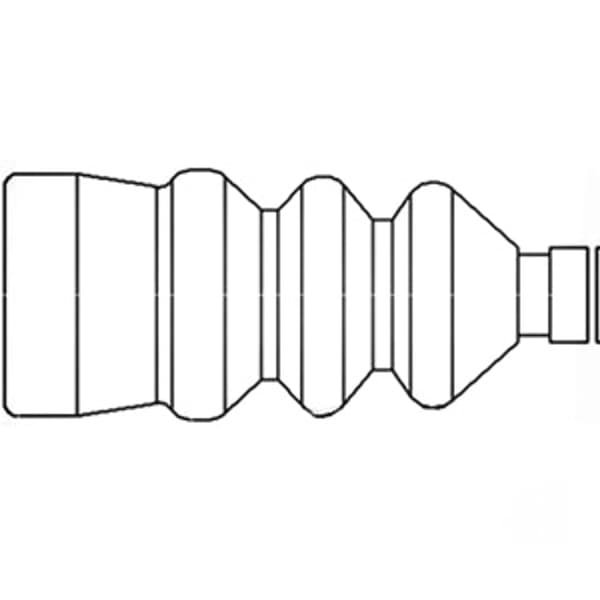
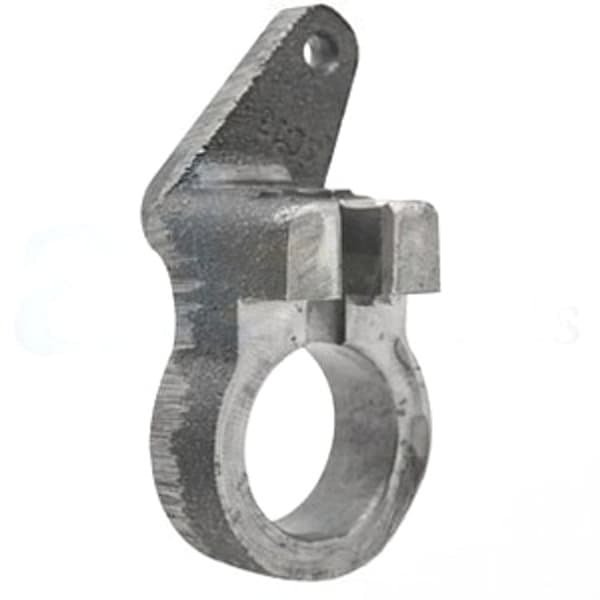
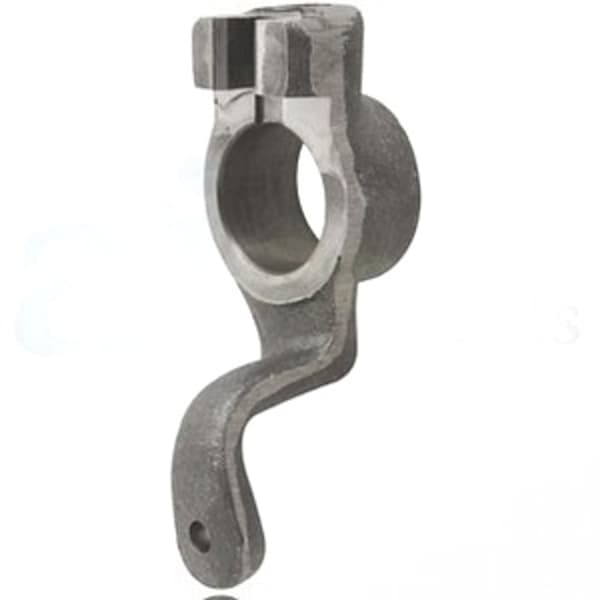
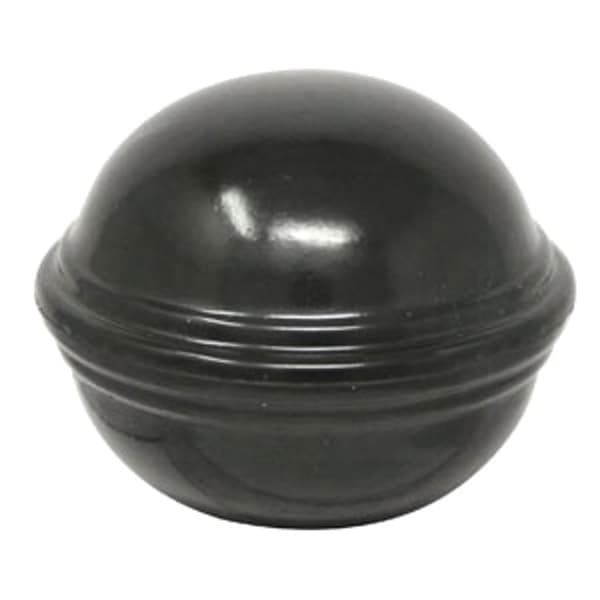
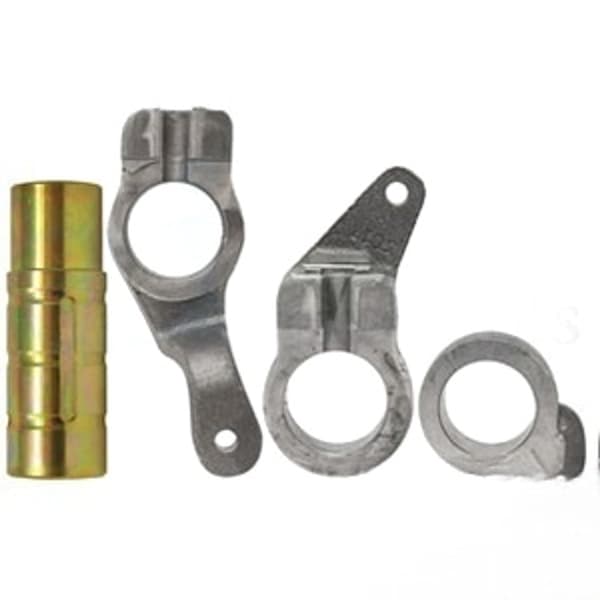
🔍 Looking for a specific part? Try our AI Part Finder — tell it your equipment and what you need, and it will find matching parts instantly.
Understanding Your Tractor's Shift Lever & Linkage
The shift lever is your direct interface with the tractor's transmission. It connects, via a series of rods, levers, and pivots (the linkage), to the shift rails within the transmission. These shift rails then engage the appropriate gears. Over time, wear and tear in this system can lead to problems.
Common wear points include:
- Shift Lever Ball & Socket: The ball at the base of the shift lever sits in a socket. This area can wear, leading to excessive play in the lever. You might also need a new gear shift lever boot, another gear shift lever boot, or a dust cover.
- Linkage Rod Ends & Pivots: Rod ends and pivot points throughout the linkage develop play, introducing slack and reducing the precision of gear selection.
- Shift Rail Seals: Worn seals on the shift rails can allow dirt and debris to enter the transmission, contributing to further wear.
- Internal Transmission Components: While this guide focuses on the external linkage, remember that internal issues like worn synchronizers or damaged gears can also contribute to shifting problems. Refer to the Tractor PTO Clutch Pack: Independent PTO Repair article if your problems seem internal.
Diagnosing Shift Lever Problems
Start with a thorough visual inspection of the entire shift lever and linkage system.
- Check for Loose Connections: Look for loose bolts, nuts, or retaining clips at all pivot points and rod ends.
- Inspect for Wear: Examine the shift lever ball and socket for wear or damage. Check linkage rods for bending or damage. Pay close attention to areas where metal rubs against metal.
- Observe Movement: With the tractor off and in neutral, move the shift lever through its range of motion. Watch the linkage to see if there's excessive play or binding. Have a helper observe the shift rails within the transmission housing (if visible) to see if they are moving smoothly and fully engaging.
- Consider the Symptoms: What specifically is the tractor doing (or not doing)? Is it hard to shift into a specific gear? Does it pop out of gear under load? Is the shift lever excessively loose? All of these give clues.
Common Symptoms and Potential Causes:
- Hard to Shift into Gear: Worn linkage, bent linkage rods, internal transmission issues (synchronizers).
- Pops Out of Gear: Worn detent mechanism on the shift rail, worn gears, excessive play in the linkage.
- Excessive Play in Shift Lever: Worn shift lever ball and socket, worn linkage components.
- Shift Lever Vibrates: Loose linkage components, engine vibration transferring through the linkage.
Repairing the Shift Lever & Linkage
Once you've identified the source of the problem, you can begin the repair process.
Replacing worn linkage components
Many shift lever and linkage problems can be resolved by replacing worn or damaged components. Madison Tractor Company carries a wide selection of replacement parts for many makes and models, including John Deere, Case IH, Ford, New Holland, Massey Ferguson, and Kubota tractors. We also stock parts for Allis Chalmers, Deutz, International Harvester, Oliver, White, Gleaner, Vermeer, Hesston, Mahindra, and Zetor machines.
Procedure:
- Identify the Part: Search available parts
- Order the Part: Contact Madison Tractor Company or browse our website to order the replacement part.
- Remove the Old Part: Disconnect the old part from the linkage, taking note of the orientation and any shims or spacers. You might need penetrating oil to loosen rusted fasteners.
- Install the New Part: Install the new part in the same orientation as the old part, using new fasteners if necessary. Ensure all connections are secure and properly tightened. Use thread locker where appropriate.
- Adjust the Linkage: After replacing any linkage components, you may need to adjust the linkage to ensure proper gear engagement. Refer to your tractor's service manual for specific adjustment procedures. For example, many Ford tractors have adjustable linkage rods that can be lengthened or shortened to fine-tune gear selection.
Replacing the Shift Lever Ball & Socket
A worn shift lever ball and socket is a common cause of excessive play. The socket is often made of plastic or nylon and wears over time. Replacement kits are available for many tractor models.
Procedure:
- Remove the Shift Lever: Typically, the shift lever knob is held in place by a retaining ring or a bolt. Remove the retaining mechanism and carefully pull the shift lever out of the transmission housing.
- Inspect the Ball & Socket: Examine the ball at the base of the shift lever and the socket within the transmission housing for wear or damage.
- Install the New Socket (if applicable): Some replacement kits include a new socket that needs to be installed in the transmission housing. Follow the instructions included with the kit.
- Reinstall the Shift Lever: Insert the shift lever into the transmission housing, ensuring the ball is properly seated in the socket. Secure the shift lever with the retaining ring or bolt.
Addressing Internal Transmission Issues
If you've addressed the shift lever and linkage and are still experiencing problems, the issue may lie within the transmission itself. This is more complex and may require the expertise of a qualified mechanic. Common internal issues include worn synchronizers, damaged gears, or a worn detent mechanism on the shift rail.
Consider checking the transmission fluid level and condition. Low or contaminated fluid can contribute to shifting problems. Madison Tractor Company stocks a full range of filters, gaskets, and seals for various tractor makes and models, including John Deere, Case IH, and Massey Ferguson tractors. While you're at it, explore our selection of clutch kits, and related parts like throw out bearings, since these systems often interact.
Safety Warning: Always disconnect the battery before working on the electrical system. When working under a tractor, use jack stands to support the weight. Transmission fluid can be hot; allow the tractor to cool down before draining the fluid.
Preventative Maintenance
Regular maintenance can help prevent shift lever and linkage problems. Keep the linkage clean and lubricated. Use a high-quality grease on all pivot points. Inspect the linkage regularly for wear or damage, and replace worn components promptly.
Remember to consult your tractor's service manual for specific maintenance recommendations. Regular inspection of your tractor's cooling system, including the radiator and water pump, and electrical system, including the starter and alternator, is also critical for overall tractor health.
Finding the Right Parts at Madison Tractor Company
Madison Tractor Company is your trusted source for tractor parts. We carry a comprehensive inventory of parts for a wide range of makes and models. Whether you need a new shift lever, linkage rod, or a complete transmission overhaul kit, we have the parts you need to get your tractor back in the field. We also carry a wide variety of other tractor parts like hydraulic pumps, fuel pumps, carburetors, injectors, pistons, bearings, belts, and other engine parts, as well as combine parts like chains, concaves, and sickle sections.
Our knowledgeable staff can help you identify the correct parts for your tractor. We offer competitive pricing and fast shipping. Shop online today or contact us for assistance. You can also use our AI-Powered Part Finder to search for parts by your specific make and model.
Part of our comprehensive guide
Tractor Clutch Replacement Guide: Kits, Adjustment & Installation