







Tractor Dual Clutch: Live PTO & Transmission Clutch
A tractor dual clutch allows for independent control of the transmission and PTO, providing 'live' PTO operation. This guide explains how dual clutches work, common problems, and maintenance tips.
What is a tractor dual clutch?
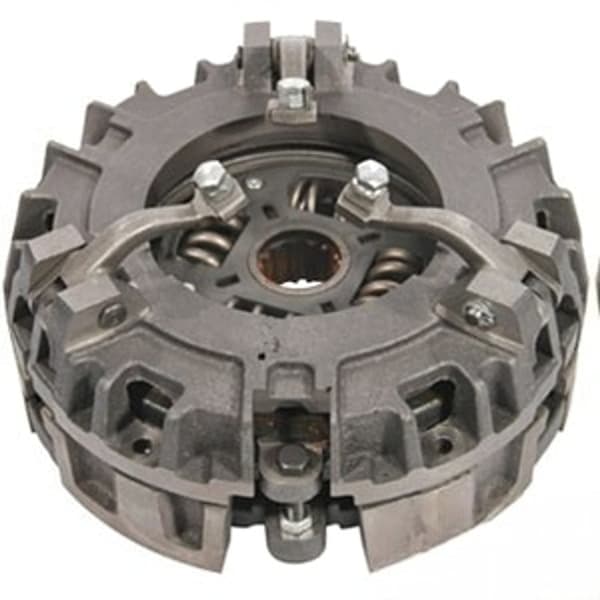
A tractor dual clutch, also known as a two-stage clutch, is a type of clutch system that allows for independent control of the tractor's transmission and the Power Take-Off (PTO). This is a crucial feature for many agricultural operations, providing what's commonly referred to as 'live PTO'. Without a dual clutch, when you depress the clutch pedal, both the transmission *and* the PTO stop. With a dual clutch, you get much greater control.
Recommended Parts for This Guide
4 parts we recommend — in stock, ships fast, one-click add to cart.
🔍 Looking for a specific part? Try our AI Part Finder — tell it your equipment and what you need, and it will find matching parts instantly.
Think of it this way: a single clutch is like having one switch to turn off both the tractor's wheels and any implement connected to the PTO. A dual clutch is like having two separate switches – one for the wheels and one for the PTO. This allows you to stop the tractor's forward motion while keeping the PTO-driven implement running, a critical advantage in many situations.
How a Dual Clutch Works
A dual clutch system essentially consists of two separate clutch discs and pressure plates housed within the same assembly. These are controlled by the clutch pedal's travel. Depressing the pedal halfway disengages the transmission clutch, stopping the tractor's movement. Depressing the pedal fully disengages both the transmission and PTO clutches, stopping both the tractor and the implement.
Here's a simplified breakdown:
- Clutch Pedal at Rest: Both the transmission clutch and the PTO clutch are engaged, transferring power from the engine to the wheels and the PTO shaft.
- Clutch Pedal Depressed Halfway: Only the transmission clutch disengages. The tractor stops moving, but the PTO continues to operate.
- Clutch Pedal Depressed Fully: Both the transmission clutch and the PTO clutch disengage. The tractor and the PTO both stop.
Benefits of a Live PTO System
- Continuous Implement Operation: Allows implements like balers, mowers, and sprayers to continue running even when the tractor needs to be stopped momentarily (e.g., to avoid an obstacle).
- Improved Safety: Reduces the risk of implement damage or injury when maneuvering in tight spaces.
- Increased Efficiency: Minimizes downtime by allowing for continuous operation of PTO-driven equipment.
- Better Control: Provides greater control over implements, especially in situations where precise positioning is required.
Common Problems with Tractor Dual Clutches
Like any mechanical system, dual clutches can experience wear and tear over time. Here are some common problems:
- Clutch Slippage: The clutch discs may wear down, causing them to slip and not fully engage, resulting in loss of power to the transmission or PTO. Slippage is a common reason to consider a John Deere tractor clutch kit or a Ford tractor clutch.
- Clutch Drag: The clutch discs may not fully disengage, causing the transmission or PTO to continue turning even when the clutch pedal is depressed.
- Difficulty Shifting Gears: This can be a symptom of clutch drag or worn synchronizers in the transmission.
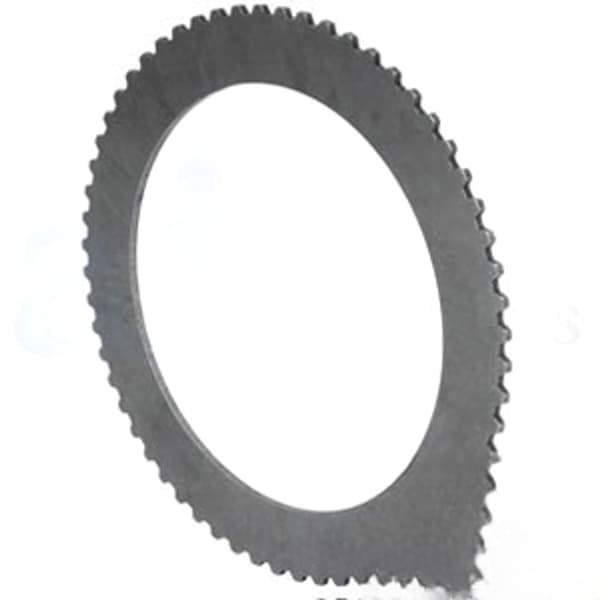
- PTO Won't Engage or Disengage: Issues within the clutch linkage or the PTO clutch itself can cause the PTO to not engage or disengage properly. Sometimes the issue is isolated to the Tractor PTO Clutch Pack and doesn't require a full clutch replacement.
- Clutch Chatter: A vibrating or jerky engagement of the clutch, often caused by contamination or wear on the clutch disc.
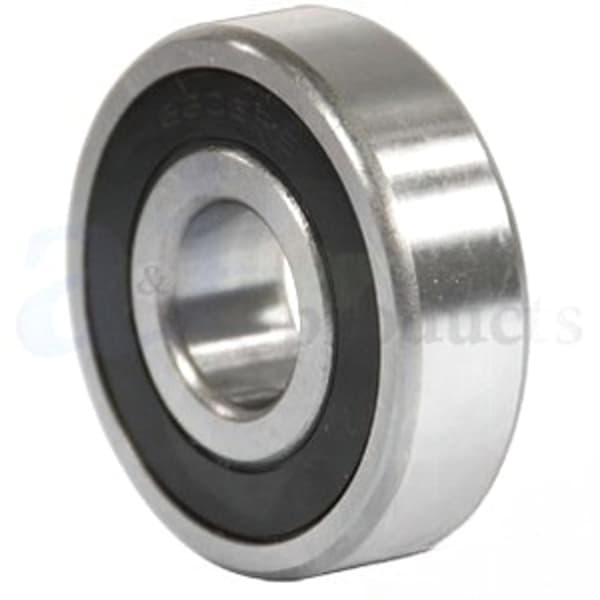
- Worn Pilot Bearing/Bushing: A worn pilot bearing or bushing can cause noise, vibration, and difficulty shifting. Remember to inspect and possibly replace the Tractor Throw Out Bearing (Release Bearing) when replacing a clutch.
Troubleshooting a Tractor Dual Clutch
Here are some basic troubleshooting steps you can take if you suspect a problem with your tractor's dual clutch:
- Check Clutch Pedal Free Play: Ensure the clutch pedal has the correct amount of free play (the distance the pedal moves before it starts to engage the clutch). Refer to your tractor's operator manual for the correct specification.
- Inspect Clutch Linkage: Check for worn or damaged linkage components, such as rods, levers, and pivots. Lubricate these components as needed.
- Listen for Unusual Noises: Pay attention to any unusual noises coming from the clutch area when engaging or disengaging the clutch.
- Perform a Stall Test: Engage the highest gear, apply the brakes firmly, and slowly release the clutch. The engine should stall if the clutch is engaging properly. If the engine doesn't stall, the clutch may be slipping.
- Check Fluid Levels: Verify proper hydraulic fluid levels, especially if the clutch is hydraulically assisted.
Maintaining Your Tractor Dual Clutch
Proper maintenance is crucial for extending the life of your tractor's dual clutch:
- Regular Lubrication: Lubricate the clutch linkage components regularly according to the manufacturer's recommendations.
- Avoid Riding the Clutch: Avoid resting your foot on the clutch pedal while driving, as this can cause premature wear.
- Use the Correct Clutch Adjustment: Improper clutch adjustment is a common cause of clutch problems.
- Proper Operation: Avoid sudden starts and stops, and use the correct gear for the load being pulled.
- Inspect Regularly: Periodically inspect the clutch for signs of wear or damage.
When to Replace a Tractor Dual Clutch
If you experience persistent clutch slippage, drag, or difficulty shifting gears, it may be time to replace the clutch. Replacing a dual clutch is a significant job, so it's often best left to a qualified mechanic. However, with the right tools and knowledge, some experienced owners can tackle this task themselves.
When replacing a clutch, it's recommended to replace the entire clutch kit, including the clutch discs, pressure plate, and throw-out bearing. This ensures that all components are new and working properly together. We carry clutch kits for a wide range of tractors, including Case IH clutch kits and Massey Ferguson clutch kits.
Consider these indicators of a worn clutch:
- Inability to climb hills in the same gear as before.
- Engine speed increases without a corresponding increase in ground speed.
- Burning smell coming from the clutch area.
Working with Madison Tractor Company
At Madison Tractor Company, we understand the importance of keeping your tractor running smoothly. That's why we offer a wide selection of high-quality tractor parts, including clutch kits, PTO parts, and other drivetrain components. We carry parts for all major brands, including John Deere, Case IH, Ford, New Holland, Massey Ferguson, Kubota, Allis Chalmers, Deutz, International Harvester, Oliver, White, Gleaner, Vermeer, Hesston, Mahindra, and Zetor.
Whether you need a new clutch kit for your Kubota tractor, a tractor PTO shaft, or a new set of filters, we have the parts you need to get the job done right. We also offer a wide range of other tractor parts, including radiators, water pumps, starters, alternators, hydraulic pumps, cylinders, fuel pumps, carburetors, injectors, gaskets, pistons, bearings, seals, belts, chains, concaves, and sickle sections.
Shop Tractor Parts at Madison Tractor Company
Don't let a worn-out clutch slow you down. Browse our online catalog or contact us today to find the right parts for your tractor. Our knowledgeable team is here to help you find the parts you need and answer any questions you may have. We are your one-stop shop for all your agricultural and outdoor power equipment parts needs! You can also use our AI-Powered Part Finder to search for parts by your specific make and model.
Part of our comprehensive guide
Tractor Clutch Replacement Guide: Kits, Adjustment & Installation